In the world of outdoor cooking, few things are as universally celebrated as the taco. It is a humble vessel of flavor, yet when executed with the precision of a pitmaster, it transcends its street-food roots to become a culinary event. Recently, the team at Meat Church has unveiled a masterclass in fire-cooked protein: the Charcoal-Fired Adobo Chicken Taco. By marrying the deep, complex heat of traditional adobo with the unmistakable kiss of hardwood smoke, this recipe redefines what is possible on a backyard grill.
Main Facts: The Anatomy of a Perfect Taco
The secret to this dish lies not in a single ingredient, but in the layering of flavors—a concept often referred to in culinary circles as "flavor building." The process begins with a robust marinade that uses ancho chilies as a base, providing an earthy, mild heat that serves as the foundation for the dish.
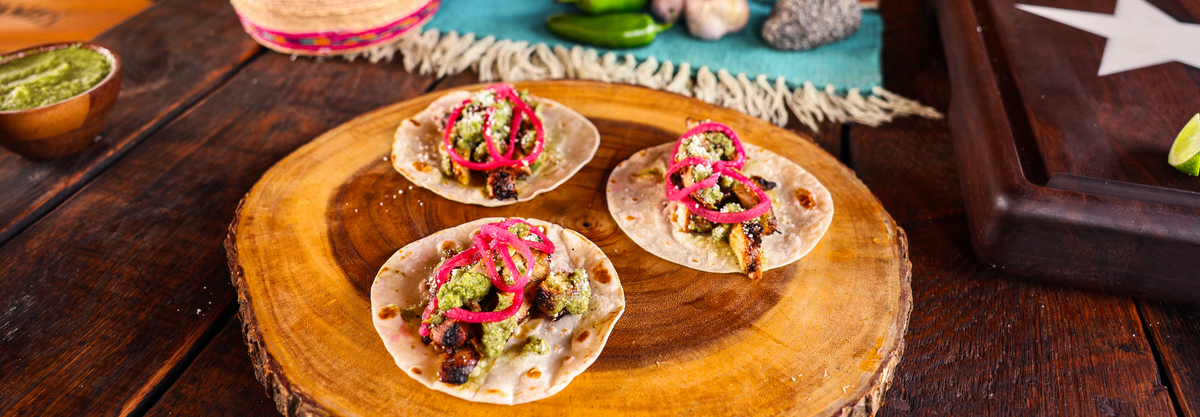
Key components of the recipe include:
- The Adobo Foundation: A blend of dried ancho chilies, chipotles in adobo, minced garlic, Mexican oregano, cumin, ground clove, and Meat Church’s signature Blanco seasoning.
- The Acid Balance: A combination of apple cider vinegar and orange juice, which acts as a tenderizing agent for the chicken thighs.
- The Smoke Factor: The use of high-quality lump charcoal, which imparts a clean, wood-fired char that gas grills simply cannot replicate.
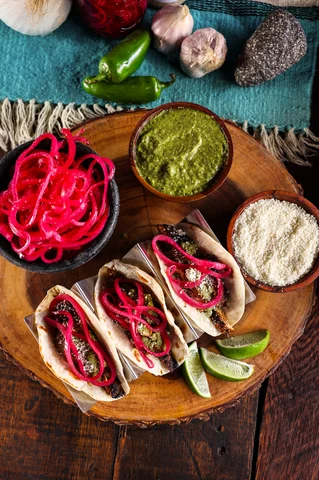
- The Assembly: Fresh, toasted tortillas, homemade creamy salsa verde, sharp cotija cheese, and the bright, acidic crunch of pickled red onions.
This is not merely a recipe; it is a systematic approach to balancing fat, acid, salt, and heat. The choice of chicken thighs is intentional; their higher fat content makes them more forgiving over high-heat charcoal, ensuring the meat remains succulent even after developing a deep, caramelized crust.

Chronology: A Step-by-Step Guide to Pitmaster Excellence
To achieve the results showcased in the Meat Church kitchen, one must adhere to a strict culinary timeline. Preparation is the bridge between a mediocre meal and a restaurant-quality experience.
Phase 1: The Marinade (The Night Before)
The process begins by rehydrating the dried ancho chilies in boiling water. Once softened, the stems are discarded, and the chilis are blended into a smooth, vibrant paste. This paste is then whisked with chipotles, garlic, spices, and the vinegar-citrus blend. The chicken thighs should be fully submerged in this mixture, ensuring every crevice is coated. Allowing the meat to rest in the refrigerator overnight—at least 12 to 18 hours—is essential for the marinade to penetrate the muscle fibers.

Phase 2: Preparing the Fire
Consistency is the pitmaster’s greatest ally. Using high-quality lump charcoal, light the grill and allow it to reach a steady, high heat. The goal is a fire that provides enough intensity to create a crispy exterior without burning the sugars in the marinade.
Phase 3: The Sear and Smoke
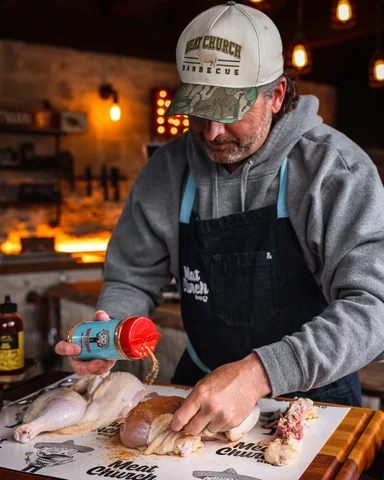
Once the chicken is removed from the marinade, a final dusting of Achiote or Meat Church’s "Hail Mary" seasoning is applied. This adds a secondary layer of color and earthy aromatics. The chicken is placed over the coals, flipped periodically to monitor the char, and pulled only when the internal temperature reaches a safe and juicy 165°F.

Phase 4: Final Assembly
Resting the meat is non-negotiable. Slicing the chicken into strips allows for the best texture in each bite. Meanwhile, the tortillas are toasted on a cast iron skillet or briefly over the fire to provide a warm, slightly charred base. The final assembly follows a deliberate order: tortilla, chicken, salsa verde, a generous crumble of cotija, and a crown of pickled red onions.
Supporting Data: Why This Method Works
The science behind this recipe is rooted in the Maillard reaction—a chemical reaction between amino acids and reducing sugars that gives browned food its distinctive flavor. By utilizing the sugars in the orange juice and the spice rub, the charcoal fire accelerates this browning, creating a "bark" that locks in the juices.

From a nutritional standpoint, the use of chicken thighs provides a more significant source of iron and zinc compared to breast meat, while the acidic marinade helps break down connective tissues, making the protein easier to digest. Furthermore, the use of fresh salsa verde and pickled onions provides a necessary "palate cleanser," cutting through the richness of the chicken and the fat of the cotija cheese.
Official Perspectives: The Philosophy of Meat Church
The creators of this dish emphasize that outdoor cooking is about accessibility combined with high standards. "We want people to feel like they can recreate this in their own backyard without needing a professional kitchen," a spokesperson for the culinary team noted.

The emphasis on specific ingredients—such as the Meat Church Blanco seasoning—is not merely for branding; it is an endorsement of a flavor profile engineered specifically for the interaction between fire and protein. By providing clear, visual benchmarks for the cooking process, the team aims to demystify the charcoal-grilling experience, moving it away from the "guesswork" approach often seen in amateur grilling.
Implications: Changing the Backyard Standard
The rise of recipes like this signals a shift in consumer behavior. Home cooks are no longer content with simple burgers or hot dogs; they are seeking out "elevated" experiences that require time, patience, and a bit of technique.

Economic and Culinary Impact
- Increased Interest in Specialty Ingredients: As more enthusiasts adopt these recipes, demand for high-quality seasonings and specific cuts of meat continues to grow.
- The "Experience" Economy: Cooking has become a social activity. The preparation of these tacos is a ritual that encourages gathering and conversation, turning a Tuesday night dinner into a weekend event.
- Skill Acquisition: By following a structured recipe that demands techniques like overnight marinating and charcoal management, the average home cook gains confidence, eventually leading to culinary experimentation.
Future Outlook
As the trend toward artisanal backyard cooking continues, we can expect to see a move toward even more complex flavor profiles. The success of this adobo chicken recipe demonstrates that when home cooks are given the tools and the knowledge to succeed, they are willing to invest the time to create something truly special.
Conclusion
The Charcoal-Fired Adobo Chicken Taco is a testament to the idea that great food does not have to be overly complicated. It requires respect for the ingredients, an understanding of the heat, and the patience to let the process unfold. Whether you are a seasoned grill master or a novice looking to level up your skills, this recipe provides the perfect roadmap for a memorable dining experience. By following the meticulous steps of marinating, charring, and balancing, you are not just making dinner—you are creating a flavor profile that will linger long after the last taco has been finished.