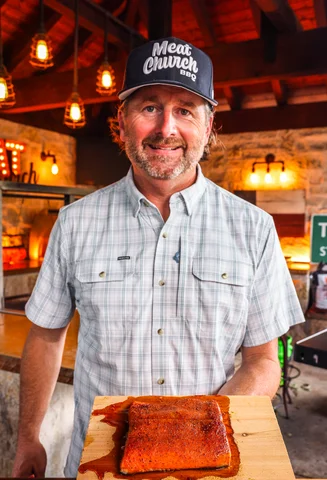
When Super Bowl 50 MVP and NFL defensive powerhouse Von Miller declared a piece of poultry to be the "best chicken he has ever had," the culinary world took note. This wasn’t just a casual backyard meal; it was a high-stakes collaboration between one of the most decorated athletes in professional football and Matt Pittman, the pitmaster and mastermind behind Meat Church.
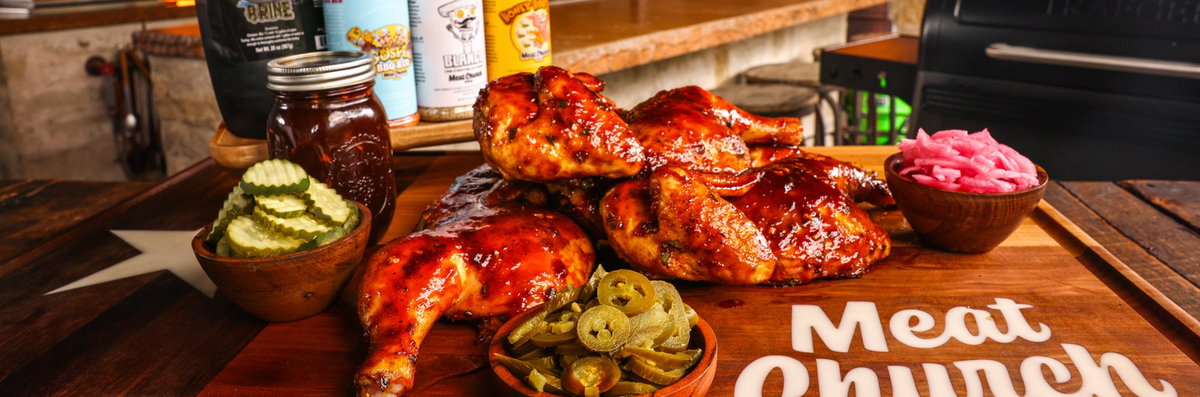
The resulting dish—a masterclass in texture, smoke, and complex flavor profiles—has become the gold standard for backyard pitmasters. By leveraging premium, pasture-raised birds and a meticulous, time-intensive cooking process, Miller and Pittman have elevated smoked chicken from a simple side dish to the centerpiece of the culinary stage.
The Genesis of the Collaboration
The project began with a mutual appreciation for quality. Miller, known for his relentless pursuit of excellence on the gridiron, brings that same intensity to his personal endeavors, including his involvement with Greener Pastures Chicken. These birds, raised in high-welfare environments, provide a superior foundation for any cook.
When Miller teamed up with Pittman, the goal was simple but ambitious: to transform a humble bird into a transcendent dining experience. Pittman, renowned for his "Meat Church" brand and deep knowledge of wood-fired cooking, brought the technical expertise required to handle high-quality proteins. The result is a recipe that emphasizes patience, precision, and an aggressive, multi-layered approach to seasoning and glazing.

Chronology: A Step-by-Step Breakdown of the Cook
Achieving a result that earns the praise of an NFL champion requires a rigorous, multi-stage process. The "Von Miller Special" is not a dish for those in a hurry.
Phase 1: The Baptism of the Bird
The process begins with the "Bird Baptism Brine." Brining is the unsung hero of poultry preparation, ensuring that the meat retains moisture despite the prolonged exposure to dry heat. The chicken is submerged in the brine overnight, allowing the salt and aromatic compounds to penetrate the muscle fibers. As Pittman notes, "This bird already eats better than most people. Don’t skip the brine."

Phase 2: Structural Preparation (Spatchcocking)
Once brined, the bird is "spatchcocked"—a method where the backbone is removed, allowing the chicken to lay completely flat. This is not merely for aesthetics; it is a thermal necessity. By flattening the bird, the surface area is maximized, ensuring an even cook across the breasts and thighs, which typically have different heat requirements. After removing the keel bone, the chicken is halved, providing the perfect canvas for the dry rub.
Phase 3: The Dry Rub and Herb Infusion
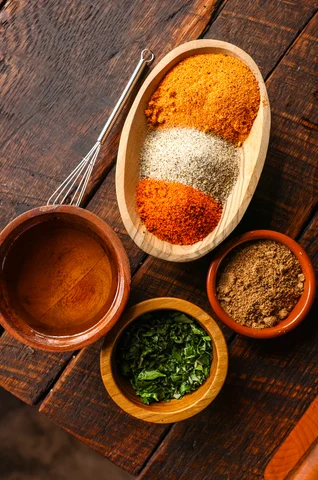
The flavor foundation is built using a triad of Meat Church seasonings: Honey Hog, Holy Gospel, and Blanco. These are applied both on the skin and, crucially, underneath the skin to ensure the meat itself is seasoned. To elevate the profile, the team adds fresh parsley, oregano, and ground coriander. The coriander, in particular, offers a subtle, citrus-forward note that cuts through the richness of the smoke and the eventual glaze. A professional "pro tip" employed during this phase involves using toothpicks to pin back the skin, ensuring the final presentation is as polished as the flavor.

Phase 4: The Smoke and the Glaze
With the Traeger grill set to 300°F and fueled by pecan and cherry pellets, the chicken is placed on the grates. The choice of wood is intentional: the mild sweetness of the fruit and nut woods complements the poultry without overpowering it.
The defining characteristic of this dish is the glaze, a complex concoction of Meat Church Holy Cola BBQ Sauce, peach preserves, hot honey, butter, Worcestershire sauce, apple cider vinegar, and soy sauce. Every 20 minutes, the birds are basted. This creates a "lacquered" finish—a sticky, caramelized barrier of sweet heat that develops as the sugars in the glaze interact with the ambient smoke.

Supporting Data: Why This Method Works
The science behind this recipe is rooted in thermodynamics and moisture management.
- Thermal Uniformity: By spatchcocking, the pitmaster minimizes the risk of dry breasts and undercooked thighs. The flat profile allows for uniform airflow.
- The Maillard Reaction: The combination of olive oil as a binder and the high-sugar content in the glaze promotes the Maillard reaction, creating a deep, mahogany-colored skin that is crisp yet tacky.
- Osmotic Pressure: The brine utilizes osmosis to force water and salt into the cells of the meat. This extra hydration buffer is vital when cooking to an internal temperature of 155°F, allowing the meat to remain succulent even after the carry-over cooking during the 15-minute rest period.
The "No Glaze" Standard
Perhaps the most telling moment in the collaboration occurred when Miller, upon sampling the finished product, remarked that it was the best he had ever eaten, even without the glaze. This is the ultimate compliment to the quality of the Greener Pastures birds and the effectiveness of the Meat Church dry rub.

The glaze, while magnificent, serves as an enhancement to an already perfect protein. It provides the "sticky" factor that BBQ enthusiasts crave, but the structural integrity and moisture of the bird remain the star of the show.
Official Perspectives and Implications
The partnership between Miller and Pittman underscores a growing trend in the culinary world: the "pro-athlete-as-gastronome" movement. Athletes are increasingly leveraging their platforms to highlight ethical, high-quality food sources. Miller’s endorsement of Greener Pastures Chicken is more than a marketing tactic; it is an advocacy for higher standards in livestock farming.

For the home cook, the implication of this recipe is clear: excellence in BBQ is not the result of secret ingredients or expensive hardware alone. It is the result of a systematic approach. By breaking down the process into defined phases—brining, spatchcocking, seasoning, and controlled glazing—the average enthusiast can achieve professional-grade results.
Final Thoughts: Bringing the Experience Home
The "Von Miller Chicken" is more than a recipe; it is a testament to the fact that when you pair high-quality ingredients with tested techniques, the result is nothing short of extraordinary.

Whether you are a die-hard football fan looking to replicate a legend’s meal or a backyard BBQ enthusiast seeking to master the art of the smoke, the core principles remain the same: take your time with the prep, manage your temperatures with precision, and never underestimate the power of a perfectly executed glaze. As the smoke clears and the chicken rests, you aren’t just serving dinner—you’re serving a craft-driven experience that justifies the hype.
For those looking to recreate this at home, the equipment list is manageable—a reliable smoker, high-quality pellets, and the patience to let the smoke do the heavy lifting—but the reward is a dish that truly deserves the title of "the best."