CULINARY TRENDS — For generations, the weekend breakfast host faced a familiar, exhausting dilemma. While traditional French toast remains a universally beloved morning comfort food, preparing it for a crowd requires standing over a hot stove for hours, flipping individual slices to order, and serving lukewarm plates to guests while the cook is still trapped in the kitchen.
Enter the culinary game-changer: the overnight French toast casserole. Combining the rich, comforting flavors of classic French toast with the stress-free preparation of a bread pudding, this make-ahead wonder is transforming how families and hosts approach weekend brunches, holiday mornings, and gatherings of any size.
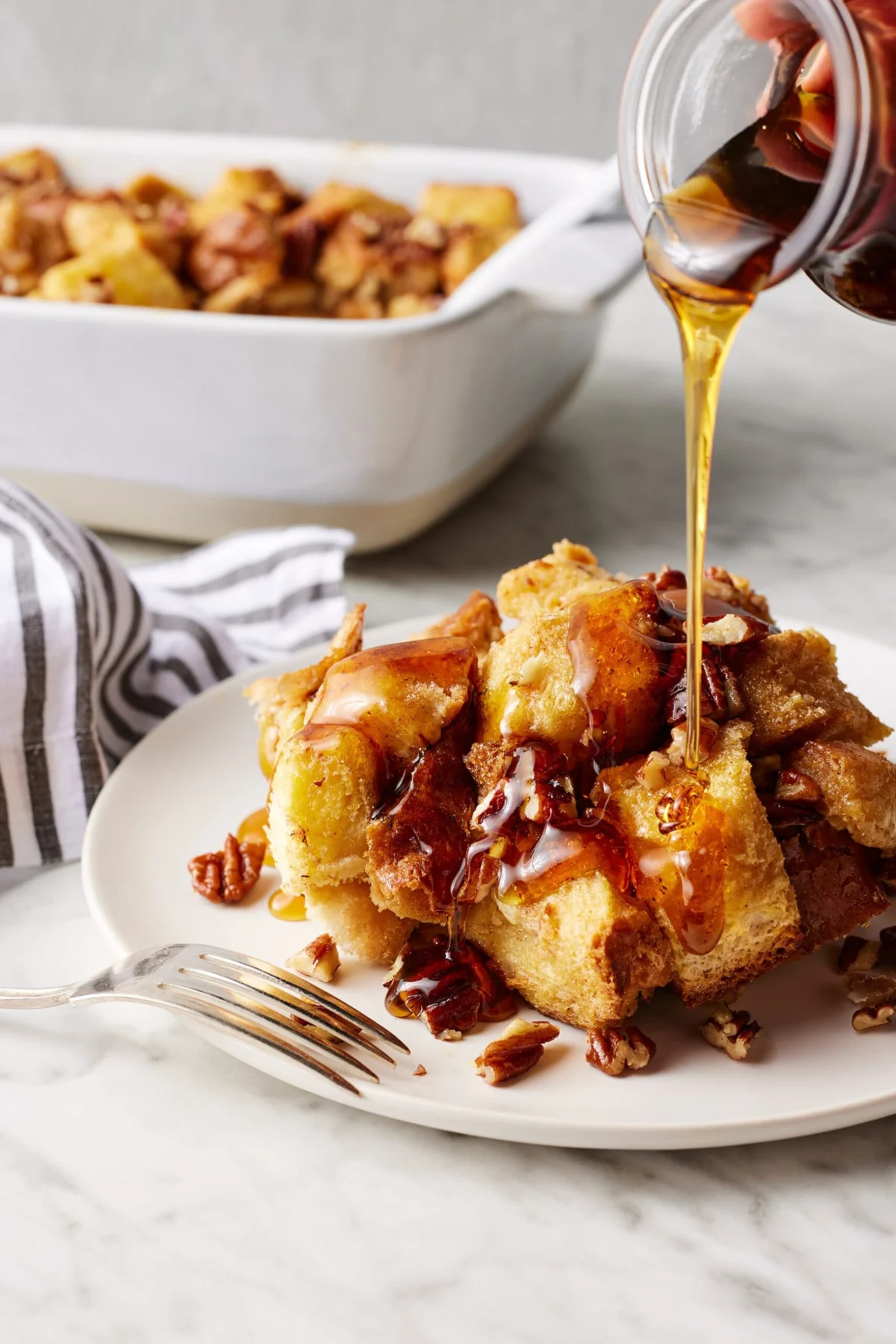
Culinary experts, home cooks, and food historians are taking note as this humble casserole captures the attention of food media and kitchen enthusiasts worldwide. Offering a brilliant balance of textures—featuring a caramelized, crunchy brown sugar and pecan topping juxtaposed against a tender, custardy middle—the recipe delivers gourmet results with minimal morning-of effort.

Main Facts: Deconstructing the Phenomenon
At its core, the overnight French toast casserole strips away the frantic pacing of traditional breakfast preparation. Instead of cooking single portions on a griddle, the entire dish is assembled in a standard 9×13-inch baking pan.
Key Elements of the Dish:
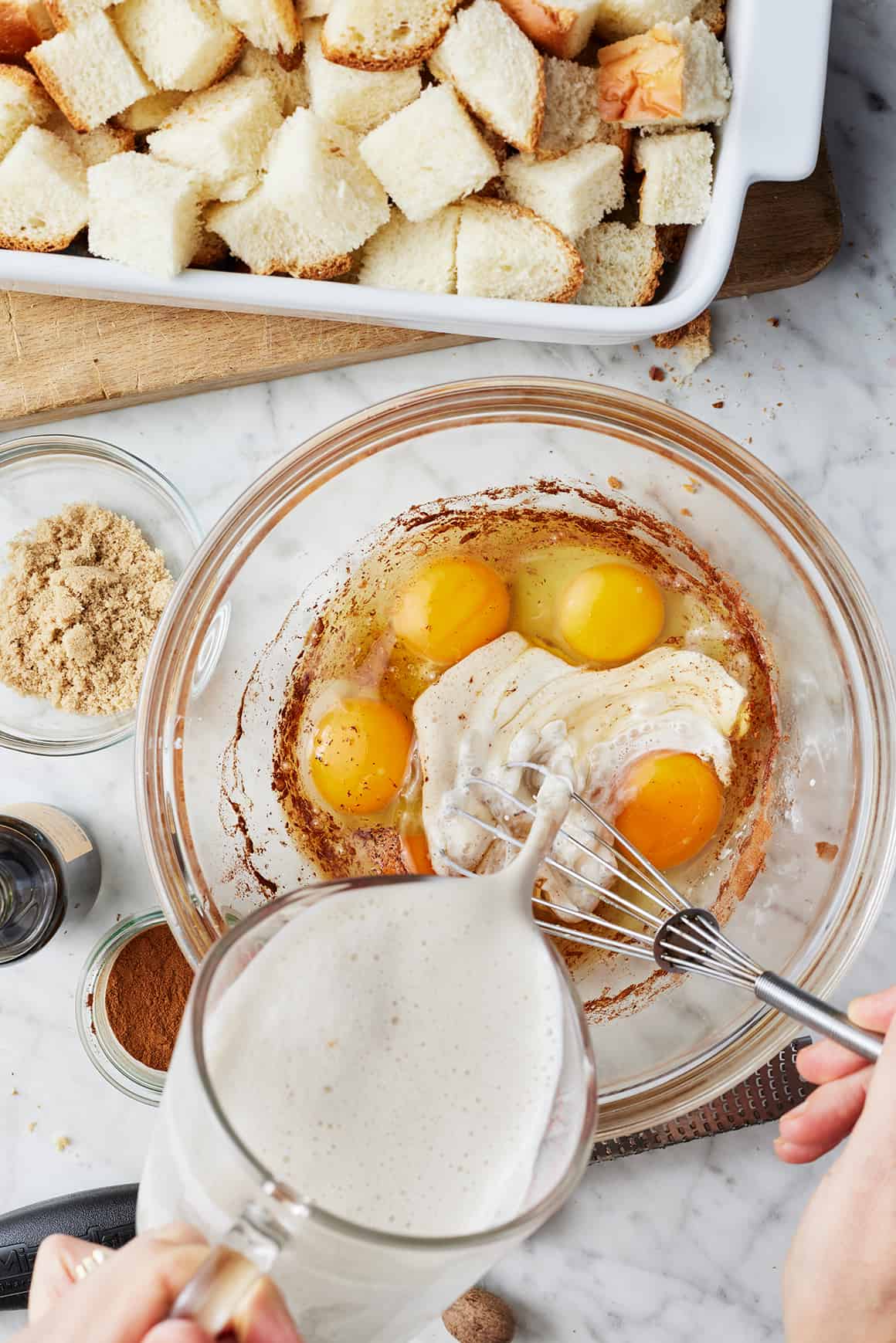
- The Foundation: Sturdy, artisanal breads—most notably challah, brioche, or crusty sourdough—are cut into uniform 1-inch cubes. These structurally sound loaves absorb rich custard without dissolving into a soggy mess.
- The Custard: A velvety mixture of whole milk (or cream), farm-fresh eggs, fragrant cinnamon, and a hint of nutmeg is poured directly over the bread cubes.
- The Magic of Time: By allowing the casserole to rest—either for a few hours or overnight in the refrigerator—the bread fully saturates, transforming the ingredients into a cohesive, bread-pudding-like masterpiece.
- The Crunch: Just before baking, the casserole is drizzled with melted butter and crowned with a generous blanket of brown sugar and crushed pecans, creating a deeply satisfying contrast in textures.
With a prep time of roughly 45 minutes and an identical baking window, the dish yields 8 to 12 generous servings, making it an efficient centerpiece for large gatherings. Clocking in at approximately 328 calories per serving (depending on exact portion sizes and toppings), it strikes a decadent note without overwhelming the palate.
Chronology: From Stovetop Chore to Overnight Sensation
The evolution of French toast from a quick-fix breakfast to a structured casserole represents a broader shift in modern cooking toward convenience and hospitality.

Historical Roots
French toast itself has ancient lineage. Variations of soaked bread fried in fats appear in Roman cookbooks dating back to the 4th century (Apicius), and medieval European societies frequently used stale bread soaked in milk and eggs to prevent food waste. For centuries, the dish remained an ad-hoc, individual stovetop creation.
The Casserole Adaptation
As American home cooking industrialized in the mid-20th century, convenience foods and casserole dishes gained immense popularity. Home economists and community cookbook authors began experimenting with "bake-ahead" breakfast stratas and sweet bread puddings, recognizing that eggs and bread could hold up well over extended refrigeration periods.
The Modern Renaissance
Over the last decade, culinary blogs, social media platforms, and digital recipe developers have refined the overnight French toast casserole into its current, optimized form. By emphasizing premium ingredients—such as brioche and challah instead of cheap white bread—and introducing the crisp pecan-brown sugar streusel topping, food creators elevated a thrifty kitchen staple into a gourmet brunch-party essential.

Supporting Data and Culinary Metrics
Understanding the mechanics of the casserole helps explain why it consistently outperforms traditional methods when cooking for groups.
Nutritional and Preparation Breakdown
- Prep Time: 45 minutes
- Cook Time: 45 minutes
- Total Time: 1 hour 30 minutes (plus optional overnight resting time)
- Yield: 8 to 12 servings
- Macronutrient Profile (Per Serving):
- Calories: 328
- Total Fat: 15g (Saturated Fat: 5g)
- Cholesterol: 144mg
- Sodium: 346mg
- Carbohydrates: 37g (Dietary Fiber: 2g, Sugars: 10g)
- Protein: 11g
Ingredient Chemistry
Food scientists point out that using the right bread is the single most critical variable in the recipe’s success.
- The Avoid List: Soft, pre-sliced supermarket sandwich bread contains high moisture and lacks structural integrity; it quickly dissolves into a dense, unappealing sludge when exposed to liquid dairy and eggs.
- The Gold Standard: Challah and brioche boast a high egg and butter content within the dough itself, allowing them to absorb the custard while maintaining a resilient crumb. Crusty sourdough or French baguettes offer a pleasantly chewy interior and a sturdy crust that resists over-sogging.
Expert Perspectives and Kitchen Insights
Professional chefs and home-entertaining authorities have widely endorsed the make-ahead casserole model, citing its capacity to reduce kitchen stress.
"When you are hosting family for the holidays or throwing a weekend brunch, the last place you want to be is chained to a stove flipping bread slices while your guests are in the other room," says a prominent culinary instructor and cookbook author. "An overnight casserole allows the host to be present. You pull it from the fridge, slide it into the oven, and let the heat do the work."
Culinary experts also highlight the psychological benefits of structured meal preparation. By offloading the heavy lifting to the evening before, hosts can reclaim their mornings, pairing the baking casserole with fresh coffee, mimosas, and casual conversation rather than frantic culinary multitasking.
Essential Pro-Tips from Professional Kitchens:
- Don’t Fear Dry Spots: When pouring the custard over the bread cubes, complete saturation isn’t strictly necessary. Exposed peaks of bread rising above the liquid line dry out slightly in the oven, yielding a delightful textural contrast between crisp top pieces and creamy bottom layers.
- The Post-Bake Rest: Culinary professionals emphasize allowing the baked casserole to rest, loosely covered with aluminum foil, for 10 minutes before serving. This allows the internal custardy structure to set properly, ensuring clean, beautiful slices upon serving.
- Maple Syrup is Non-Negotiable: Because the base casserole relies on restraint rather than cloying sweetness, a finishing drizzle of pure maple syrup ties the toasted pecans, warm cinnamon, and rich custard together.
Implications: The Future of Weekend Entertaining
The rising popularity of dishes like the overnight French toast casserole points to a larger cultural shift in how we view hospitality, convenience, and home cooking.

Redefining Brunch Culture
Brunch has long occupied a dual identity: a leisurely, celebratory weekend ritual and a notoriously stressful meal to execute at home. By utilizing recipes that bridge the gap between scratch cooking and advance preparation, home cooks are reclaiming brunch from crowded restaurant waitlists. The casserole format democratizes hosting, proving that an impressive, restaurant-quality meal does not require professional culinary training or industrial kitchen equipment.
Sustainability and Waste Reduction
In an era increasingly focused on sustainable living and minimizing household food waste, recipes that repurpose day-old or slightly stale bread hold significant appeal. Transforming hardened loaves of challah or sourdough into a luxurious breakfast centerpiece aligns with modern zero-waste kitchen philosophies without sacrificing flavor or presentation.
Versatility for Special Occasions and Everyday Life
While initially popularized as a holiday showstopper—ideal for Christmas morning, Easter brunch, or Mother’s Day celebrations—the ease of the overnight French toast casserole has secured its place in regular weekend meal rotations. Its freezer-friendly nature (baked casseroles can be safely frozen for up to three months) further extends its utility for busy families seeking quick, comforting nutrition on demand.

As home cooking continues to prioritize efficiency without compromising on indulgence, the overnight French toast casserole stands out as a timeless masterclass in culinary balance: effortless in execution, magnificent in flavor, and perfectly engineered for bringing people together around the morning table.