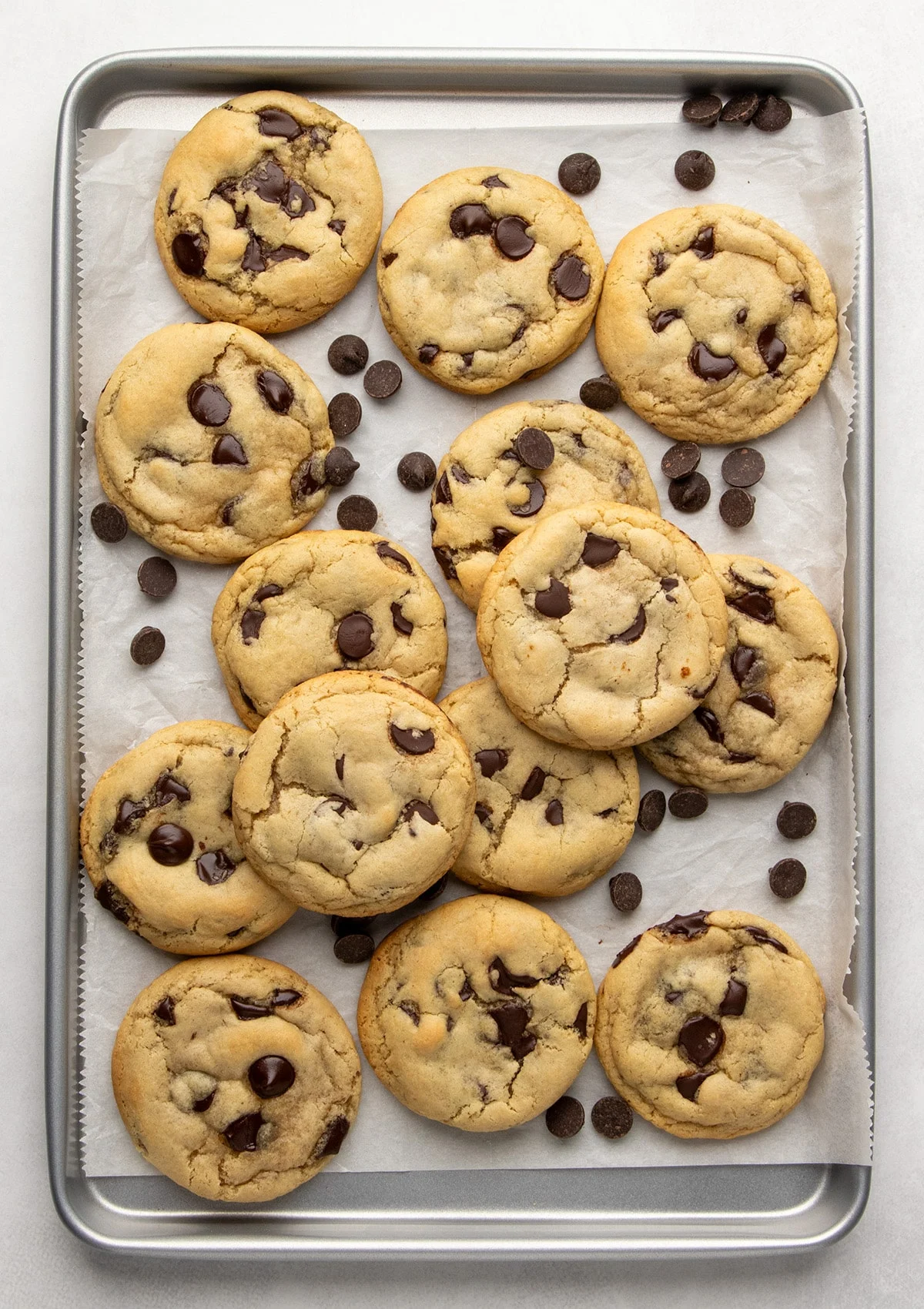
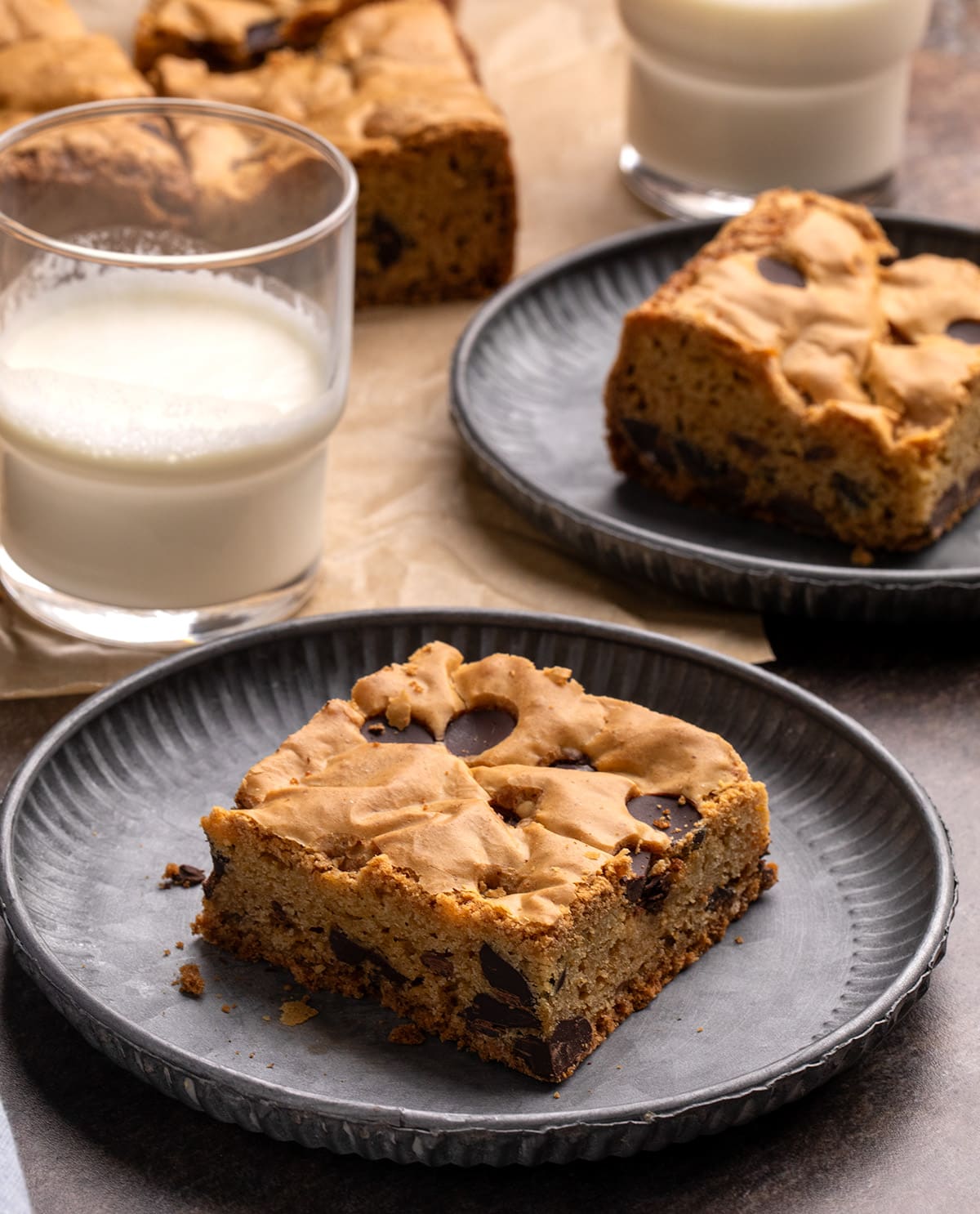
For the millions of individuals navigating celiac disease or non-celiac gluten sensitivity, the quest for the "perfect" cookie is often fraught with compromises. Too often, the gluten-free baking experience is defined by crumbly textures, gritty mouthfeel, or a lack of structural integrity. However, a new approach to the classic chocolate chip cookie—reimagining it as a thick, chewy bar—is changing the landscape of home baking. By shifting the form factor from individual scoops to a single square pan, bakers are discovering a method that not only simplifies the process but actually enhances the sensory experience, delivering that elusive "brownie-like" crackly top that is so frequently missing in gluten-free treats.
Main Facts: The Anatomy of a Better Cookie Bar
The transition from a standard cookie to a bar format is more than just a matter of convenience; it is a calculated engineering decision. When baking traditional gluten-free cookies, the dough often struggles to maintain its shape or desired chewiness during the cooling process. By concentrating the batter into a square pan, the internal moisture is better preserved, resulting in a dense, chewy interior that mimics the texture of high-end bakery confections.
Key to this success is the specific handling of fats and sugars. Unlike traditional creaming methods—where butter and sugar are whipped together to incorporate air—this recipe utilizes a melted-butter technique. This process, similar to the preparation of blondies or brownies, creates a richer, more uniform fat distribution. The result is a bar that avoids the "dense and tough" trap, balancing a sturdy crumb with a soft, indulgent bite.

Chronology: A Step-by-Step Culinary Methodology
Achieving professional-grade results requires adherence to a precise, systematic workflow. The following steps outline the transformation from raw ingredients to a finished, shelf-stable dessert.
Phase 1: The Foundation of Flavor
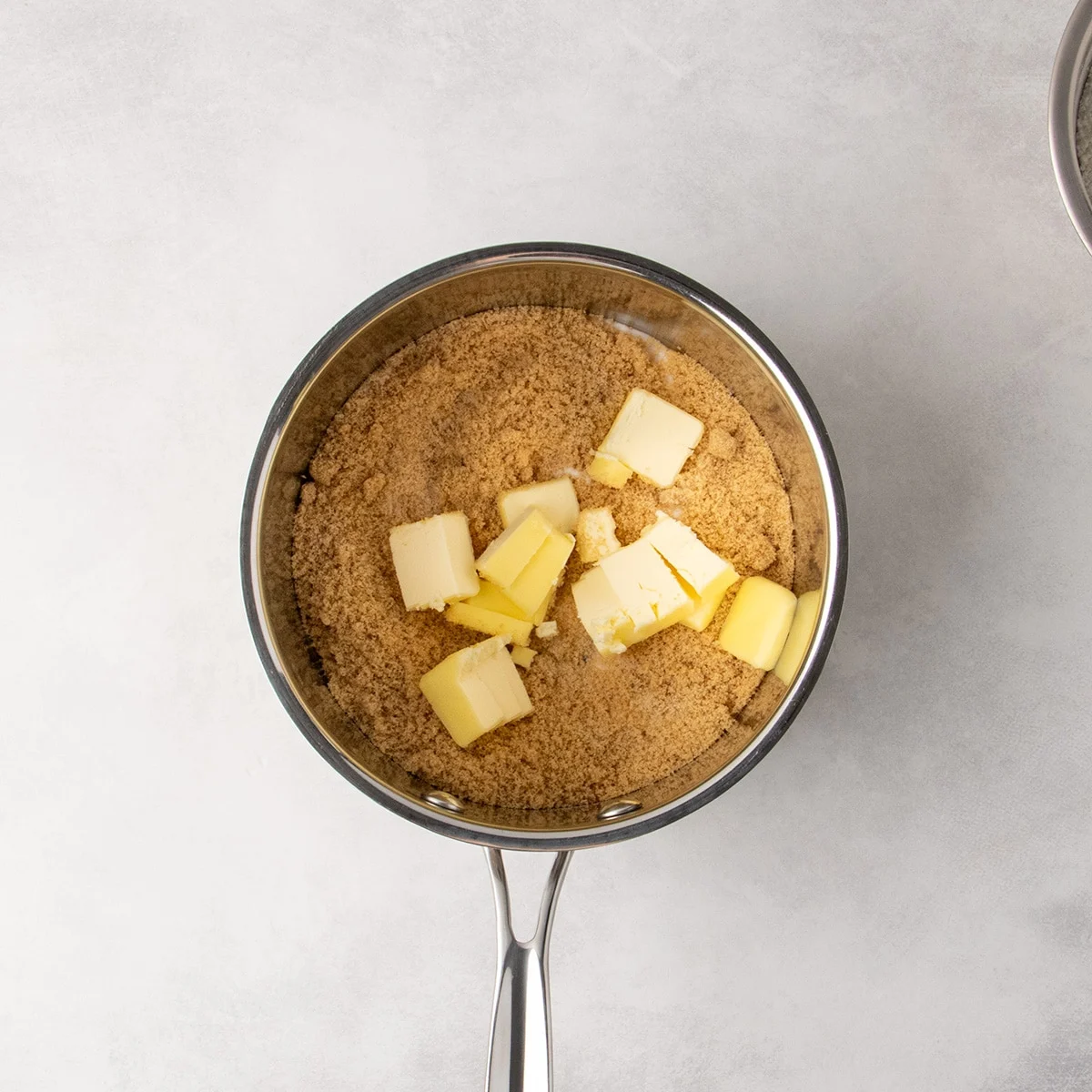
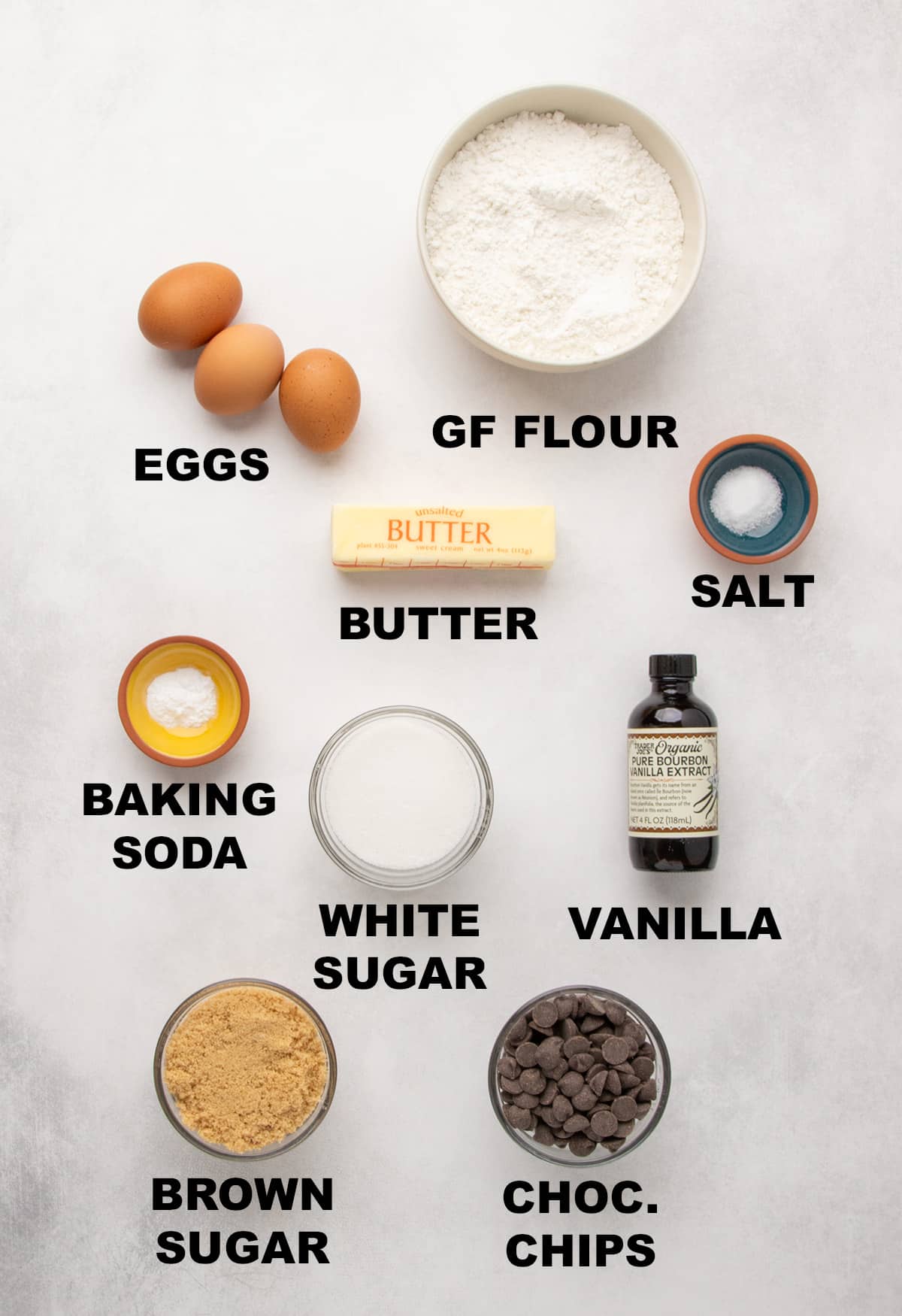
The process begins on the stovetop. By melting the butter with both light brown and granulated sugars over medium-low heat, the baker facilitates a complete dissolution of the sugar crystals. This is the "secret" to the signature crackly top; when the sugars are fully integrated into the melted butter, they create a shiny, thin, meringue-like crust upon entering the oven. It is imperative that this mixture cools to room temperature before the eggs are introduced to prevent the premature coagulation of the egg proteins.
Phase 2: Emulsification and Aeration
Once the base is cool, the eggs (two whole eggs plus one extra yolk) are beaten until frothy. The inclusion of the extra yolk is a crucial addition; it provides additional fat, which contributes to the signature chewiness of the final product. As the egg proteins incorporate into the cooled sugar-butter base, they form the structural matrix that will eventually rise to the surface of the pan, creating that desired crispy texture.
Phase 3: The Dry Integration
The dry components—a high-quality gluten-free flour blend, xanthan gum, cornstarch, baking soda, and salt—are whisked together to ensure uniform distribution. The addition of cornstarch is a strategic choice here; it serves to tenderize the crumb, ensuring that the bar remains soft despite the density of the gluten-free flour. When the dry mixture meets the wet, the batter thickens rapidly. This is the moment to fold in the majority of the chocolate chips.
Phase 4: Baking and Finishing
The batter is transferred to a lined pan. A pro-tip for home bakers: use nonstick aluminum foil or liberally spray regular foil with oil. Gluten-free doughs can be exceptionally sticky, and parchment paper often shifts during the transfer. The bars should be baked low and slow at 325°F for approximately 40 minutes. This temperature allows the bars to set throughout without burning the edges or the delicate sugar-crust on top.
Supporting Data: Understanding Ingredient Functionality
The success of these bars relies on the specific chemistry of gluten-free ingredients. When selecting a flour blend, experts recommend established, high-performance mixes like Better Batter’s original blend or Bob’s Red Mill 1-to-1. These blends typically contain a precise ratio of rice flours, starches, and binders that mimic the elasticity of wheat flour.
The nutritional profile of these bars reflects their indulgence. With approximately 415 calories per serving, they are a nutrient-dense treat. However, the use of quality fats and the high-protein inclusion of eggs provide a level of satisfaction that often leads to portion control. The following table provides a snapshot of the nutritional breakdown per serving (based on a 9-serving yield):
- Total Carbohydrates: 58g
- Protein: 4g
- Fat: 19g (11g saturated)
- Fiber: 2g
- Sugar: 36g
Official Responses and Expert Recommendations
"Good, for gluten-free just isn’t good enough," says Nicole Hunn, a leading authority on allergen-friendly baking. The consensus among professionals is that the "barrier to entry" for gluten-free baking has historically been a lack of proper technique rather than a lack of good ingredients.
Expert Tips for Success
- The Jelly Roll Variation: For those who prefer a thinner, crispier bar, the dough can be spread into a 10×15-inch jelly roll pan. This increases the surface-area-to-volume ratio, significantly altering the texture to be more like a classic crispy cookie.
- Sugar Sensitivity: Overcooking the sugar during the melting phase can lead to a gritty, hardened texture. The process should be stopped the moment the mixture reaches a gentle, uniform simmer.
- The Cooling Rule: Patience is a requirement. Attempting to slice the bars while they are still warm will result in structural collapse. A period of chilling is necessary to firm up the fats and ensure clean, sharp edges when slicing.
Implications: The Future of Allergen-Free Confectionery
The rise of recipes like these has significant implications for the broader food industry. As the demand for gluten-free options continues to grow, home bakers are becoming increasingly sophisticated. No longer satisfied with subpar, store-bought alternatives that carry a "health-food" tax, consumers are demanding recipes that stand on their own merits—recipes that prioritize taste and texture above all else.
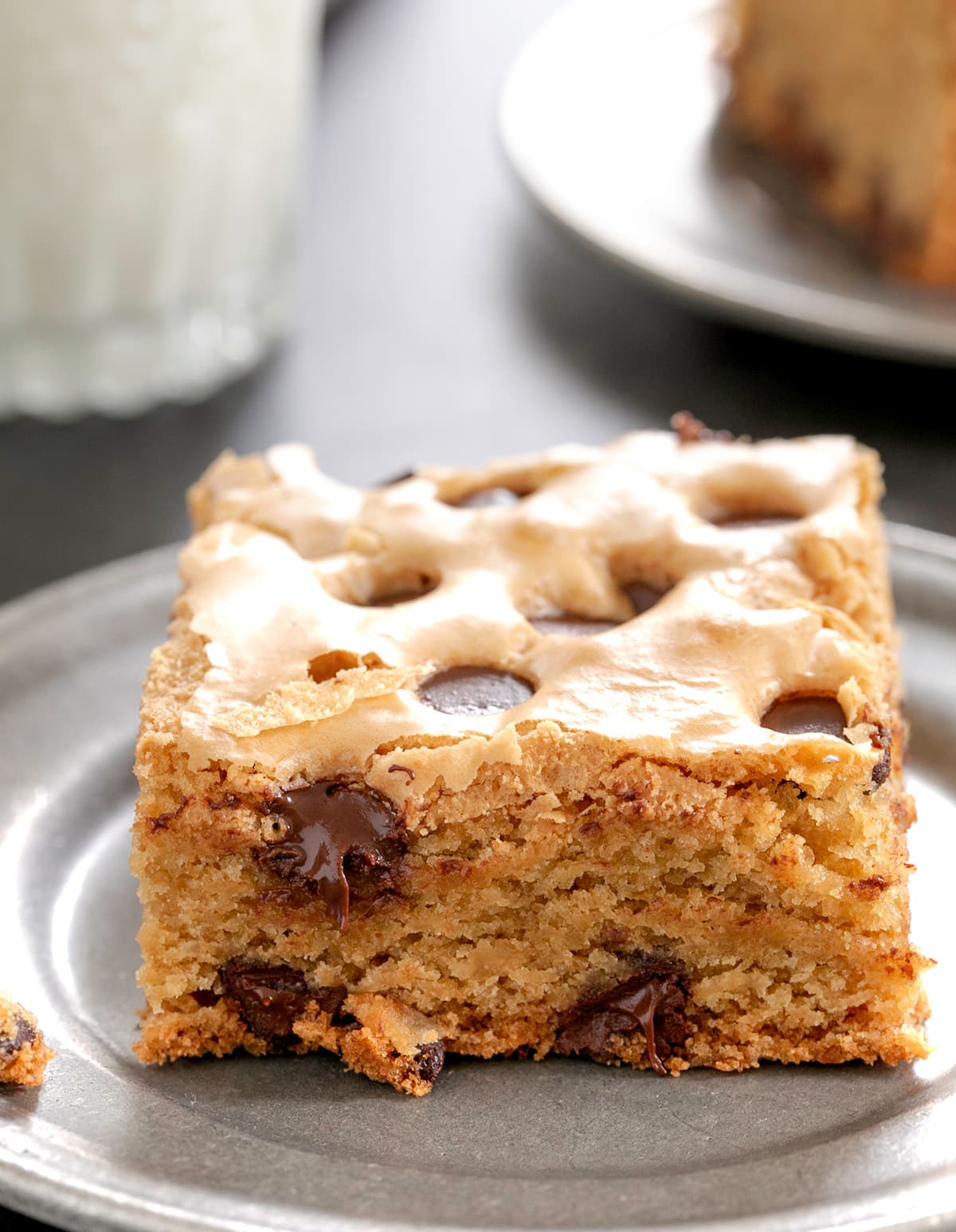
The shift toward "bar-style" baking also represents a move toward efficiency. In a modern, fast-paced household, the ability to produce a high-quality dessert without the labor-intensive process of shaping individual cookies is a major advantage. Furthermore, the adaptability of this recipe—allowing for dairy-free and corn-free substitutions—demonstrates a growing trend toward inclusive culinary design, ensuring that those with multiple dietary restrictions are not excluded from the joy of a homemade, classic dessert.
In summary, the transition to gluten-free cookie bars is a masterclass in culinary adaptation. By understanding the chemistry of the ingredients—from the stabilization of the sugar to the tenderizing effect of the cornstarch—the home baker can replicate the sensory experience of a traditional bakery, proving that "gluten-free" is no longer a synonym for compromise.