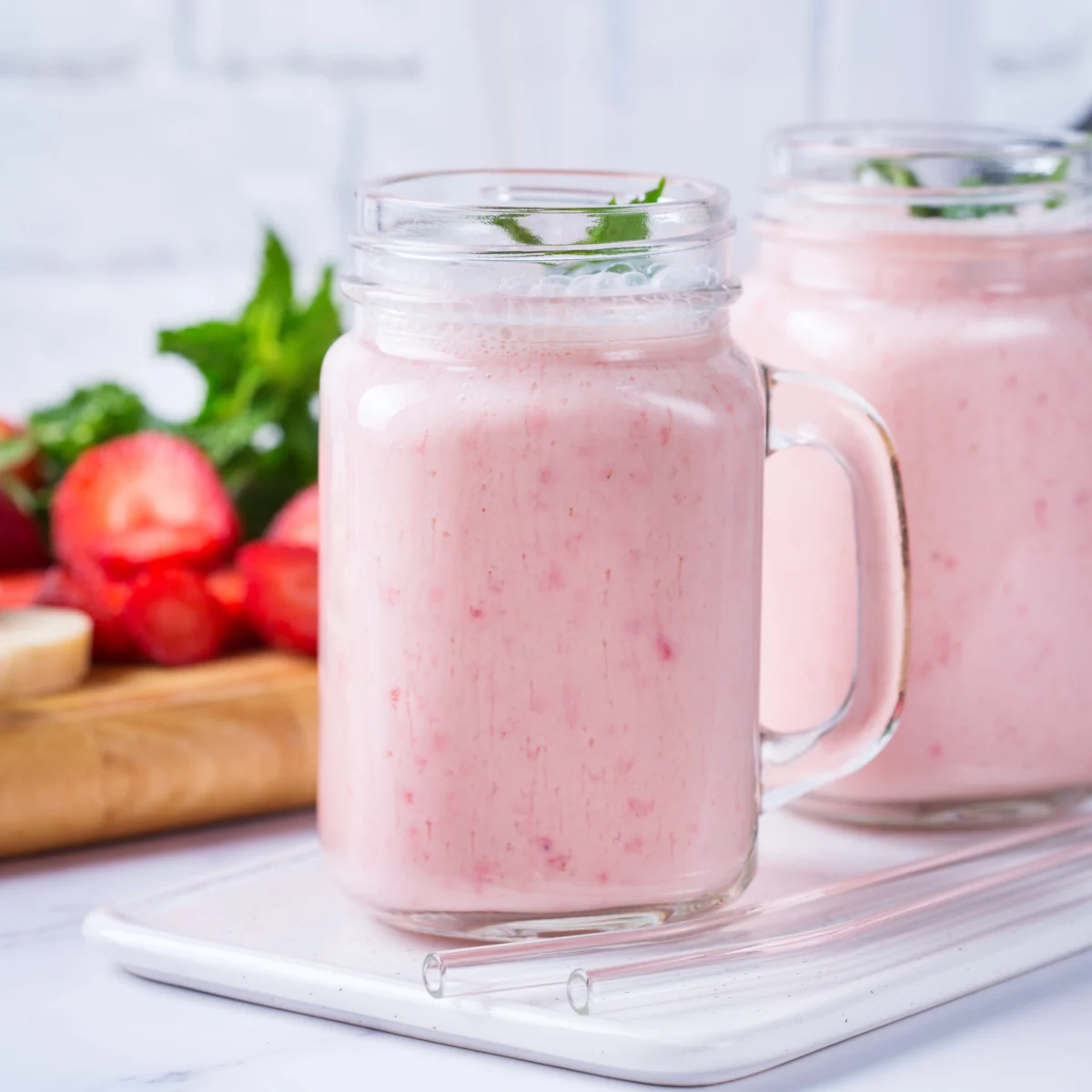
In the fast-paced environment of modern parenting, finding a snack that bridges the gap between "nutritionally dense" and "kid-approved" is a perennial challenge. The quest for healthy eating is often thwarted by picky palates, but the Strawberry Smoothie has emerged as a gold-standard solution. By combining vibrant colors, natural sweetness, and a customizable profile, this classic beverage has become a cornerstone of family-friendly nutrition.
Beyond its flavor profile, the Strawberry Smoothie represents a versatile tool for parents to incorporate essential vitamins, proteins, and even hidden vegetables into a child’s daily routine without the typical mealtime friction.
The Core Concept: Why Strawberries Win the Nutritional Lottery
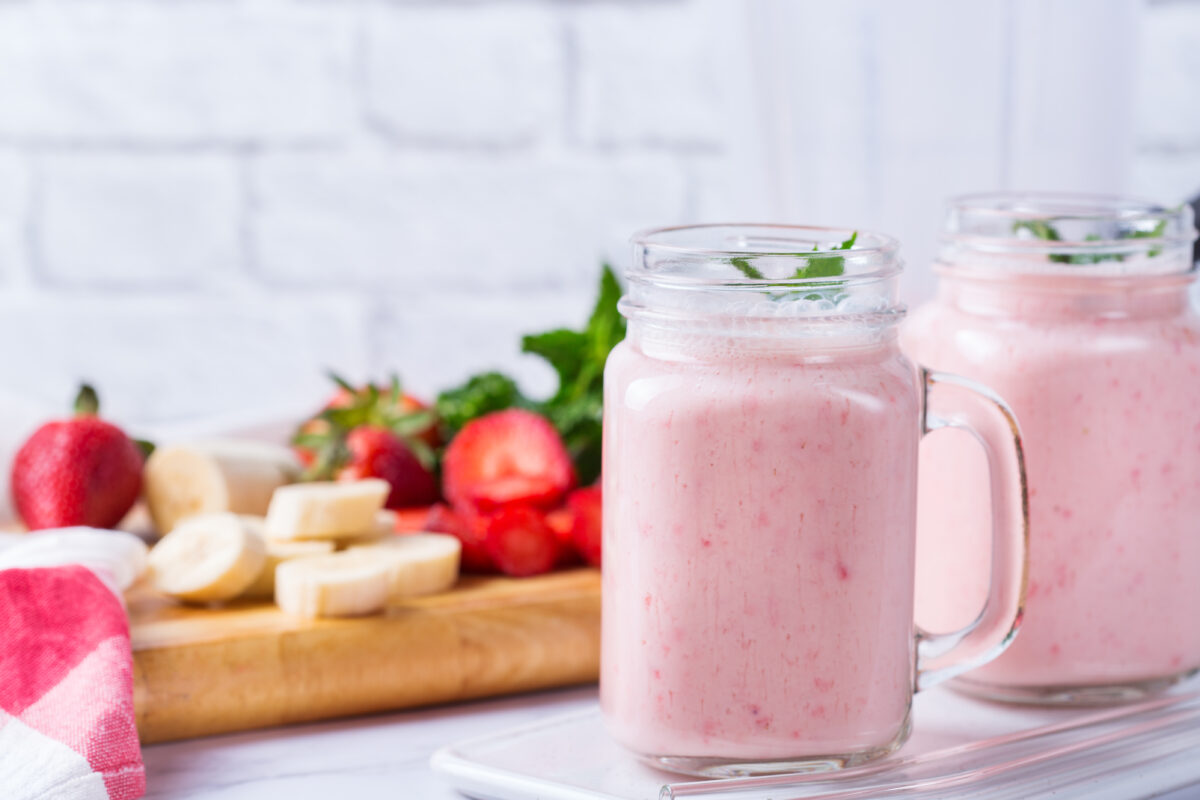
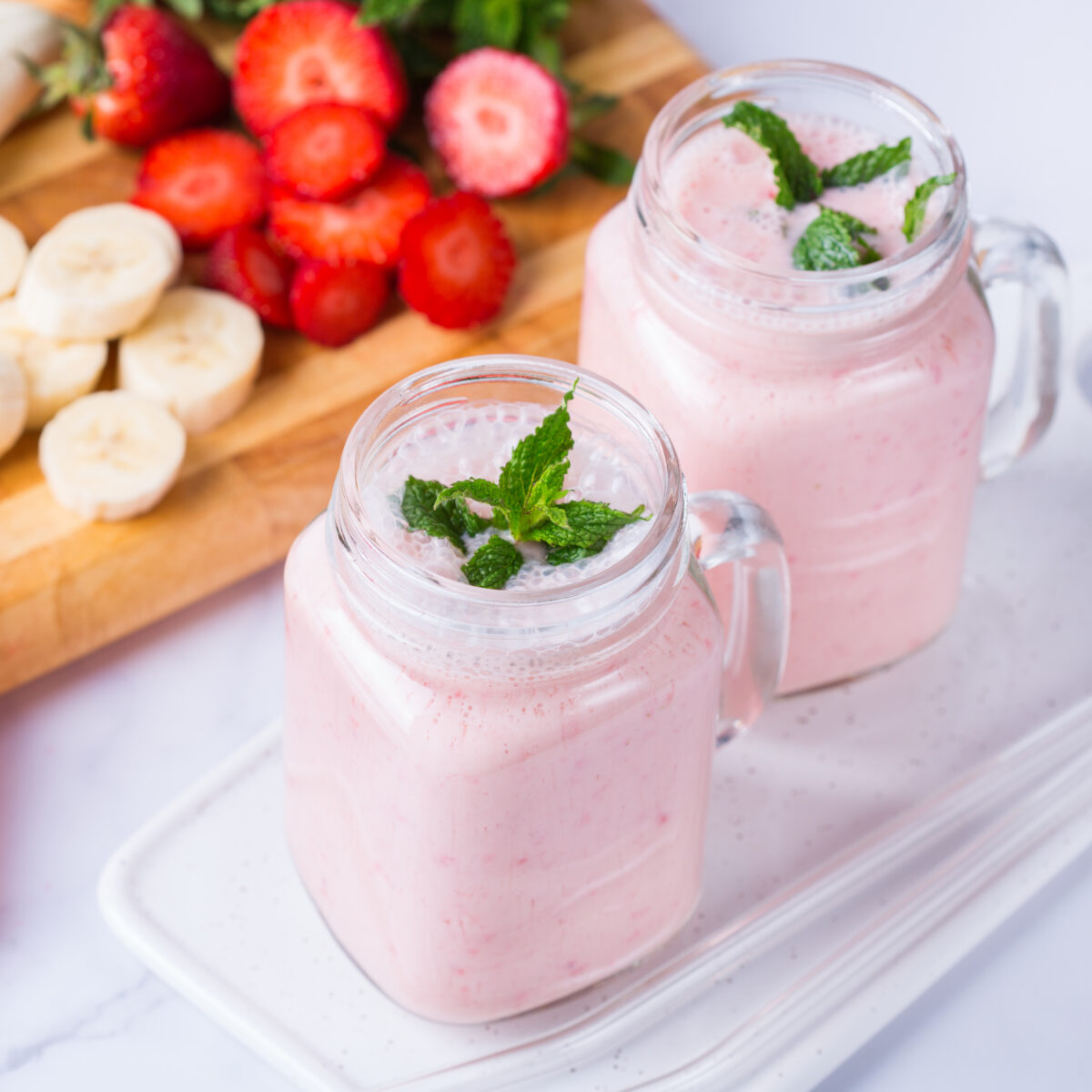
At its most fundamental level, a strawberry smoothie is a masterclass in culinary efficiency. The base ingredients—strawberries, bananas, and yogurt—provide a balanced spectrum of macronutrients. Strawberries offer a significant dose of Vitamin C and antioxidants, while bananas provide the potassium and complex carbohydrates necessary for sustained energy. When bound together by the creamy texture of yogurt, the result is a satiety-inducing snack that stabilizes blood sugar levels better than processed sugary treats.
The Psychology of the "Pretty Pink" Drink
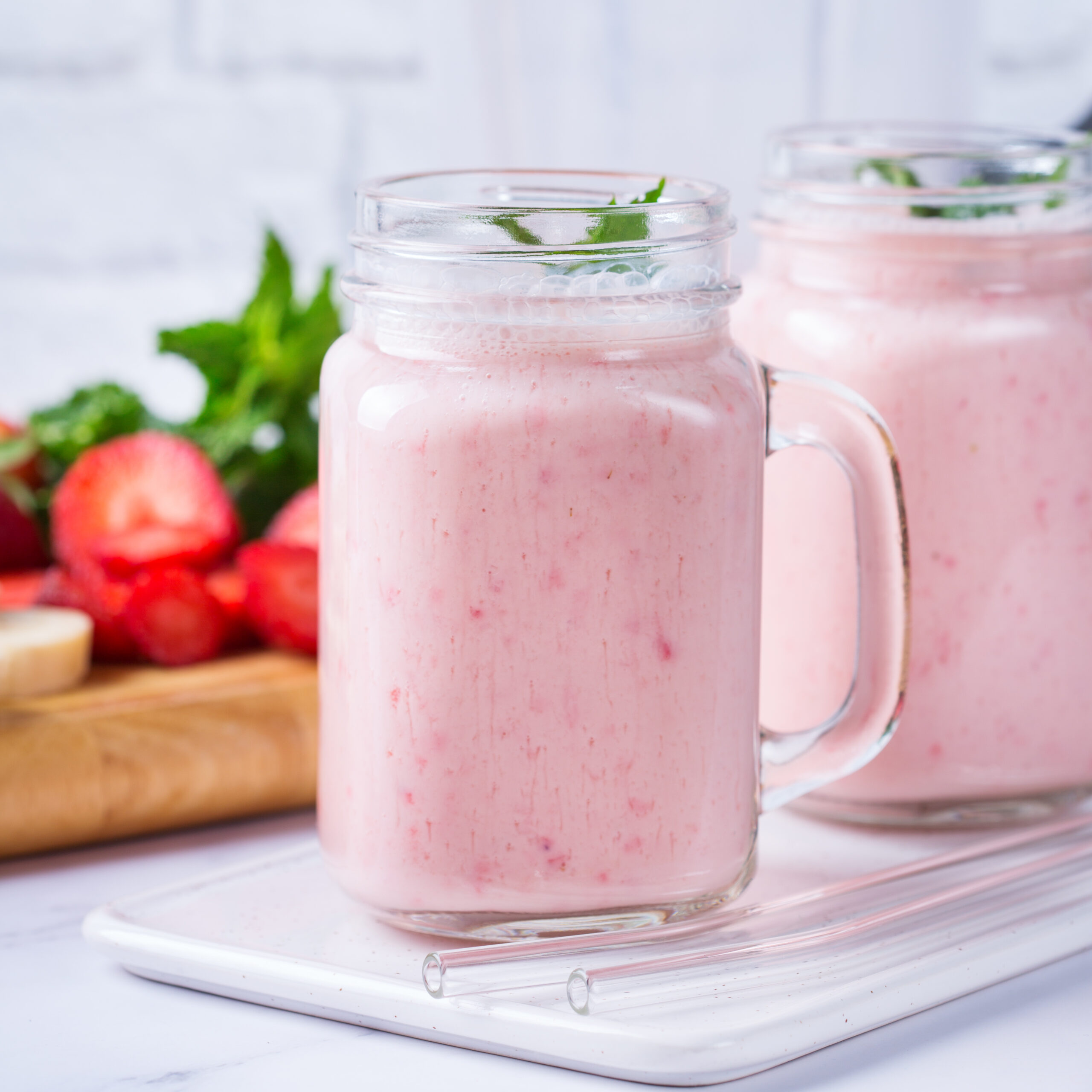
Children are inherently visual eaters. The vibrant, natural pink hue of a strawberry-based smoothie is psychologically appealing, signaling sweetness and fun. Unlike green smoothies, which can be an uphill battle for the uninitiated, the strawberry smoothie acts as a "gateway drink." Once a child associates the flavor profile with pleasure, parents find it significantly easier to introduce secondary ingredients like spinach or kale, which are easily masked by the intense berry flavor.
Chronology of Preparation: A Five-Minute Transformation
The beauty of this recipe lies in its temporal efficiency. In an era where "quick and easy" is not just a preference but a necessity, the five-minute preparation window is a significant advantage.
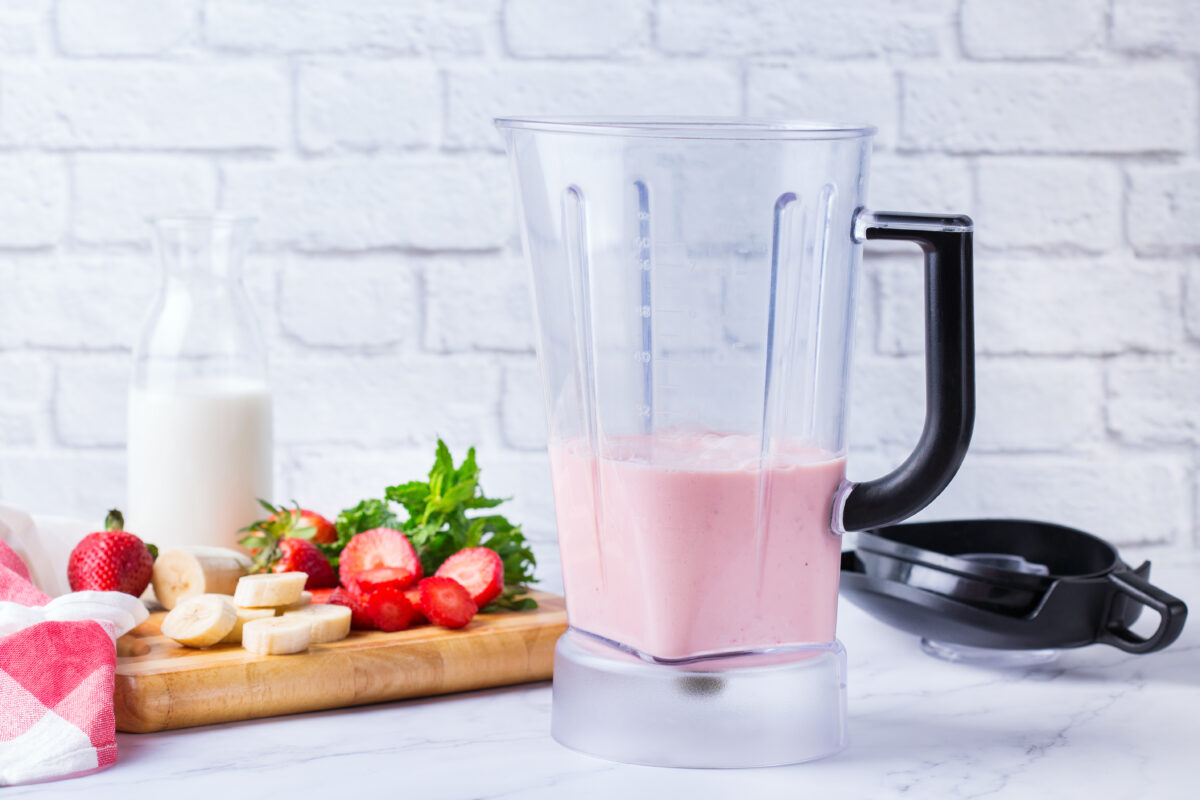
- Phase One: Assembly (0–2 minutes): Gathering frozen strawberries, a ripe banana, and a chosen base of dairy or plant-based milk. The use of frozen fruit is critical; it eliminates the need for ice, which can water down the flavor, and ensures a thick, "milkshake-like" consistency.
- Phase Two: The Blend (2–4 minutes): Modern high-speed blenders allow for the complete emulsification of ingredients. For children with sensory sensitivities, blending for an extra sixty seconds ensures that the strawberry seeds and fibrous elements are fully pulverized, resulting in a perfectly uniform, velvety texture.
- Phase Three: Customization and Serving (4–5 minutes): This is the stage where the base recipe evolves. Whether adding a scoop of protein powder for an athlete, rolled oats for a fiber-rich breakfast, or a handful of greens, this final minute is where the nutritional profile is optimized.
Supporting Data: The Science of Smoothies in Childhood Development
Nutritionists and pediatricians have long championed the smoothie format for children. According to recent pediatric dietary guidelines, the primary hurdle in childhood nutrition is not necessarily a lack of caloric intake, but a lack of nutrient density.
- Hydration: Smoothies are an excellent mechanism for fluid intake, particularly for children who are resistant to drinking plain water.
- Protein Integration: The inclusion of Greek yogurt or plant-based protein powders helps in muscle development and satiety. A standard cup of Greek yogurt can add up to 15-20 grams of protein to a smoothie.
- Fiber Utilization: By blending whole fruits rather than juicing them, children receive the full benefit of dietary fiber, which is essential for digestive health and preventing spikes in glucose.
A study on "Hidden Nutrition" in beverages suggests that when children participate in the blending process, they are 30% more likely to consume the full serving. The act of "making" the smoothie fosters a sense of ownership, which reduces food avoidance behaviors.
Official Perspectives: Expert Insights on Dietary Customization
Leading pediatric dietitians emphasize that the "Strawberry Smoothie" is not a static recipe, but a flexible framework. When asked about the potential for "hidden veggies," experts note that the key is the ratio.
"The goal is to maintain the integrity of the strawberry flavor while slowly increasing the ratio of secondary nutrients," says Dr. Elena Vance, a pediatric nutritionist. "If you start with one leaf of spinach in a double-batch of strawberry-banana smoothie, the taste profile remains unchanged, but the nutrient profile is bolstered. It is about gradual acclimation."
Furthermore, the shift toward dairy-free alternatives has been supported by the American Academy of Pediatrics, provided that parents select fortified plant-based milks. This ensures that even children with lactose intolerance or dairy allergies do not miss out on calcium and Vitamin D, which are traditionally provided by cow’s milk or yogurt.
Implications: The Long-Term Benefits of Healthy Snacking
The implications of adopting a routine of homemade, nutrient-rich smoothies extend far beyond a single snack time. By normalizing the consumption of whole fruits and vegetables in a blended format, parents are actively shaping the future palate of their children.
1. Reducing Reliance on Processed Snacks
By providing a sweet, satisfying, and convenient alternative, parents can significantly decrease their child’s dependence on store-bought snacks that are often laden with refined sugars, artificial dyes, and preservatives.
2. Economic Efficiency
While fresh fruit can be expensive, buying in bulk and utilizing the freezer for storage makes this an economically viable strategy. Frozen strawberries maintain their nutritional content as well as, if not better than, fresh fruit that has been sitting in a refrigerator for several days.
3. Sustainability and Waste Reduction
The smoothie is the ultimate "anti-waste" kitchen tool. Over-ripe bananas that would otherwise be discarded are the perfect sweeteners for a smoothie. Similarly, slightly soft berries are ideal candidates for the blender. This practice encourages a culture of sustainability within the household.
Advanced Variations for Every Household
To keep the menu exciting and prevent "smoothie fatigue," consider these advanced iterations of the classic strawberry base:
- The Power Breakfast: Add a quarter-cup of rolled oats and a tablespoon of almond butter. This creates a balanced breakfast that keeps a child full throughout the duration of a school morning.
- The Immune Booster: Add a teaspoon of chia seeds or flaxseeds. These ingredients are virtually tasteless when blended but provide a massive influx of Omega-3 fatty acids, which are crucial for brain development.
- The Dessert Smoothie: For a treat-like experience, add a hint of vanilla extract or a pinch of cinnamon. This enhances the perception of sweetness without the need for added honey or maple syrup.
Conclusion: A Simple Tool for a Healthier Future
The Strawberry Smoothie is more than just a quick beverage; it is a strategic nutritional intervention. By leveraging the natural appeal of strawberries and bananas, parents can provide a high-quality, dense source of vitamins and minerals that children genuinely enjoy.
As we look toward the future of childhood nutrition, the focus remains on accessibility and simplicity. The ability to customize this base—adding protein, fiber, or hidden vegetables—allows the recipe to grow alongside the child. Whether served as a quick breakfast on a busy Tuesday morning or as a refreshing popsicle on a hot summer afternoon, the Strawberry Smoothie remains an essential component of the modern family’s health toolkit. By investing just five minutes in the kitchen, parents can ensure that their children are not only satisfied but properly nourished, setting the foundation for a lifetime of healthy eating habits.