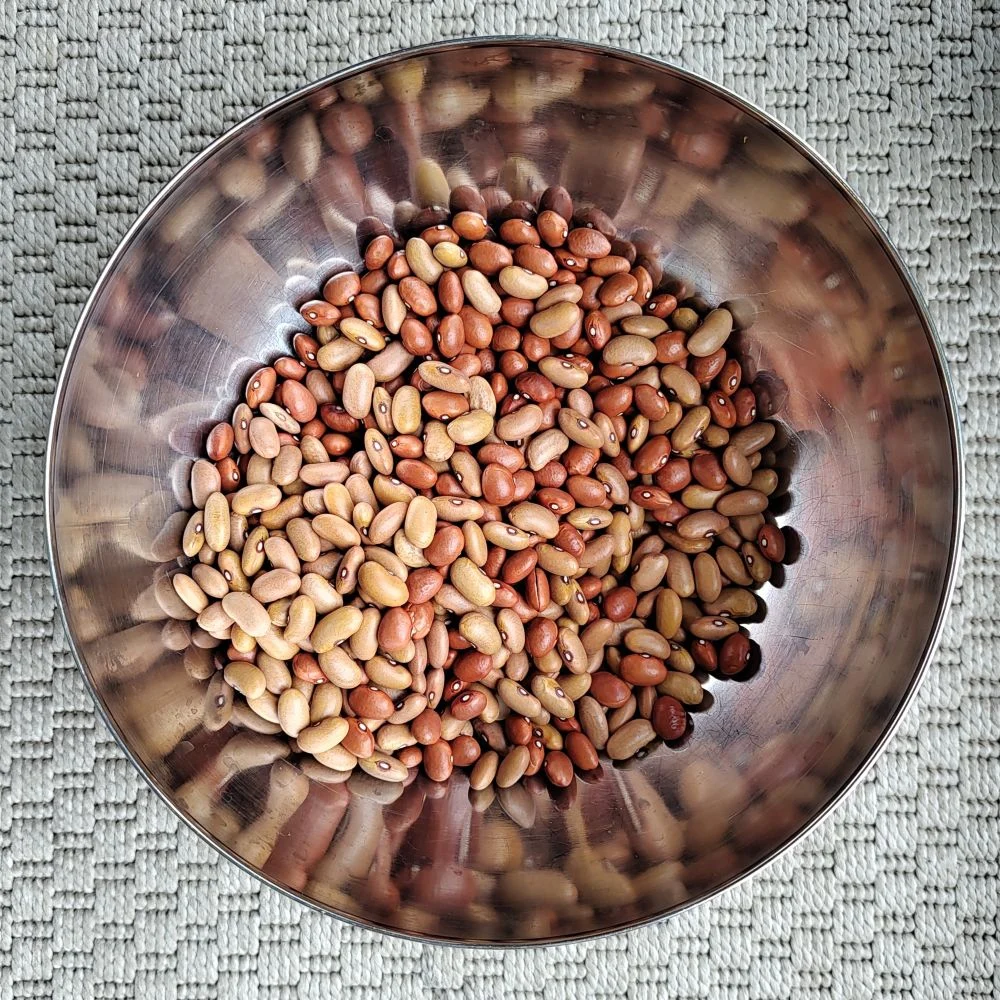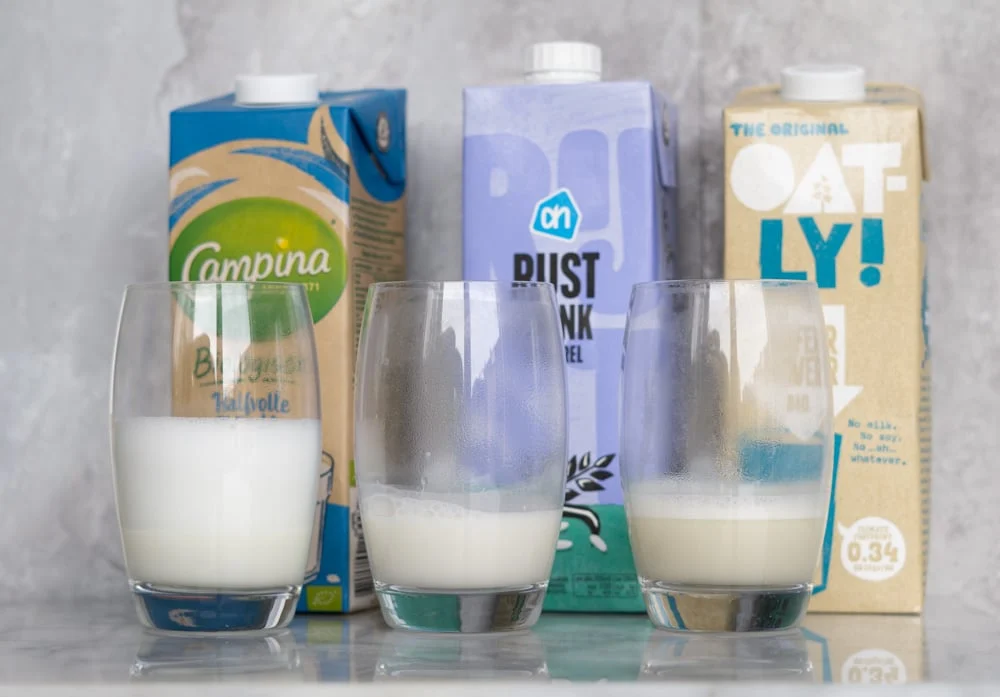
There is a psychological phenomenon known as the Baader-Meinhof effect, or frequency illusion. It occurs when, after learning something new, you suddenly encounter that subject everywhere. For years, I navigated the corporate world, passing hundreds of colleagues in office hallways, their faces blurring into a sea of anonymity. Yet, the moment I struck up a conversation with one of them, I began "running into" that person at every turn.
This same phenomenon gripped me after I completed a course on regenerative food systems at Fresh Ventures in the Netherlands. Suddenly, the landscape of the Dutch food industry shifted. I began to notice a growing cohort of businesses—processors, farmers, and entrepreneurs—quietly dismantling the industrial food model to build something more resilient. To help you spot these pioneers, I have curated a list of Dutch businesses that are proving that food processing can be a force for ecological healing rather than degradation.
Defining the Mission: What is a Regenerative Food System?
To understand the shift occurring in the Netherlands, one must first define the target. In short, a regenerative food system is one that generates a net-positive effect on the planet. While industrial agriculture often extracts value from the earth, leaving behind depleted topsoil and chemical runoff, regenerative agriculture focuses on soil health as the primary metric of success.
Healthy soil is the cornerstone of climate mitigation; it binds carbon, improves water retention, and filters nutrients. However, farming is only the first step. If we are to transition to a truly sustainable model, the processing sector—the "middle" of the food chain—must evolve. Processing turns raw crops into stable, consumable goods, and the innovators below are proving that this middle ground can support, rather than undermine, the health of our planet.
Chronology of a Movement: From Extraction to Integration
The transition toward regenerative food systems in the Netherlands did not happen overnight. It began as a niche interest among small-scale organic farmers, gained momentum through grassroots education, and has now evolved into a burgeoning ecosystem of "vertically integrated" businesses.
- The Early Phase (Pre-2015): A focus on "Farm-to-Table" dining, where the primary innovation was simply shortening the distance between the soil and the consumer.
- The Integration Phase (2015–2020): Farmers began to realize that selling raw commodities was not financially viable. This period saw the rise of on-farm processing, such as mills and small-batch production facilities.
- The Collaborative Phase (2020–Present): We are currently witnessing a shift toward "ecosystem building," where startups, specialized processors, and retail platforms form complex, transparent networks to bring regenerative products to the mass market.
Supporting Data: Why Processing Matters
The food industry is famously fragmented. Critics often argue that small-scale regenerative farming cannot feed the world. However, data from organizations like Eara suggests that when regenerative practices are combined with efficient, localized processing, the economic and environmental outcomes are profound.
Soil sequestration potential in the Netherlands is high, but the lack of "mid-scale" processing infrastructure remains a bottleneck. Currently, most industrial processors are built for high-volume, uniform crops. Regenerative farms, which often prioritize biodiversity, require more flexible, smaller-scale processing solutions. The companies listed below are bridging this gap, proving that regenerative food systems can be both profitable and scalable.

Category Analysis: Innovators in the Dutch Landscape
To provide a framework for how we can transform our food, I have categorized these innovators based on their operational model.
1. Farm + Processing: Vertical Integration
We cannot expect the modern farmer to be a master of everything—farming, marketing, processing, and distribution. Nevertheless, some farms are embracing vertical integration to ensure their produce doesn’t go to waste.
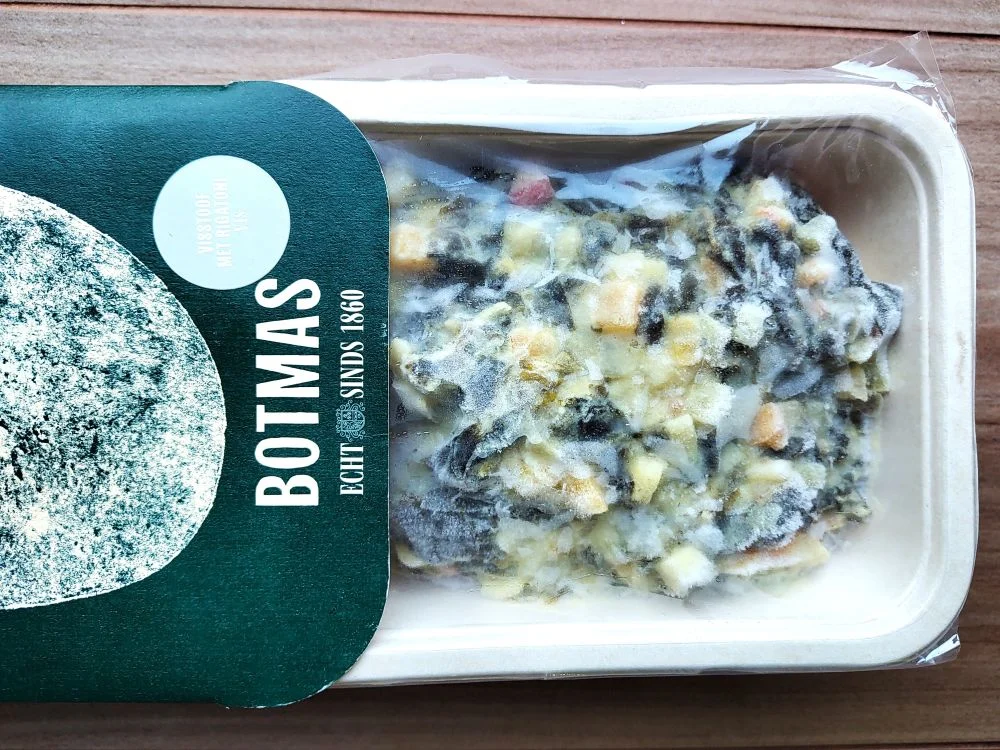
- Botmas: This family farm has expanded into the frozen meal sector. By processing their own surplus vegetables into nutritious, ready-to-eat rigatoni dishes, they solve the problem of seasonal gluts while ensuring a year-round revenue stream.
- Graanbroeders: They demonstrate the value of keeping processing local. By growing grains regeneratively and milling them on-site using traditional stone mills, they provide bakeries and consumers with a product that retains more nutrients and flavor than industrial white flour.
- Tomasu: Perhaps the most surprising success story, Tomasu produces authentic soy sauce in the Netherlands. By growing their own non-GMO, regenerative crops and using ancient brewing techniques, they have turned a global commodity into a high-end, locally sourced craft product.
2. Farm + Gastronomy: The Culinary Connection
Regenerative agriculture yields high-quality ingredients that chefs crave. Merging the farm with the restaurant creates a feedback loop that rewards the farmer for biodiversity.
- Vaderland: Transitioning from traditional dairy to a vegetable-and-grain-focused model, Vaderland utilizes their own produce in an on-site restaurant. Their model, which includes farm tours and catering, creates a "closed-loop" experience that educates the consumer about the soil while they eat.
3. Farm + Connection: The Collaborative Network
Regenerative agriculture is a team sport. Because no single farm can do it all, these businesses focus on building bridges between producers and local institutions.
- Biesterhof: A standout example of community-led development. Biesterhof works with local pasta producers, mills, and even hospitals to create a regional food web that prioritizes regenerative supply chains over global industrial ones.
4. Specialized Processing Facilities
Sometimes, a crop needs to be cleaned, milled, or transformed before it reaches the kitchen. These companies focus purely on the "processing" technicality, allowing farmers to focus on the land.
- Gabanna Foodworks: They specialize in processing regeneratively grown, ancient, and heirloom grains into high-quality pasta. Their investment in internal R&D ensures that the health benefits of the soil-grown ingredients are preserved in the final product.
- Mill Republic: A startup tackling the "infrastructure gap." They are designing processing solutions specifically for the small batches produced by regenerative farms, which are often rejected by large-scale, automated industrial mills.
5. Processing + Sales: Simplifying the Chain
For many farmers, the barrier to entry for the retail market is the complexity of logistics and packaging.
- Grutto: By taking on the role of the butcher, packager, and distributor, Grutto connects regenerative meat farmers directly to consumers. Their transparent, tech-enabled supply chain ensures the farmer is paid fairly while the consumer receives a high-quality product.
6. Product Development + Sales: Branding the Future
Expertise in branding and product development is a distinct skill set. These companies allow farmers to remain focused on the earth while they handle the market.

- Wilderland: Focusing on tea and herbal products, Wilderland sources from regenerative farmers who grow niche, biodiversity-boosting crops. They act as the "creative engine," turning complex agricultural products into consumer-friendly brands.
Official Responses and Industry Implications
The rise of these companies has not gone unnoticed. In policy circles, there is an increasing conversation about "short supply chains." The European Union’s Farm to Fork strategy, while often debated, has laid the groundwork for subsidies that favor ecological restoration.
However, the industry faces significant hurdles. Official representatives from the conventional food sector have historically argued that decentralization leads to inefficiencies. Yet, the companies mentioned above are proving that efficiency is not just about speed; it is about resilience. By shortening the chain, these businesses are less vulnerable to global price shocks and supply chain disruptions.
The implication for the future is clear: we are moving toward a hybrid model. We do not need to abandon modern technology, but we must pivot it toward ecological stewardship. As Eara reports indicate, the transition to regenerative systems is not just an environmental imperative; it is an economic opportunity for farmers to capture a higher percentage of the retail price.
Conclusion: A Working Document
This list is far from exhaustive. It is a living, breathing document—a snapshot of a movement in motion. I invite you to explore these websites, taste these products, and, if you encounter other processors leading the charge, please reach out.
If you are looking for a comprehensive map of regenerative farmers in the Netherlands, I highly recommend consulting the We Are The Regeneration map. And for those skeptical about whether this model can truly feed the world, the research presented by Eara may fundamentally alter your perspective on the future of agriculture.
We are at a turning point. By shifting our attention to the "middle" of the food chain—the processors and the bridge-builders—we can start to notice a new, healthier system emerging all around us. The Baader-Meinhof effect has never been more welcome.