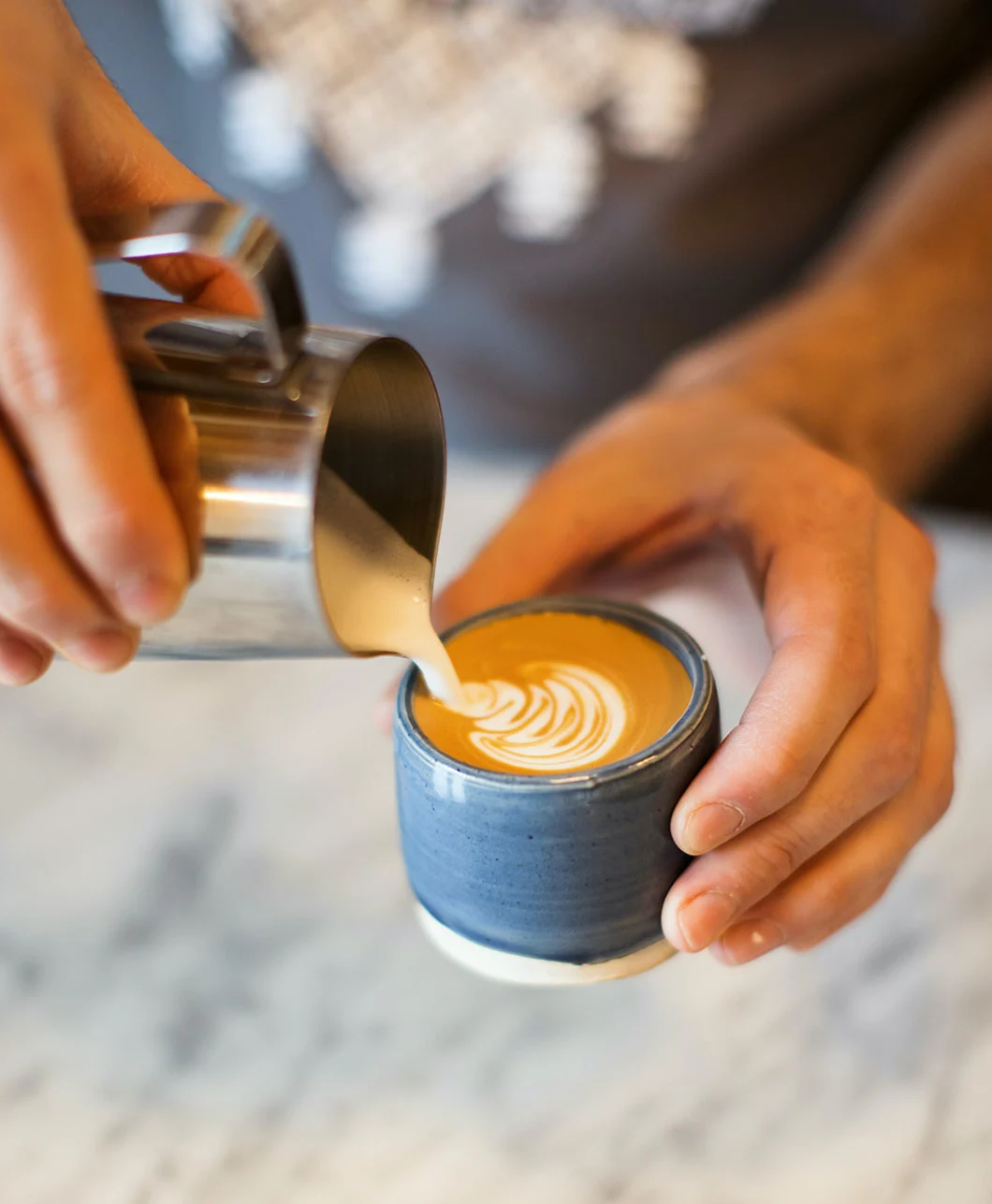
For decades, the ritual of the morning coffee was defined by a binary choice: the utilitarian drip coffee at home or the premium, often overpriced, latte from a local coffeehouse. However, a seismic shift in home-barista culture is currently underway. Driven by a desire for personalization, cost-efficiency, and a burgeoning interest in mixology-inspired coffee craft, consumers are turning their kitchens into high-end cafes.
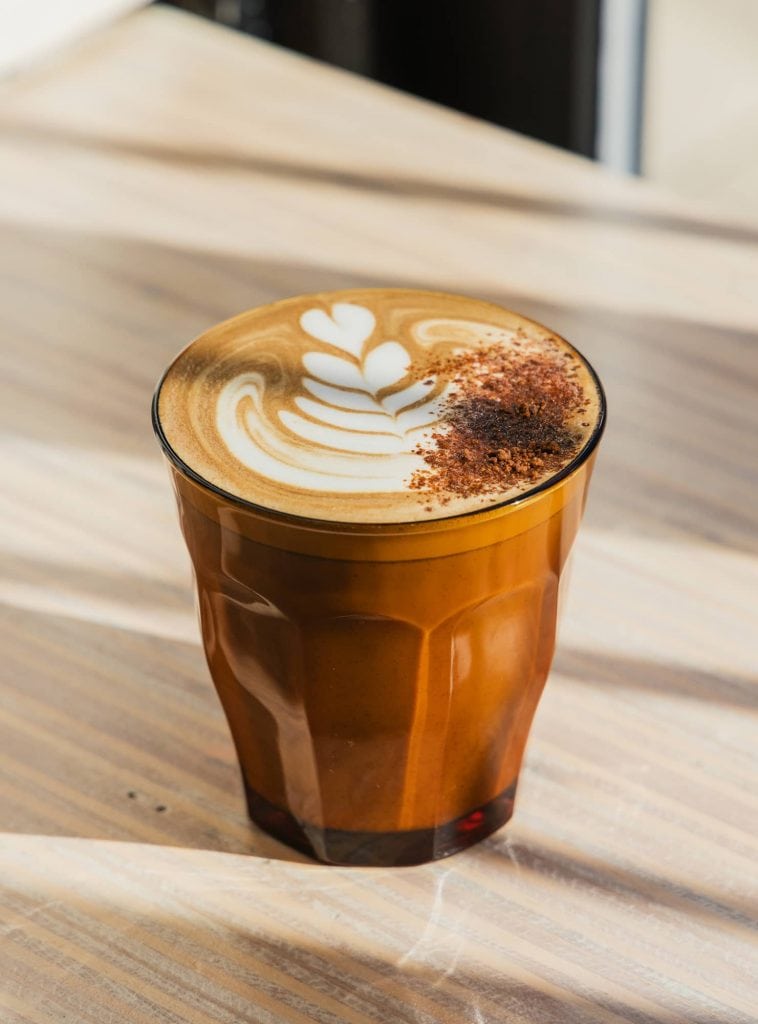
The modern coffee drinker is no longer satisfied with simple milk and espresso. Today’s home-brewed lattes are being redefined by complex syrups, housemade foams, and avant-garde flavor profiles that push the boundaries of what a morning caffeine fix can be. From the spicy depths of a cherry-chili-cacao infusion to the nostalgic decadence of a strawberry cheesecake iced latte, the craft coffee movement has officially come home.
The Evolution of the Morning Ritual: Main Facts
The transition from "simple caffeine intake" to "sensory experience" marks a significant shift in consumer behavior. Data indicates that as retail coffee prices have climbed, consumers are investing more in high-quality home equipment—such as manual espresso machines, precision grinders, and milk frothers. This investment has been paired with a surge in interest for "third-wave" coffee education.
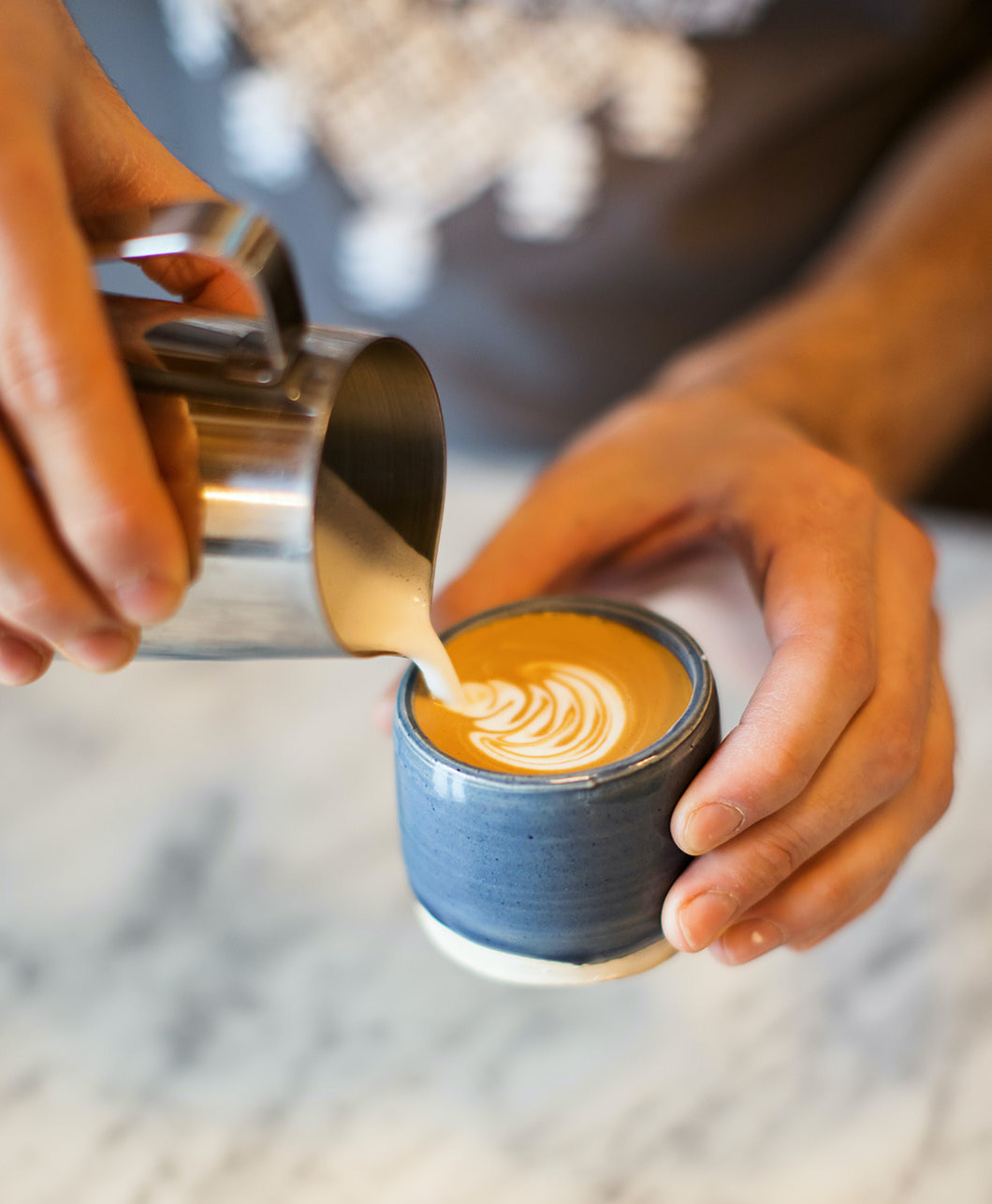
The core of this trend lies in the "latte architecture"—a concept that breaks the drink down into three distinct layers: the base (espresso or concentrated cold brew), the body (milk or plant-based alternative), and the crowning jewel (the foam or flavoring). By mastering the chemistry of these layers, home enthusiasts are creating drinks that rival those found in the world’s most prestigious specialty cafes.
A Chronology of the Craft Coffee Boom
The rise of the "prosumer" barista did not happen overnight. Its history is tied to several critical milestones in the culinary world:
- 2010–2015: The Specialty Rise: The proliferation of specialty coffee shops introduced the average consumer to single-origin beans, oat milk, and the art of latte foam. This set the standard for what a "good" cup of coffee should taste like.
- 2020–2021: The Home-Bound Shift: During the global pandemic, coffee enthusiasts were forced to replicate the cafe experience within their own four walls. This period saw a massive uptick in sales of home espresso machines and DIY syrup experimentation.
- 2022–2023: The Viral "Foam" Craze: Social media platforms like TikTok and Instagram propelled "cold foam" to stardom. What began as a simple topping evolved into complex, flavored concoctions like cheesecake, salted caramel, and even fruit-infused foams.
- 2024–Present: The Mixology Convergence: We are currently in the era of the "barista-mixologist," where traditional cocktail techniques—such as smoking spices, clarifying juices, and using botanical syrups—are being applied directly to the coffee cup.
Supporting Data: Why Consumers are Brewing at Home
According to recent market analysis in the specialty beverage sector, home coffee preparation has seen a sustained year-over-year growth of approximately 14%. Several factors contribute to this shift:
- Economic Efficiency: With premium lattes at boutique shops now frequently exceeding $7.00, a home-based setup pays for itself within six to eight months.
- Ingredient Transparency: Home brewers have full control over the quality of their milk, the origin of their coffee, and the purity of their syrups—avoiding high-fructose corn syrup and artificial preservatives often found in mass-market chains.
- Creative Agency: The ability to tailor a drink—such as adding a pop of orange zest to a brown sugar cinnamon latte or balancing turmeric with ginger—allows for a level of customization that is impossible to request at a busy commercial counter.
Exploring the New Wave of Recipes
The current landscape of latte innovation is defined by a commitment to bold, unexpected flavor profiles.
1. The Spice-Forward Revolution
- Cherry Chili Cacao Latte: This drink leverages the classic "mole" flavor profile, utilizing the acidity of cherries, the gentle heat of chili, and the earthy depth of cacao to elevate a standard shot of espresso.
- Never Coffee Lab’s Holy Grail: A testament to the power of functional ingredients, this latte uses a turmeric-ginger syrup that provides an invigorating, anti-inflammatory kick, perfect for starting the morning with clarity.
2. The Comfort and Nostalgia Category
- Happy Camper: A masterpiece by Be Bright Coffee, this drink pairs maple and vanilla with a finishing sprinkle of smoked sea salt. It evokes the feeling of a quiet morning in the woods, proving that simple, high-quality ingredients can create profound comfort.
- Lutito Cinnamon Latte: This recipe takes a familiar spice and elevates it through a brown sugar syrup infused with fresh orange zest. The zest cuts through the richness of the milk, providing a bright, citrusy finish that lingers on the palate.
3. The Decadent and Experimental
- Strawberry Cheesecake Iced Latte: Perhaps the most "extra" of the lot, this drink replaces standard milk with strawberry-infused dairy, topped with a housemade cheesecake foam. It represents the "dessert-coffee" crossover that has become a staple of modern weekend indulgence.
- Honey Bourbon Latte: Utilizing a whiskey syrup seasoned with cardamom, cinnamon, and honey, this drink bridges the gap between a morning pick-me-up and an evening cocktail, perfect for a slow, weekend brunch.
- Chicory Cream Latte: Drawing inspiration from traditional Indian coffee drinks and New Orleans history, this beverage utilizes the buttery texture of chicory to create a drink that is deep, dark, and exceptionally smooth.
Official Industry Responses and Expert Perspectives
Industry experts have noted that this shift is not merely a passing trend but a permanent change in consumer expectations. "The consumer of today is more educated than ever," says Maria Valez, a lead educator at a major specialty coffee institute. "They know the difference between a high-quality syrup made from real vanilla bean and the bottled alternatives. When you see a home barista making a cheesecake foam from scratch, you aren’t looking at a hobbyist; you’re looking at a culinary artist."
Coffeehouse owners, once wary of home-brewers, are beginning to embrace the movement by selling their proprietary beans and housemade syrups directly to customers. This symbiotic relationship ensures that while the preparation happens at home, the expertise remains rooted in the professional community.

The Implications: What This Means for the Future
The implications of this home-brewing revolution are manifold:
- Supply Chain Impacts: As home brewers demand higher-quality beans, the supply chain for specialty, single-origin coffee is likely to see increased pressure and, consequently, more investment in ethical farming practices.
- Retail Evolution: Commercial coffee shops will likely need to pivot toward offering "experiences" that cannot be easily replicated at home, such as advanced brewing methods (e.g., siphon coffee), educational workshops, and highly curated social environments.
- The "Barista-at-Home" Equipment Market: Expect to see a rise in modular, high-performance, and aesthetically pleasing equipment. The kitchen counter is the new showroom floor.
Conclusion: The Kitchen as a Third Space
The kitchen is no longer just a place to prepare food; for the modern coffee enthusiast, it has become a "third space"—a creative laboratory where the day begins with innovation. Whether you are whisking up a batch of cheesecake foam or slow-simmering a honey-bourbon syrup, the act of making a latte at home has transformed into a ritual of self-care and artistic expression.
As we move forward, the boundaries between the professional cafe and the domestic kitchen will continue to blur. By mastering these simple, DIY-friendly recipes, anyone can move beyond the standard coffeehouse trend and claim the title of home barista. The next time you find yourself reaching for a coffee-shop menu, consider the possibilities waiting in your own pantry. After all, the best cup of coffee is often the one you make yourself.