In the vast, standardized aisles of the modern Dutch supermarket, the culinary landscape is often dominated by a handful of high-yield, mass-produced staples. Among the legumes, the common brown bean reigns supreme, a reliable constant in kitchens from Groningen to Zeeland. Yet, tucked away in the pockets of specialty farmers and local food cooperatives lies a hidden gem of Frisian heritage: the Giele Wâltbeantsje.
This article explores the narrative of this heirloom legume—a bean that challenges the monoculture of the modern grocery shelf and invites us to reconsider the value of biodiversity in our diets.
Main Facts: The Anatomy of an Heirloom
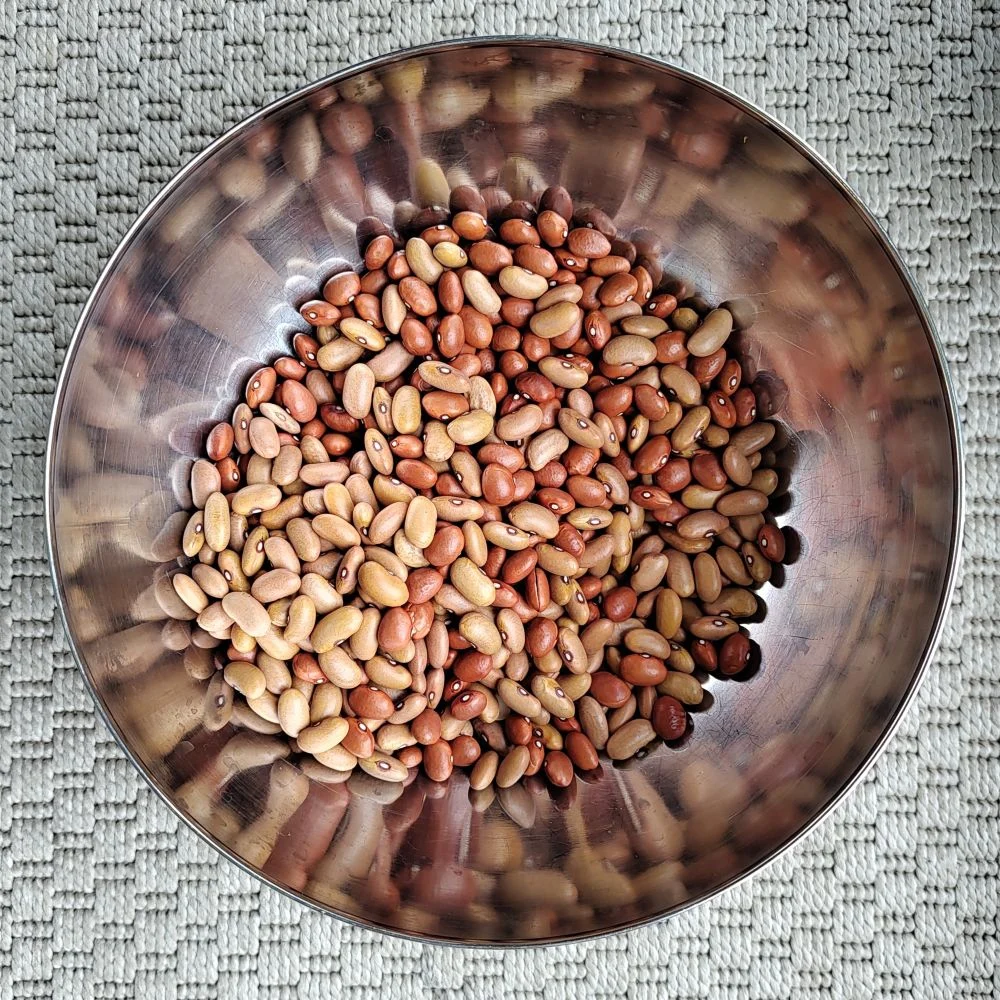
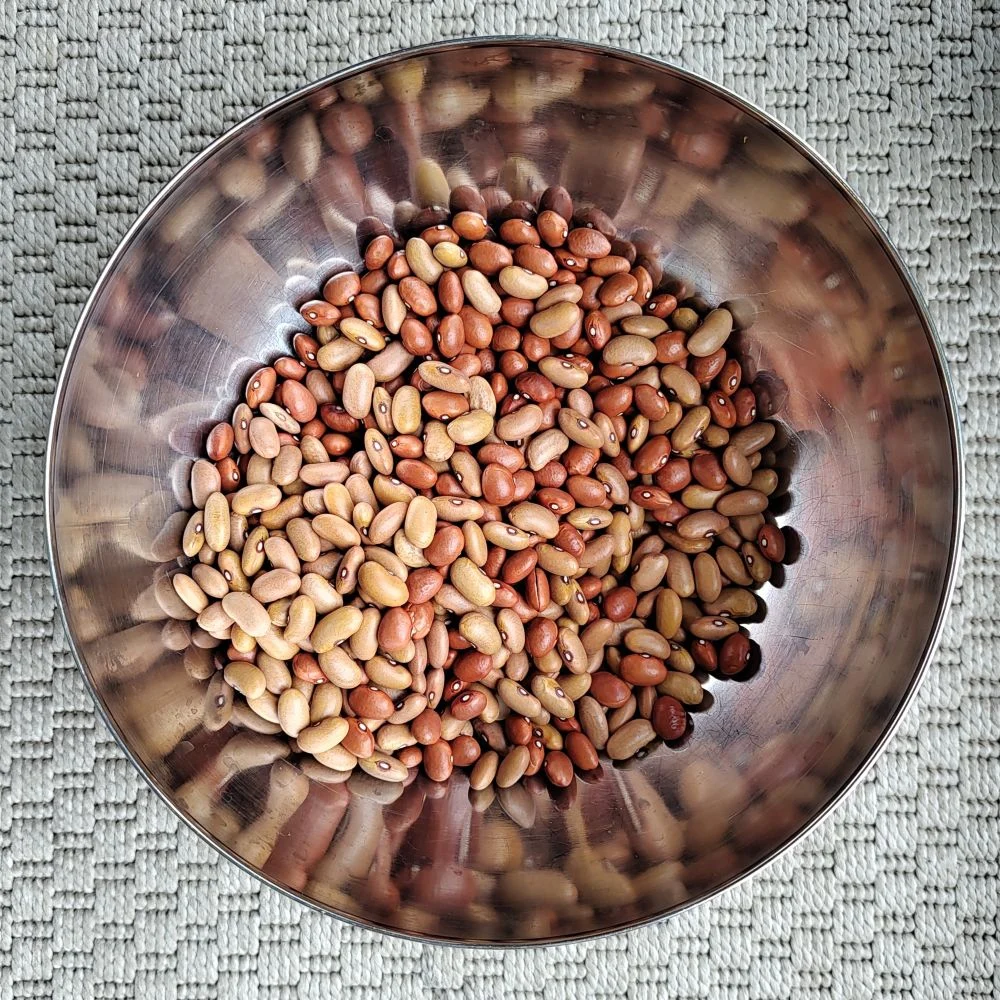
The Giele Wâltbeantsje (literally translated from West Frisian as "Yellow World Bean") is a unique variety of Phaseolus vulgaris. Visually, it is distinguished by a pale, golden-yellow hue that transitions into a rich, earthy brown once cooked. While it shares a striking morphological resemblance to its more famous cousin, the brown bean, it is noticeably larger and possesses a distinct, creamier texture that sets it apart in culinary applications.
Unlike industrial beans, which are bred for mechanical harvesting efficiency and standardized appearance, the Giele Wâltbeantsje is an heirloom variety. Its primary characteristics include:
- Heritage: Deeply rooted in Frisian agricultural history.
- Cultivation: While traditionally Frisian, modern, sustainable growers—such as the Dutch cooperative Ekoto—have successfully cultivated the crop in regions like Brabant, proving its adaptability to varying soil types.
- Shelf-Life: As a dried legume, it is exceptionally durable, capable of being stored for years if kept in a cool, dry environment, making it a sustainable pantry staple.
- Culinary Versatility: Beyond standard soups and stews, its nutty profile makes it a candidate for unconventional uses, including bean-based desserts.
Chronology: From Frisian Fields to Modern Kitchens
The history of the Giele Wâltbeantsje is one of quiet persistence. For generations, this bean was a staple of self-sufficient Frisian households. However, the mid-20th century marked a pivot toward intensive industrial agriculture. As the European market began to favor high-volume crops that could withstand mechanical processing, the Giele Wâltbeantsje began its retreat from the mainstream market.
- Early 20th Century: The bean serves as a primary protein source for rural families in Friesland, prized for its ability to be dried and stored through harsh winters.
- 1960s–1990s: The "Green Revolution" and the rise of supermarket giants prioritize efficiency. The Giele Wâltbeantsje, which lacks the aggressive marketing and standardized growth patterns of the brown bean, is relegated to seed-saving circles and small-scale farms.
- 2010s–Present: A resurgence in interest regarding local food sovereignty and heirloom varieties begins to gain traction. Organizations like Ekoto emerge, focusing on ecological transparency and the preservation of rare crops.
- 2024–2026: Through digital storefronts and specialty grocers, the bean finds a new, tech-savvy audience, transitioning from a regional curiosity to a gourmet ingredient for home cooks interested in biodiversity.
Supporting Data: Why Biodiversity Matters in Legumes
The dominance of the brown bean is not necessarily a testament to superior flavor, but rather a reflection of the "marketability" of the crop. Agronomic data suggests that heirloom varieties often face hurdles in the commercial supply chain:
- Yield Consistency: Modern varieties are selected for uniform ripening, allowing for a single-pass harvest. Heirloom beans often ripen over a longer period, requiring more labor-intensive manual or phased harvesting.
- Marketing Budgets: The brown bean benefits from decades of established demand. The Giele Wâltbeantsje requires consumer education, which adds a layer of "hidden cost" to its distribution.
- Nutritional Profile: While specific comparative nutritional studies on the Giele Wâltbeantsje are still emerging, heirloom legumes are frequently found to have higher mineral density and phytonutrient content compared to their hyper-processed counterparts, due to the lack of over-breeding for aesthetic uniformity.
Culinary Resilience: A Test of the Bean
A fascinating aspect of the Giele Wâltbeantsje is its unexpected resilience in the kitchen. Traditional culinary wisdom dictates that dried beans must be soaked for 8 to 12 hours to ensure proper hydration and even cooking. However, recent anecdotal evidence from home kitchens—including the accidental discovery by the Food Crumbles community—suggests that this bean is far more forgiving than experts claim.
When subjected to the high-pressure environment of a pressure cooker without prior soaking, the Giele Wâltbeantsje not only holds its structure but maintains an optimal texture. This trait is invaluable for the modern home cook, who may lack the foresight to plan meals twenty-four hours in advance. Whether it is incorporated into a traditional chili con carne or used as a base for black-bean-style brownies, the bean’s ability to absorb flavors while maintaining its own integrity marks it as a top-tier ingredient.
Official Responses and Perspectives
Experts at the intersection of agriculture and gastronomy, such as the team at Ekoto, view the Giele Wâltbeantsje as more than just food; it is a piece of cultural preservation.
"When we choose to grow a variety like the Giele Wâltbeantsje," notes a spokesperson from the cooperative, "we are opting out of the narrow genetic funnel that modern agriculture has created. By choosing these beans, the consumer is effectively funding the protection of genetic diversity. Every time someone buys a bag of these, they are ensuring that the variety remains in existence for another growing season."
Furthermore, chefs who have begun to experiment with the bean highlight its unique mouthfeel. Unlike the brown bean, which can occasionally become mealy or disintegrate into a paste, the Giele Wâltbeantsje retains a subtle "bite," making it ideal for high-end culinary applications where texture is paramount.
Implications: The Future of the Heirloom Market
The rise of the Giele Wâltbeantsje carries significant implications for the future of the Dutch food system:
1. The Decentralization of Food
The fact that this bean is easier to find online or in specialty shops than in mass-market supermarkets suggests a shift in power. Consumers are increasingly willing to bypass traditional retail channels to source products that align with their values regarding taste and heritage.
2. Genetic Security
Climate change poses a threat to monocultures. Relying on a handful of bean varieties makes the global food supply vulnerable to specific pathogens. By maintaining and growing diverse varieties like the Giele Wâltbeantsje, farmers are building a "genetic insurance policy" for the future of agriculture.
3. A Call to Experimentation
The suggestion that this bean can be used in brownies—a radical departure from the traditional soup-and-stew profile—highlights a growing trend of "creative utilization." As consumers become more experimental, the demand for ingredients that offer both traditional reliability and modern novelty will likely increase.
Conclusion
The Giele Wâltbeantsje is a quiet survivor. It has weathered the transition from a staple of the Frisian countryside to a niche specialty product, and it now stands at the precipice of a culinary revival. It asks us to look past the label of the mass-produced brown bean and consider the story behind our food.
In a world of increasing standardization, the "Yellow World Bean" serves as a delicious, versatile, and historically significant reminder that there is always room for diversity on our plates. Whether you are a fan of traditional stews or an adventurous baker looking to experiment with legume-based desserts, this bean offers a taste of the past with the versatility required for the future. The next time you find yourself browsing for pantry staples, consider reaching for something that has a story to tell—your palate, and the farmers who preserve these varieties, will thank you.