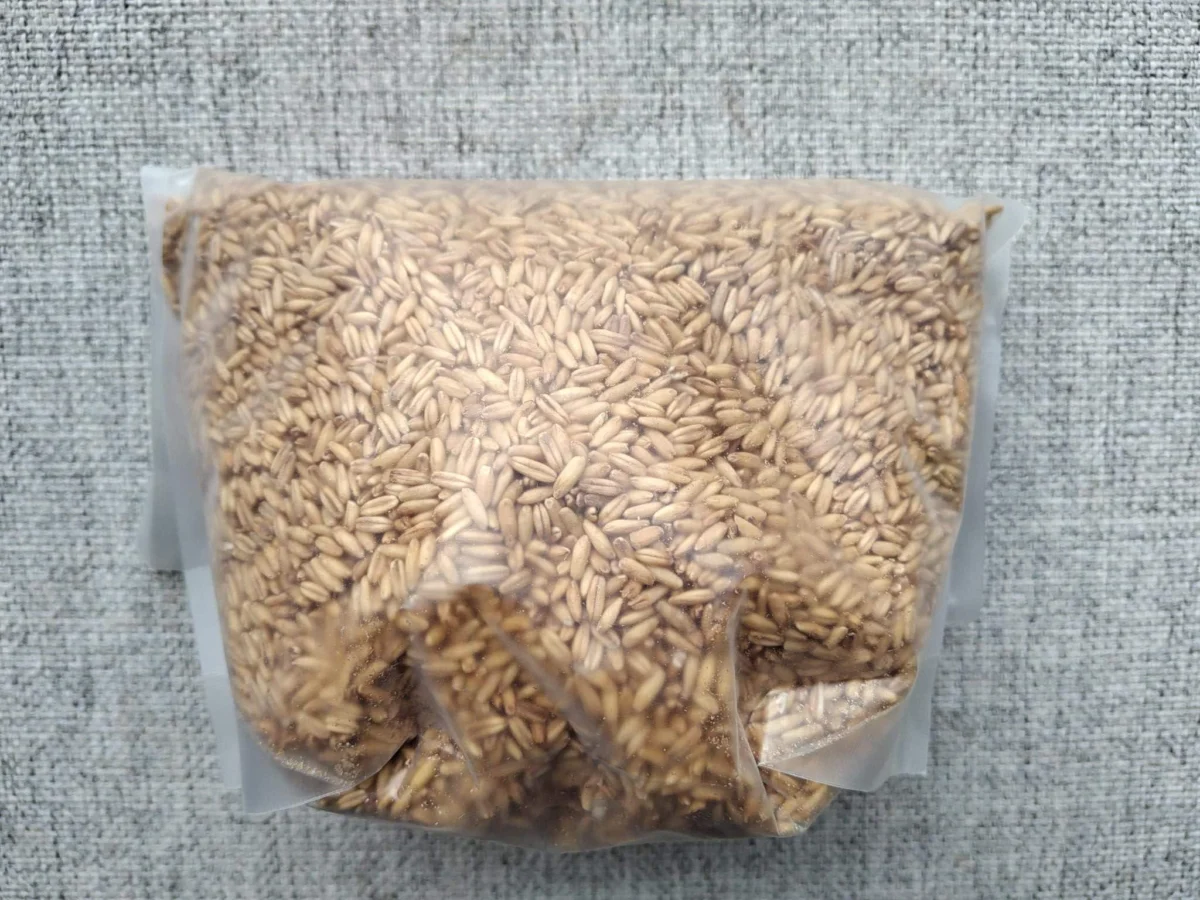
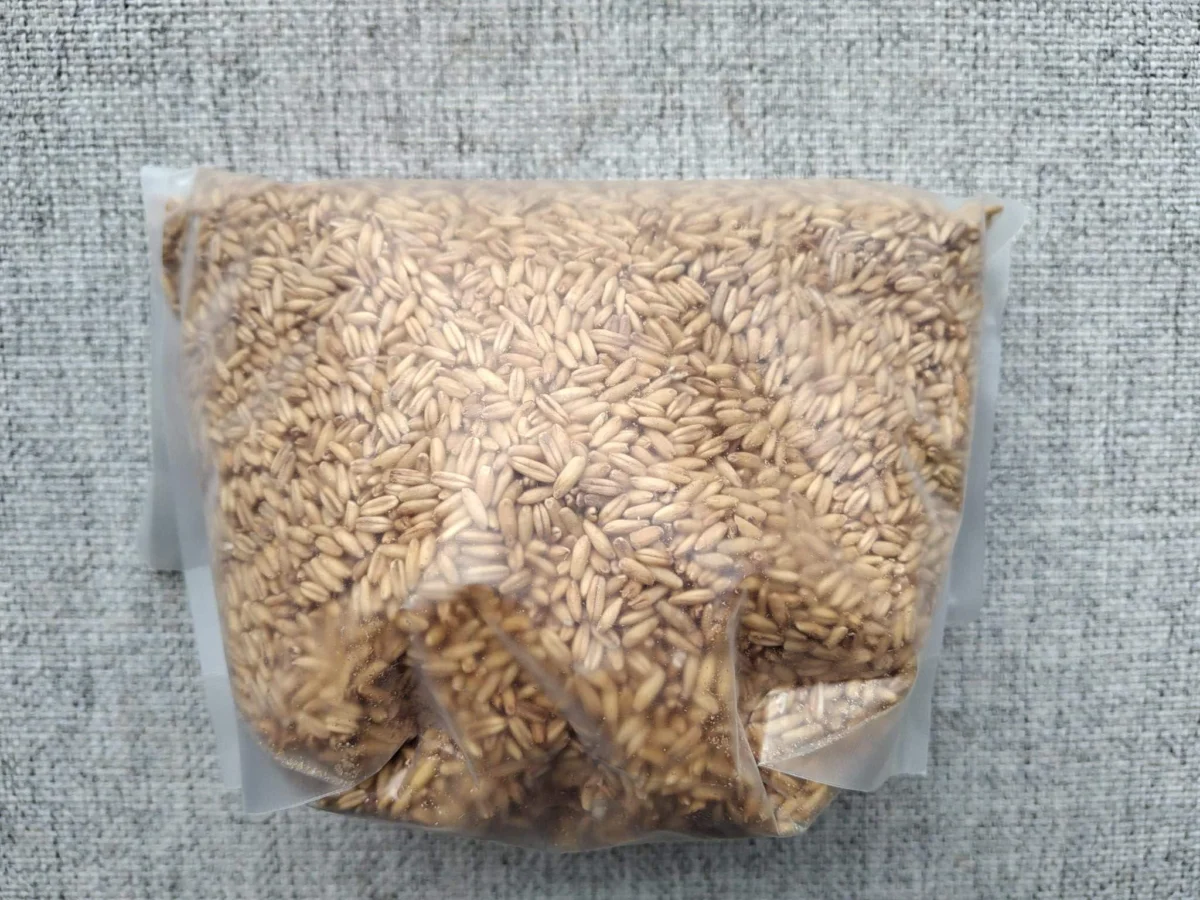
In the landscape of modern agriculture and global gastronomy, a quiet revolution is taking place beneath the soil. While the world remains fixated on traditional staples like Arborio rice or common wheat, a specialized, ancient, and highly efficient grain is waiting in the wings: Avena nuda, colloquially known as "naked oats."
With a natural anatomy that eliminates the need for labor-intensive de-husking and a nutritional profile that rivals modern superfoods, naked oats represent a potential paradigm shift for sustainable farming and home cooking. However, as with any disruptive ingredient, the path to the dinner plate is fraught with culinary challenges—specifically, the matter of time.
Main Facts: What is Avena Nuda?
Unlike common oats (Avena sativa), which are encased in a tough, inedible hull that must be mechanically removed during processing, Avena nuda possesses a loose husk that sheds naturally during the threshing process. This biological quirk is not merely a botanical curiosity; it is a significant efficiency booster.
The Nutritional Advantage
Naked oats are, quite literally, stripped for performance. Because they are not subjected to the aggressive hulling processes that can strip away the nutrient-dense outer layers of other grains, they retain a higher concentration of proteins, healthy fats, and beta-glucan fiber. They provide a nutty, robust flavor profile that adds depth to dishes—a characteristic that has recently piqued the interest of chefs experimenting with plant-forward, sustainable menus.
Agricultural Resilience
For the farmer, naked oats are an ideal candidate for crop rotation and soil health. They establish deep, firm root systems early in the season, which helps in soil stabilization and carbon sequestration. They are hardy, resilient, and require less post-harvest energy to refine, making them an environmentally sound choice in an era where carbon footprints are under intense scrutiny.
Chronology: From Field to Frying Pan
The journey of the naked oat into the modern kitchen is a story of trial and error. Recent experiments in home kitchens have highlighted both the promise and the peril of substituting this grain for traditional risotto rice.
- Pre-Harvest: Avena nuda thrives in cooler climates, requiring careful planting to ensure the early root development that makes it such a soil-friendly crop.
- Threshing: Unlike traditional varieties, the "naked" attribute allows for a cleaner, simpler threshing process. Once the stalks are harvested, the grain separates from the husk with minimal mechanical intervention.
- The Kitchen Experiment: In recent culinary tests, home cooks have attempted to use naked oats as a direct substitute for high-starch risotto rice. In one documented case, a cook replaced standard Carnaroli rice with Avena nuda to create a "risotto."
- The Boiling Point: The experiment revealed a stark reality. While the resulting dish possessed a superior depth of flavor and a satisfying texture, it required over 45 minutes of constant monitoring and liquid addition. This is more than double the cooking time of traditional arborio rice, raising questions about consumer viability.
Supporting Data: The Efficiency Gap
The primary barrier to the mainstream adoption of naked oats is not flavor, but rather the "patience factor." Data suggests that modern consumers prioritize convenience. With standard risotto rice taking approximately 18–20 minutes to achieve the desired al dente texture, a 45-minute commitment for a bowl of oats is a significant hurdle.
Comparative Analysis
| Feature | Traditional Risotto Rice | Naked Oats (Avena Nuda) |
|---|---|---|
| Hulling Process | High energy/mechanical | Low energy/natural |
| Protein Content | Moderate | High |
| Cook Time | 18–20 Minutes | 45+ Minutes |
| Sustainability | Variable | High |
The caloric and nutritional density of naked oats is undisputed, but the metabolic and time costs are high. In an age of rapid meal preparation, the grain finds itself in a "convenience trap," despite its superior ecological credentials.
Official Responses and Culinary Expert Perspectives
Nutritionists and agricultural scientists alike have championed Avena nuda as a solution to food security issues. Dr. Elena Vance, a lead researcher in cereal science, notes: "The industry has focused on yield at the expense of simplicity. Naked oats flip this model. They are a low-input, high-output grain, but they require a shift in our culinary expectations."

When asked about the "risotto dilemma," professional chefs have suggested that the solution lies not in changing the grain, but in changing the processing. "If we look at how we treat other grains, parboiling is the missing link," says Chef Marcus Thorne, a pioneer in ancient grain preparation. "If a manufacturer could offer a parboiled naked oat, we would see a massive uptick in adoption. It would bridge the gap between health-conscious, eco-friendly eating and the time-sensitive nature of the modern family dinner."
Implications: The Future of the Naked Oat
The future of Avena nuda hinges on the ability of the food industry to innovate in the processing sector.
The Case for Parboiling
Parboiling (or partial boiling) the grain before packaging could stabilize the starch and significantly reduce the time required for home rehydration. By partially gelatinizing the starch, the grain would become more porous, allowing liquid to penetrate the core of the oat in half the time. This "pre-treatment" could be the catalyst needed to bring naked oats from the niche health food aisle into the pantry of the average consumer.
Environmental Impact
The implications for large-scale agriculture are profound. If demand for naked oats increases, farmers would be incentivized to move away from monocultures of standard wheat and rice, shifting instead to more diverse, soil-rejuvenating crops. This would have a measurable impact on local ecosystems, reducing the reliance on chemical fertilizers and heavy machinery associated with more delicate, husked grains.
The Consumer Shift
For the consumer, the transition requires a change in philosophy. We have become accustomed to instant, highly processed grains that offer little in the way of nutritional complexity. Embracing the naked oat means embracing a slightly slower pace of life. It is an acknowledgment that the best food—the food that respects the soil and fuels the body—demands a bit more patience.
Conclusion: A Grain Worth Waiting For
Avena nuda is more than just a substitute for rice; it is a symbol of a movement toward more intentional eating. While the current 45-minute cooking time may deter the time-poor, the potential for innovation—through parboiling and improved processing—is significant.
As the food industry looks toward a more sustainable future, the "naked" grain stands as a testament to the idea that nature often provides the perfect solution, if we are only willing to put in the time to understand it. Whether it is in a creamy, fiber-rich risotto or as a hearty side dish, the naked oat is poised to make its mark. It is time for us to stop viewing the long cook time as a weakness and start viewing it as a prerequisite for a more nutrient-dense, ecologically responsible diet.
The question remains: will the industry step up to provide the processed, convenient versions of this grain that the market demands? If they do, the naked oat may well become the next great global staple, proving that sometimes, the best way forward is to embrace the simplicity of the past.