In an era where convenience often comes at the cost of nutritional integrity, the modern pantry is undergoing a quiet revolution. As consumers become increasingly skeptical of the ultra-processed, preservative-laden snack bars that dominate grocery store aisles, a return to "kitchen-table chemistry" has emerged. At the forefront of this movement are homemade Trail Mix Energy Bars—a no-bake solution that balances culinary creativity with dense, wholesome nutrition.
Main Facts: The Anatomy of a Better Snack
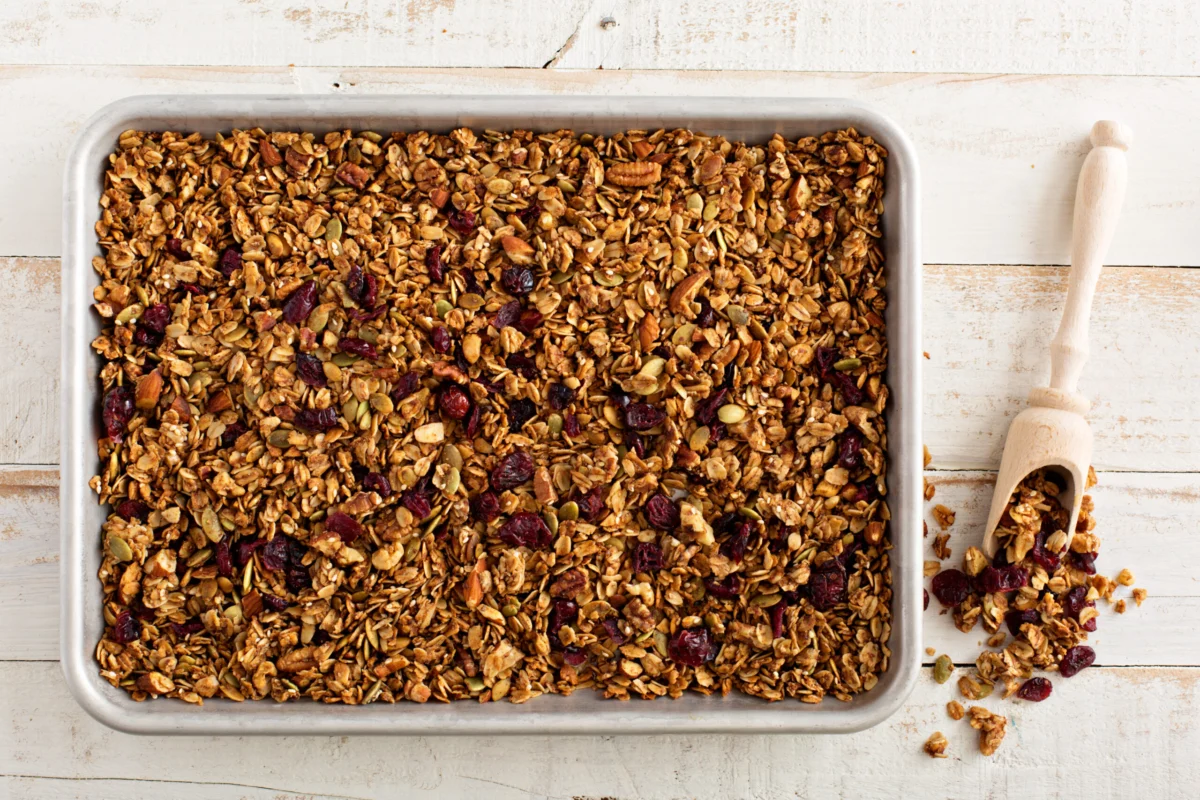
The appeal of the homemade energy bar lies in its transparency. Unlike commercial counterparts, which frequently hide high-fructose corn syrup, artificial flavorings, and complex stabilizers behind marketing buzzwords like "natural," these bars are built upon five foundational pillars: whole-grain oats, nutrient-dense nuts, fiber-rich seeds, dried fruit for natural sweetness, and creamy nut butter to act as a binding agent.
These bars are fundamentally designed for the modern, fast-paced lifestyle. Whether it is a parent packing a school lunch, a professional seeking a mid-morning energy boost, or a hiker requiring sustained caloric release, the Trail Mix Energy Bar provides a shelf-stable, portable, and energy-dense alternative. By removing the baking process, the recipe preserves the raw nutritional value of the seeds and nuts, ensuring that delicate fats and heat-sensitive vitamins remain intact.
Chronology: From Concept to Kitchen Staple
The trajectory of the homemade energy bar has evolved significantly over the last decade. Historically, the granola bar was perceived as a dry, overly sugary health-food compromise. However, the current iteration—the "no-bake" bar—represents a paradigm shift.
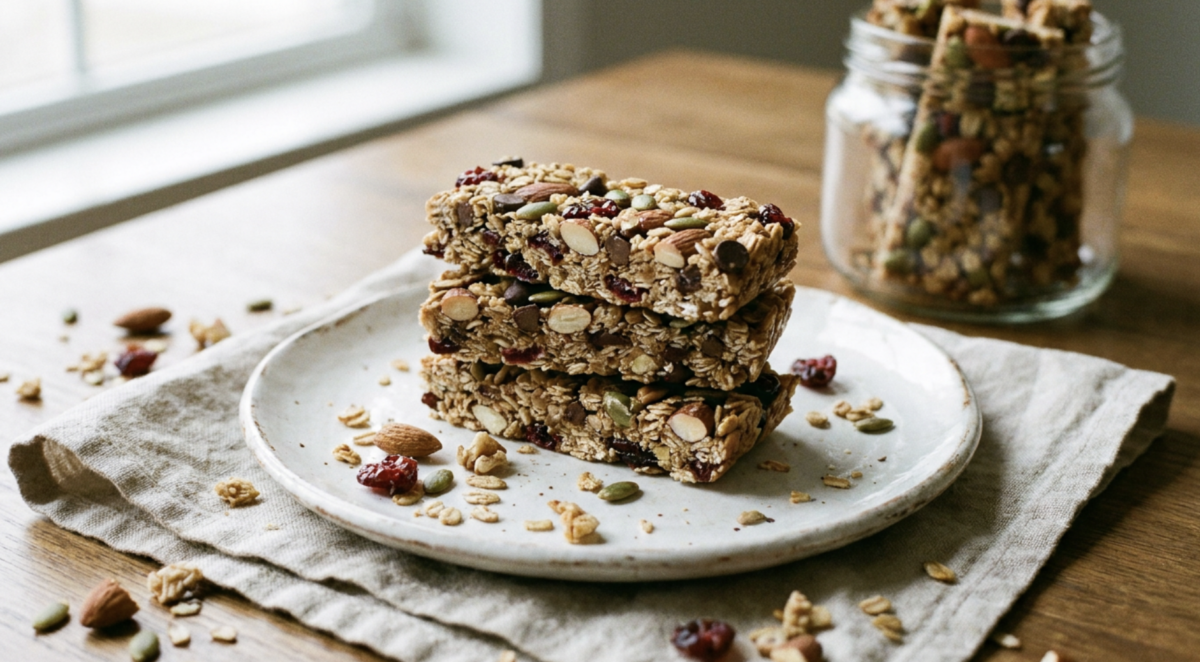
- The Foundation (Prep): The process begins with the integration of dry ingredients. Oats provide a complex carbohydrate base, while nuts and seeds introduce protein and healthy monounsaturated fats.
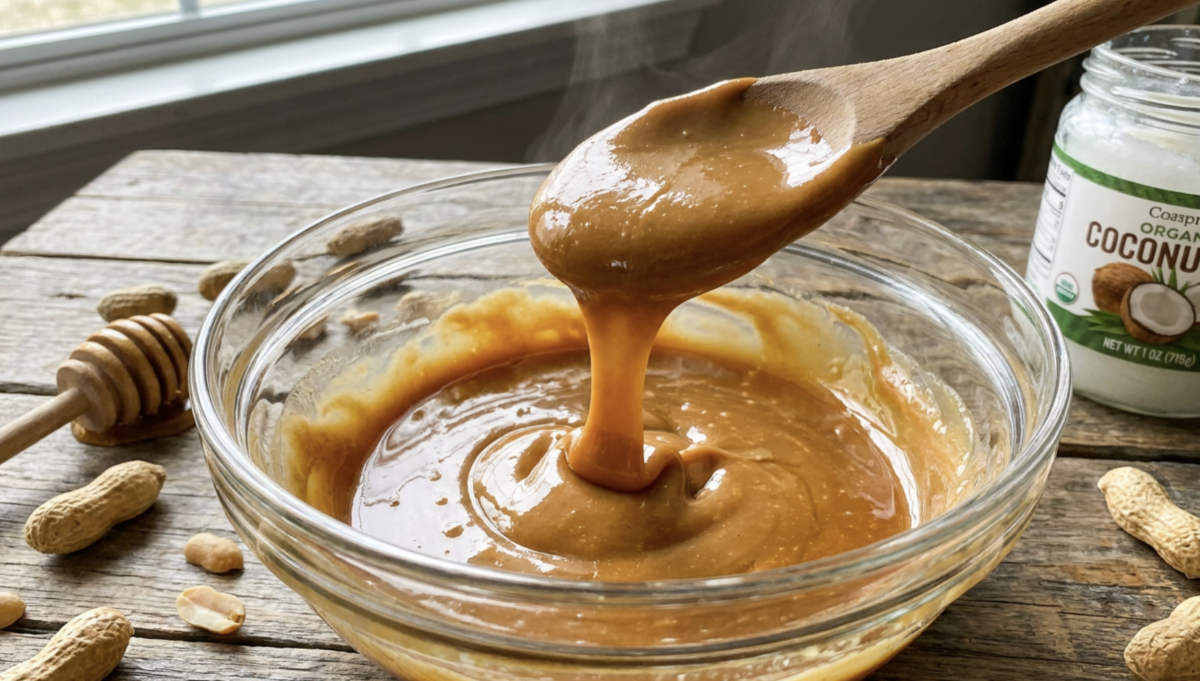
- The Binding Phase: The "glue" of the recipe involves gently melting nut butter with a natural sweetener like honey or maple syrup and a hint of coconut oil. This phase is critical; it is the moment when the dry ingredients transition from a loose mixture into a cohesive, moldable dough.
- The Compression (The "Press"): Unlike baked goods that rely on leavening agents, these bars rely on physical compression. By pressing the mixture firmly into a pan, the fat molecules coat the oats and fruit, creating a solid matrix that holds its shape.
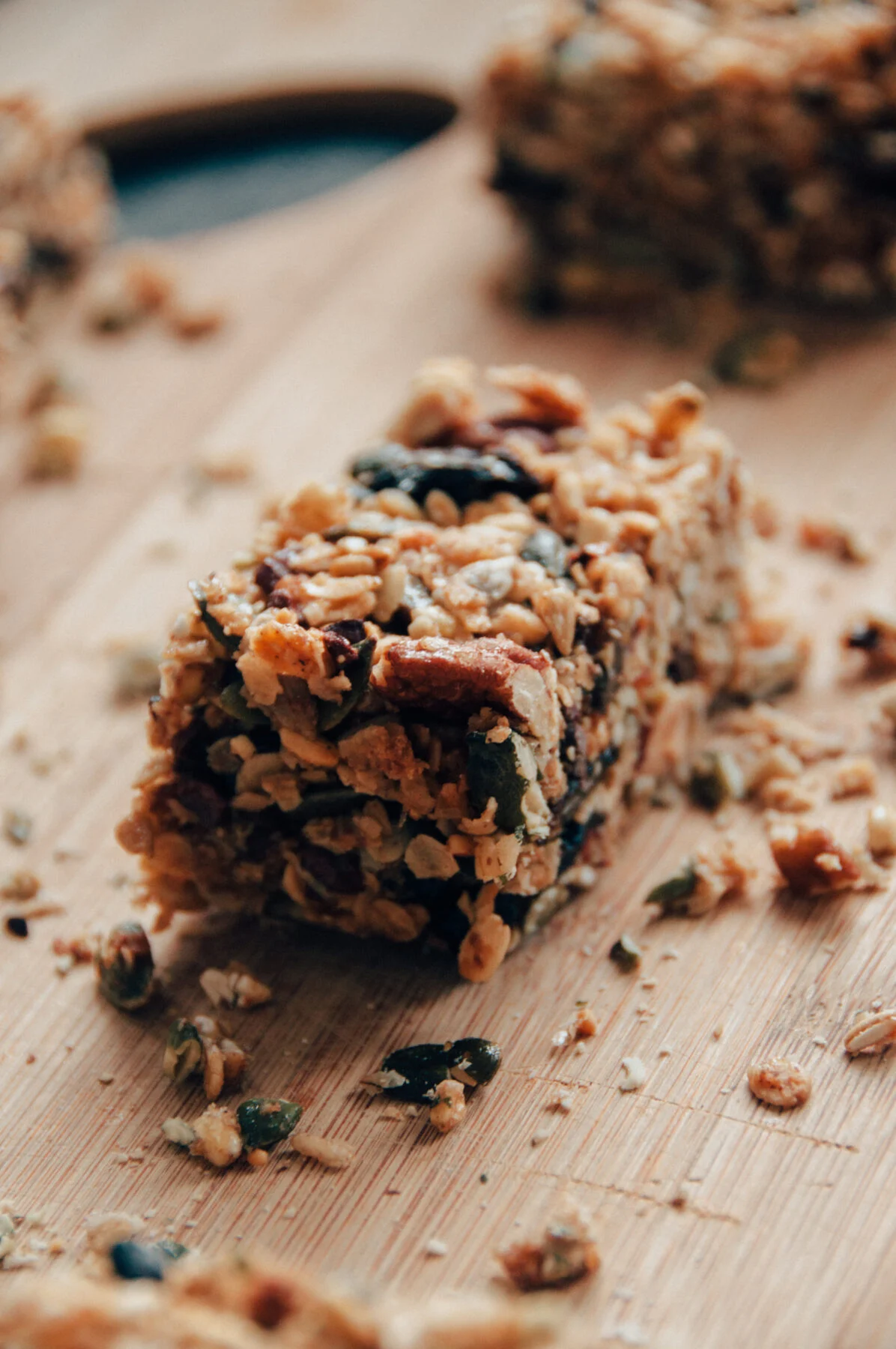
- The Chill (Set): The final stage is a period of dormancy. As the mixture sits in the refrigerator, the coconut oil and nut butter solidify, locking the texture into a chewy, crunchy consistency. This period—typically lasting two hours—is the difference between a crumbly mess and a clean, professional-grade slice.
Supporting Data: Why Customization Matters
The nutritional profile of these bars is entirely dependent on the "mix-ins," making them a versatile tool for dietary management. Data from recent consumer wellness trends indicate that families are shifting toward "ingredient autonomy."
- Protein Density: By substituting standard nuts with almonds or walnuts, the protein content increases significantly, providing a longer satiety window.
- Glycemic Index Control: By opting for dried fruit with no added sugars—such as unsweetened cranberries or apricots—the user can manage the sugar impact, avoiding the "crash" associated with processed snacks.
- The Allergy-Friendly Frontier: The rise of nut-free policies in schools has spurred the use of sunflower seed butter (sunbutter), which offers a similar lipid profile to peanut butter while remaining safe for allergic individuals. This adaptability is the primary reason why this recipe remains a "repeat" favorite in households across the country.
Expert Perspectives: Maximizing Texture and Stability
Culinary experts and home economists emphasize that while the recipe is simple, technique is the deciding factor in quality.
On the Importance of Nut Butter:
Professionals advocate for the use of "drippy" or natural-style nut butters. The oil content in these products is essential for the emulsification process. If the nut butter is too dry, the bars become brittle. Warming the nut butter prior to mixing is a recommended "pro-tip" to ensure that the coating is even and thorough, preventing dry pockets that cause the bars to crumble upon slicing.
The Precision of the Cut:
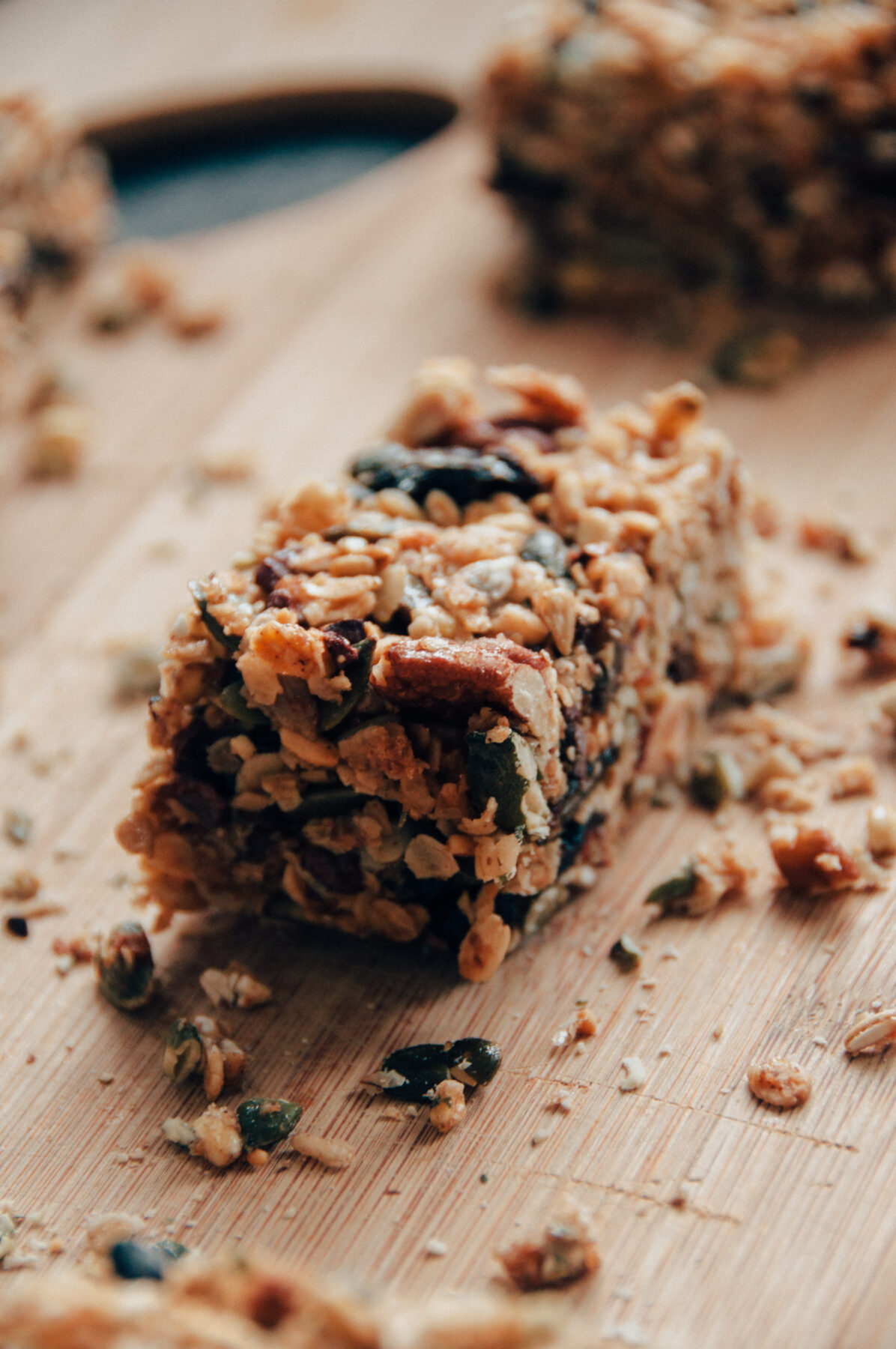
The choice of cutlery is often overlooked. A standard chef’s knife can crush the ingredients, causing the bars to split at the seams. Using a sharp, serrated knife allows the user to saw through the hardened nuts and dried fruits with minimal downward pressure, resulting in clean, uniform bars that look as if they were purchased from a boutique bakery.
Implications: The Move Toward Sustainable Snacking
The shift toward homemade energy bars has broad implications for both personal health and environmental sustainability.
Economic Efficiency:
While store-bought bars can range from $1.50 to $3.00 per unit, a homemade bar—when produced in bulk—can cost a fraction of that. By purchasing nuts, oats, and seeds in volume, families can reduce their grocery budget while simultaneously upgrading the quality of their intake.
Waste Reduction:
Every store-bought bar comes wrapped in non-recyclable multi-layer plastic film. By preparing a large batch at home, a family can reduce their reliance on single-use packaging. Storing the bars in a reusable container for the week eliminates the need for individual wrappers entirely, aligning the household with zero-waste principles.
Nutritional Sovereignty:
The most significant implication, however, is the control over ingredients. In a world where food labels are often obfuscated by complex chemical names, the ability to control exactly what goes into one’s body is a form of nutritional sovereignty. Whether it is adjusting the sodium levels, opting for organic ingredients, or experimenting with superfoods like chia seeds or cacao nibs, the user dictates the quality.
Troubleshooting and Refinement
Even within a "no-bake" framework, challenges can arise. For those attempting the recipe for the first time, keep these key technical adjustments in mind:
- The "Soggy" Factor: If using ingredients with high moisture content—such as fresh banana—the shelf life is reduced. These variations must be kept refrigerated and consumed within a shorter window compared to the classic nut-and-fruit versions.
- The "Crunch" Variable: For those who prefer a more pronounced crunch, adding toasted grains or cacao nibs can provide an auditory satisfaction that mimics the experience of eating processed granola, without the added refined sugars.
- The Storage Lifecycle: These bars are best stored in an airtight container. If kept in the refrigerator, they maintain their snap for up to two weeks. If frozen, they can be kept for up to three months, making them the ultimate "meal prep" staple for busy seasons.
Conclusion: A Flexible Legacy
The Trail Mix Energy Bar is more than just a recipe; it is a template for a lifestyle. It represents a move away from the passive consumption of processed foods and toward an active, engaged relationship with one’s own nutrition. By leveraging simple, recognizable ingredients and a few fundamental culinary techniques, anyone can master the art of the perfect, portable snack.
As we look toward the future of nutrition, it is clear that the most advanced technology in the kitchen isn’t a high-end appliance or a proprietary supplement—it is the ability to combine simple, whole foods in a way that fuels the body, satisfies the palate, and respects the environment. Keep this recipe on repeat, and discover how effortless it can be to turn the contents of your pantry into the fuel that powers your family’s busiest days.