CULINARY ARTS — In the landscape of home cooking, few side dishes evoke as much nostalgic sentiment—or as much culinary fatigue—as the traditional glazed carrot. For generations, this sweet vegetable dish has held a steadfast place on holiday banquet tables, most notably during Easter and Thanksgiving. However, the legacy preparation has long suffered from a reputation of over-sweetness and a limp, unappealing texture.
Now, culinary innovators are redefining this classic comfort food. By shifting focus toward balancing natural sugars with savory depth, vibrant colors, and an al dente bite, modern home cooks and recipe developers are transforming the humble carrot from a forgettable plate filler into the star of the dining table.
Main Facts: Deconstructing the Modern Glazed Carrot
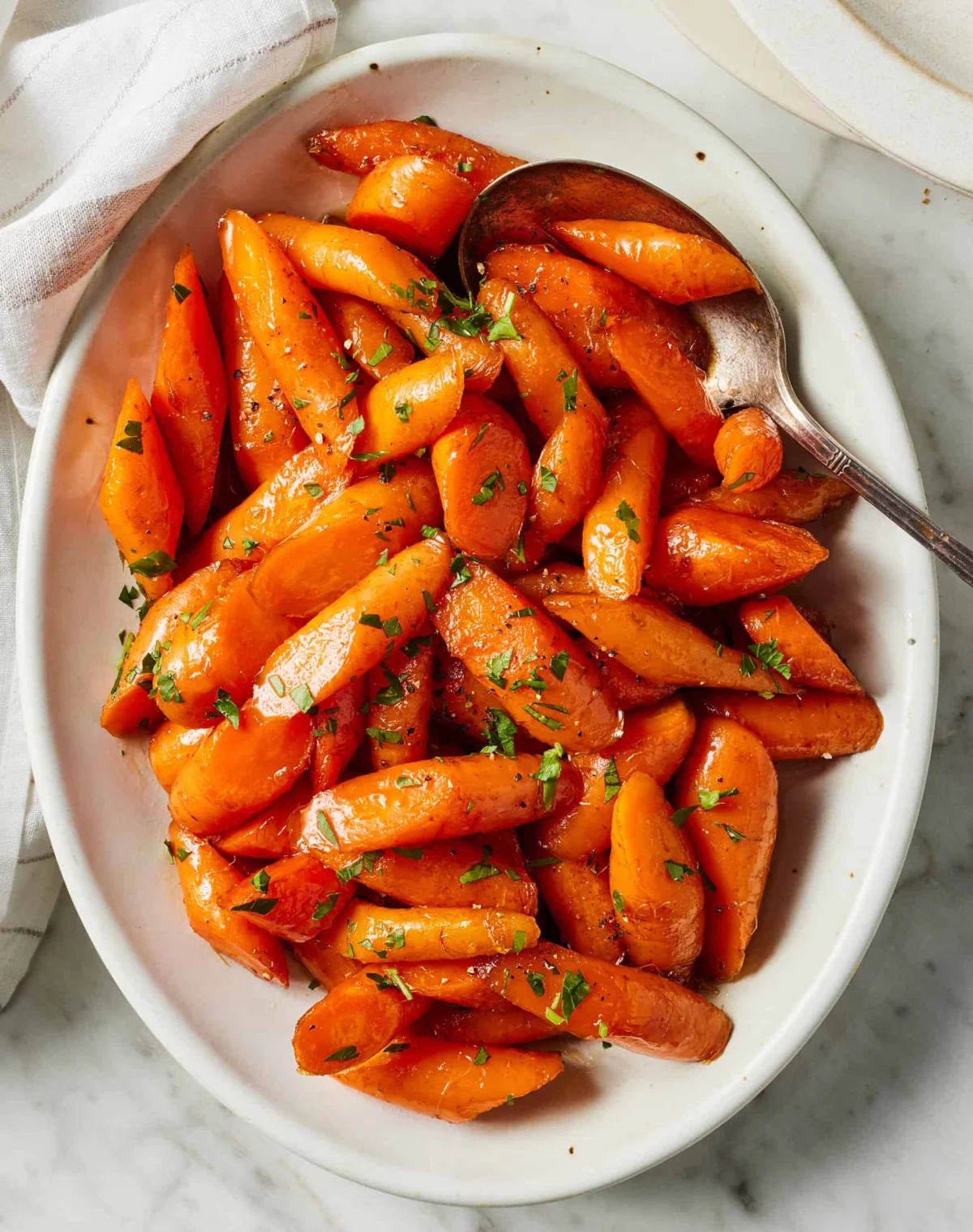
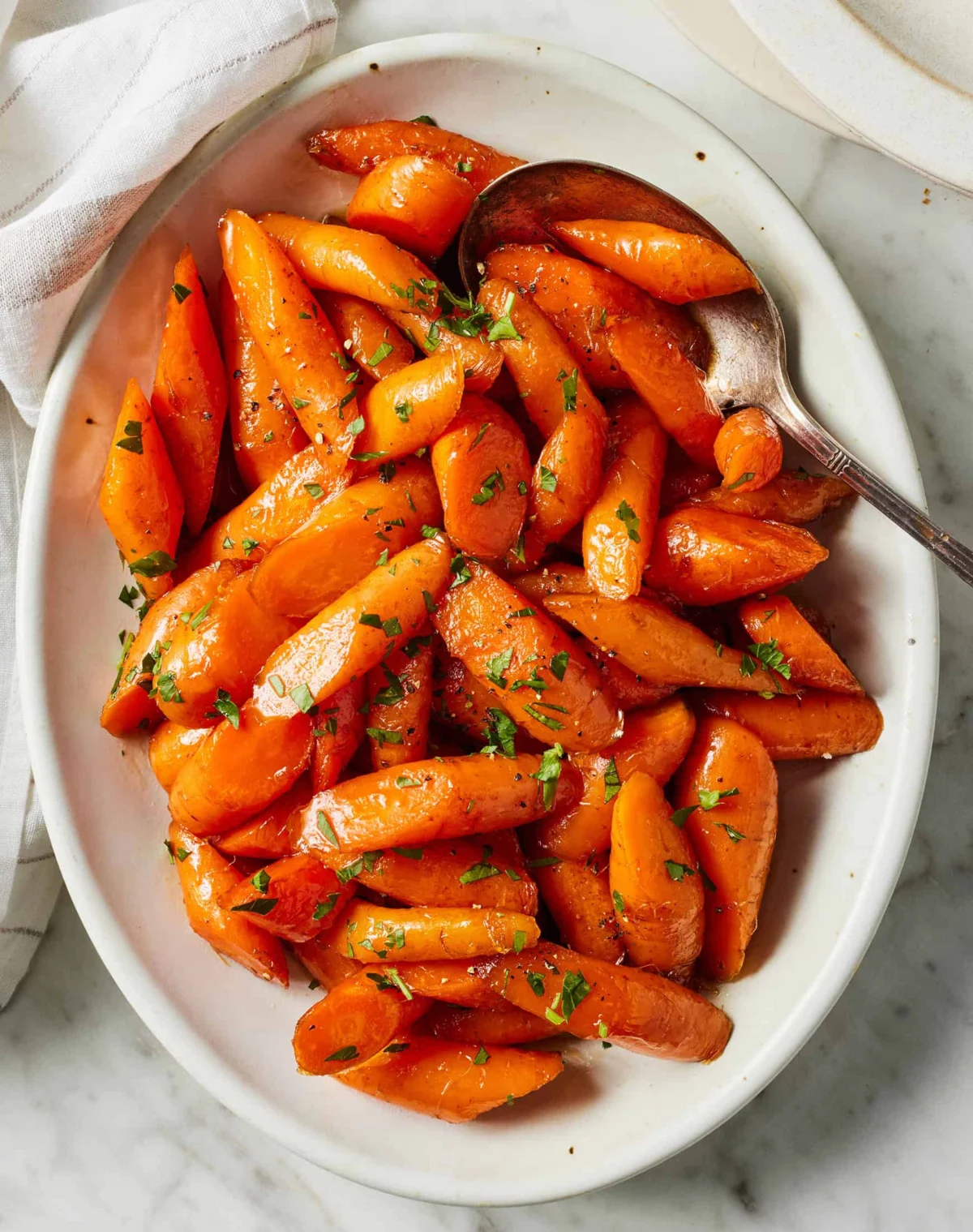
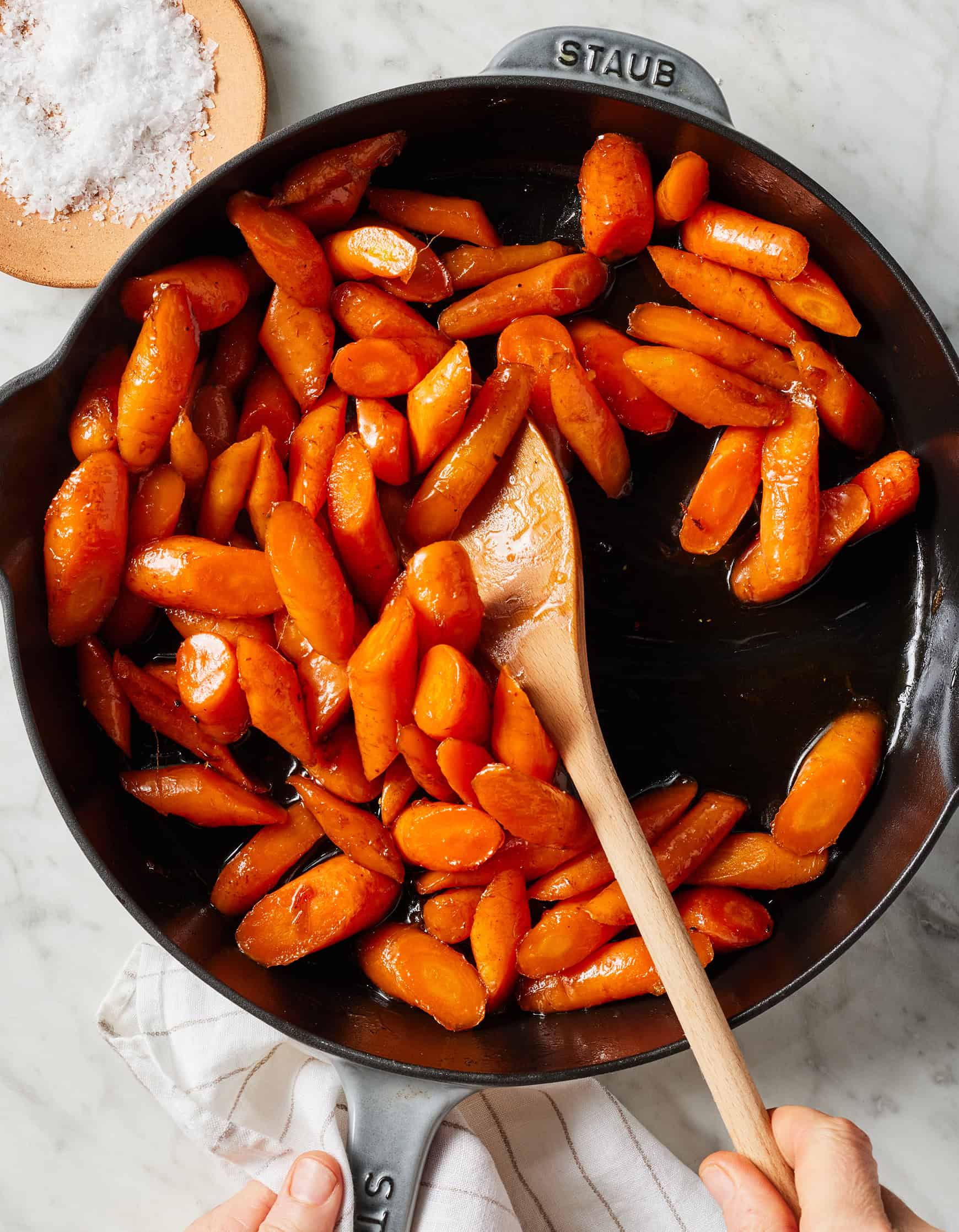
At its core, the contemporary approach to glazed carrots relies on simplicity, efficiency, and flavor calibration. Unlike traditional oven-roasted root vegetables that can tie up precious kitchen real estate during high-stress holiday cooking, this modernized recipe is executed entirely on the stovetop. Requiring just 10 minutes of preparation and 20 minutes of cooking time, the dish yields a vibrant, glossy side that serves six.
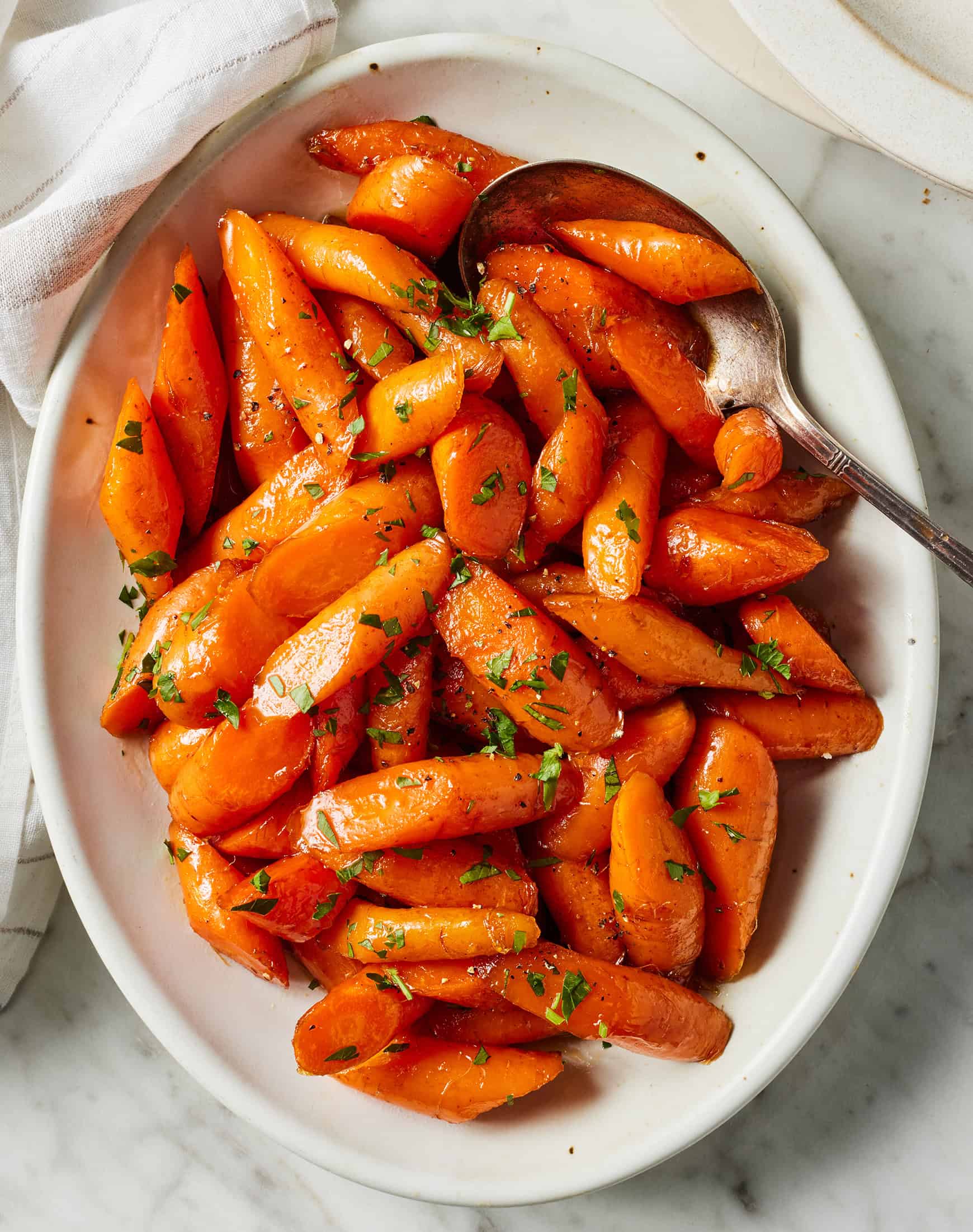
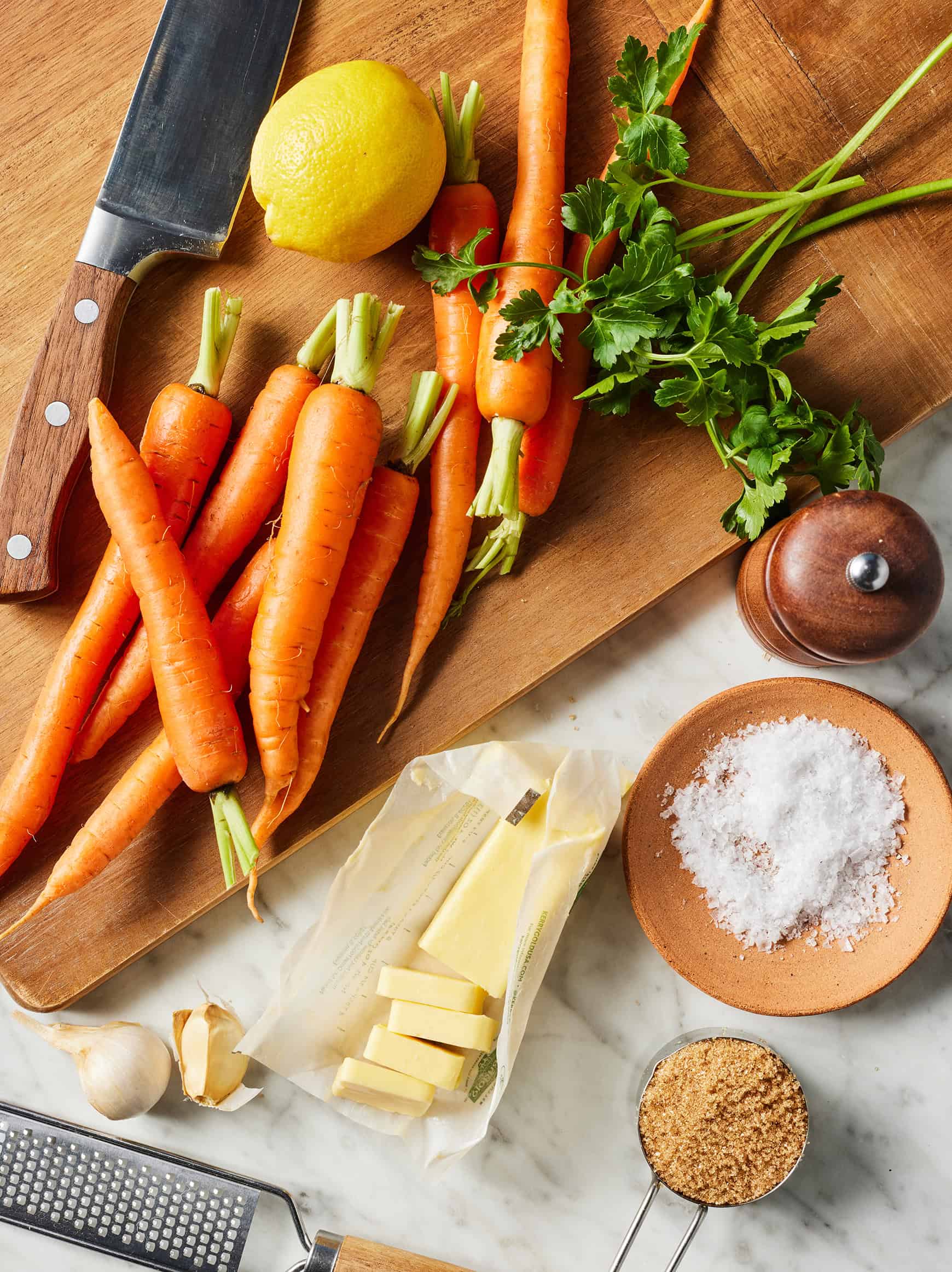
The primary innovation lies in the flavor profile. While classic preparations often rely exclusively on heavy applications of brown sugar or honey that can overwhelm the palate, the updated version introduces strategic savory counterweights. By incorporating aromatic garlic, bright fresh lemon juice, and a generous pinch of salt and black pepper into the glaze, the recipe cuts through the cloying sweetness. Furthermore, the carrots are cooked precisely to maintain a tender-crisp bite, eliminating the mushy texture that plagued family dinners of the past.
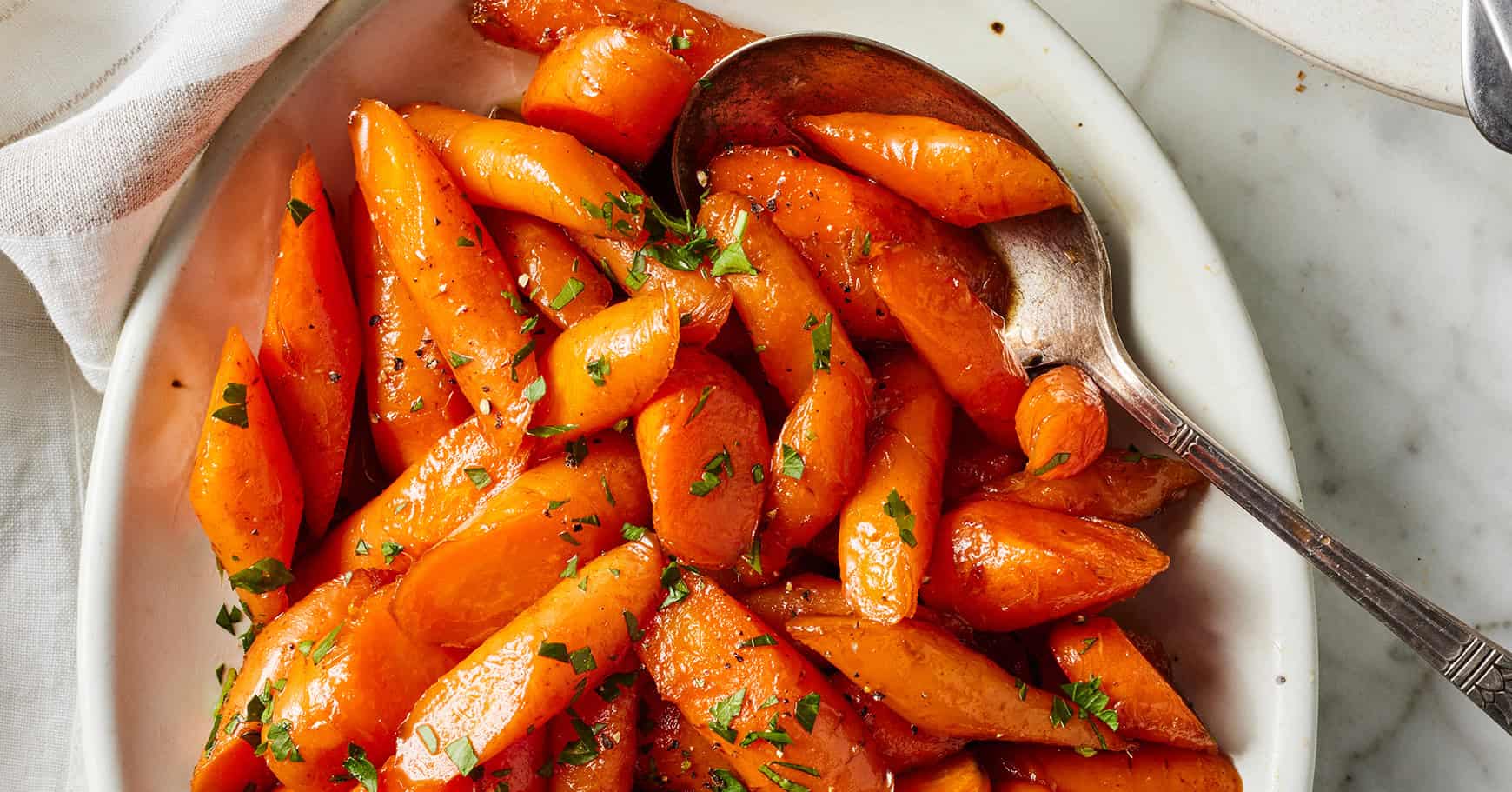
Nutritionally, the dish remains a powerhouse. A standard serving contains approximately 181 calories and delivers a staggering 505% of the recommended daily value of Vitamin A, alongside healthy doses of potassium, fiber, and Vitamin C.
Chronology: The Evolution of a Holiday Staple
To understand the current renaissance of glazed carrots, it is necessary to examine how the dish evolved within domestic culinary history.
The Mid-20th Century: The Era of Convenience and Excess
In post-war home economics, canned and heavily processed vegetables dominated suburban kitchens, and the desire to make vegetables palatable to children led to a heavy-handed use of sugar, butter, and corn syrup. Glazed carrots became a staple of Sunday roasts and holiday gatherings. Unfortunately, the prevailing technique often involved boiling the carrots until soft and then drowning them in a one-note sugary syrup, resulting in a dish that many diners learned to politely avoid.
The Late 20th Century: The Backlash of Blandness
As culinary awareness expanded in the 1980s and 1990s through the rise of food television and global ingredient availability, heavy sugar-laden sides fell out of favor. Home cooks began pivoting toward simple steaming, raw crudités, or basic roasting. The glazed carrot was largely relegated to the culinary past, viewed as an outdated relic of mid-century American dining.
The 2020s Revival: Smart Cooking and Flavor Balancing
In recent years, recipe developers and home cooks have sought to reclaim comfort foods by applying modern flavor principles—specifically, the importance of acid, salt, and fat in balancing sweetness. The introduction of stovetop methods that prioritize stove space conservation during major holidays has further propelled the dish back into the spotlight. Today’s iteration honors the nostalgic comfort of brown sugar or honey while demanding a higher standard of execution and taste.
Supporting Data and Nutritional Profile
When evaluating the dietary impact of root vegetables, carrots consistently rank high for their health benefits. The updated glazed carrot recipe balances indulgence with notable nutritional density.
A detailed breakdown of the nutritional data per serving (based on a standard 2,000-calorie daily diet) illustrates the profile of the dish:
- Calories: 181 (with 90 calories derived from fat)
- Total Fat: 10g (15% Daily Value)
- Saturated Fat: 1g (6% DV)
- Monounsaturated Fat: 7g
- Polyunsaturated Fat: 1g
- Sodium: 398mg (17% DV)
- Potassium: 501mg (14% DV)
- Carbohydrates: 24g (8% DV)
- Dietary Fiber: 4g (17% DV)
- Total Sugars: 16g (18% DV)
- Protein: 1g (2% DV)
- Micronutrients:
- Vitamin A: 25,259 IU (505% DV)
- Vitamin C: 10mg (12% DV)
- Calcium: 60mg (6% DV)
- Iron: 1mg (6% DV)
These metrics demonstrate that while the added sugars and fats contribute to the luxurious mouthfeel of the glaze, the base vegetable continues to provide substantial beta-carotene, antioxidants, and dietary fiber.
Culinary Perspectives: Why Balance Matters
Professional chefs and home cooking experts emphasize that the success of any glazed vegetable hinges on temperature control and ingredient selection.
According to culinary instructors, the common pitfall of home cooks is rushing the reduction process or failing to salt the cooking water adequately. "When you rely solely on sugar to create a glaze, you miss out on the complex caramelization that occurs when natural carrot sugars interact with butter and a touch of acid," notes one veteran recipe developer. "Adding fresh lemon juice at the final stage lifts the entire dish, cutting through the richness of the butter and honey."
Furthermore, culinary experts advocate for uniform knife cuts. Ensuring that carrot rounds or batons are cut to the same thickness guarantees even cooking, preventing some pieces from turning to mush while others remain raw.
Implications for Modern Meal Planning
The resurgence of streamlined stovetop side dishes carries broader implications for contemporary household management and holiday preparation.
1. Optimization of Kitchen Resources
During peak holiday seasons—such as Thanksgiving, Christmas, and Easter—oven space is one of the most heavily contested commodities in the home kitchen. Roasting turkeys, hams, casseroles, and pies simultaneously often leads to logistical bottlenecks. By shifting a classic holiday vegetable side dish entirely to the stovetop, home cooks free up critical oven capacity for main courses and baked goods.
2. Weeknight Accessibility
While traditionally reserved for festive occasions, dishes that can be prepared in 30 minutes total (10 minutes of prep, 20 minutes of cook time) fit seamlessly into busy weeknight schedules. The availability of make-ahead options—such as preparing the carrots up to a day in advance, storing them in airtight containers, and gently reheating them on the stove or in the microwave—provides modern families with the flexibility required for fast-paced lifestyles.
3. Redefining Dietary Inclusion
By offering choices between unrefined sweeteners like raw honey or traditional brown sugar, and by maintaining control over butter and sodium levels, modern recipes allow hosts to cater to diverse dietary preferences without sacrificing flavor. This adaptability ensures that classic comfort foods can remain relevant across generations, bridging the gap between childhood nostalgia and contemporary nutritional awareness.
As home cooking continues to value both efficiency and elevated flavor profiles, the modernized glazed carrot stands as proof that even the most traditional recipes can enjoy a vibrant, delicious second act.