By Caroline Pardilla
Published: October 16, 2026
As the holiday season approaches, party hosts everywhere begin the familiar logistical dance of planning menus, crafting guest lists, and—most importantly—figuring out how to keep glasses filled without spending the entire evening shaking individual cocktails. While batched punches and large-format wine bottles have long been staples of large gatherings, the spirits industry has traditionally lagged behind in offering truly large-scale options for home entertainers.
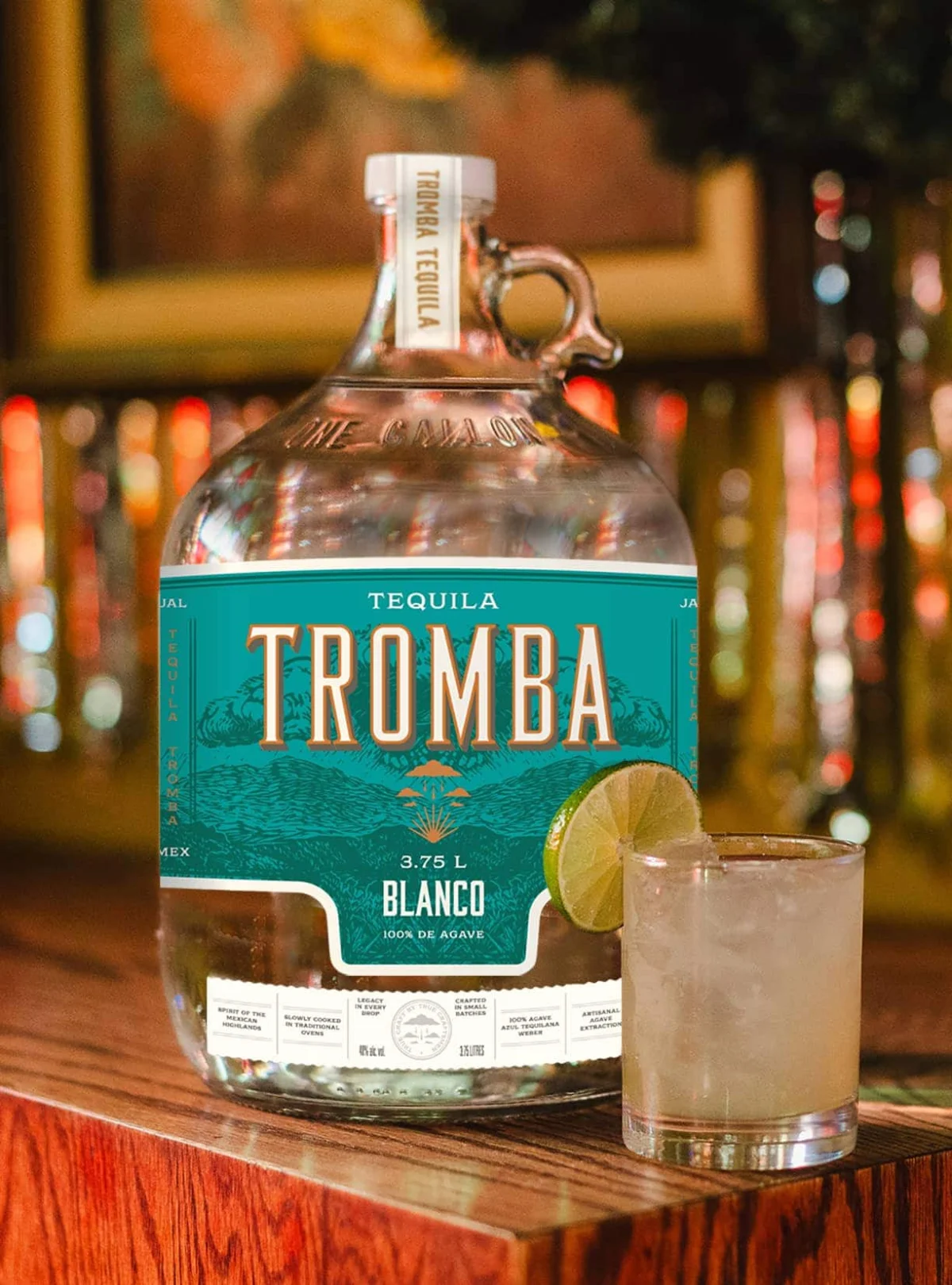
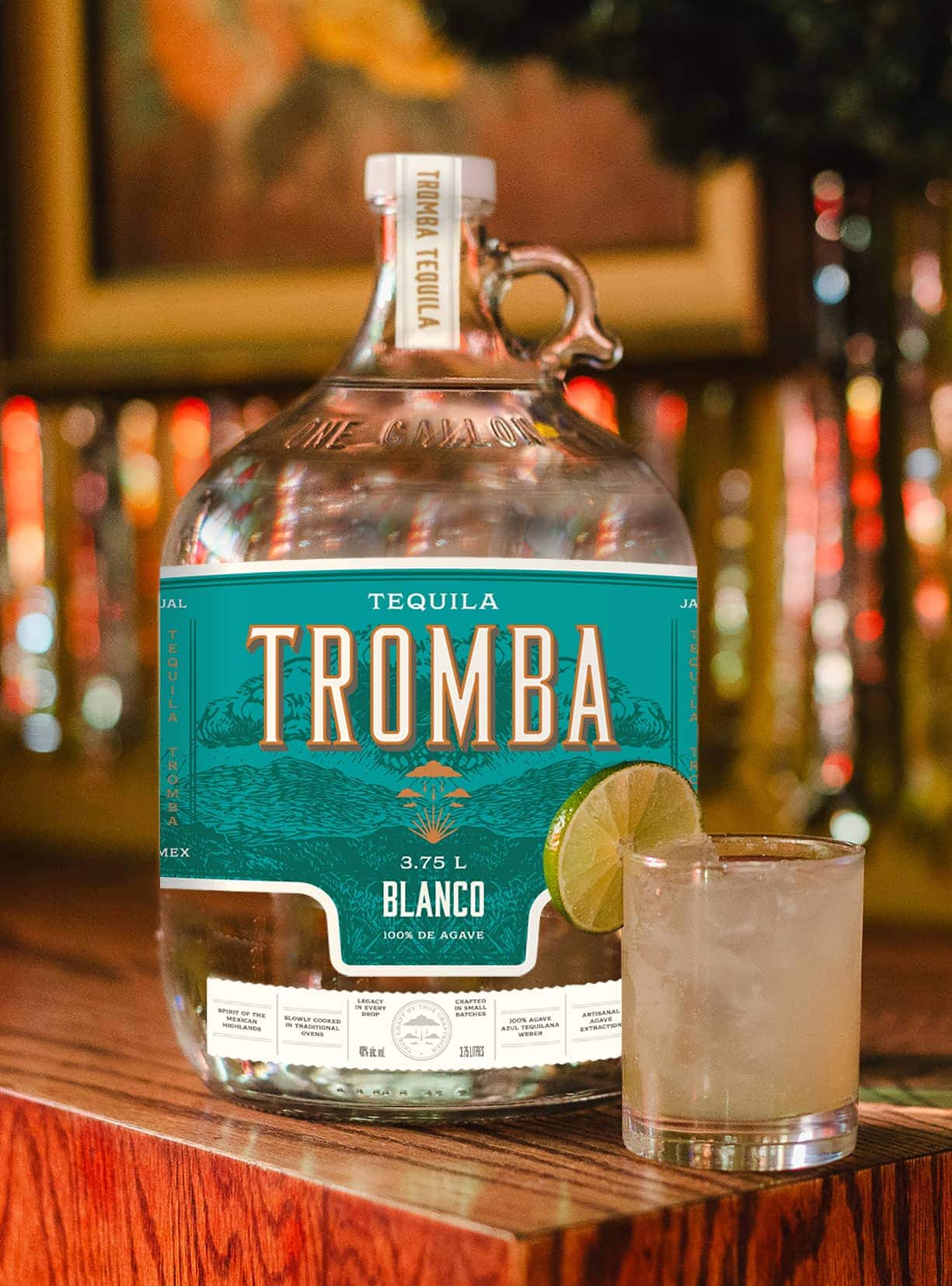
For decades, the standard 750ml bottle has reigned supreme on liquor store shelves, occasionally supplemented by the 1-liter or 1.75-liter "handle." But when hosting a crowd of 50 people or more, these conventional sizes quickly fall short. Enter a new frontier in beverage retail: the mega-format bottle. Leading the charge is Tequila Tromba’s Extra Grande Blanco, a towering 3.75-liter jug that is quietly transforming how hosts approach high-volume event planning, sustainable packaging, and cost-effective entertaining.
Main Facts: Breaking Down the Extra Grande Format
The logistics of hosting large gatherings often collide with the limitations of standard retail packaging. A traditional 750ml bottle of spirits yields approximately 12 standard cocktail servings. For a modest gathering, that might suffice. However, for hosts scaling up to accommodate dozens of guests, purchasing multiple bottles quickly becomes both financially burdensome and physically cumbersome.
This challenge was brought into sharp focus recently when preparing Margaritas for a gathering of approximately 50 guests. A standard calculation revealed an immediate roadblock: supplying enough standard bottles to satisfy a thirsty crowd would require an excessive number of glass vessels, driving up costs and creating a recycling nightmare.
The solution appeared unexpectedly in the liquor aisle: a reasonably priced gallon-equivalent format—specifically, the Tromba Tequila Extra Grande Blanco.
- The Size: At 3.75 liters, the Extra Grande Blanco stands as the largest spirits format currently available on the U.S. market.
- The Yield: A single 3.75L bottle is capable of producing an impressive 65 standard Margaritas.
- The Economics: The mega-format is priced approximately 30 percent cheaper than purchasing the equivalent volume across individual standard bottles.
- Geographic Restrictions: Due to varying state-level liquor control laws, the Extra Grande format is currently unavailable for sale in Florida, Louisiana, Michigan, and Alabama.
Chronology: The Shift Toward Large-Format and Batched Entertaining
The rise of the 3.75L spirits format does not happen in a vacuum; it is the culmination of shifting consumer habits, post-pandemic entertaining revivals, and a broader industry push toward efficiency.

Phase 1: The Rise of the Cocktail Blogger and Home Mixology (Early 2010s)
In the early days of the craft cocktail renaissance, home entertaining focused heavily on individual craftsmanship. Bloggers and educators championed fresh ingredients, artisanal syrups, and precise measurements. While this elevated home bar culture, it also chained the host to the shaker tin throughout the duration of their own party.
Phase 2: The Batching Revolution (Late 2010s–2023)
As hosts sought ways to enjoy their own parties, the culinary and cocktail worlds embraced batched drinks. Punch bowls, pre-diluted bottled cocktails, and large-format dispensers became ubiquitous. Authors and industry experts began publishing dedicated literature on the subject—such as Margarita Time—guiding consumers on how to scale classic recipes up for crowds without sacrificing quality.
Phase 3: The Sustainability Reckoning (2024–2025)
Concurrently, the beverage alcohol industry faced mounting pressure regarding its environmental footprint. Heavy glass bottles, excessive outer packaging, and shipping inefficiencies drew scrutiny from eco-conscious consumers. Distillers began experimenting with alternative packaging, lightweight glass, and larger volume formats to reduce carbon emissions and landfill waste.
Phase 4: The Mega-Format Era (Late 2026)
The introduction of products like Tromba’s Extra Grande Blanco marks the maturation of this movement. By merging the demand for high-capacity party solutions with corporate sustainability goals, distillers have unlocked a new category of spirits retail designed specifically for modern, large-scale entertaining.
Supporting Data: The Math and Profile of Tromba Extra Grande Blanco
Beyond its sheer size, the liquid inside the bottle must meet the discerning standards of modern cocktail enthusiasts who reject low-quality "party tequilas" in favor of additive-free, authentic spirits.
Liquid Specifications & Tasting Notes
Produced from 100 percent Blue Weber agave harvested in the highlands of Jalisco, Tromba Extra Grande Blanco is an additive-free tequila that honors traditional production methods while catering to modern logistics.
- Aroma: Opens with bright, inviting notes of cooked agave, complemented by charred grilled pineapple and fresh citrus zest.
- Palate: The sweet fruitiness perceived on the nose is expertly balanced on the tongue by a touch of warming white pepper and clean minerality.
- Finish: Crisp, complex, and structured, making it exceptionally well-suited for citrus-forward cocktails like Margaritas, Palomas, and large-format punches.
Economic and Environmental Impact Analysis
To understand the value proposition of the 3.75L format, consider the following comparative metrics for a 65-guest event:
| Metric | Traditional Approach (5 x 750ml Bottles) | Mega-Format Approach (1 x 3.75L Tromba Extra Grande) |
|---|---|---|
| Total Glass Weight | High (Five individual heavy glass bottles + labels) | Low (Single large-format vessel with minimized packaging) |
| Retail Cost | Standard baseline pricing | Approximately 30% cost savings |
| Recycling Volume | 5 separate bottles to rinse and recycle | 1 single vessel to process |
| Storage & Transport | Awkward, space-consuming box management | Streamlined, single-unit handling |
For those consumers who prefer aged expressions, the brand has announced plans to expand the line, releasing an Extra Grande Reposado at the end of the year, retailing at an accessible $69.99 via platforms like Total Wine & More.
Official Responses and Industry Perspectives
The commercial viability of ultra-large spirits formats hinges on consumer reception, regulatory compliance, and retail adoption. Industry analysts and brand representatives have weighed in on what this trend means for the future of spirits retail.
"When you are planning an event for fifty or sixty people, the friction points become immediately apparent," notes a prominent voice in modern cocktail journalism. "You aren’t just looking for good flavor; you are looking at recycling bins overflowing with empty glass, trunk space weighed down by multiple boxes, and a budget that balloons simply because you are paying for packaging five times over. A 3.75-liter format solves these pain points elegantly."
Retailers have also reported positive early feedback from consumers preparing for seasonal festivities. While legal restrictions in states like Florida, Alabama, Michigan, and Louisiana highlight the patchwork nature of U.S. liquor distribution laws, demand in legal states has outpaced initial projections.
Distillation houses emphasize that scaling up volume does not mean scaling down quality. The decision to launch the Extra Grande format using an additive-free Highlands blanco sends a clear signal to the market: convenience no longer requires a compromise on craftsmanship.
Implications: What Mega-Format Spirits Mean for the Future
The introduction and growing popularity of spirits formats like Tromba’s Extra Grande carry far-reaching implications for consumers, retailers, and the broader beverage industry.
1. A Shift in Retail Shelf Management
Liquor stores and major beverage chains have traditionally designed their floor plans around standard 750ml and 1.75L dimensions. The normalization of 3.75L formats will likely force retailers to rethink shelf spacing, display structures, and end-cap merchandising to safely accommodate and highlight ultra-large bottles.
2. Heightened Sustainability Standards
As consumers grow increasingly critical of corporate environmental impacts, packaging efficiency will become a major competitive advantage. By reducing the glass-to-liquid ratio by up to 30 percent, brands that adopt mega-formats set a new benchmark for eco-friendly spirits distribution.
3. The Democratization of High-End Batching
Historically, high-end, additive-free tequilas were cost-prohibitive for large-scale event batching, forcing hosts to choose between budget-friendly rail spirits or breaking the bank. By offering volume discounts through larger packaging, brands make premium mixology accessible to backyard hosts, caterers, and community organizers alike.
4. Regulatory Evolution
The exclusion of the 3.75L format in states such as Florida, Louisiana, Michigan, and Alabama underscores the hurdles posed by archaic state-level alcohol distribution laws. As consumer demand mounts, pressure may build on state legislators to modernize distribution frameworks, aligning liquor laws with contemporary consumer and environmental needs.
Conclusion
As the boundaries of home entertaining continue to expand, the tools and ingredients at our disposal must evolve to match. The emergence of mega-format spirits like Tequila Tromba’s Extra Grande Blanco proves that convenience, economic value, and environmental consciousness can coexist without sacrificing the integrity of the spirit inside the glass. Whether prepping for a massive holiday gathering, a summer backyard bash, or simply looking to streamline the ultimate Margarita batch, the era of the 3.75-liter bottle has officially arrived.