It takes a profound level of dedication—or, perhaps, a uniquely stubborn kind of fortitude—to voluntarily descend upon New Orleans during the sweltering, humid peak of July. Yet, for over two decades, this annual pilgrimage has become a non-negotiable ritual for thousands of industry titans. Bartenders, spirit brand ambassadors, beverage journalists, and die-hard cocktail enthusiasts congregate in the Crescent City for Tales of the Cocktail, the industry’s premier global gathering.
As I embark on my 19th year covering this event, I have moved past the FOMO (fear of missing out) that plagues first-time attendees. The true secret to surviving a week of professional-grade indulgence isn’t just navigating the seminars and brand activations; it is knowing exactly where to find refuge, character, and a well-made drink when the humidity reaches a breaking point.
The Evolution of a Cocktail Pilgrimage
Tales of the Cocktail has grown from a modest gathering of local enthusiasts into a massive, multi-venue logistical feat. Historically, the event serves as the "State of the Union" for the global bar industry. It is where trends are born, careers are made, and, most importantly, where the historical lineage of the American cocktail is preserved and celebrated.
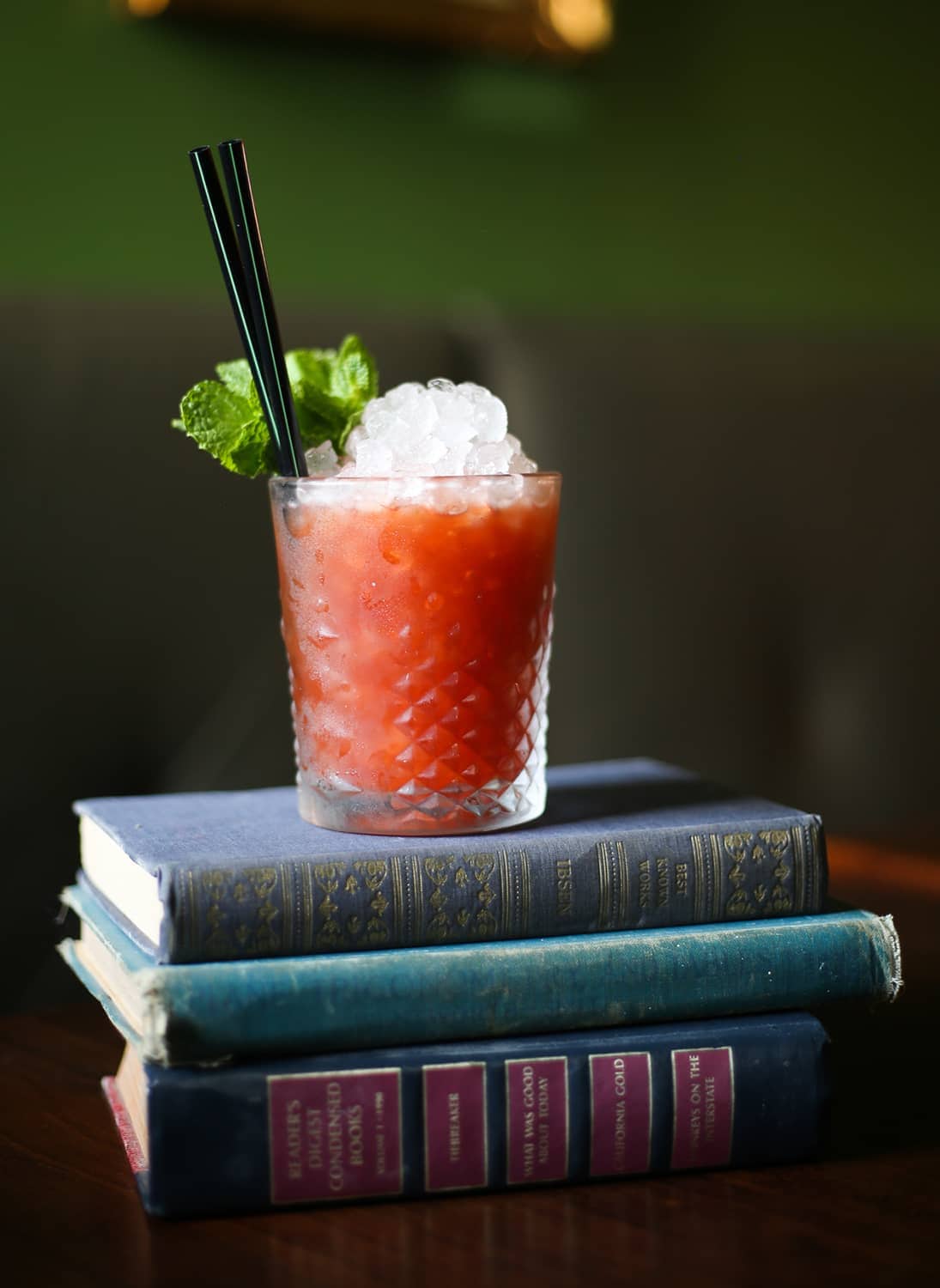
The chronology of the event tracks the evolution of the modern craft cocktail movement. In the mid-2000s, the focus was on rediscovering long-forgotten classics. Today, the focus has shifted toward sustainability, inclusivity, and the integration of global flavors into the New Orleans landscape. Whether you are a first-timer or a seasoned veteran, the city’s bars serve as the living, breathing backdrop for these professional exchanges.
Bacchanal: The Oenophile’s Escape
While the week is undeniably centered on spirits, New Orleans remains one of the world’s most sophisticated wine cities. If you need a palate cleanser from the parade of high-proof spirits, Bacchanal is the essential destination.
Situated in the Bywater, it is a masterclass in atmosphere. It functions as a hybrid wine shop and backyard garden party. Guests are encouraged to select a bottle from the chilled inventory, settle their tab, and head to the outdoor patio. The environment is unpretentious and vibrant, often featuring live jazz and a rotating menu of Mediterranean-inspired fare. It is the perfect venue for a "Tales" attendee to decompress. When the sun beats down on the French Quarter, the shade of Bacchanal’s trees provides a necessary, vinous sanctuary.
The Tiki Standard: Beachbum Berry’s Latitude 29
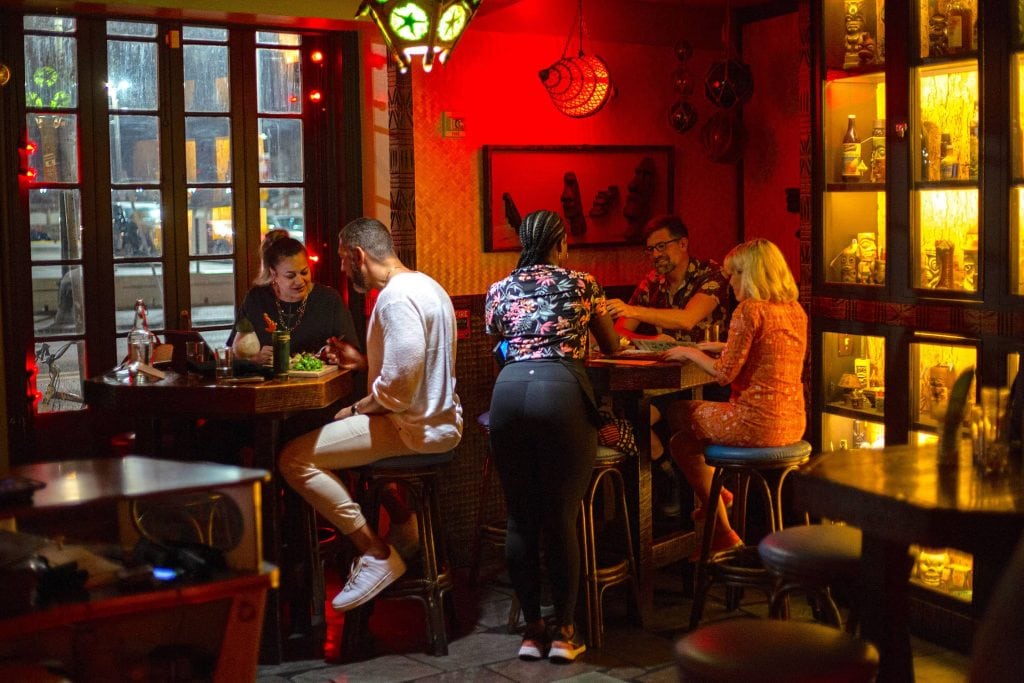
My initiation into the deeper lore of the cocktail world began at the Carousel Bar in 2006, where a chance encounter with Jeff "Beachbum" Berry changed my trajectory. Berry, a legendary figure in the Tiki revival, has since cemented his legacy with Latitude 29.
This is not just a tiki bar; it is a repository of historical rum research. For the Tales attendee, the bar offers a moment of escapism. The menu is a curated journey through tropical history. I consistently recommend the house-original "Outcast of the Islands"—a complex blend of gin, lime, cinnamon, ginger, orgeat, and anise that perfectly illustrates why Berry’s influence remains global.
Cure: The Modern Catalyst
No discussion of the New Orleans cocktail scene is complete without addressing the shift that occurred in 2009 with the opening of Cure. Before Cure, the city’s drink culture was heavily reliant on historic staples. Cure brought an analytical, modern approach to the craft, transforming the neighborhood bar model into a global phenomenon.
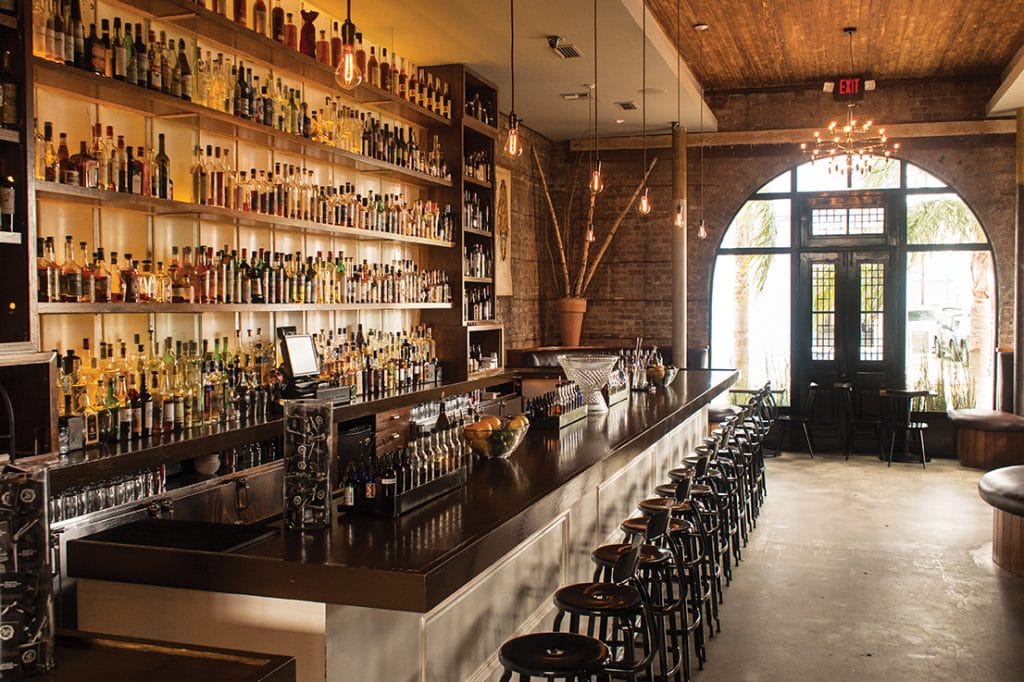
Even years after its inception, Cure remains a benchmark for precision. The bar’s evolution reflects the broader industry’s move toward elevated, ingredient-driven mixology. Whether you are ordering a "Missed Opportunity"—an avant-garde blend of sake, strawberries, balsamic vinegar, and Champagne—or a perfectly executed Single Barrel Old Pal, you are witnessing the standard-bearer of the city’s modern era.
Dovetail Bar: The Artisan’s Touch
Located on Rampart Street, Dovetail Bar represents the newer guard of New Orleans establishments. The design philosophy—centered on fine carpentry and woodworking—is mirrored in the precision of their drink menu. The bar serves as a reminder that the New Orleans scene is not resting on its laurels; it is constantly innovating. Cocktails like the "Mahogany Dash" (pretzel-infused rye) demonstrate a sophisticated grasp of flavor profiles that move beyond the standard syrup-and-spirit combinations.
Jewel of the South: Classicism Reimagined
Chris Hannah’s Jewel of the South is a masterclass in the intersection of culinary excellence and high-end bar craft. Long before this venue existed, Hannah was a pillar of the New Orleans bartending community. Today, his establishment serves as a hub for those who appreciate the technical rigor of the classics. The Brandy Crusta here is a must-try, serving as a reminder of the city’s deep, historic roots in the evolution of the cocktail.
Loa: The Hotel Bar Rebirth
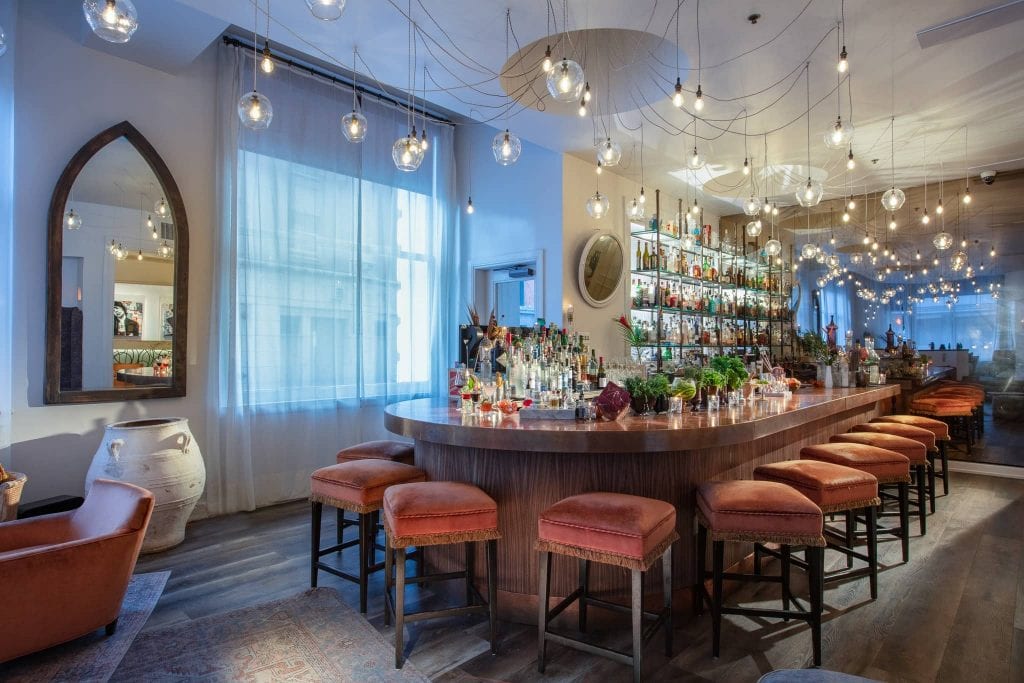
Hotel bars in New Orleans often suffer from being either overly touristy or strangely sterile. Loa, located within the International House Hotel, defies both tropes. With the arrival of industry veteran Abigail Gullo, Loa has been revitalized into a high-energy, essential stop during Tales of the Cocktail. Gullo brings a "force of nature" approach to hospitality, turning a hotel lobby into one of the most vibrant social hubs in the French Quarter.
Manolito: The Havana Connection
While Bourbon Street is often synonymous with mass-produced, neon-colored frozen drinks, Manolito offers a refined alternative. Inspired by the legendary El Floridita in Havana, this tiny Dumaine Street spot proves that the frozen drink is an art form when handled with care. The blender-revving staff here turns out classics and house inventions, such as the double-blended Banana Daiquiri, with the same respect usually reserved for stirred, spirit-forward drinks.
Molly’s at the Market: The Essential Pause
There is a specific, sacred ritual for many attending Tales: the Frozen Irish Coffee (FIC). While competition exists, Molly’s at the Market provides the optimal experience. It is a day-drinking institution that manages to retain a sense of local charm despite its proximity to the heavy tourist foot traffic of Decatur Street. It serves as a vital "AC-stop," allowing one to recharge before re-entering the frantic energy of the festival.
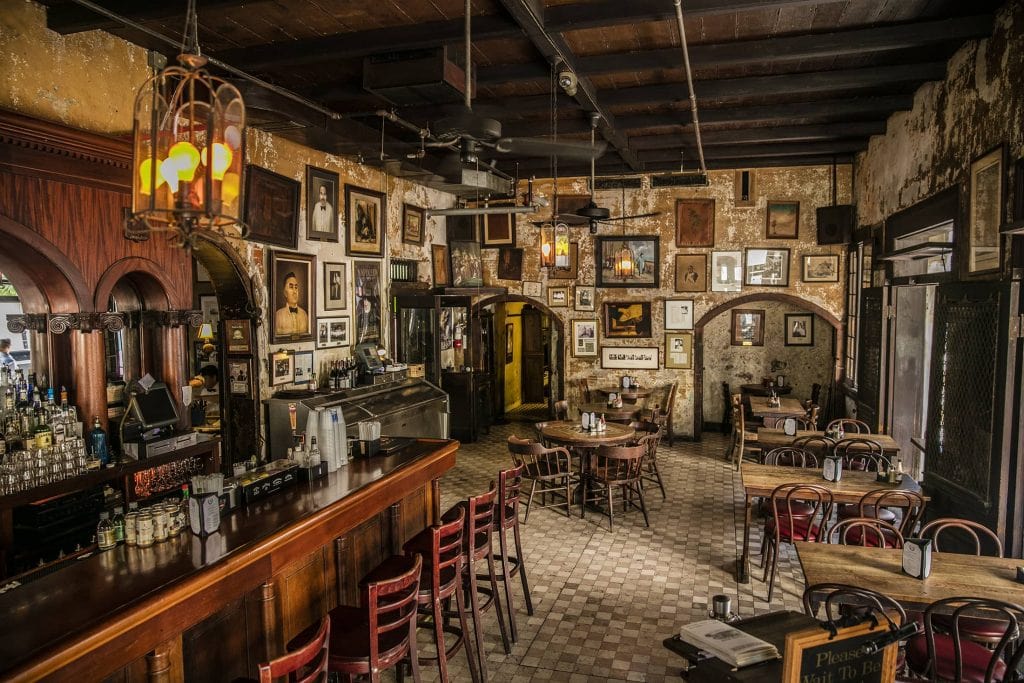
Napoleon House: A Lesson in History
Finally, for those who truly respect the history of New Orleans, Napoleon House is non-negotiable. It is a place where the air itself feels heavy with two centuries of conversation. To order a Pimm’s Cup or a Sazerac here is to participate in a lineage that predates the modern cocktail movement by over a hundred years. It is a place to sit, observe, and make friends with the person at the next table—the very essence of New Orleans hospitality.
Implications for the Future of Hospitality
As the industry gathers each year, the conversations at these bars are rarely just about the drinks. They touch on the economic volatility of the hospitality sector, the challenges of labor retention, and the ongoing struggle to maintain local identity in an increasingly homogenized global market.
The success of these establishments—Bacchanal, Cure, Jewel of the South, and the rest—lies in their ability to bridge the gap between historical reverence and modern innovation. For the professional, New Orleans during Tales is not just a party; it is a laboratory. As we look toward the future, the lessons learned in these bars remain the bedrock upon which the next generation of bartenders will build their own legacies. Whether you are there for the education or the libations, the spirit of New Orleans ensures that you will leave with a greater appreciation for the craft—and likely, a newfound tolerance for the July heat.