By Paul Clarke
Published: September 24, 2026
Photography by John Valls
Main Facts: The Indelible Legacy of a Three-Ingredient Masterpiece
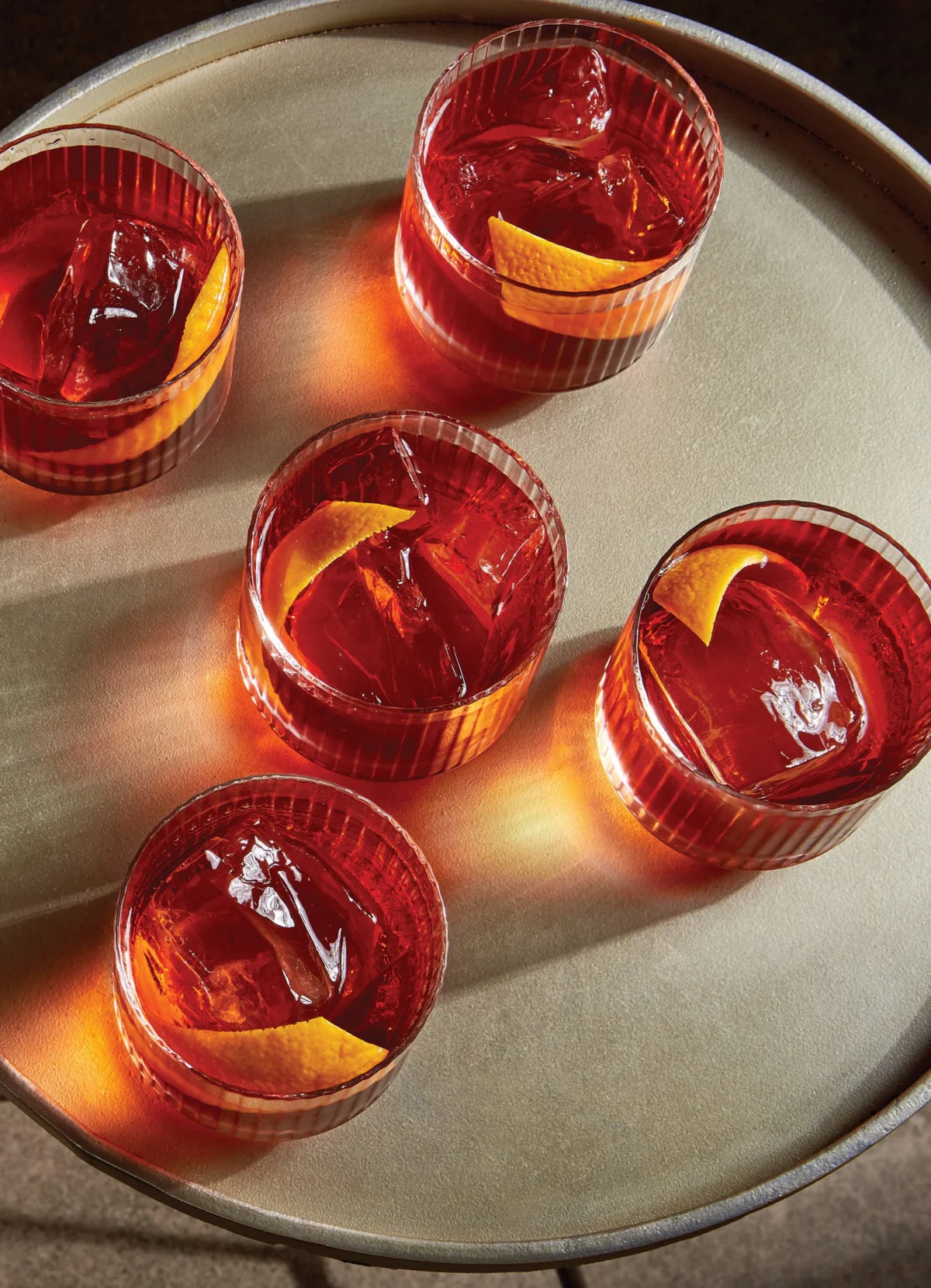
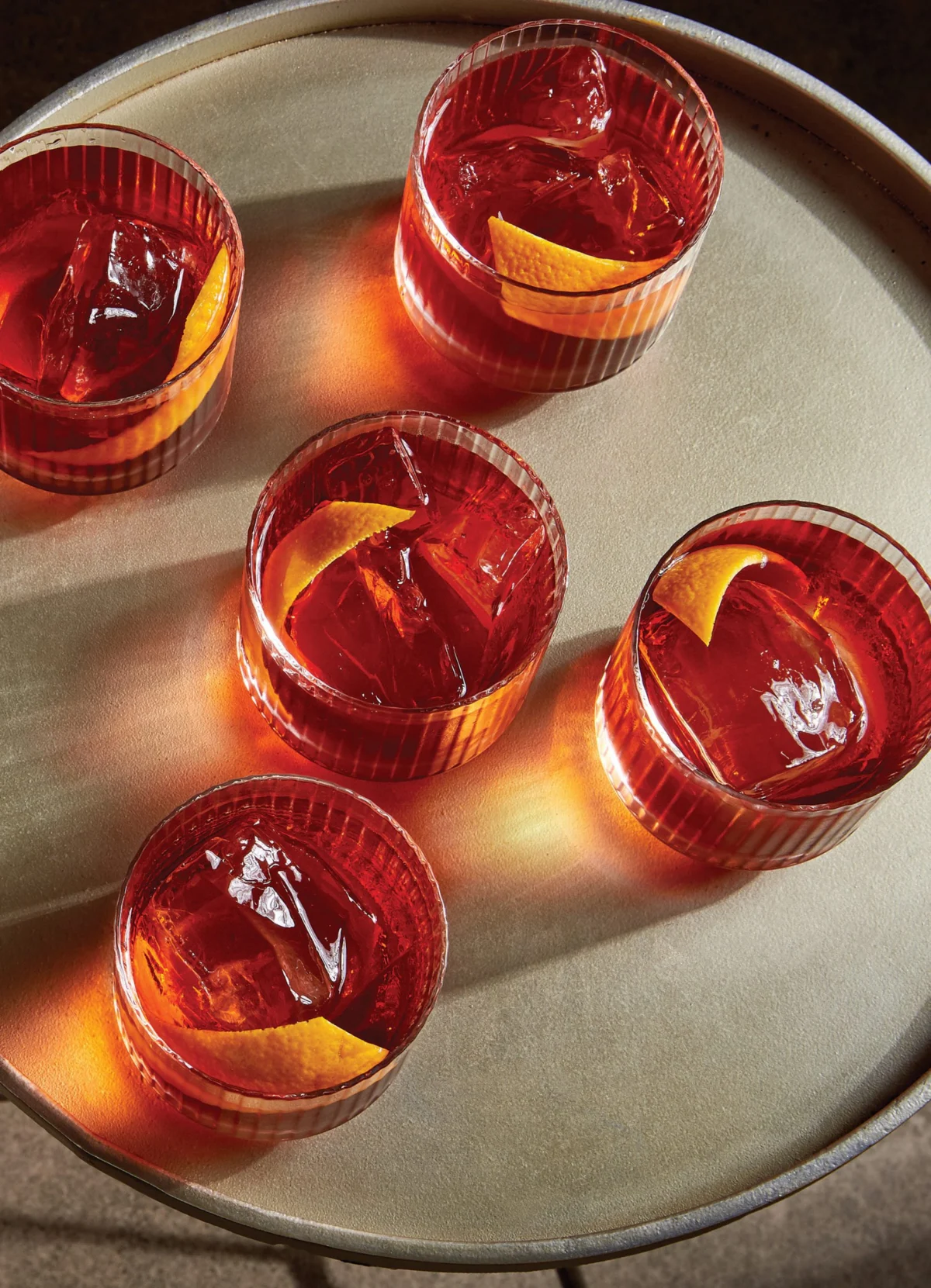
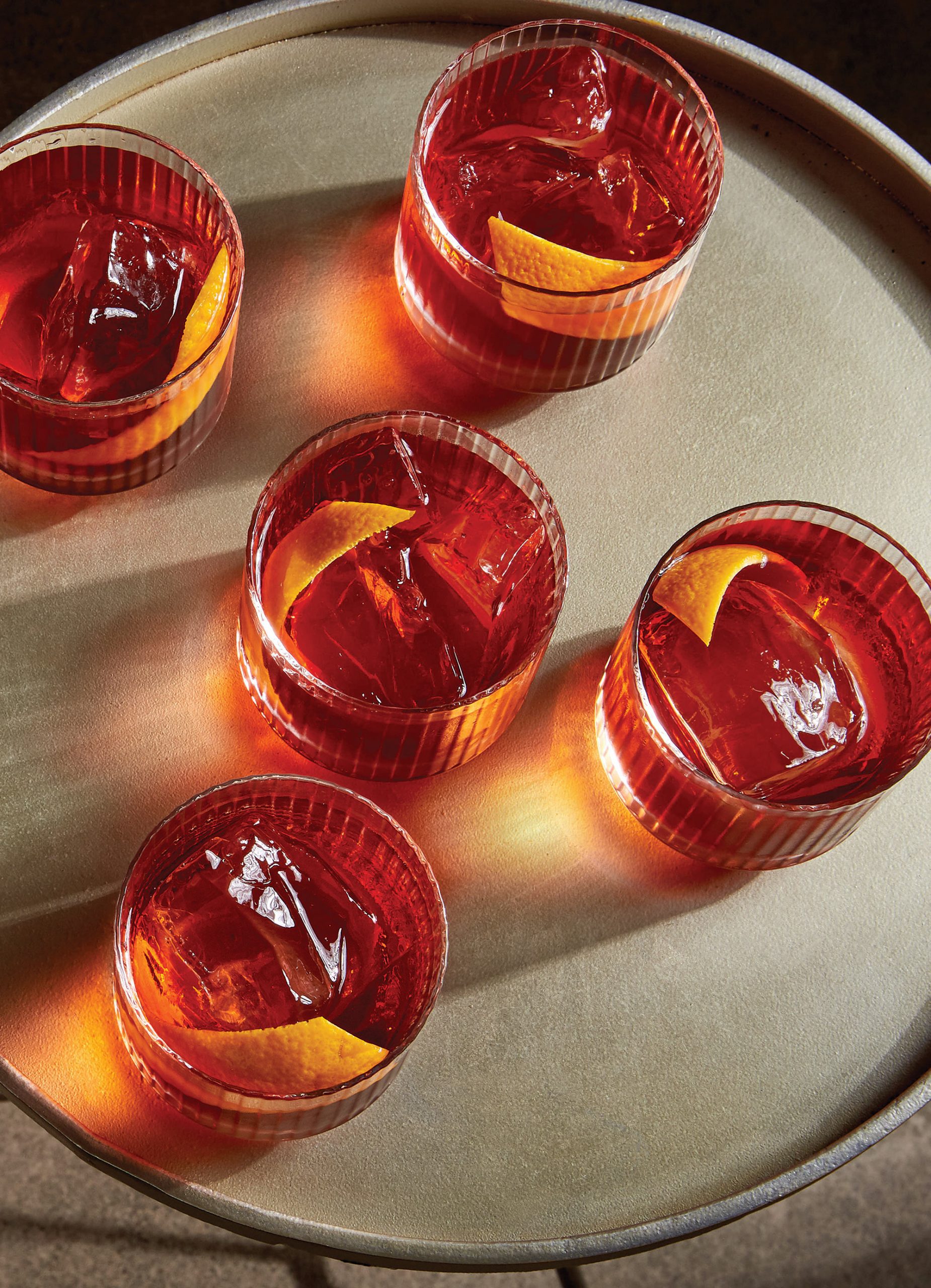
As thousands of bars worldwide mobilize for the annual global celebration known as Negroni Week, a staggering volume of crimson-hued libations crosses bars nationwide. From traditional equal-parts pours to inventive modern riffs, the cocktail commands the global stage each autumn. Yet, amidst the myriad iterations, variations, and contemporary spin-offs, the spotlight inevitably returns to the source: THE Negroni.
Deceptively simple yet exceptionally balanced, the classic Negroni stands alongside the Manhattan, the Martini, the Old Fashioned, and the Daiquiri as a fundamental pillar of the modern cocktail canon. Built on a rigid three-ingredient formula of gin, Campari, and sweet vermouth, it is a testament to the idea that true elegance lies in minimalism.
However, the Negroni achieves something far more profound than its peers: it elevated bitterness from a mere accent to a starring role. Historically, bitter notes were deployed sparingly—a strategic dash of bitters dropped into an Old Fashioned or an underlying herbaceous bitterness rounding out a sweet vermouth in a Manhattan. The Negroni shattered this paradigm, placing bitterness front and center in equal partnership with spirituous strength and sugary depth. In doing so, it permanently altered public perception and redefined the boundaries of flavor profiles behind the world’s best bars.
Chronology: From Florentine Roots to Global Phenomenon
To understand the enduring cultural footprint of the Negroni, one must trace its journey from a mid-20th-century European aperitivo staple to a global juggernaut.
- The Origin Story (Circa 1919): Cocktail lore attributes the creation of the drink to Florence, Italy, where Count Camillo Negroni reportedly asked his bartender, Fosco Scarselli at Caffè Casoni, to strengthen his favorite cocktail—the Americano (Campari, sweet vermouth, and club soda)—by swapping out the soda water for gin. The resulting concoction quickly captured the imagination of Italian drinkers.
- Mid-Century Adaptation: For decades, the Negroni remained a beloved staple of European cafe culture, slowly trickling into American cocktail bars as classic mixology found a renewed appreciation for pre-dinner aperitifs.
- The Craft Cocktail Renaissance (Early 2000s): As the modern craft cocktail movement swept through metropolitan epicenters, bartenders re-examined historical recipes with microscopic precision. The equal-parts structure of the Negroni became a darling of master mixologists, prized for its adaptability and foolproof balance.
- The Launch of Negroni Week (2013): A monumental shift occurred when Imbibe magazine partnered with Slow Food to launch Negroni Week. What began as a modest charitable initiative involving a few hundred participating venues rapidly escalated into a massive international phenomenon involving thousands of bars, restaurants, and hospitality groups worldwide, raising millions of dollars for charitable causes.
Supporting Data: The Anatomy of a Modern Classic
The enduring appeal of the Negroni is rooted in its mathematical precision and flexibility. While purists argue passionately for the traditional 1:1:1 ratio, contemporary cocktail culture has embraced subtle modifications to suit evolving palates.
The Classic Negroni Recipe
- 1 oz. Gin: Provides the botanical backbone, alcohol strength, and structural proof.
- 1 oz. Campari: Delivers the signature vibrant crimson hue, along with a complex, bittersweet profile dominated by bitter orange, gentian root, and rhubarb.
- 1 oz. Sweet Vermouth: Rounds out the edges with rich botanical sweetness, dark fruit notes, and subtle spice.
Technique & Presentation:
- Tools: Barspoon, straining mechanism.
- Glassware: Heavy rocks glass.
- Ice: Stirred gently with ice to achieve optimal dilution and chilling, then strained over fresh ice or a single, pristine large-format ice cube.
- Garnish: An orange wheel or a freshly expressed orange twist to release essential oils that complement the bitter orange notes of the Campari.
Variations and Riffs
The framework of the Negroni has proven so versatile that it has inspired an entire ecosystem of related drinks:

- The Boulevardier: Swaps out gin for bourbon or rye whiskey, offering a warmer, oak-driven profile suited for cooler months.
- The Kingston Negroni: Replaces gin with Jamaican rum, introducing funky, tropical esters that play remarkably well against Campari’s bitterness.
- The White Negroni: Substitutes sweet vermouth and Campari with clear, herbal French aperitifs like Suze and Lillet Blanc, paired with gin for a lighter, golden-hued variation.
Official Responses and Industry Perspectives
The cultural weight of the Negroni is continually evaluated by the bartenders, historians, and educators who champion it daily.
Industry veterans note that the cocktail’s rise mirrors a broader palate shift among consumers. For generations, mass-market consumer trends favored hyper-sweet flavor profiles. The rediscovery of the Negroni helped train a global audience to appreciate complex, bitter, and dry flavor notes—paving the way for the explosive popularity of other bitter-forward categories like amari, vermouths, and dry sherries.
Furthermore, the philanthropic infrastructure built around Negroni Week has received widespread praise from global humanitarian and environmental organizations. By aligning the indulgence of the cocktail hour with charitable giving—specifically through partnerships with organizations like Slow Food—the hospitality industry has proven that a simple drink can mobilize international communities toward sustainable agriculture, food education, and equity.
Implications: The Future of the Bitter Revolution
As we look toward the future of global drinking culture, the legacy of the Negroni extends far beyond a single week of celebrations in September. It serves as a masterclass in menu design, brand marketing, and community building within the hospitality sector.
- The Mainstreaming of Bitters: The success of the Negroni dismantled the myth that consumers inherently reject bitterness. Today, bitter profiles are celebrated in non-alcoholic and low-ABV sectors alike, inspiring a wave of complex craft sodas, botanical tonics, and zero-proof aperitifs that mimic the sophisticated bite of Campari.
- Sustainable Hospitality Initiatives: Negroni Week established a template for how media outlets, brands, and local venues can collaborate for social good. The ongoing partnership with Slow Food highlights the interconnectedness of the beverage industry, agriculture, and local food economies, ensuring that the ingredients filling our glasses are sourced responsibly.
- The Power of Simplicity: In an era of elaborate, foam-topped, theatrical mixology, the enduring dominance of a three-ingredient, stirred-down classic reminds both professionals and home bartenders alike that clarity, quality, and balance will always triumph over needless complexity.
Whether enjoyed at a bustling sidewalk cafe in Florence, a high-end cocktail den in New York City, or mixed quietly at home during evening cocktail hour, the Negroni remains a timeless beacon of sophistication—a brilliant red monument to the beauty of a well-balanced bitter drink.