In the modern culinary landscape, the pressure to balance nutritional density with time efficiency has never been higher. For many home cooks, the solution is not found in expensive meal-delivery kits or processed convenience foods, but in the classic technique of the stir-fry. Among the most enduring and effective of these recipes is the Shrimp and Broccoli stir-fry—a dish that offers a masterclass in texture, speed, and flavor balance.
As we examine the current trends in home cooking, championed by culinary experts like cookbook author Erin Clarke, it becomes clear why this specific pairing has remained a staple in kitchens across the country. It is a dish that bridges the gap between the "takeout experience" and the necessity of a wholesome, home-cooked dinner.

The Core Philosophy: Why Stir-Fries Rule the Weeknight
The fundamental appeal of the stir-fry lies in its mechanics. By definition, a stir-fry is a high-heat, high-speed cooking method. It is designed to yield vegetables that are tender-crisp—maintaining their structural integrity and vibrant color—and proteins that are seared to perfection in a matter of minutes.
When comparing this to more labor-intensive methods, such as braising or roasting, the stir-fry emerges as the superior option for the time-constrained cook. It relies on the Maillard reaction—the chemical process that gives browned food its distinctive flavor—which occurs rapidly in a screaming-hot skillet. This, paired with a savory, aromatics-heavy sauce, transforms basic ingredients into a restaurant-quality meal in under 30 minutes.

The Technical Challenge: Balancing Shrimp and Broccoli
While the stir-fry is simple in concept, it presents a common technical hurdle that often leads to culinary failure: the disparity in cook times. Shrimp is a delicate protein that reaches its optimal texture at approximately 145°F (63°C). If cooked a moment too long, it turns rubbery and loses its natural sweetness. Broccoli, conversely, requires a longer duration to soften its fibrous stems while keeping the florets bright and crisp.
To solve this, professional kitchens and skilled home cooks employ a "staggered cooking" technique. By searing the shrimp first and removing them from the heat, the cook creates a window of time to properly treat the broccoli. This separation of cooking cycles is the "secret" that elevates the dish from a mushy, uneven mess to a plate of perfectly balanced textures.

Chronology of the Process
To replicate the success of this method, one must follow a precise, choreographed sequence. Efficiency begins before the heat is even turned on.
1. Preparation and Mise en Place
The most important step occurs before the pan touches the stove. Because stir-frying moves at a rapid pace, the sauce must be whisked and ready in a small bowl. The aromatics—garlic, ginger, and green onions—should be chopped and measured.

2. The Protein Sear
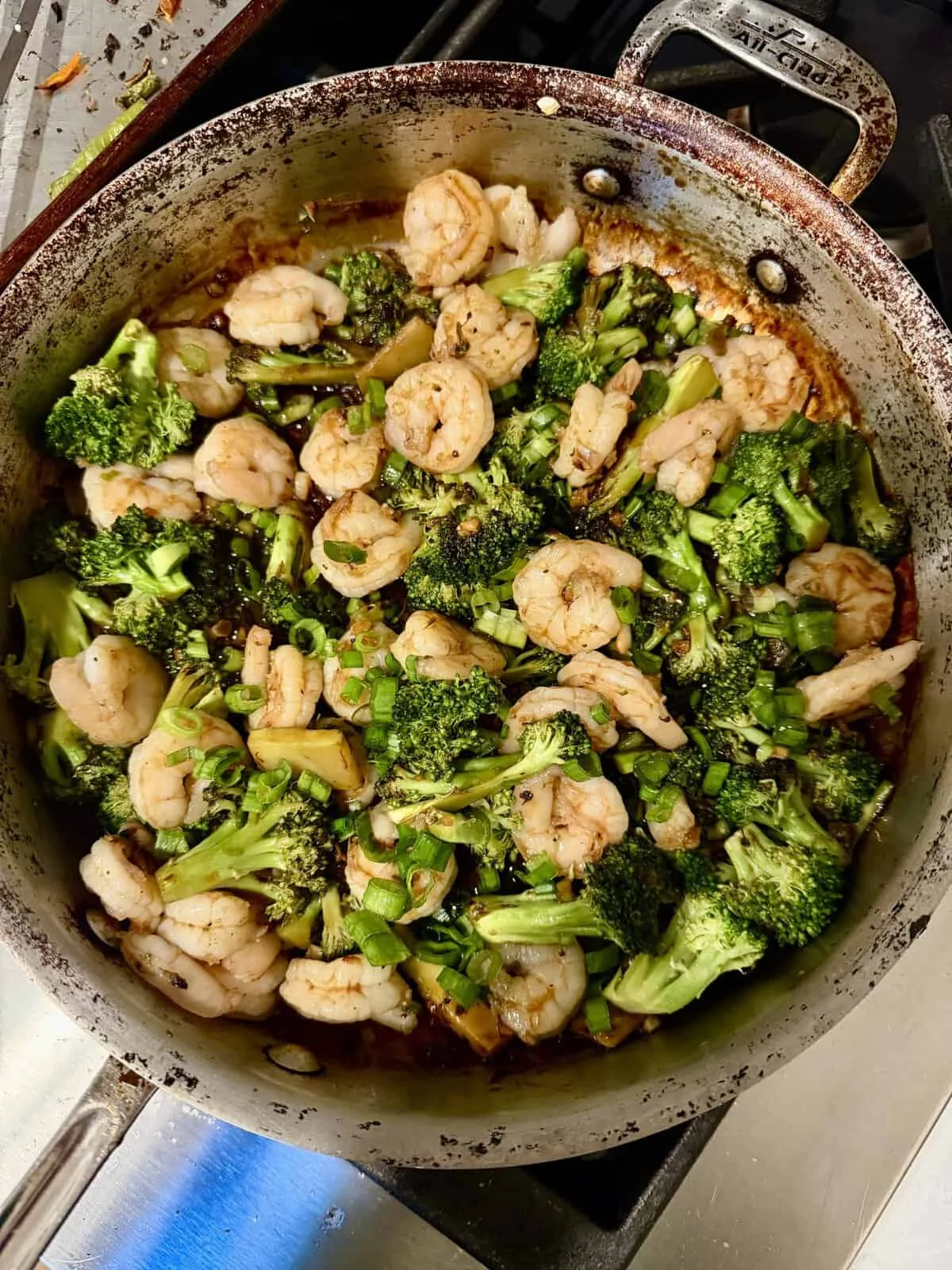
The skillet or wok is heated with a high-smoke-point oil (like canola) over medium-high heat. The shrimp are arranged in a single layer, ensuring maximum contact with the surface of the pan. The goal here is a quick, golden sear. Once they curl into a loose "C" shape, they are removed, preserving their internal moisture for the final stage.
3. The Vegetable Steam
With the shrimp safely resting, the broccoli enters the pan. An initial dry sear provides a necessary char, followed by the addition of water to create a steam environment. This ensures the stalks are tender without sacrificing the vibrant green color of the florets.

4. The Aromatic Infusion
Once the broccoli reaches the desired texture, the aromatics are introduced. Garlic and ginger are delicate; they must be stirred constantly for 60 to 120 seconds. This is the moment where the fragrance is unlocked, laying the foundation for the sauce.
5. The Final Marriage
The sauce is poured into the pan, followed immediately by the return of the shrimp. This allows the sauce to thicken and glaze the ingredients. The dish is finished with the green tops of the onions, which provide a fresh, sharp bite to cut through the richness of the savory sauce.

Nutritional Profile and Dietary Implications
From a dietary perspective, shrimp and broccoli is a powerhouse. A standard serving offers a significant amount of high-quality protein (approximately 35g) while maintaining a moderate caloric footprint (approx. 469 kcal).
The inclusion of broccoli provides a substantial fiber intake (11g per serving), which is essential for digestive health and blood sugar regulation. Furthermore, the dish is rich in micronutrients, including Vitamin C and calcium, which are often lacking in the standard Western diet.

However, users should be mindful of the sodium content, which can be high depending on the soy sauce or tamari used. For those monitoring their health, opting for low-sodium soy sauce or adjusting the honey content can tailor the recipe to specific nutritional goals. As noted by culinary experts, the sweetness of the dish can be modulated—increasing the honey to 3 tablespoons for a more Cantonese-style profile, or keeping it at lower levels for a savory-forward experience.
Expert Insights and Testing Observations
Testing reveals that the "big eater" problem is common with this dish. Because the ingredients are light and nutrient-dense, appetites are easily satisfied but often require larger portions. Culinary professionals suggest that if you are cooking for a family or a group with high caloric needs, increasing the shrimp count to 1.5 pounds is a simple way to maintain the protein-to-vegetable ratio without compromising the integrity of the sauce.

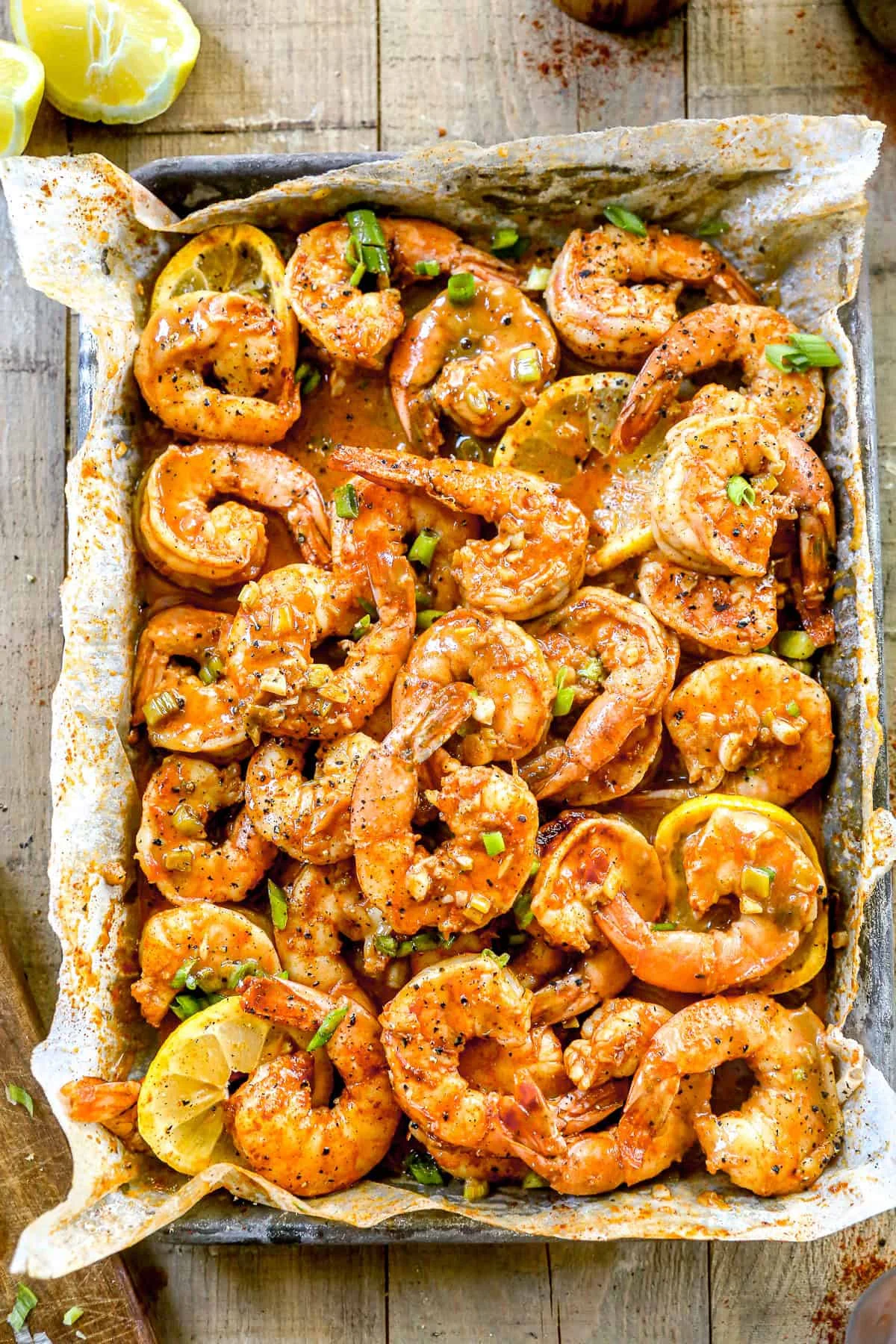
Furthermore, the versatility of the base allows for significant customization. Those who find the stir-fry method daunting can pivot to a "Sheet Pan" alternative, which uses oven-roasting to achieve similar results, albeit with a different flavor profile. The sheet pan version sacrifices the "char" of the wok but gains significant convenience, as it eliminates the need for constant monitoring of the pan.
Implications for Future Home Cooking
The success of the Shrimp and Broccoli stir-fry is a microcosm of a broader shift in home-cooking trends. As consumers become more conscious of the ingredients they consume, they are looking for "bridge recipes"—dishes that are healthy enough to be a staple but delicious enough to compete with delivery.

The reliance on fresh aromatics (ginger and garlic) and the rejection of pre-made, high-fructose sauces demonstrate a maturing palate among home cooks. By mastering the simple technique of staggered cooking, the home cook moves from a passive follower of recipes to an active participant in flavor development.
Conclusion: A Masterclass in Efficiency
Ultimately, the Shrimp and Broccoli stir-fry serves as a reminder that cooking does not need to be a complex, multi-hour affair to be rewarding. It is a dish that rewards preparation and respects the inherent qualities of its ingredients. By focusing on the fundamentals—heat management, ingredient timing, and high-quality aromatics—any home cook can replicate the professional techniques that make the stir-fry a cornerstone of global cuisine.

Whether you are a novice looking to build confidence in the kitchen or a seasoned pro looking for a reliable, healthy weeknight staple, this recipe provides the framework for success. It is a dish that proves, quite definitively, that the best meals are often the ones made quickly, intentionally, and with a respect for the ingredients at hand.