SANTA FE, N.M. — As late summer temperatures peak across the American Southwest, a distinct, savory aroma begins to drift across farmers’ markets, grocery store parking lots, and residential neighborhoods. It is the unmistakable scent of Hatch chiles roasting over open flames—a seasonal culinary phenomenon that signals the arrival of autumn for chile enthusiasts worldwide.

For a brief, highly anticipated window each year, fresh green chiles harvested exclusively from the Hatch Valley in New Mexico flood produce aisles nationwide. For home cooks and food historians alike, the season represents an opportunity to elevate everyday meals with an ingredient that boasts a complex flavor profile unlike any other pepper on Earth.
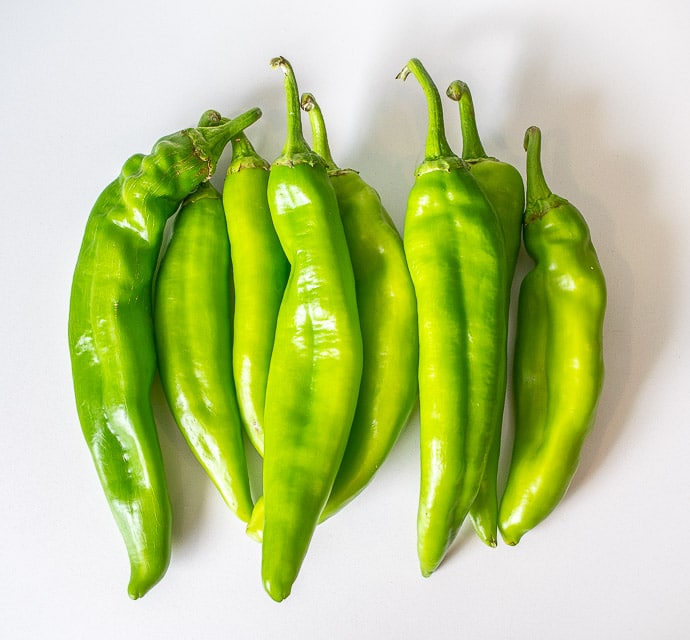
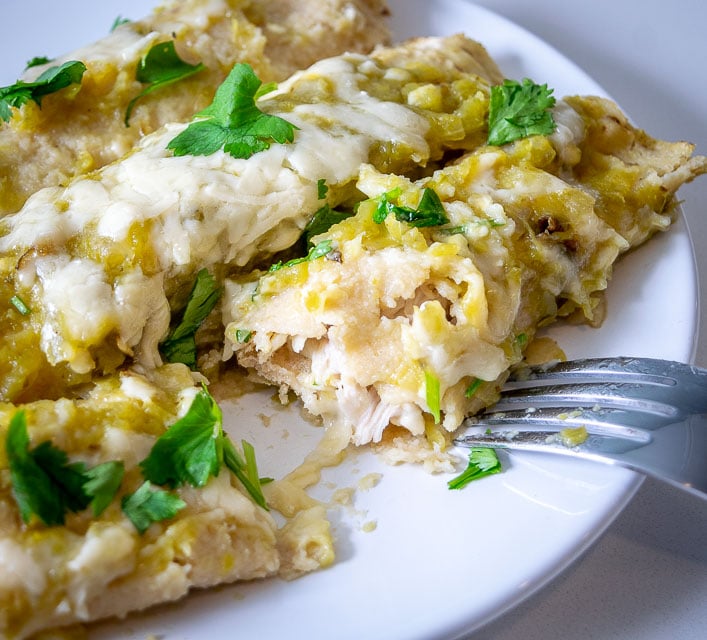
While these prized pods can be incorporated into everything from morning eggs to late-night soups, few dishes showcase their buttery, earthy heat quite like classic green chile enchiladas.
Main Facts: The Magic of the Hatch Valley
The allure of the Hatch chile lies in its unique terroir. Grown along the fertile floodplains of the Rio Grande in southern New Mexico, the combination of intense sunlight, hot days, cool nights, and mineral-rich sandy loam yields a pepper with a thick flesh, robust smokiness, and a balanced heat profile that ranges from mild to medium-hot.
- The Harvest Window: Hatch chile season typically runs from early August through the end of September, lasting roughly six to eight weeks depending on weather conditions.
- Versatility: While fresh chiles are the gold standard during harvest season, frozen and roasted varieties are increasingly accessible in supermarket freezer aisles year-round.
- The Core Technique: According to culinary experts, the secret to exceptional green chile dishes is the roasting process, which breaks down the pepper’s tough outer skin and caramelizes its natural sugars, unlocking a rich, savory depth.
For those unable to source fresh peppers locally, a thriving direct-to-consumer market allows enthusiasts to purchase fresh or roasted Hatch chiles online, shipped directly from New Mexico farms.
Chronology: Step-by-Step Culinary Guide to Hatch Enchiladas
Crafting an authentic batch of Hatch Green Chile Enchiladas requires patience, proper timing, and a respect for the ingredients. Below is the step-by-step chronology for transforming raw peppers into a world-class dinner.
Phase 1: Roasting and Preparing the Chiles
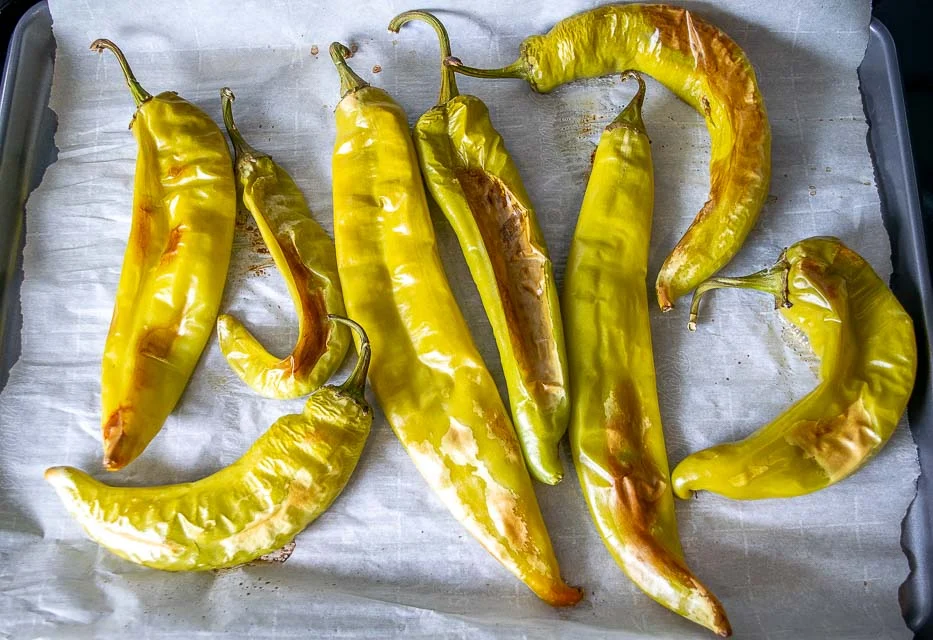
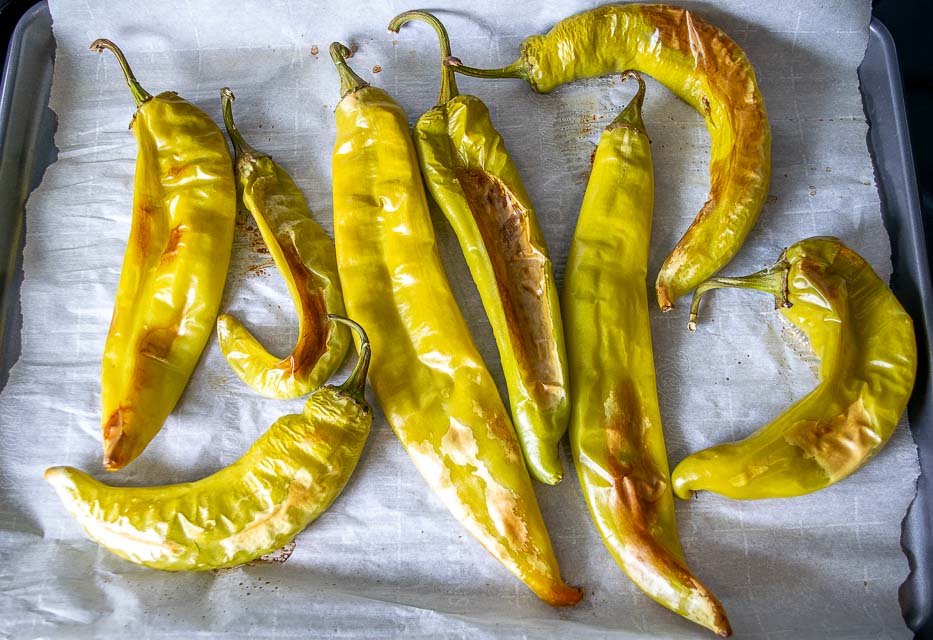
- The Roast (0–30 Minutes): Place 7 to 8 fresh Hatch chiles on a baking sheet and roast in a preheated oven at 400°F for roughly 25 minutes (alternatively, they can be charred over a backyard grill or open gas flame). The peppers should develop blistered, puffed skin and release a fragrant, roasted aroma.
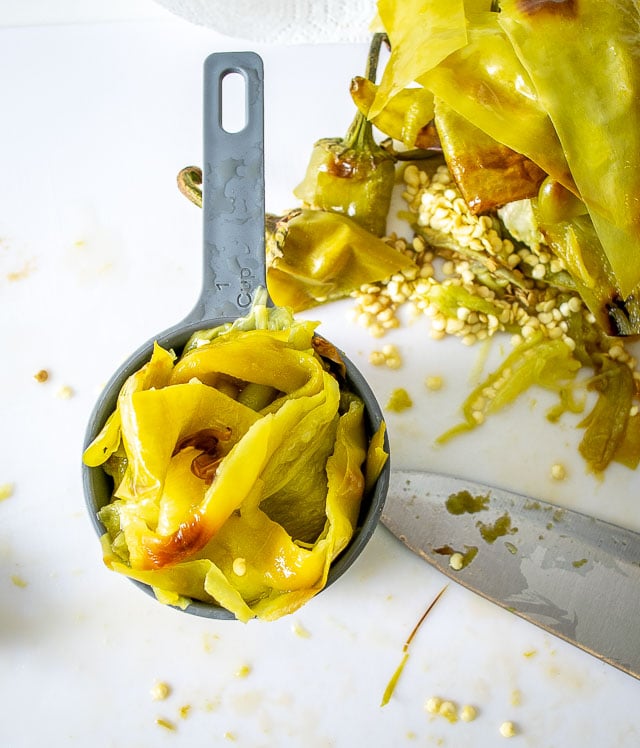
- Cooling and Peeling: Allow the chiles to cool safely. Once manageable, gently peel away the charred outer skin—focusing primarily on texture rather than perfection—and remove the stems and seeds. A few stray seeds left behind will not impact the final flavor.
- Yield: Seven to eight whole chiles will yield approximately 1.5 cups of diced pepper pieces, the ideal quantity to anchor a sauce for two hungry diners (making roughly 7 to 8 standard enchiladas).
Phase 2: Simultaneous Chicken Preparation
While the peppers roast, home cooks can efficiently prep the protein.
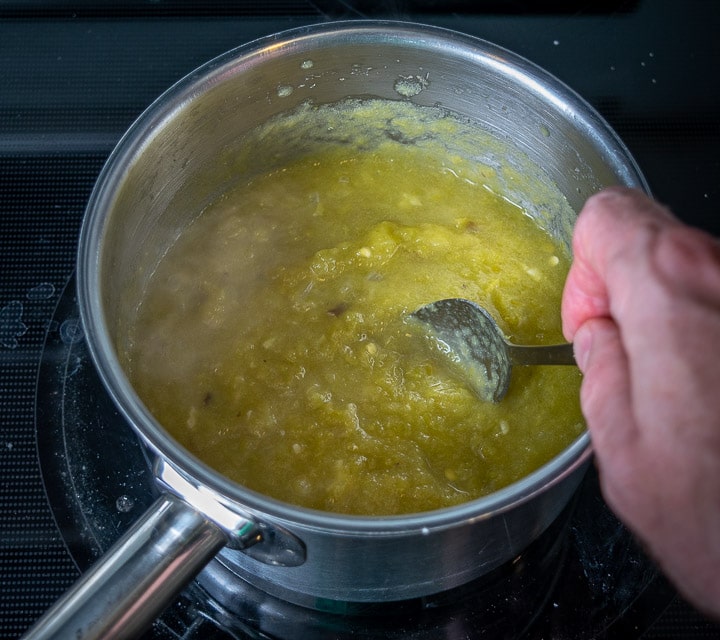
- Poaching Method: Submerge a single chicken breast in cold water, bring to a boil, and reduce to a gentle simmer for 20 minutes until the interior registers no pinkness. (For enhanced flavor, cooks can toss onion, cilantro, and salt into the poaching water).
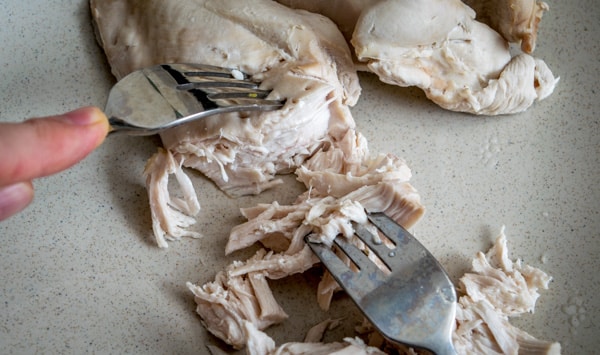
- Shredding: Once cooled, use two forks to shred the tender chicken breast completely.
Phase 3: Building the Hatch Enchilada Sauce
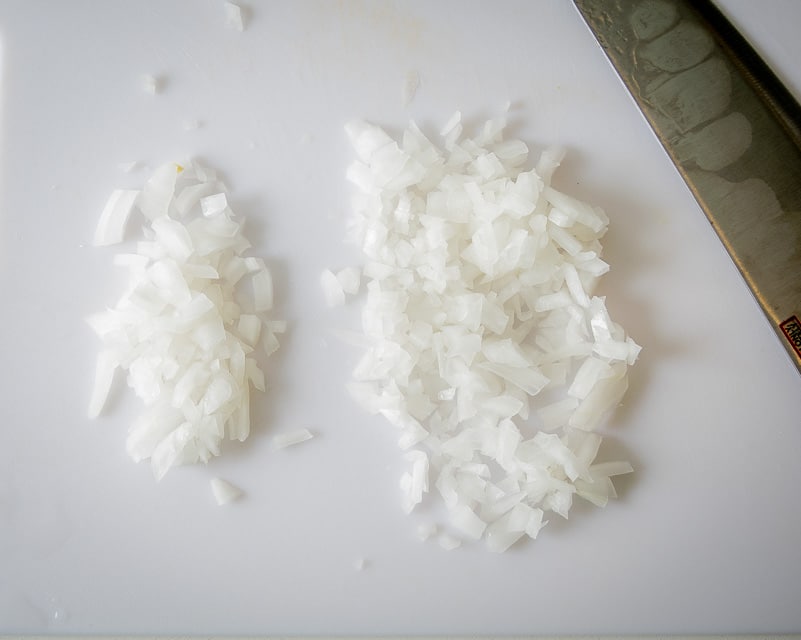
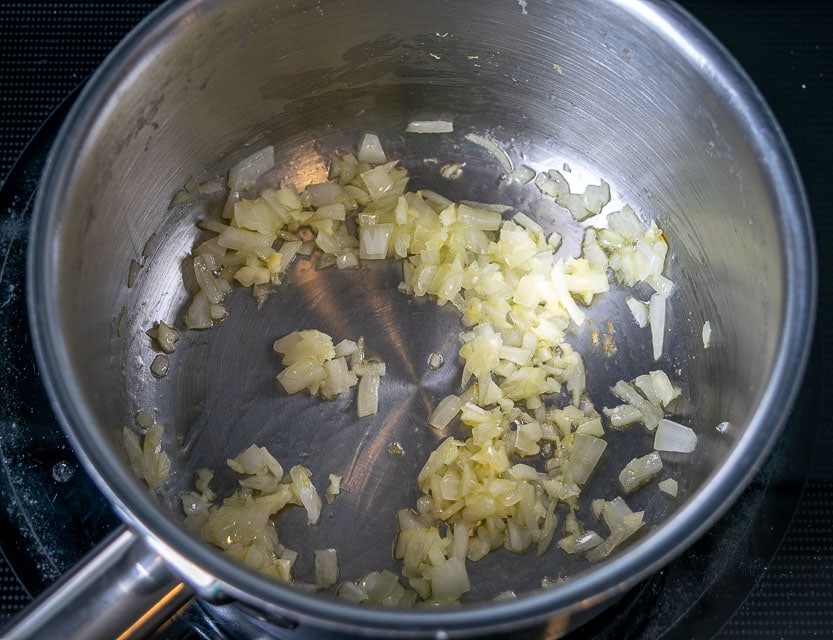
- Aromatics: Finely chop half a yellow onion, reserving a few tablespoons for the enchilada fillings. Sweat the majority of the onions in a pan with neutral oil over medium heat until translucent. Add a finely minced garlic clove for the final minute of cooking.
- Blending: Transfer the diced Hatch chiles into a blender along with a splash of water or low-sodium stock, pulsing until smooth.
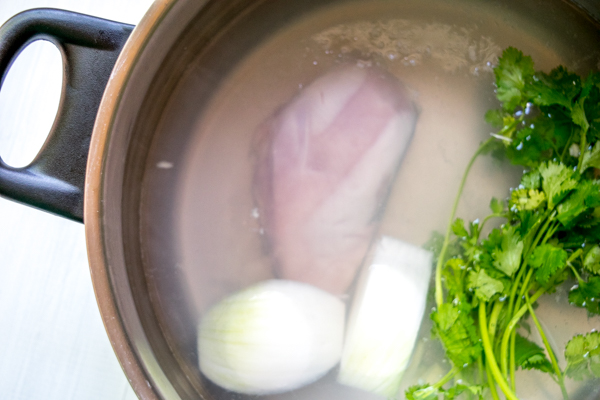
- Simmering: Combine the blended chiles with the sautéed onion-garlic mixture in a saucepan. Stir in 1 cup of stock (preferably homemade, sodium-free chicken stock to maintain control over the salt levels), 1 teaspoon of authentic Mexican oregano, a pinch of ground cumin, 1/4 teaspoon of salt, and freshly cracked black pepper.
- Reduction: Let the sauce simmer gently for several minutes. Taste and adjust seasoning as necessary. A properly balanced sauce should offer a savory, buttery richness that begs to be tasted straight from the pan.
Phase 4: Assembly and Baking
- Tortilla Pliability: Warm corn tortillas in the oven or microwave (covered with damp paper towels) to ensure they roll without tearing.
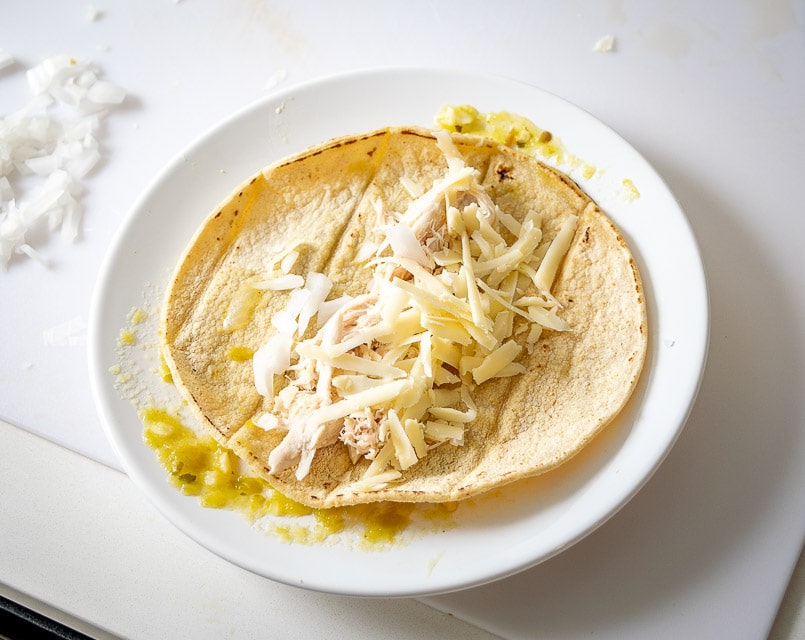
- The Dredge: Pour a layer of the warm Hatch sauce onto a shallow plate. Lightly dredge a corn tortilla through the sauce, flipping it to coat both sides—this ensures interior flavor.
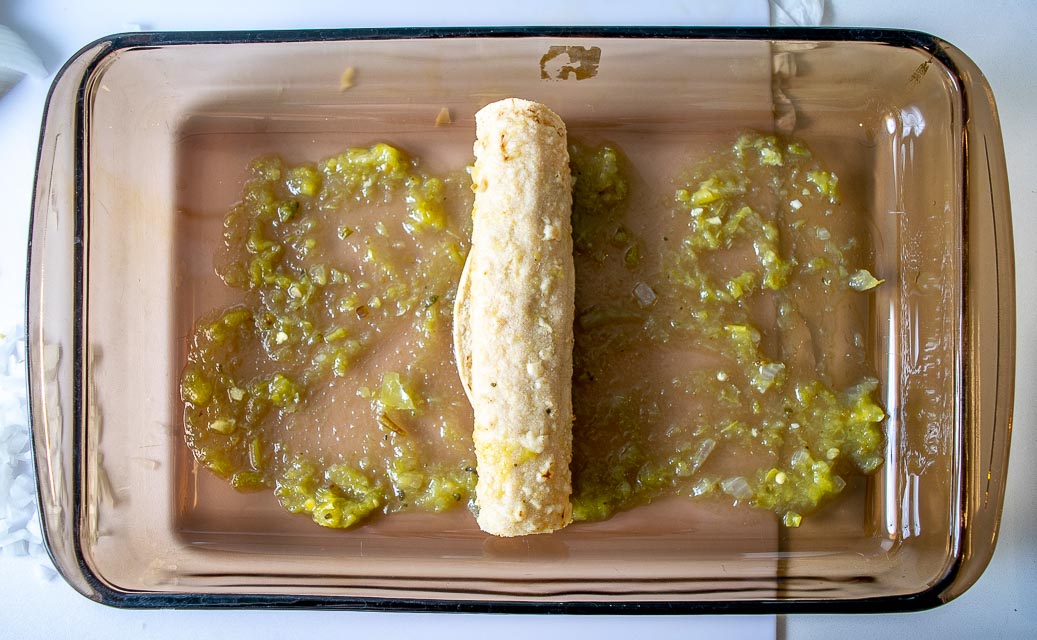
- The Roll: Fill the coated tortilla with shredded chicken, a pinch of reserved raw onion, and a generous handful of shredded cheese. Roll tightly and place seam-side down in a baking dish pre-coated with a thin layer of sauce to prevent sticking.
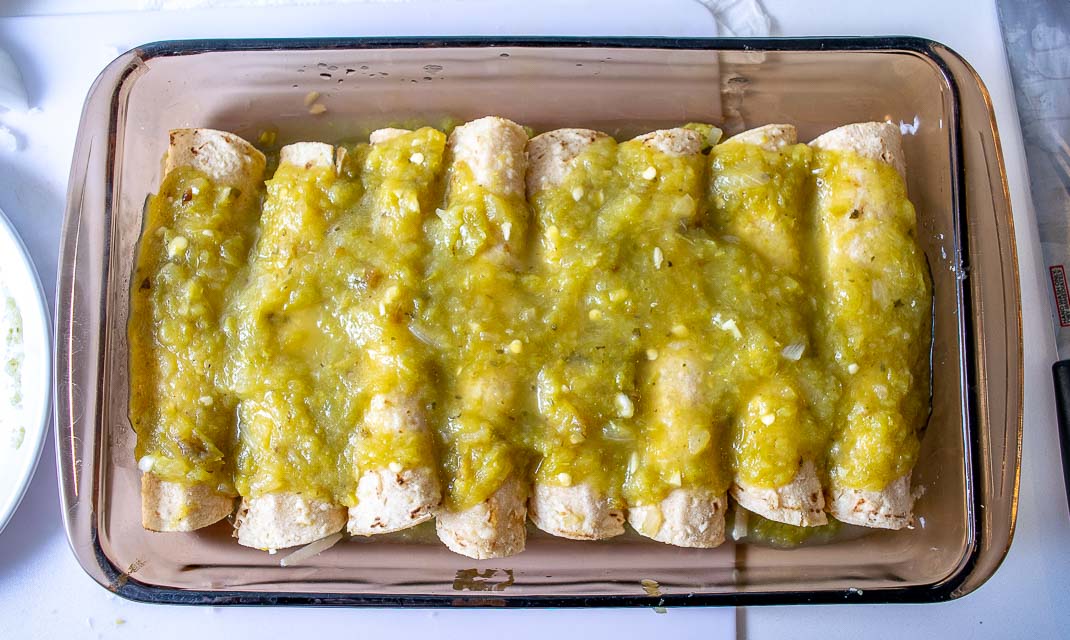
- The Drench: Repeat until the chicken is used up (typically 7–8 enchiladas). Drench the assembled rolls thoroughly in the remaining Hatch enchilada sauce, giving the pan a gentle shake to let the sauce seep into the crevices. Top with an extra blanket of shredded cheese.
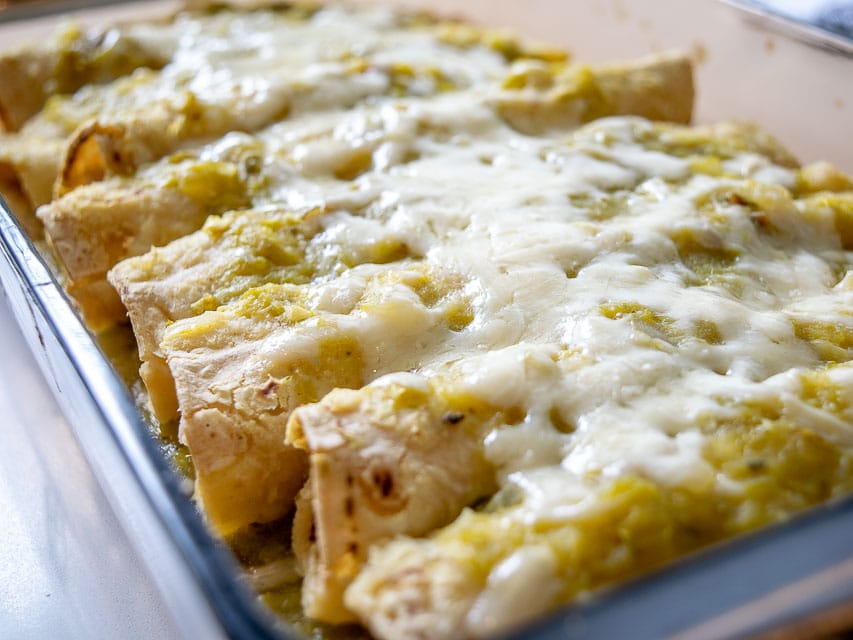
- The Final Bake: Bake in a 400°F oven for approximately 10 minutes, or until the cheese is completely melted and bubbling, and the edges of the corn tortillas are just beginning to crisp.
Supporting Data: Understanding Heat and Sodium Profiles
Culinary researchers and home chefs emphasize that balancing a green chile dish requires understanding the chemistry of the ingredients:
- Heat Management: While Hatch chiles are widely categorized as medium-heat peppers (significantly milder than habaneros or jalapeños, but warmer than bell peppers), using 7 to 8 peppers in a single sauce will accumulate noticeable heat. For sensitive palates, cooks are advised to roast the full batch of peppers but blend only half into the sauce initially, adding the remainder incrementally to taste.
- Sodium Control: Store-bought chicken broths and stocks often contain high amounts of sodium, which can easily overpower the delicate, earthy flavors of fresh Hatch chiles. Culinary purists recommend using a low-sodium or unsalted homemade chicken stock, allowing the chef to precisely control the final salinity of the sauce with kosher or sea salt.
- Substitutions: Authentic Mexican oregano possesses a unique, citrusy, and slightly licorice-like profile that differs vastly from Mediterranean oregano. If Mexican oregano is unavailable, it is preferable to omit it entirely rather than substitute standard supermarket oregano, which can introduce an overly medicinal flavor.
Official Responses and Culinary Perspectives
Food writers, regional chefs, and agronomists across New Mexico have long championed the cultural significance of the harvest.
"The Hatch chile is more than just an agricultural product; it is a seasonal touchstone for our community," notes executive chef and culinary educator Maria Vasquez. "When you roast a fresh Hatch chile, you aren’t just cooking dinner—you are participating in a tradition that spans generations. The flavor profile is entirely singular, combining a bright, vegetal crispness with a smoky, buttery finish that cannot be replicated by canned alternatives."
Nutritionists also point out that fresh green chiles are a powerhouse of vitamins A and C, as well as capsaicin, a natural compound associated with metabolic support and anti-inflammatory properties.
Implications: Expanding Your Culinary Horizons Beyond August
While the excitement surrounding Hatch chile season peaks in late summer, the culinary implications extend well into the colder months. Because the peppers freeze exceptionally well after roasting, savvy home cooks often purchase bushels of fresh chiles, process them, and store them in vacuum-sealed bags to enjoy throughout the winter.
Beyond enchiladas, leftover roasted Hatch chiles serve as a versatile foundation for a wide array of Southwestern comfort foods, including:
- Hatch Chile Soup: A fiery, hearty broth-based soup utilizing potatoes, corn, and shredded pork or chicken.
- Roasted Hatch Chile Salsa: A bright, smoky condiment perfect for tacos, chips, or grilled meats.
- Hatch Chicken Chile Verde: A slow-simmered stew where pork or chicken shoulders bathe in a vibrant, pepper-heavy green sauce.
By embracing the fleeting window of Hatch chile season and mastering foundational techniques like proper roasting, brining chicken, and building scratch-made green sauces, home cooks can permanently elevate their weeknight repertoire.
Buen provecho.