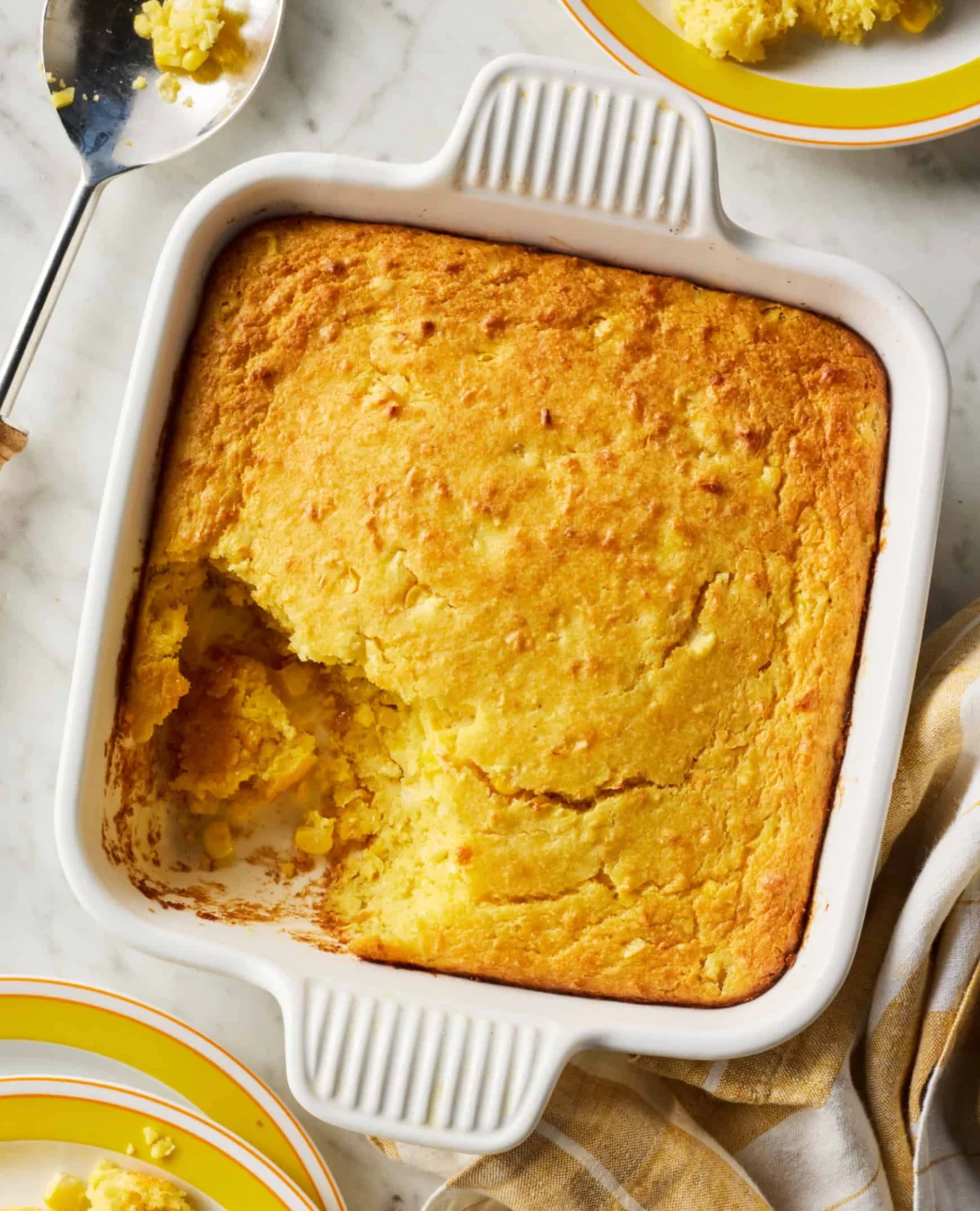
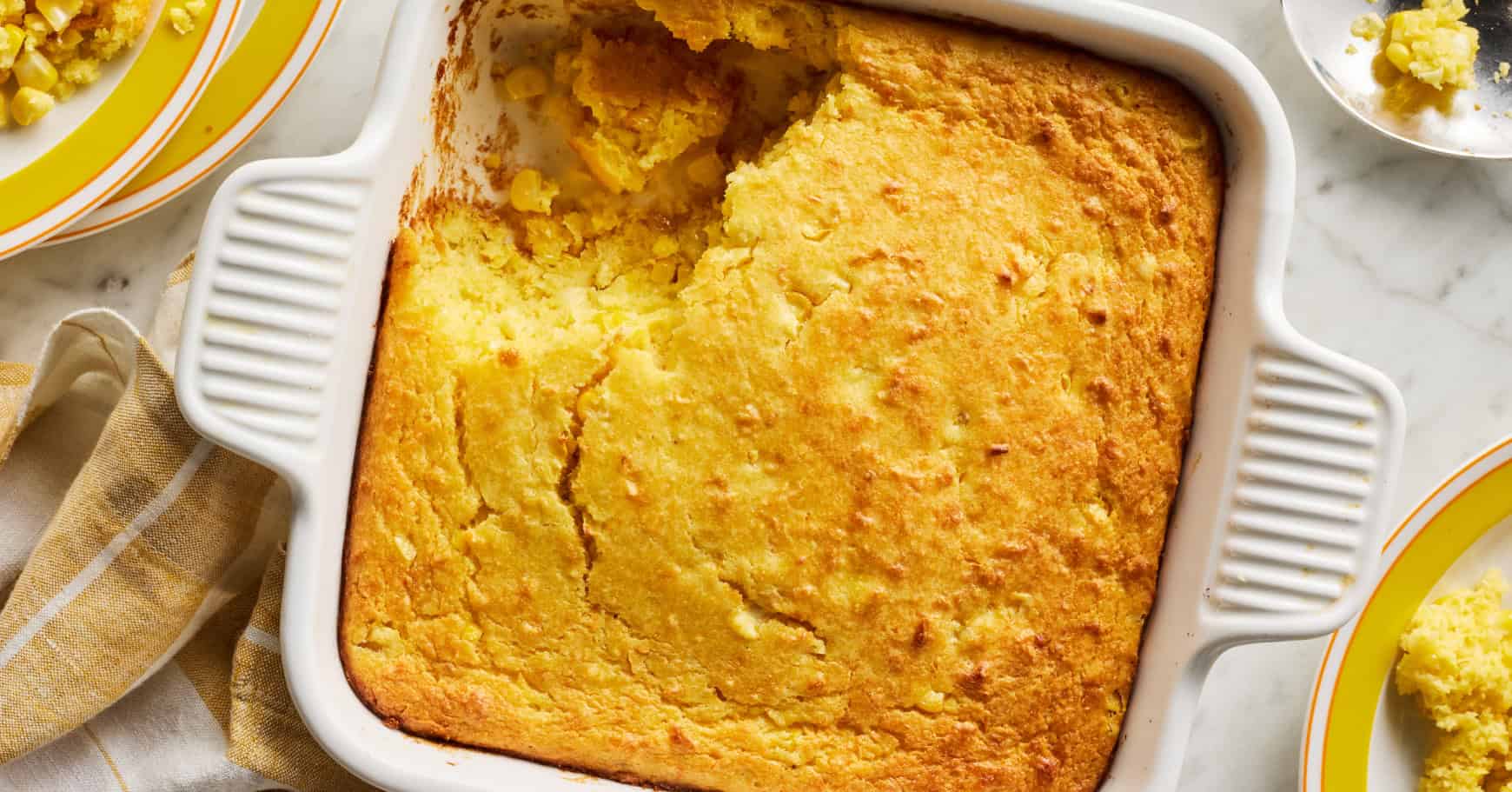
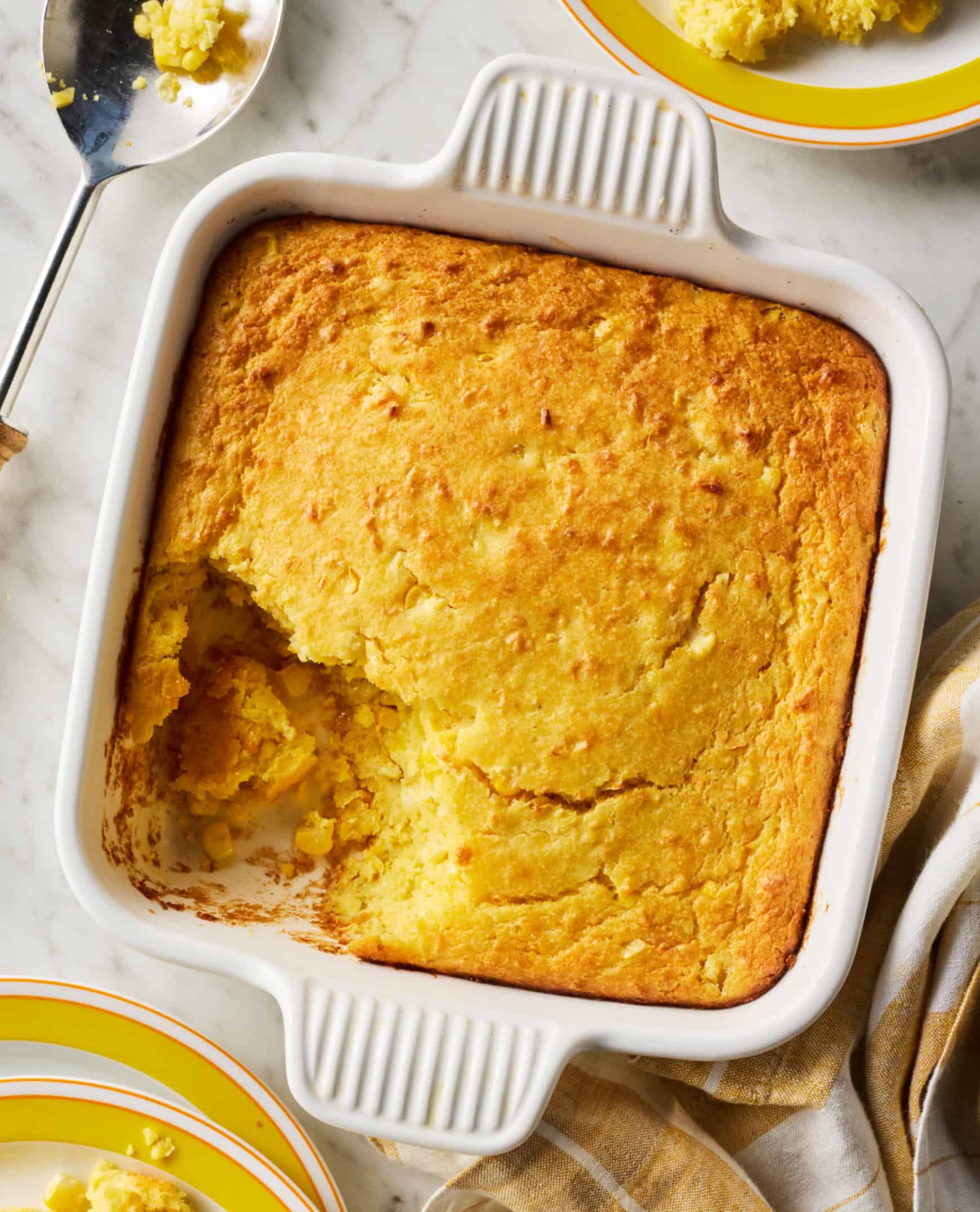
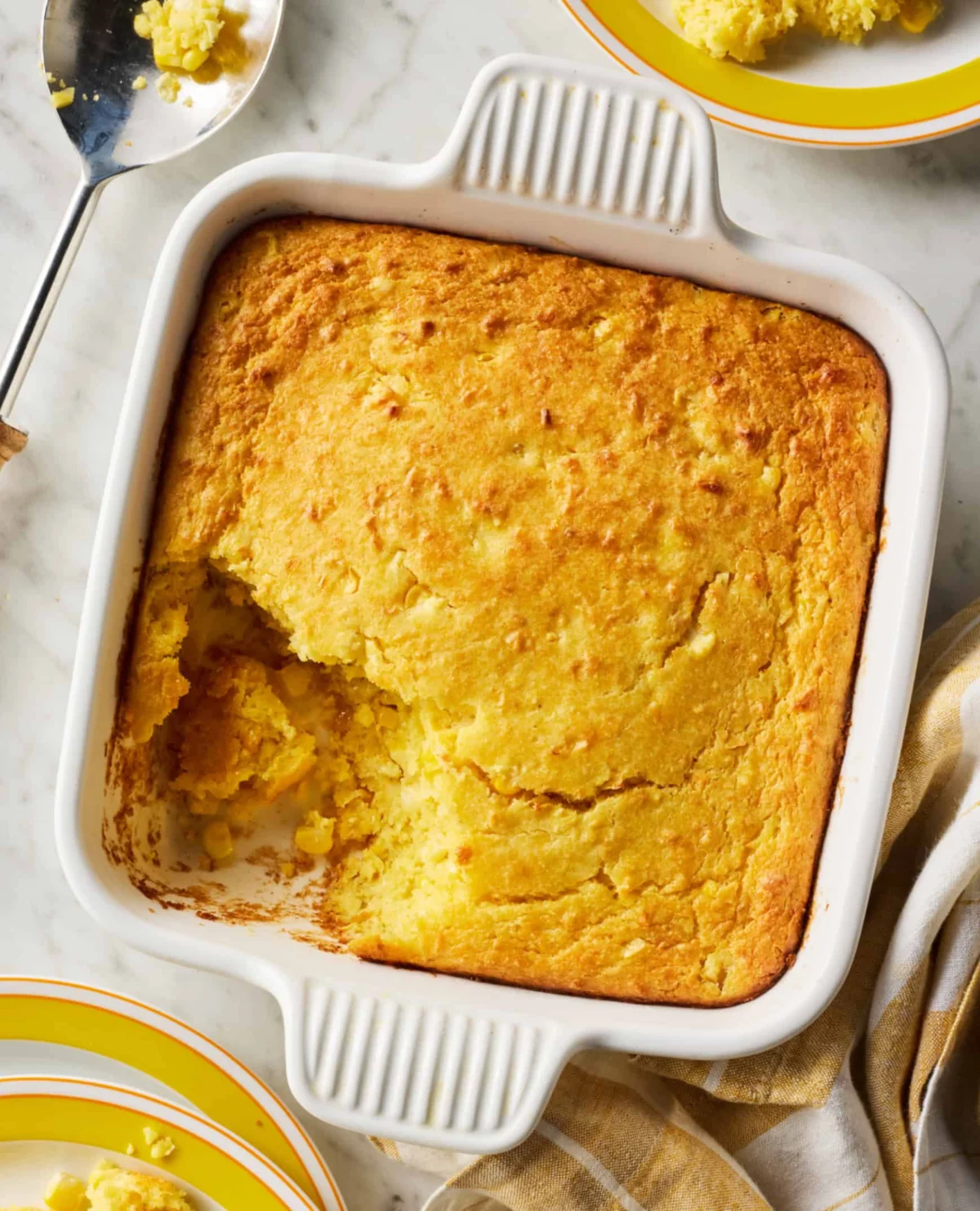
When autumn arrives and the air turns crisp, home cooks across the country begin searching for dishes that offer ultimate comfort. At the center of many holiday tables, potlucks, and Sunday family dinners sits the quintessential corn casserole. Renowned for its golden-brown, caramelized edges and an ultra-creamy, spoonable center, this beloved side dish bridges the gap between sweet and savory flavor profiles.
Traditional iterations of corn casserole—frequently popularized by boxed mixes like Jiffy and canned creamed corn—have long been a shortcut staple in American households. However, a culinary shift toward from-scratch cooking has inspired chefs and home cooks alike to elevate this classic comfort food. By replacing processed mixes with fresh produce and custom dry-ingredient blends, culinary enthusiasts are discovering that they can achieve a superior texture and a more robust, natural corn flavor without sacrificing convenience.
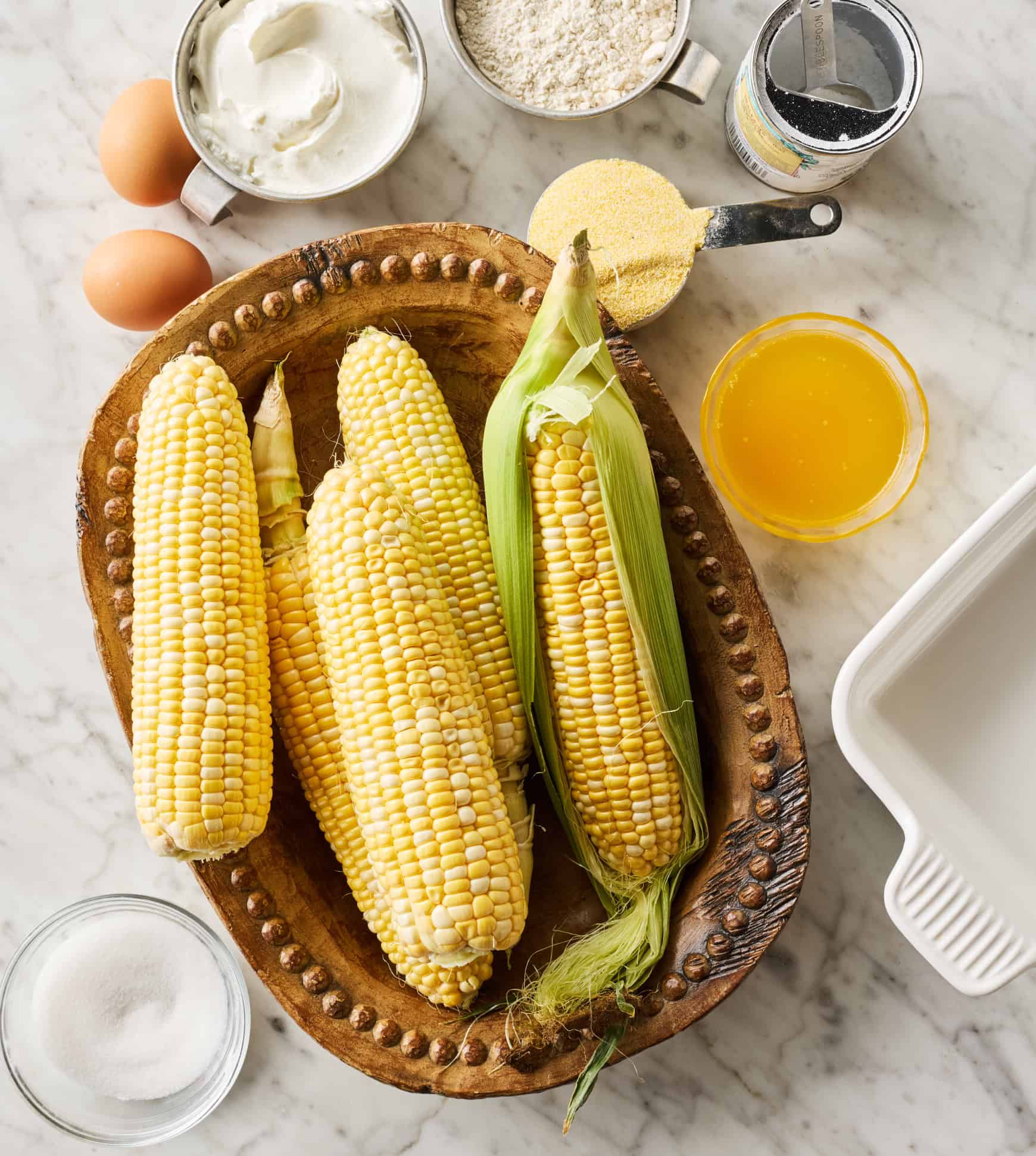
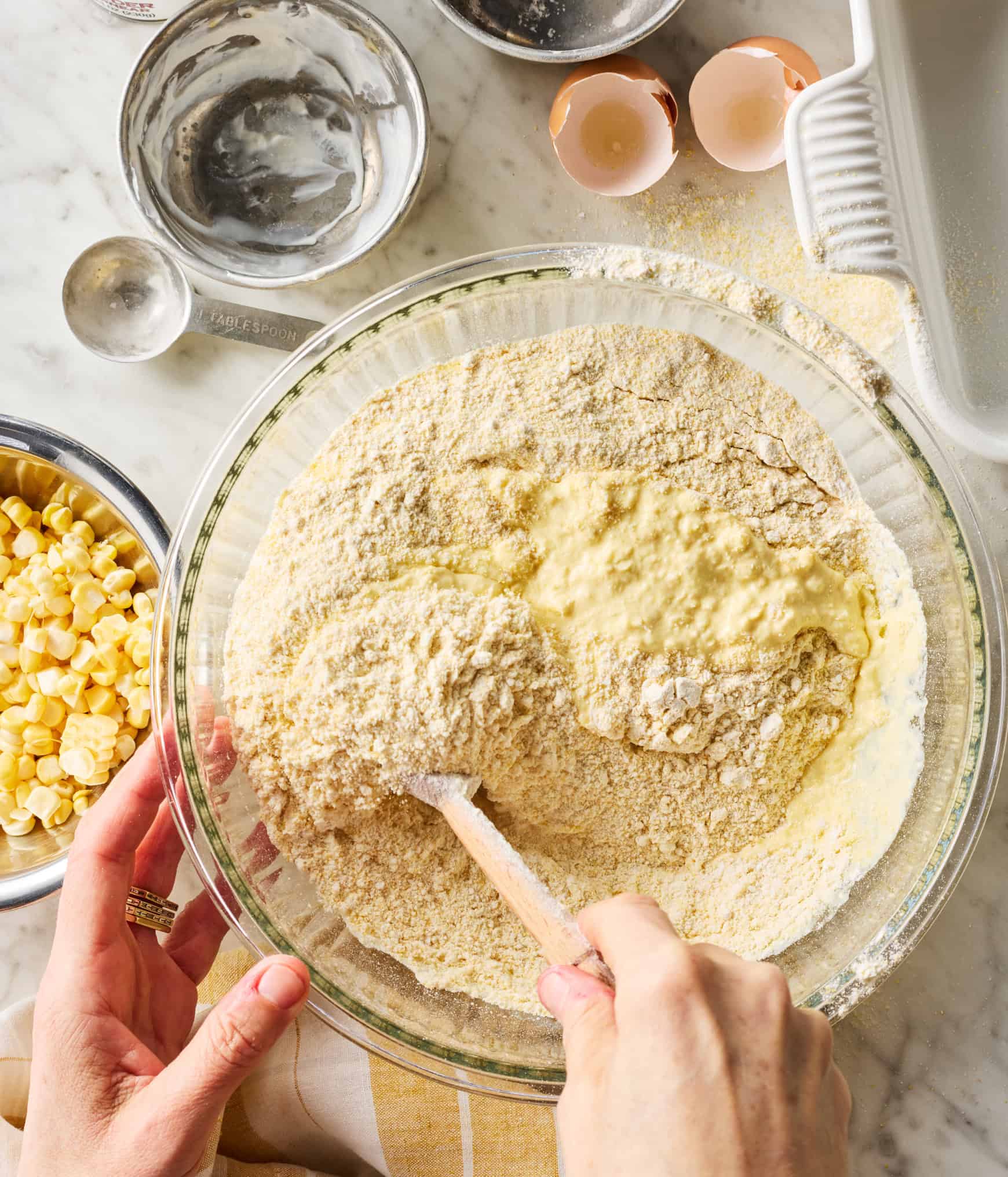
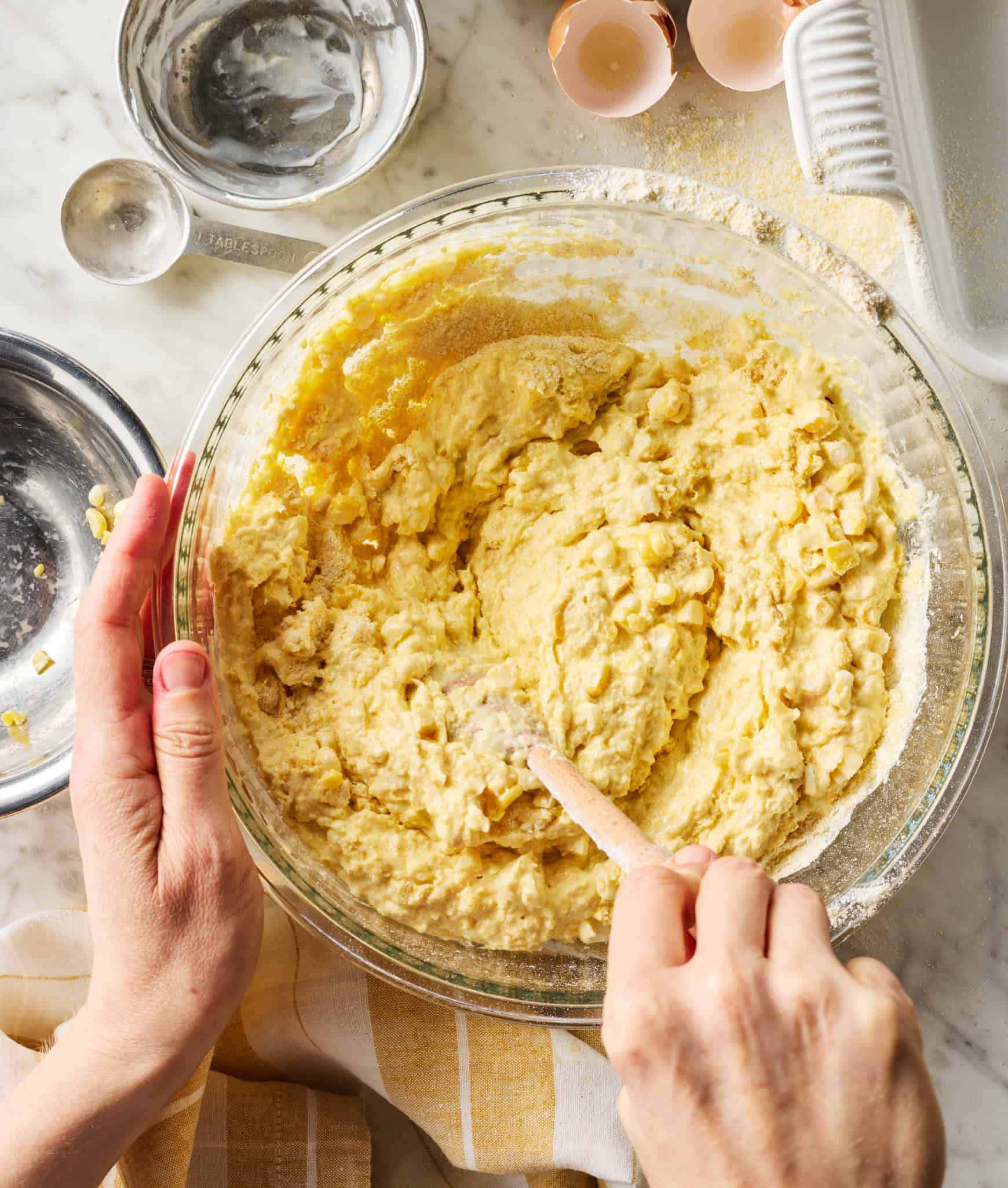
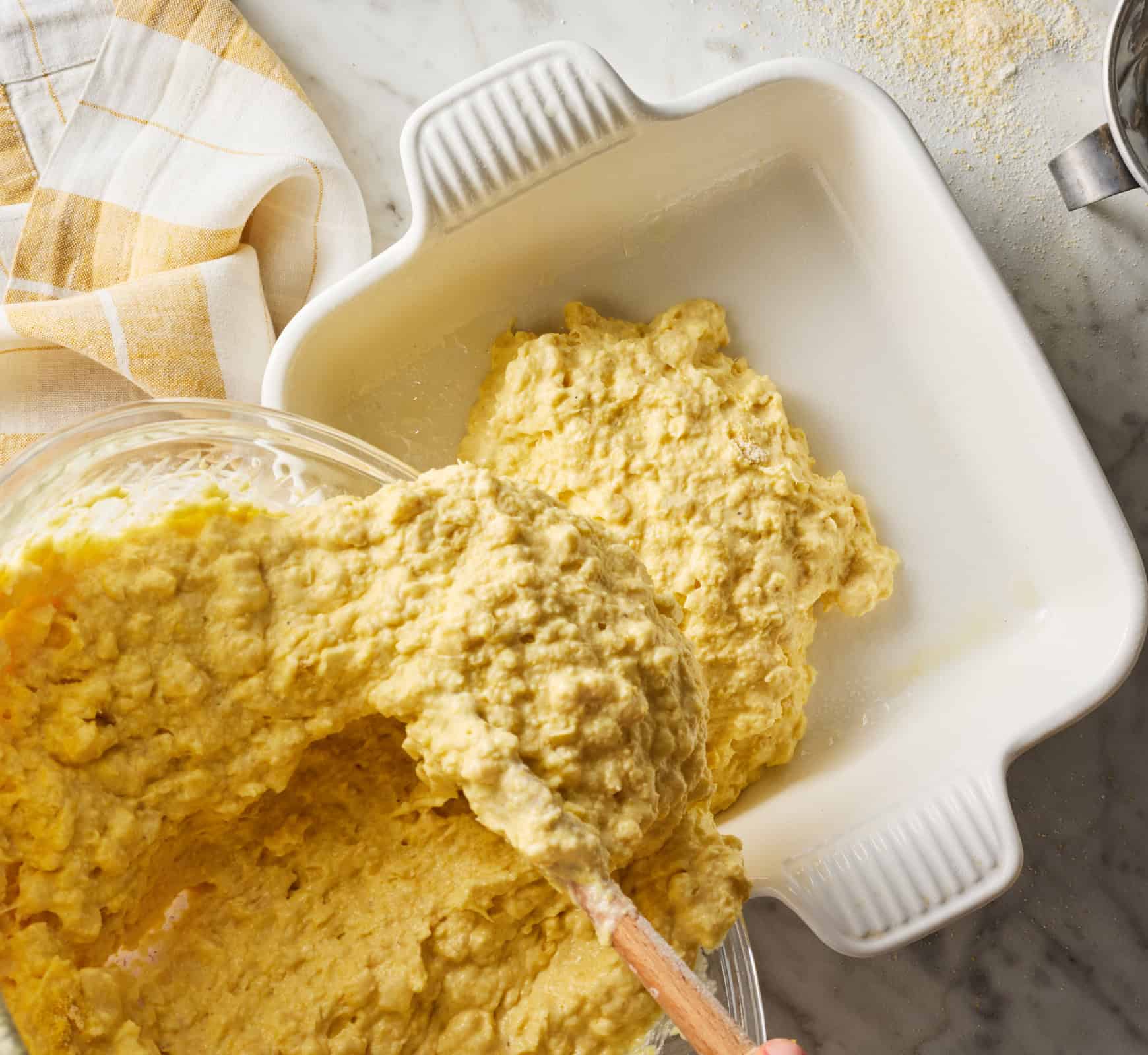
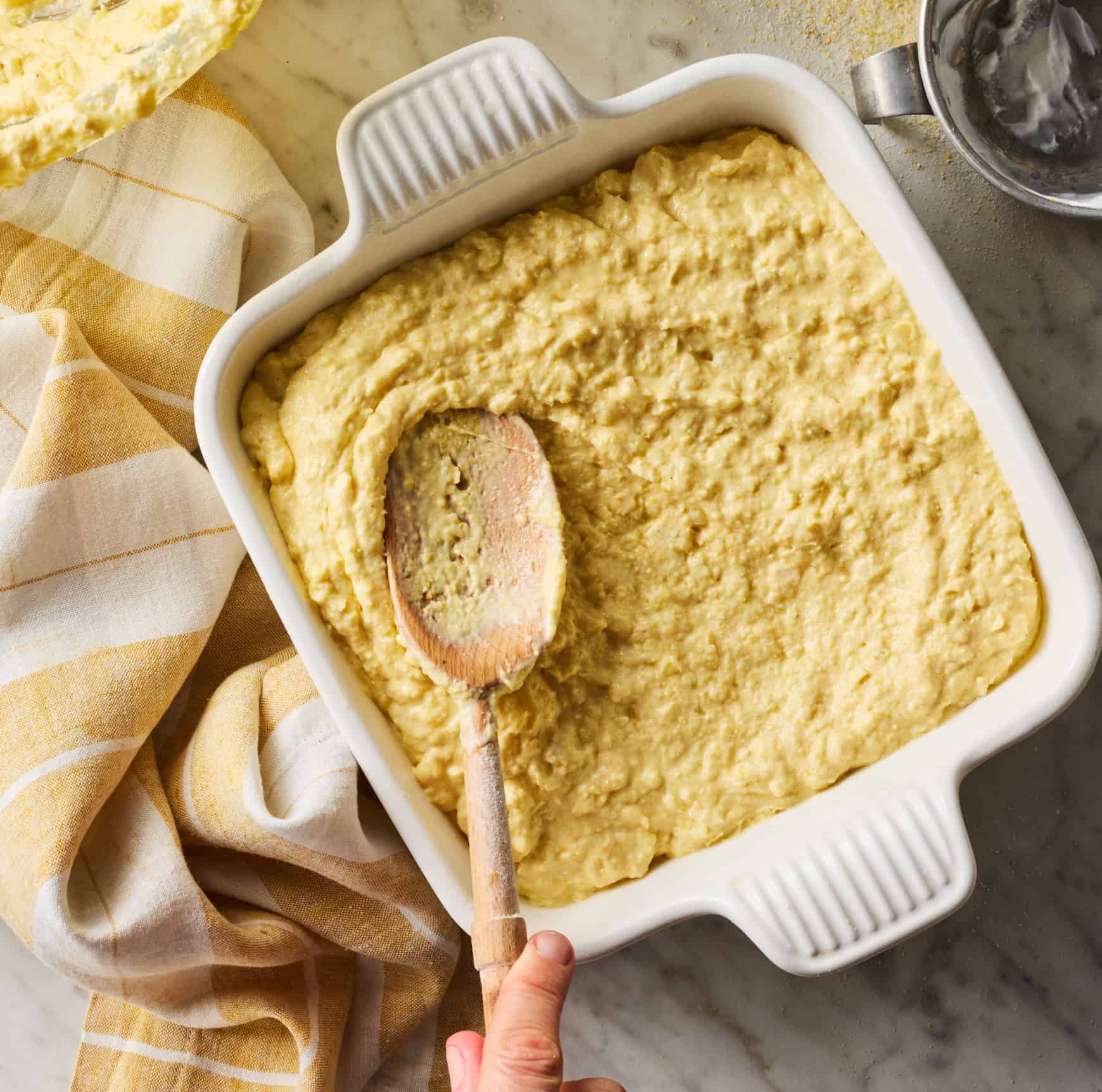
This reimagined corn casserole recipe relies on a clever technique: pureeing a portion of the corn kernels to naturally mimic the rich, velvety texture of traditional canned cream-style corn. The remaining whole kernels are folded into a thick, harmonious batter crafted from flour, cornmeal, baking powder, eggs, melted butter, and sour cream. The result is a lighter, more vibrant side dish that still honors the nostalgic roots of its predecessor.
Versatility remains one of the recipe’s strongest attributes. While designed to showcase fresh sweet corn during the early autumn harvest, the dish can be adapted effortlessly for winter holidays using frozen or canned alternatives. Furthermore, its robust make-ahead profile makes it an invaluable asset for holiday hosting, allowing home cooks to check a crucial menu item off their list days in advance.
Chronology
The evolution of the corn casserole from a regional southern staple into a nationwide holiday favorite spans decades, marked by the rise of convenience foods in the mid-20th century and their modern, from-scratch revitalization.
Mid-20th Century (The Convenience Era): The widespread commercial availability of packaged cornbread mixes and canned creamed corn revolutionized American home baking. Busy families embraced these products for their speed, giving birth to the classic, highly comforting "five-ingredient" corn casserole (often featuring Jiffy mix, canned whole kernel corn, canned creamed corn, eggs, and sour cream).
Late 20th Century: The casserole solidified its place as a mandatory holiday side dish, appearing alongside mashed potatoes and stuffing at Thanksgiving and Christmas celebrations across the United States.
Early 21st Century: Culinary movements emphasizing farm-to-table dining and scratch cooking began to challenge reliance on processed ingredients. Home cooks sought ways to recreate nostalgic comfort foods using fresh, seasonal vegetables and pantry staples.
Recent Years: Culinary innovators perfected hybrid methods—such as blending fresh corn kernels to replicate creamed corn—allowing cooks to enjoy the best of both worlds: the luscious texture of the traditional dish combined with the bright, clean taste of fresh ingredients.
Present Day: Comprehensive recipes and make-ahead guides have modernized the corn casserole, cementing its status as an adaptable, year-round comfort food that accommodates fresh, frozen, or canned corn with equal success.
Supporting Data
Understanding the nutritional profile and preparation metrics of a traditional yet elevated corn casserole helps home cooks plan their menus effectively. The data below outlines the time investment, serving size, and nutritional breakdown per serving based on a standard 9×9-inch baking dish yielding nine portions.
Preparation and Yield Metrics
Prep Time: 15 minutes
Cook Time: 45 to 50 minutes
Total Time: 1 hour
Standard Yield: 9 generous servings
Baking Temperature: 350°F (175°C)
Nutritional Profile Per Serving (1 Slice)
Calories: 292 kcal
Calories from Fat: 153 kcal
Total Fat: 17g (26% Daily Value)
Saturated Fat: 9g (56% Daily Value)
Trans Fat: 0.4g
Polyunsaturated Fat: 1g
Monounsaturated Fat: 4g
Cholesterol: 75mg (25% Daily Value)
Sodium: 368mg (16% Daily Value)
Potassium: 287mg (8% Daily Value)
Total Carbohydrates: 33g (11% Daily Value)
Dietary Fiber: 3g (13% Daily Value)
Sugars: 10g (11% Daily Value)
Protein: 6g (12% Daily Value)
Vitamin A: 631 IU (13% Daily Value)
Vitamin C: 5mg (6% Daily Value)
Calcium: 110mg (11% Daily Value)
Iron: 1mg (6% Daily Value)
(Note: Percent Daily Values are based on a 2,000-calorie diet. Individual nutritional values may vary depending on specific brand ingredients and substitution choices.)
Official Responses and Culinary Insights
Culinary experts, home economists, and food bloggers have widely weighed in on the enduring popularity of corn casserole, offering valuable professional advice on how to master the dish and adapt it to various dietary needs and time constraints.
The Philosophy of Comfort Cooking
Food historians and recipe developers point out that dishes like corn casserole endure because they evoke a profound sense of emotional comfort. Culinary professionals emphasize that while convenience mixes have their place, investing just a few extra minutes into making a homemade base yields an exponential return in flavor depth.
"When you take the time to puree fresh corn to create your own creamy base, you unlock a vibrancy that canned products simply cannot replicate," notes one leading culinary developer. "Yet, the beauty of this recipe is that it remains completely forgiving. If you need to lean on a box of Jiffy mix or reach for a bag of frozen corn on a busy weeknight, the dish still delivers that signature creamy center and golden crust."
Expert Tips for Success
Culinary instructors and experienced home cooks frequently highlight several key techniques to ensure optimal results when baking corn casserole:
Do Not Overmix the Batter: Much like preparing pancakes or muffins, stirring the batter too vigorously develops the gluten in the flour, resulting in a dense rather than tender crumb. A few small lumps in the batter are completely acceptable and normal.
Embrace the Resting Period: Pulling the casserole straight from the oven and slicing it immediately can lead to a collapsed, runny structure. Experts strongly advise letting the dish rest for at least 10 minutes before serving. This brief cooling period allows the starches and dairy proteins to set, ensuring clean, spoonable portions.
Strategic Make-Ahead Planning: For holiday hosts, time management is critical. Food safety and quality experts confirm that fully baked corn casseroles can be safely stored in the refrigerator for up to two days. Reheating them at a lower temperature (around 300°F) prevents the edges from over-browning while restoring the interior to its original creamy consistency.
Implications
The modern adaptation of classic comfort foods like corn casserole carries significant implications for modern cooking habits, holiday traditions, and dietary choices.
The Shift Toward Scratch Cooking with Flexibility
The growing popularity of from-scratch corn casseroles that retain flexibility for canned or frozen ingredients reflects a broader cultural trend. Today’s consumers increasingly value transparency and quality in their food, preferring to know precisely what goes into their dishes. However, modern lifestyles also demand efficiency. Recipes that successfully bridge this gap—offering premium taste through simple, approachable methods—empower busy individuals to prepare wholesome meals without feeling chained to the kitchen for hours.
Holiday Menu Optimization
In the context of holiday hosting, dishes that can be prepared in advance are paramount. The ability to bake a corn casserole up to 48 hours ahead of Thanksgiving or Christmas—or even freeze it for up to three months—drastically reduces kitchen congestion on the day of the event. This logistical advantage transforms what could be a stressful cooking marathon into a manageable, enjoyable celebration.
Nutritional Awareness and Dietary Customization
While traditional corn casseroles are celebrated for their rich, indulgent qualities (as evidenced by the notable saturated fat and sodium content), the modern approach allows for greater dietary customization. Cooks working with fresh, high-quality components can more easily monitor and modify sodium levels, experiment with alternative fats, or integrate whole-grain elements. As home cooks continue to seek a balance between health-conscious eating and pure nostalgic comfort, versatile recipes like this ensure that timeless holiday traditions will continue to thrive for generations to come.