Introduction: The Humble Drumstick Gets a Gourmet Makeover
In the competitive world of backyard barbecue, the chicken drumstick has historically played the role of the budget-friendly underdog. Often overlooked in favor of premium cuts like beef brisket, baby back ribs, or thick-cut pork chops, standard chicken legs are frequently dismissed as unevenly cooked, rubbery-skinned novelties prone to drying out near the bone while remaining undercooked closer to the center.
However, a revolutionary technique sweeping the culinary and competitive pitmaster circuits is changing the narrative entirely: butterflying.
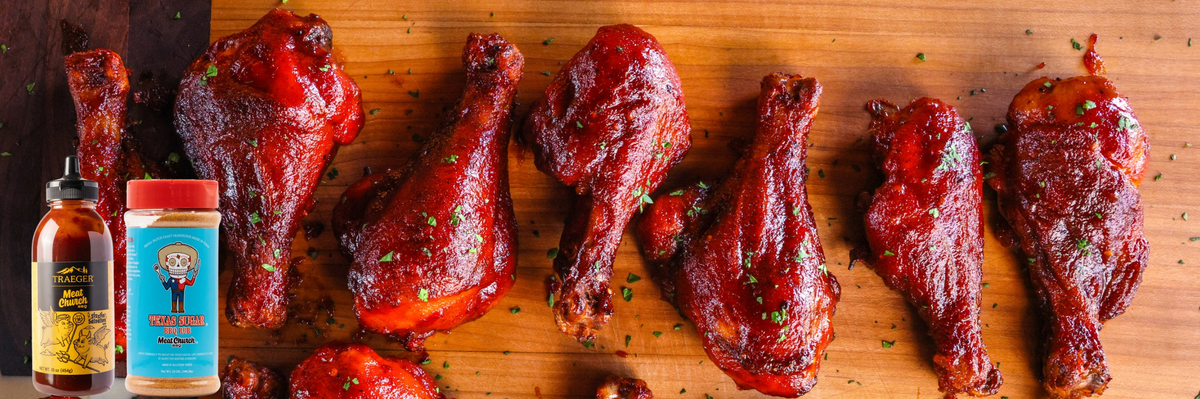
By slicing open a standard chicken drumstick down to the bone and flattening it out, backyard cooks can drastically alter the physics of poultry preparation. This simple knife skill creates a massive increase in surface area, allowing for deeper seasoning penetration, faster and more uniform cooking times, and a significantly superior ratio of crispy skin to tender meat. Paired with modern pellet grill technology, artisan rubs, and high-heat glazing techniques, butterflied drumsticks are transitioning from a simple weeknight dinner staple to a show-stopping barbecue delicacy.
Main Facts: Anatomy of the Ultimate Smoked Drumstick
To understand why butterflying works so effectively, one must look at the traditional challenges of cooking whole chicken legs. A standard drumstick is thick, dense, and encased in a tight cylinder of skin and meat wrapped around a central bone. Heat has to work its way inward, which often results in the outer layers overcooking or drying out before the meat near the bone reaches a safe, tender temperature.

The butterflying technique solves these structural flaws through a few distinct mechanisms:
- Maximized Surface Area: Opening the meat exposes the interior flesh, allowing spice rubs, smoke particles, and barbecue sauces to coat a significantly larger portion of the chicken.
- Even Heat Distribution: Because the meat is flattened, heat penetrates the cut uniformly from top to bottom, eliminating the danger of raw spots near the bone.
- Enhanced Texture: More skin is exposed directly to the heat source and smoke, yielding a much crispier exterior and preventing the dreaded "rubbery skin" texture common in slow-smoked poultry.
This technique serves as the foundation for a premier recipe utilizing professional-grade barbecue products. The process relies on a precision-controlled pellet smoker—specifically a Traeger Woodridge fueled by a blend of Meat Church Oak and Hickory Traeger Pellets—paired with two signature flavor profiles: Meat Church Texas Sugar rub and Sizzlin’ Salvation Sweet Heat BBQ Sauce.

Chronology: Step-by-Step Execution of the Recipe
Achieving competition-level results at home requires precise timing, proper temperature control, and a methodical approach to preparation. Here is the chronological timeline for executing the ultimate butterflied and glazed smoked drumsticks.
Phase 1: Preparing the Smoker
Before any knife touches the poultry, the cooking environment must be properly established.

- Preheat a pellet grill to 350°F (175°C).
- For this specific method, pitmasters recommend utilizing a hardwood blend—such as Meat Church Oak and Hickory Traeger Pellets—to impart a robust, traditional smoke flavor that cuts through the sweetness of the subsequent glazes without overpowering the natural poultry flavor.
Phase 2: Butterfly the Drums
The defining step of this recipe is the prep work.
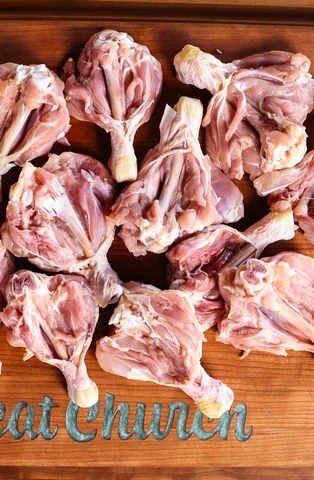
- Take a sharp boning knife or utility knife and slice the chicken leg open longitudinally, cutting carefully down to the bone.
- Spread the meat open so that the entire drumstick can lay completely flat on a cutting board. This step fundamentally alters the geometry of the cut, preparing it for optimal seasoning adherence.
Phase 3: Seasoning
With the meat flattened and exposed:

- Generously dust the chicken on all sides with Meat Church Texas Sugar, ensuring an even layer covers both the skin and the newly exposed interior meat.
- Allow the seasoned chicken to rest at room temperature for approximately 15 minutes. This "sweating" period allows the salt and spices in the rub to dissolve slightly and begin drawing into the surface proteins, maximizing flavor absorption.
Phase 4: Smoking the Chicken
- Place the prepared drumsticks directly onto the preheated smoker grates, positioned butterflied-side down to start the cook with direct radiant heat on the meat’s interior.
- Cook the chicken undisturbed for roughly 40 minutes.
- Monitor the internal temperature using a reliable digital instant-read thermometer inserted into the thickest part of the meat, ensuring it avoids direct contact with the bone. Remove the chicken once it reaches an internal temperature of 170°F (77°C). While traditional food safety standards deem poultry safe at 165°F, taking dark meat slightly higher helps break down connective tissue, yielding a much more tender, succulent bite.
Phase 5: Saucing and Finishing
- Once the chicken hits the 170°F mark, remove it briefly from the grates and dunk each butterflied drumstick into Meat Church Sizzlin’ Salvation BBQ Sauce, ensuring a complete, even coat.
- Simultaneously, increase the smoker’s temperature setting to 425°F (218°C).
- Place the sauced chicken back onto the high-heat smoker for about 5 minutes. This brief exposure to high heat causes the sugars in the barbecue sauce to caramelize and "tack up," creating a sticky, glossy, flavor-locked glaze.
Phase 6: Resting and Serving
- Remove the finished drumsticks from the smoker and allow them to rest briefly so the juices can redistribute throughout the muscle fibers.
- Garnish the final presentation with a dusting of freshly minced parsley to add a vibrant pop of color against the dark, caramelized mahogany glaze.
- Serve immediately alongside a cold beverage and enjoy the fruits of a masterclass in modern backyard barbecue.
Supporting Data & Culinary Science
The evolution of backyard barbecue is increasingly driven by a deeper understanding of food science. When smoking poultry, pitmasters must balance two conflicting goals: rendering out stubborn subcutaneous fat for a crisp skin texture while preventing the lean muscle tissue of the breast or leg from drying out.
Data from culinary research indicates that dark meat cuts, such as drumsticks and thighs, contain higher concentrations of myoglobin, connective tissue, and fat compared to white meat. This biological composition makes dark meat uniquely forgiving during long cooks, but the traditional tubular shape of a drumstick can still trap internal moisture unevenly.

By butterflying the cut, the surface-area-to-volume ratio increases by an estimated 40 to 50 percent. This mathematical shift accelerates the Maillard reaction—the chemical reaction between amino acids and reducing sugars that gives browned food its distinctive desirable flavor—during the high-heat finishing phase at 425°F. Furthermore, the granular size and sugar content of specialty rubs like Texas Sugar are scientifically calibrated to caramelize rapidly at temperatures exceeding 350°F, creating an exterior crust (or "bark") without burning the underlying meat.
Official Perspectives and Industry Insights
The rising popularity of modified cuts like butterflied drumsticks reflects a broader trend within the culinary arts: accessibility combined with elevated execution.

Industry experts note that economic factors frequently dictate consumer purchasing habits. As the costs of premium barbecue cuts—such as prime-grade brisket and beef short ribs—continue to fluctuate, backyard enthusiasts are increasingly turning their attention to affordable proteins. Drumsticks represent some of the most cost-effective cuts available at local supermarkets.
By applying high-end techniques traditionally reserved for competition meats to budget-friendly poultry, home cooks can achieve gourmet results without a prohibitive financial investment. Professional pitmasters emphasize that technique and temperature control outweigh the raw cost of the ingredient every time. The transformation of a humble, inexpensive pack of chicken legs into a caramelized, smoke-infused masterpiece underscores the reality that great barbecue is accessible to anyone willing to master the fundamentals of prep work, seasoning chemistry, and heat management.

Implications for the Future of Backyard Barbecue
The success of the butterflied drumstick technique points toward a larger shift in how everyday cooks approach outdoor cooking. No longer content with merely tossing un-prepped meat onto a grill grate and hoping for the best, the modern backyard enthusiast treats food preparation as a hybrid of culinary science and craft.
As digital meat thermometers become ubiquitous, pellet grills offer precise, set-it-and-forget-it temperature control, and specialty rubs and sauces become widely available via online platforms and local butcher shops, the barrier to entry for high-level barbecue has never been lower.

Innovations like butterflied poultry demonstrate that minor adjustments to basic knife skills can yield dramatic improvements in flavor, texture, and visual appeal. Whether being served at a casual Sunday family dinner, a tailgating event, or a neighborhood block party, these elevated drumsticks prove that the future of barbecue belongs to creativity, precision, and the willingness to rethink traditional cuts.