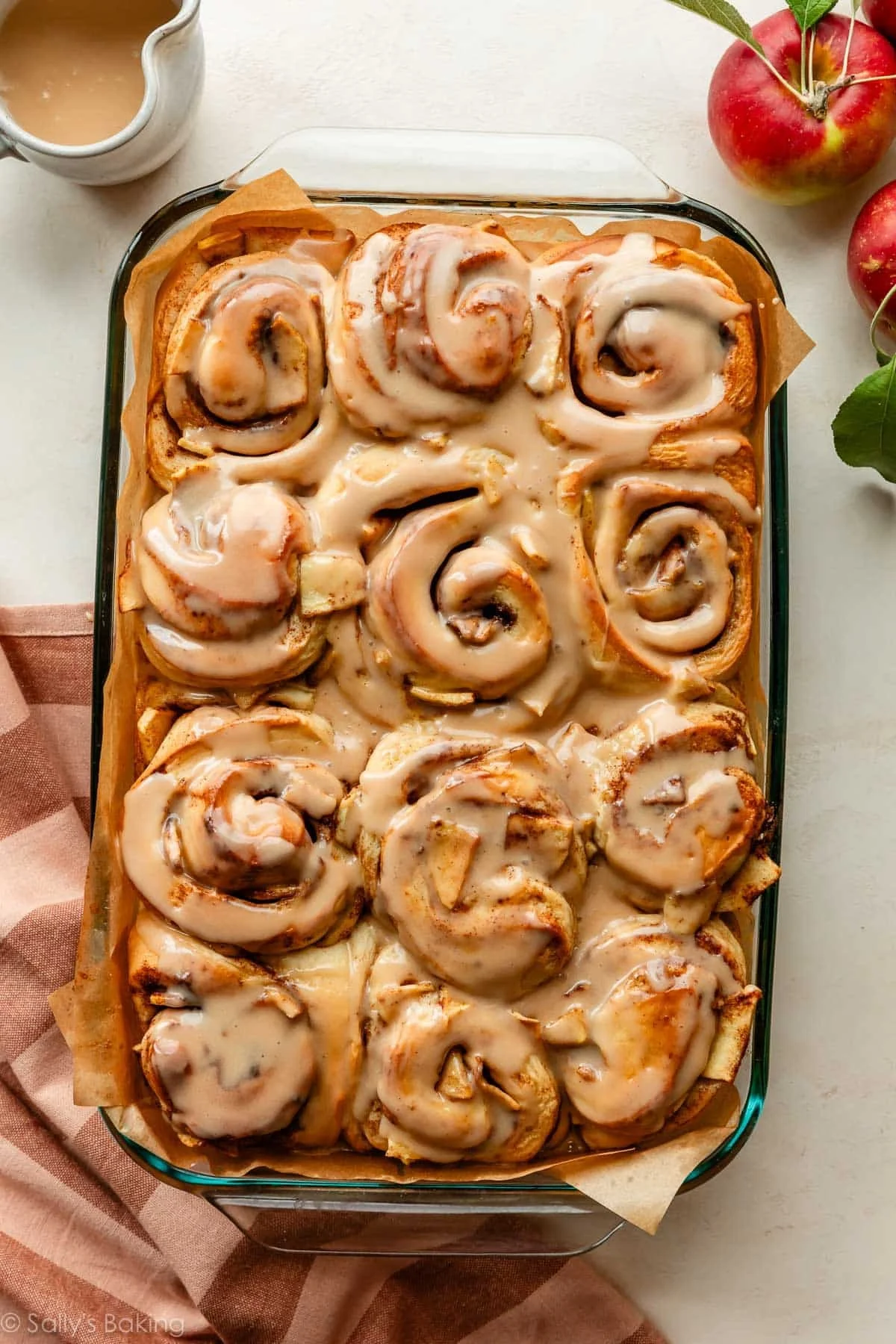
In the landscape of comfort baking, few things evoke the nostalgia of a crisp autumn morning quite like the scent of warm yeast dough and spiced fruit wafting from the oven. For home bakers and professional pastry enthusiasts alike, the "apple cinnamon roll" stands as a monumental achievement—a marriage of two iconic culinary staples: the classic American apple pie and the indulgent, buttery yeast-risen cinnamon roll.
As the seasons shift, these decadent treats have become a cornerstone of holiday brunches, Thanksgiving gatherings, and slow, cozy weekends. By blending a rich, brioche-style dough with a tender, spiced apple filling and finishing it with a sophisticated salted caramel icing, bakers are finding new ways to elevate a traditional breakfast item into a gourmet centerpiece.
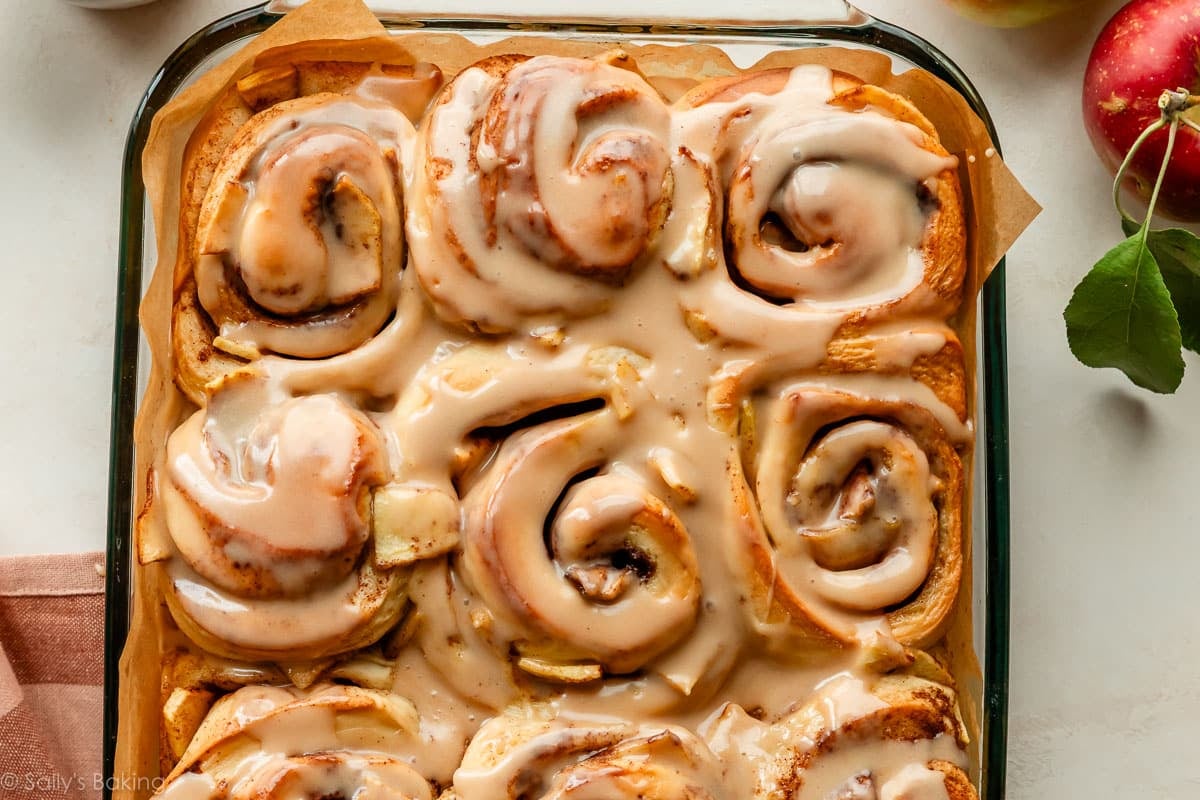
The Evolution of a Classic: Main Facts and Refinements
The journey of the apple cinnamon roll is one of constant refinement. While the recipe has been a staple in domestic kitchens for decades, recent culinary adjustments—most notably the integration of a pre-cooking phase for the fruit—have transformed the texture of the finished product.
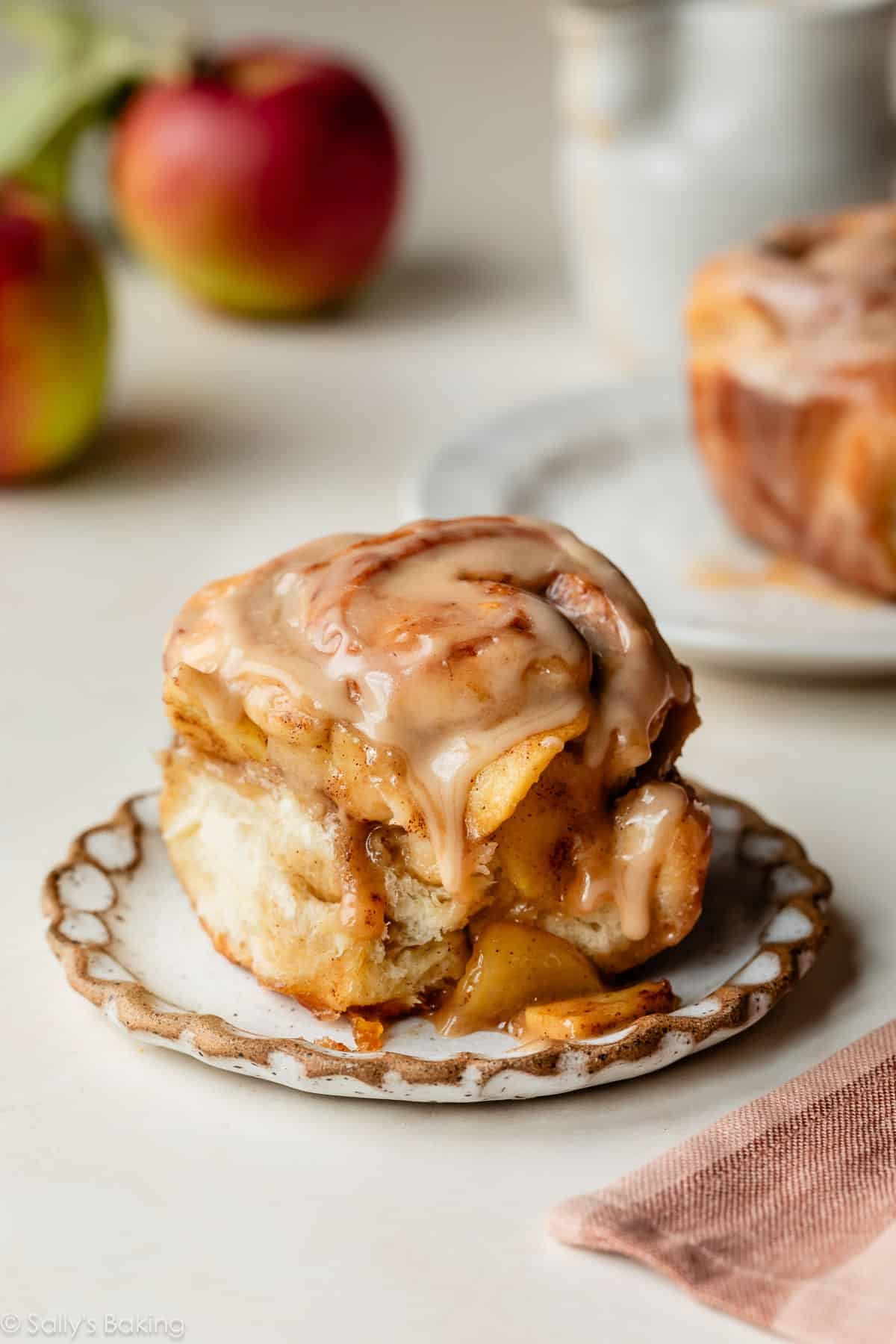
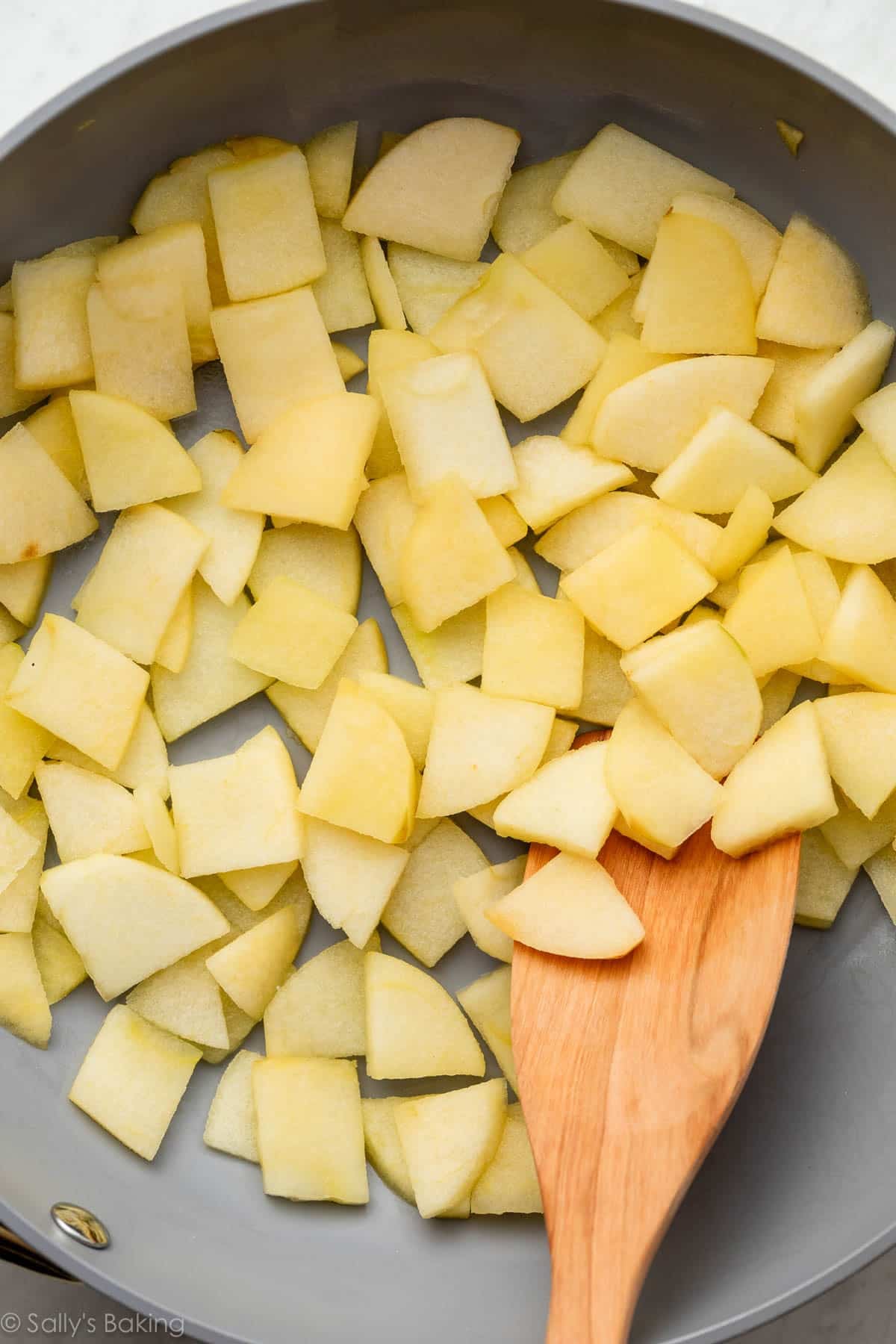
The primary challenge in incorporating fresh fruit into a rolled dough has historically been the inconsistency of the apple’s texture. Often, rolls would emerge from the oven with a beautifully baked exterior, only to reveal apples that remained unpleasantly firm or, conversely, released too much liquid, leading to a soggy center. By adopting a "pre-cook" technique, where sliced apples are simmered in a skillet until tender before being folded into the filling, bakers have successfully mitigated these issues. This process ensures that every bite offers a harmonious texture, where the fruit is perfectly tenderized and infused with the warmth of brown sugar and cinnamon.
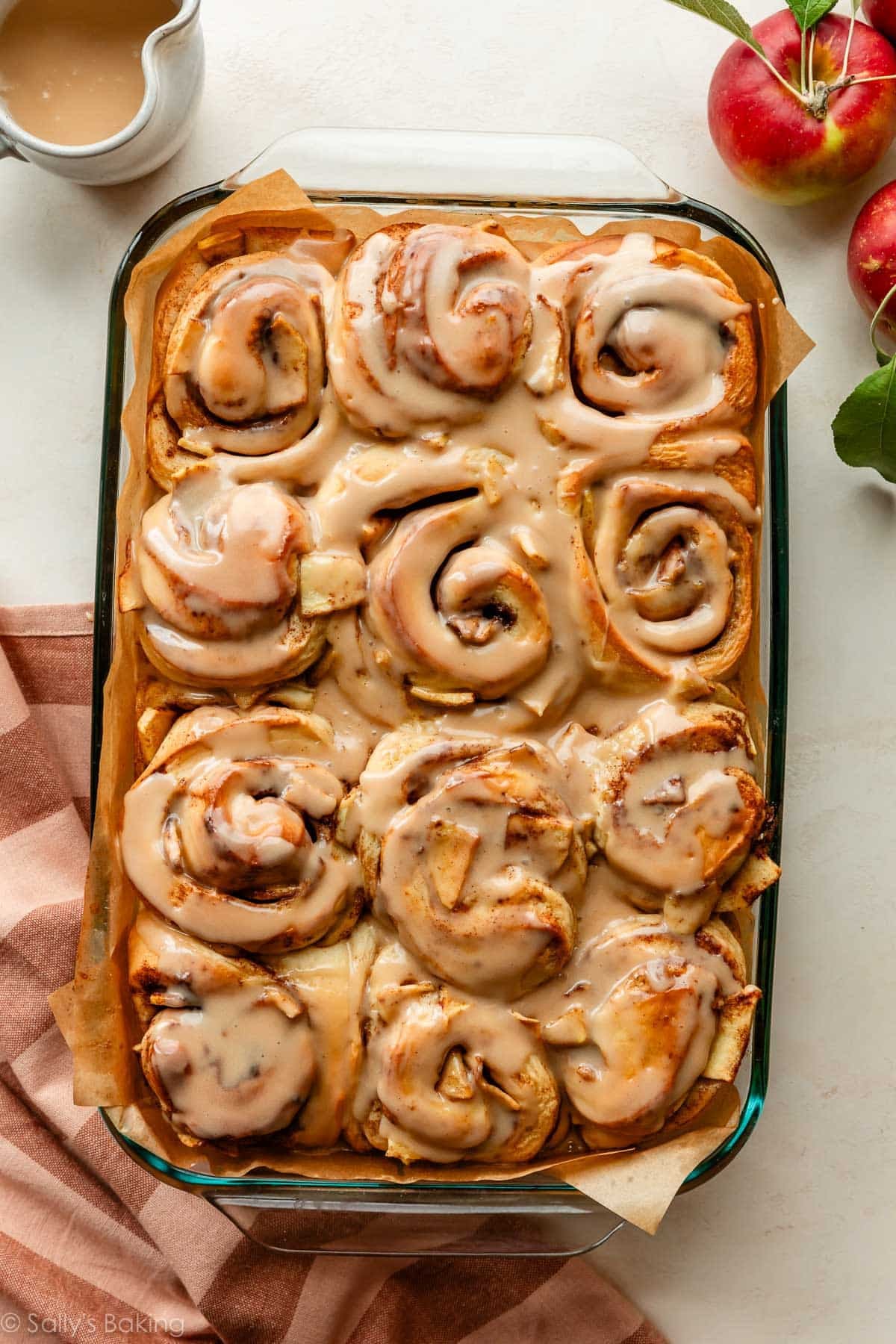
A Chronology of the Baking Process
Achieving the perfect roll is an exercise in patience and precision. While the process spans several hours, the majority of that time is "hands-off," allowing the yeast to perform its essential work.
Phase 1: The Foundation
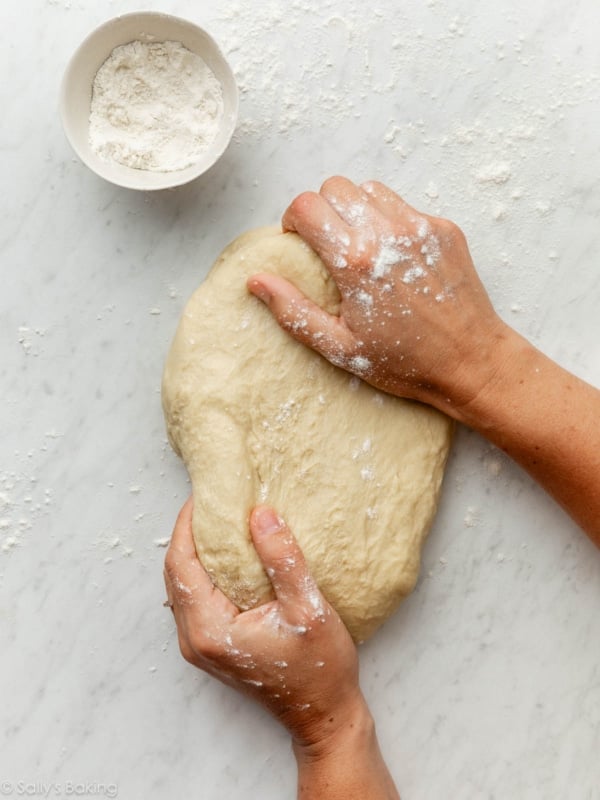
The process begins with the creation of a "rich" dough. Unlike leaner bread doughs, this recipe utilizes high-fat ingredients—whole milk, butter, and eggs—which contribute to a soft, pillowy crumb that remains tender even after cooling. Once the ingredients are combined, the dough requires thorough kneading to develop the gluten structure necessary to hold the weight of the fruit filling.
Phase 2: The First Rise and Prep
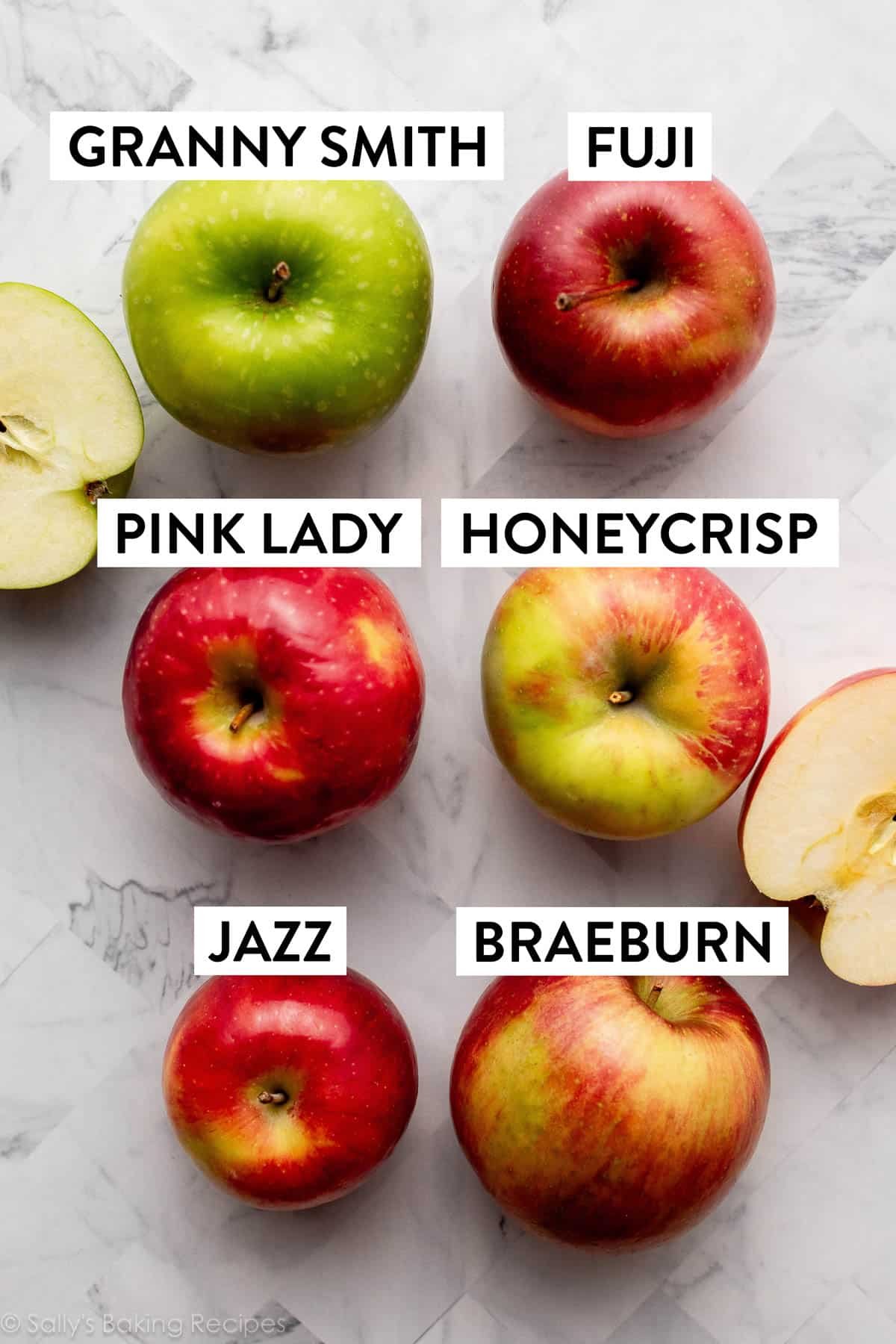
The dough undergoes an initial proofing period, typically lasting between one and two hours. This is the optimal window for the "success step": preparing the apples. Using firm, high-quality baking varieties such as Granny Smith, Honeycrisp, or Pink Lady ensures the fruit maintains its structural integrity during the second phase of cooking.
Phase 3: Assembly and The Second Rise
Once the dough has doubled in size, it is rolled into a precise 12×18-inch rectangle. The filling is applied—a layer of butter, followed by a generous coating of brown sugar, cinnamon, and the now-tenderized apple pieces. The dough is rolled tightly, sliced into twelve equal portions, and placed into a baking pan for a final rise. This second proof is critical; it ensures the rolls are puffy and light, creating that signature "gooey" interior.
Phase 4: The Bake and Finishing Touches
Baking at a moderate temperature ensures the rolls rise fully before the sugar in the filling caramelizes. Experienced bakers often employ a "tenting" technique, covering the pan with aluminum foil halfway through the bake to prevent the tops from browning too rapidly while the center of the rolls finishes cooking. The final flourish, a drizzle of salted caramel icing, provides a salty-sweet balance that cuts through the richness of the dough.
Supporting Data: Why "Enriched" Doughs Matter
In the world of professional baking, the distinction between a "lean" dough (flour, water, yeast, salt) and an "enriched" dough is significant. Enriched doughs, such as the one used for these apple cinnamon rolls, are characterized by the addition of fats and sugars.
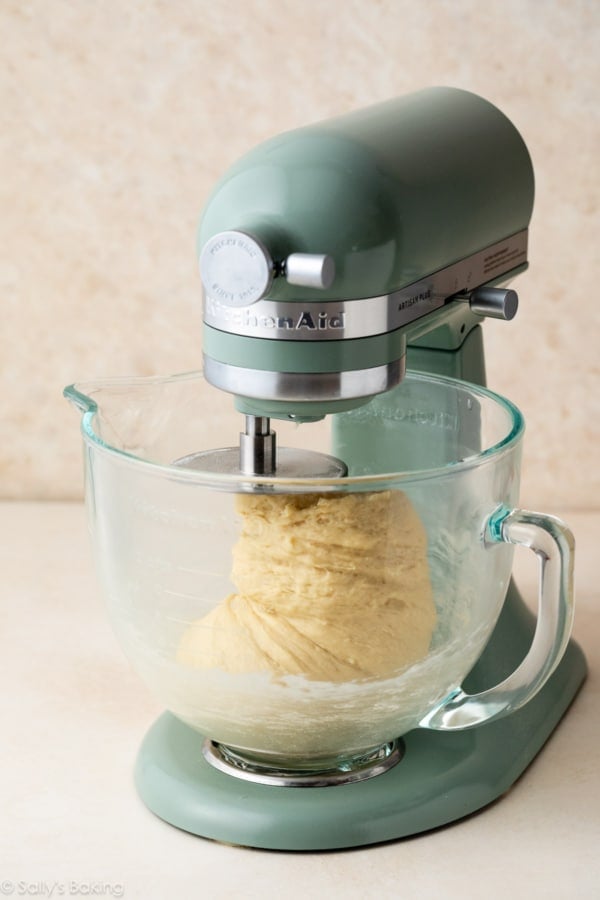
From a chemical perspective, the fat in the butter and the proteins in the eggs coat the flour proteins (gluten), which limits the formation of long, elastic strands. This results in a product that is "short" or tender, rather than chewy. The inclusion of milk also provides lactose, a sugar that does not ferment as quickly as glucose, which helps the crust brown beautifully and contributes to the overall golden hue of the finished product. These technical details explain why, when comparing a standard dinner roll to an enriched cinnamon roll, the latter possesses a more luxurious "melt-in-your-mouth" quality.
Industry Expert and Reader Perspectives
The success of this recipe has been documented through years of feedback from home bakers. Alice, a frequent contributor to baking forums, noted the accessibility of the process, even for those with limited experience. "I followed the overnight directions, and they turned out so soft, gooey, and moist," she shared. "My family absolutely adored these rolls, and many went to have seconds—and even thirds."
This sentiment is echoed by others who highlight the versatility of the recipe. Because the dough can be prepared the night before and refrigerated, it allows for a "bake-on-demand" approach, which is invaluable during busy holiday mornings. The ability to manage the yeast activity through cold-retardation—slowing down the rise in the refrigerator—is a professional technique that has been successfully democratized for the home kitchen.
Implications for Holiday and Seasonal Hosting
The rise in popularity of "gourmet-at-home" breakfasts reflects a broader cultural trend: the desire to reclaim traditional culinary rituals in an increasingly fast-paced world. Providing a high-quality, homemade breakfast for family and guests carries a social weight that pre-packaged alternatives cannot replicate.
Moreover, the versatility of the apple cinnamon roll makes it a strategic choice for seasonal menus. The combination of cinnamon and apples is inherently tied to the autumn harvest, making these rolls a perfect accompaniment to holiday coffee service or post-Thanksgiving morning traditions. By mastering the fundamental skills required for these rolls—yeast management, dough hydration, and the balancing of sweet and savory components—home bakers are not just following a recipe; they are curating an experience.
For those looking to expand their repertoire further, the techniques learned here—such as the proper handling of yeast and the layering of flavors—can be applied to a variety of other baked goods, from apple cider French toast to classic glazed doughnuts. As we look toward the upcoming holiday season, the apple cinnamon roll serves as a reminder that the most rewarding results are often those that require the most care, patience, and a touch of seasonal inspiration.