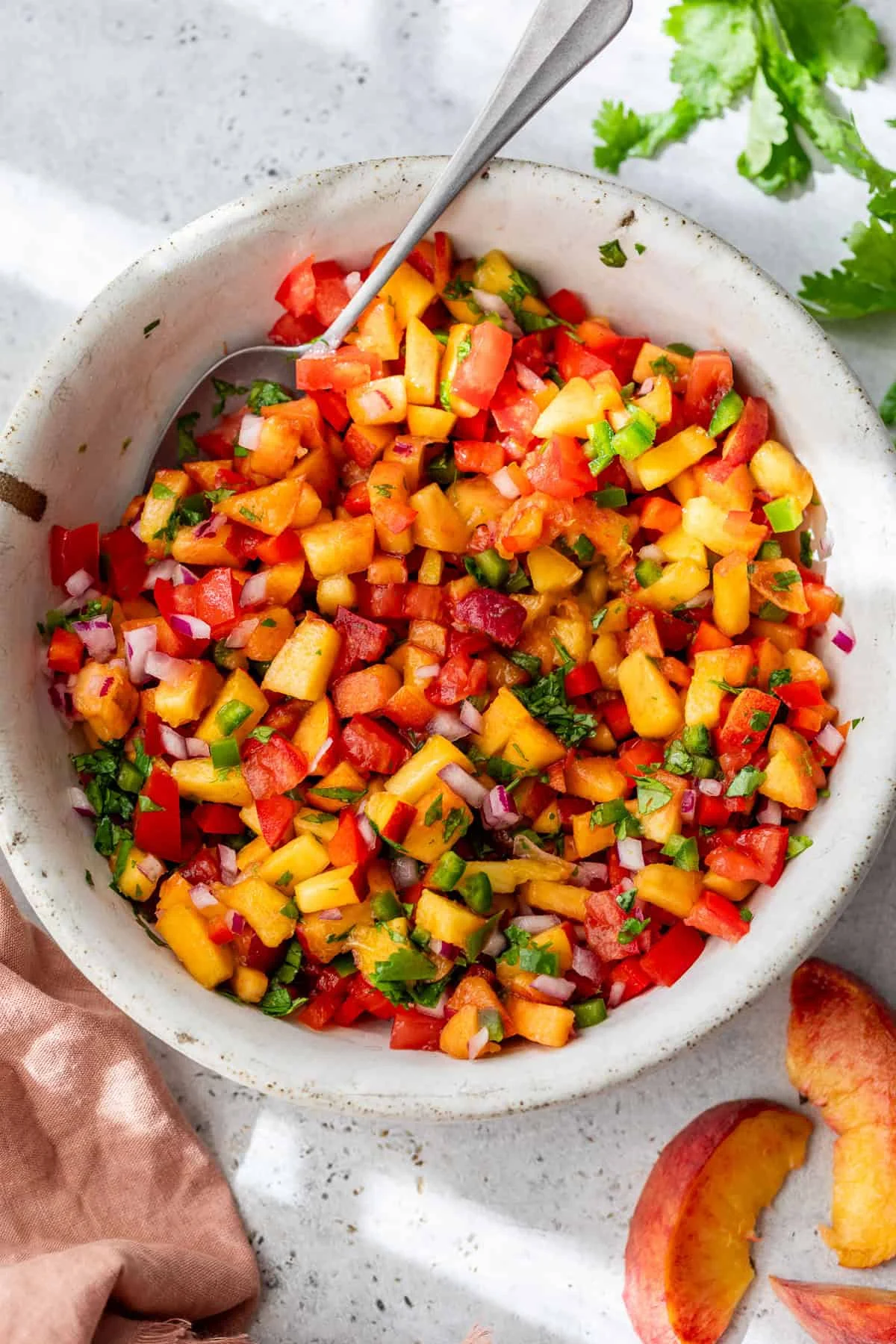
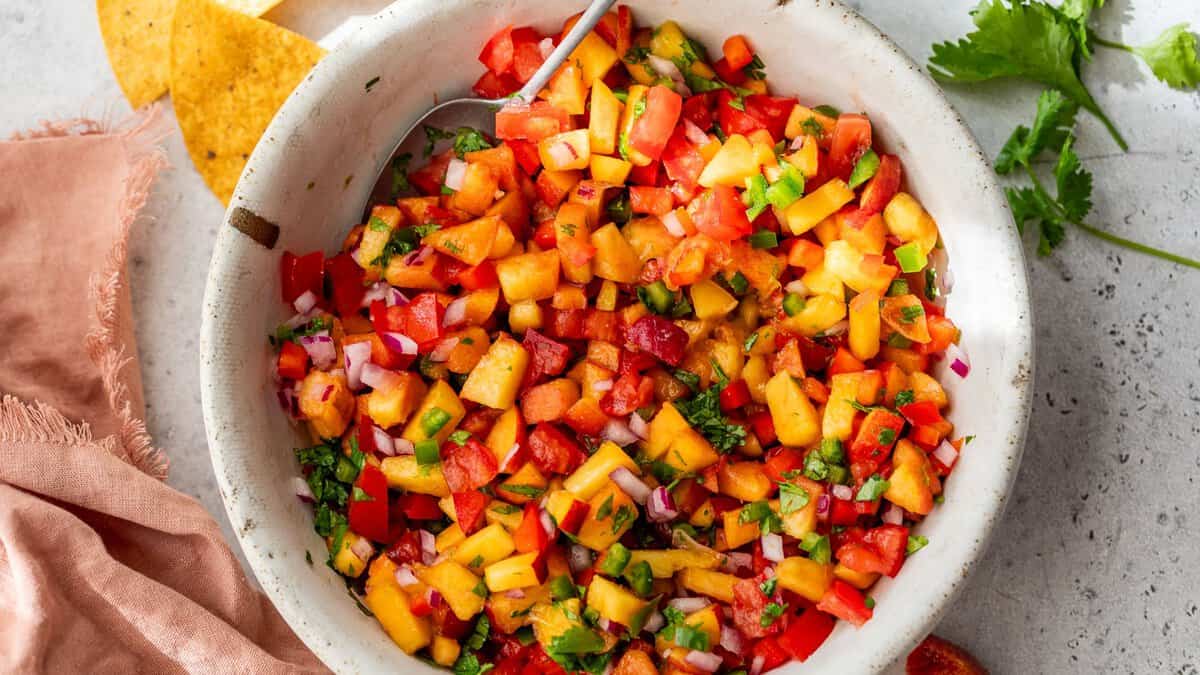
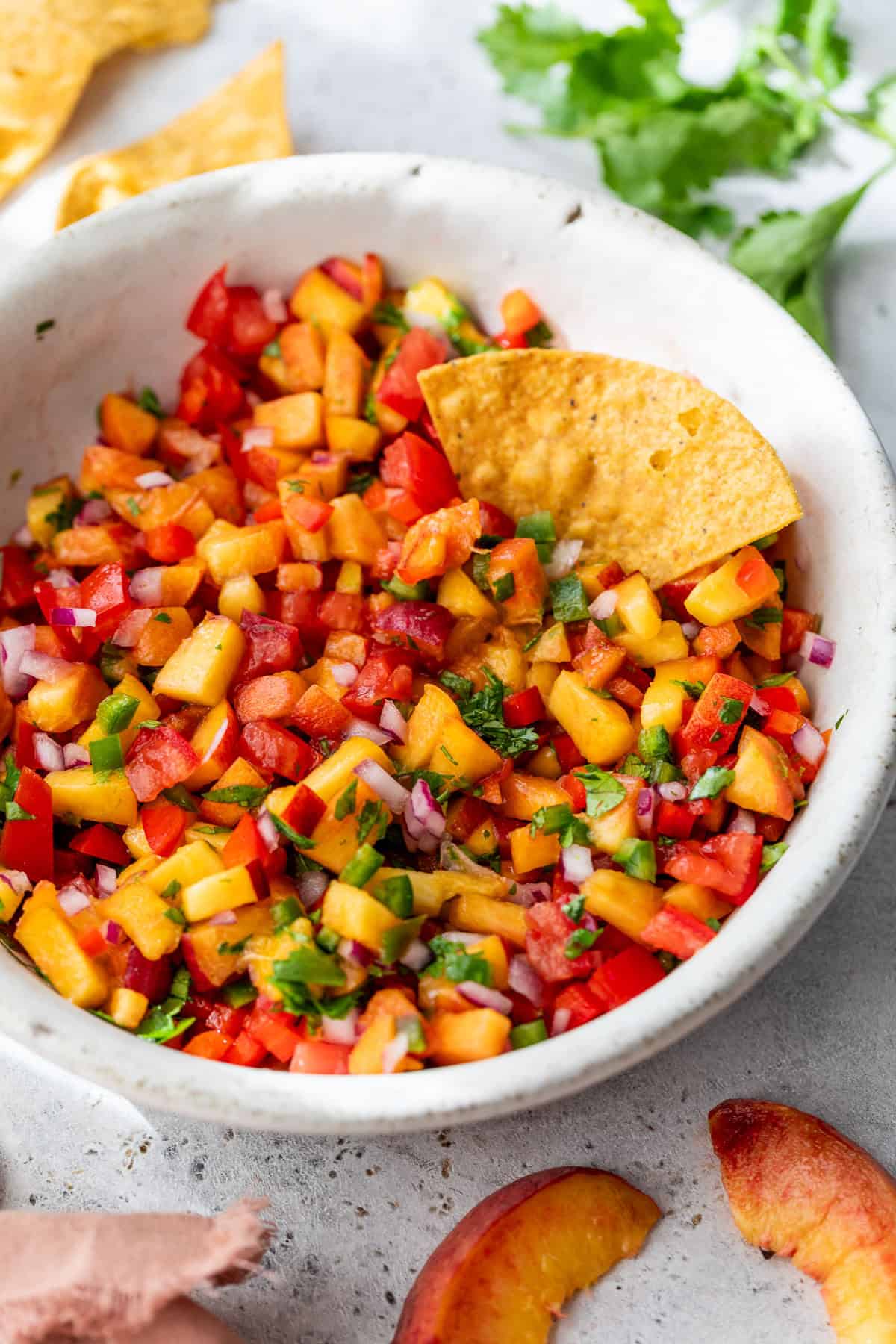
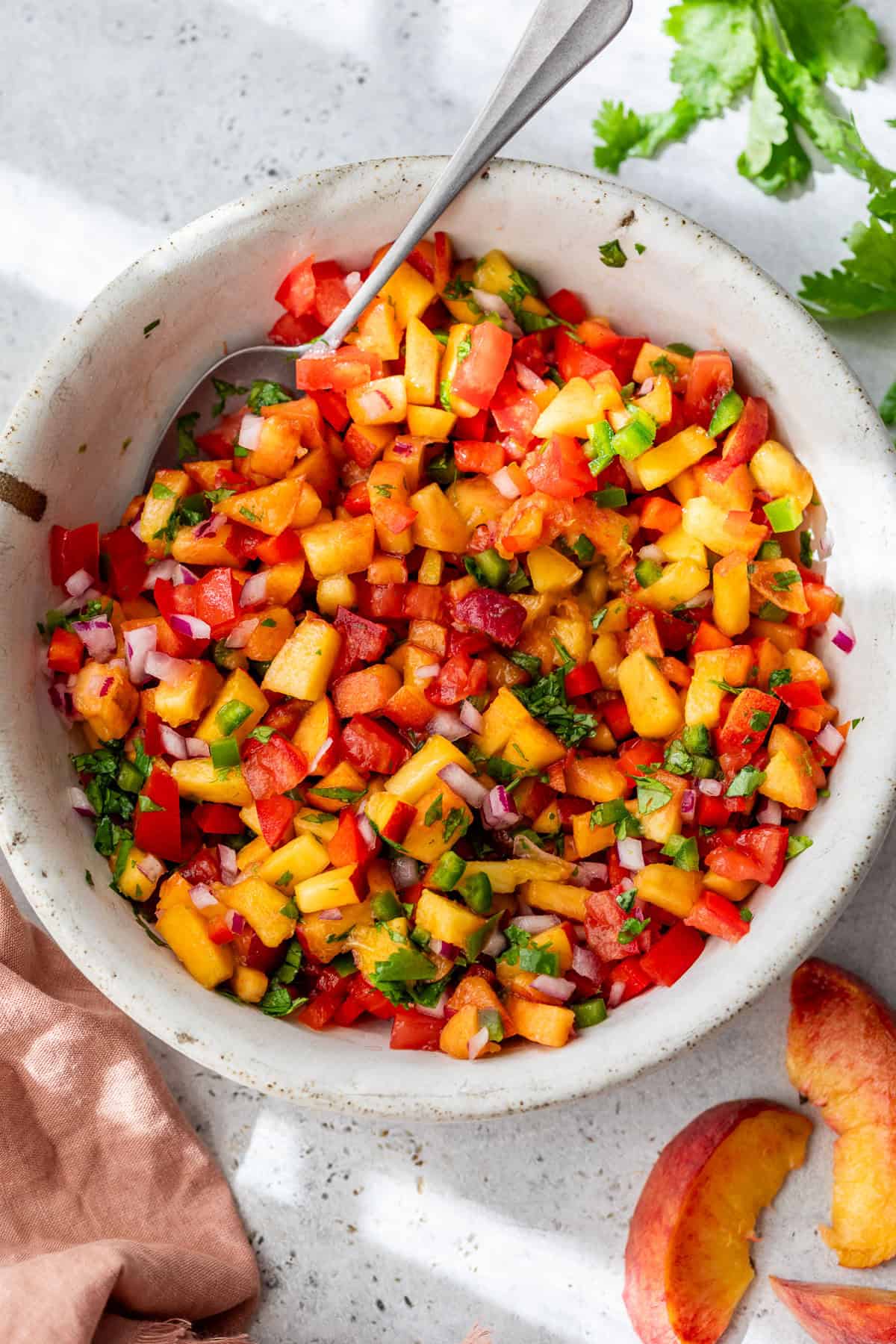
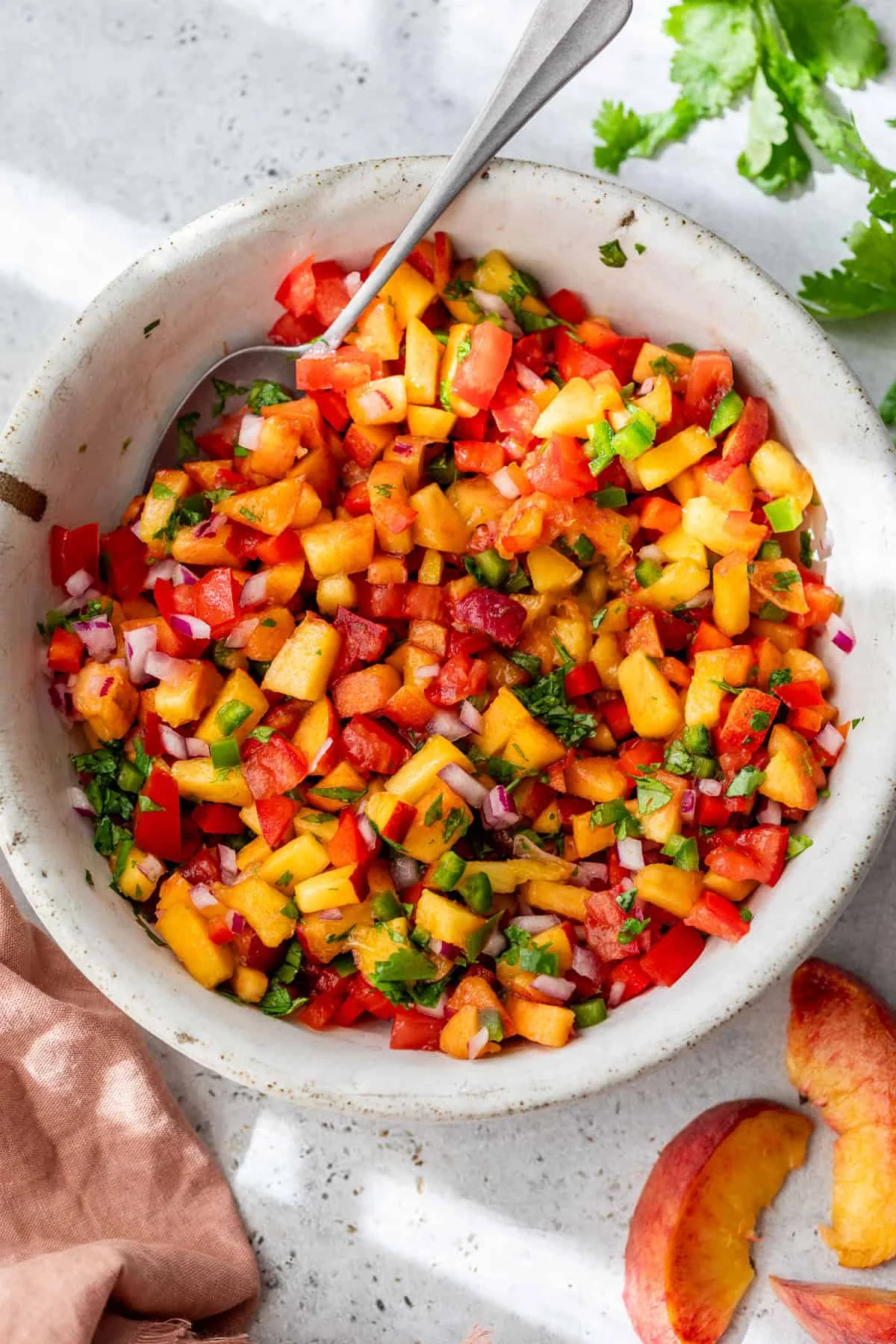
As the peak of summer brings an abundance of fleeting, sun-ripened stone fruit, home cooks and culinary professionals alike are pivoting away from traditional winter staples to embrace vibrant, seasonal produce. Leading this seasonal charge is cookbook author and recipe developer Erin Clarke, whose newly refined Fresh Peach Salsa recipe offers a masterclass in flavor balancing. Moving far beyond the sugary profile of commercially jarred alternatives, Clarke’s latest creation highlights how sweet, juicy peaches can anchor a savory, spicy condiment that pairs effortlessly with everything from crispy tortilla chips to grilled chicken and flaky fish tacos.
The culinary appeal of peach salsa lies in its complex flavor architecture. By combining the natural sugary sweetness of ripe peaches with the sharp acidity of fresh tomatoes, the structural crunch of bell peppers, the warming heat of jalapeños, and the bright, citrusy punch of lime juice, this dish captures the essence of modern fusion cooking. It is a testament to the fact that summer produce—though fleeting—offers incredible versatility when treated with precision in the home kitchen.
Chronology of Development: From Concept to Kitchen Success
The journey of perfecting a homemade peach salsa is fraught with subtle culinary pitfalls, a reality that drove Clarke to invest significant time into testing multiple iterations of the recipe.
Phase One: Identifying the Flaws of Commercial Salsas: Initial market research and kitchen trials revealed that store-bought, jarred peach salsas frequently suffer from an overwhelming, cloying sweetness. These mass-produced variants often mask the natural flavor of the fruit with excessive refined sugars and heavy preservatives, rendering them ill-suited for savory pairings.
Phase Two: Combatting Homemade Extremes: Moving to the home kitchen presented a new set of challenges. Early testing batches swung wildly between two undesirable extremes. When made without precise measurements, homemade salsas could become overly sharp and pungent due to an excess of raw onions, or conversely, turn completely bland if the peaches were harvested before reaching their optimal ripening window.
Phase Three: Structural and Textural Harmony: Through iterative rounds of kitchen testing, Clarke focused on achieving equilibrium. Dicing the peaches, bell peppers, tomatoes, and red onions into uniform sizes ensured that every single scoop delivered a balanced ratio of ingredients.
Phase Four: Final Polish and Resting Protocol: The final development phase established the importance of minimal handling—stirring gently to preserve the delicate structure of the fruit—coupled with a crucial 30-minute refrigeration window before serving. This brief resting period allows the lime juice and salt to draw out the natural juices, marrying the flavors into a cohesive, vibrant sauce.
Supporting Data and Nutritional Profile
For home cooks navigating dietary preferences and caloric intake, fresh fruit-based salsas offer an exceptionally nutrient-dense alternative to heavy, fat-laden dips. According to nutritional metrics for a standard batch yielding six servings, a single serving of this homemade peach salsa provides a remarkably light yet satisfying profile:
Serving Size: 1 of 6 servings
Calories: 54 kcal
Carbohydrates: 13g
Dietary Fiber: 2g (contributing to digestive health)
Sugars: 9g (naturally occurring fruit sugars)
Protein: 1g
Total Fat: 0.4g
Saturated Fat: 0.04g
Sodium: 110mg (significantly lower than typical processed condiments)
Potassium: 210mg
Key Micronutrients: High concentrations of Vitamin A (826 IU) derived from bell peppers and peaches, alongside an impressive 27mg of Vitamin C per serving, largely driven by the fresh lime juice and produce elements.
Culinary Insights and Official Perspectives
According to Erin Clarke, the philosophy behind crafting accessible, healthy meals centers on honoring the integrity of raw ingredients without overcomplicating the preparation process.
"While I get excited for tomatoes and other summer produce, it’s peaches that really make my heart skip a beat," Clarke notes in her kitchen notes. "They’re a delight in cobblers and baked desserts, but one can only eat so many sweets—and that’s when this peach salsa recipe comes in handy."
Clarke emphasizes that component flexibility is key to mastering the recipe at home. For instance, the inclusion of fresh tomatoes is treated as optional rather than mandatory. Home cooks are encouraged to assess the quality of their local market produce: if a truly ripe, in-season tomato is available, it adds a wonderful acidic counterpoint; if not, the recipe successfully scales back without losing its foundational appeal. Similarly, adjusting the quantity of the minced jalapeño allows individuals to customize the heat profile to their personal tolerance, ensuring the dish remains approachable for family-style dining.
Implications for Home Cooking and Seasonal Eating
The popularity of recipes like fresh peach salsa highlights a broader shift in contemporary home cooking toward hyper-seasonal eating. As consumers increasingly seek out ways to utilize peak-season farmer’s market finds before they disappear, versatile condiment recipes provide an accessible entry point.
Furthermore, dishes of this nature underscore the importance of knife skills and textural awareness in modern kitchens. Because the recipe relies entirely on raw assembly rather than thermal cooking, the visual appeal and mouthfeel depend entirely on the precision of the dice. Uniformly cut components not only improve the aesthetics of the presentation but also guarantee that the palate experiences the sweet, spicy, crunchy, and acidic elements simultaneously.
As summer produce cycles continue to inspire creative culinary adaptations, simple yet meticulously balanced recipes like this prove that gourmet flavors do not require complex kitchen equipment or hours of labor. By respecting the natural lifecycle of seasonal fruits and vegetables, home cooks can elevate everyday meals into memorable dining experiences.