In the landscape of modern baking, few desserts bridge the gap between tradition and innovation as effectively as the "bar." While the classic double-crust apple pie remains a cornerstone of culinary Americana, a newer, more efficient format has surged in popularity: the apple pie bar. Specifically, the Salted Caramel Apple Pie Bar has become a standout, offering a sophisticated, high-texture experience that streamlines the arduous process of rolling out traditional pastry.
This article explores the anatomy of this contemporary classic, the culinary refinements that have perfected the recipe over the last decade, and the broader implications for home baking in a fast-paced world.
Main Facts: The Anatomy of a Perfect Bar
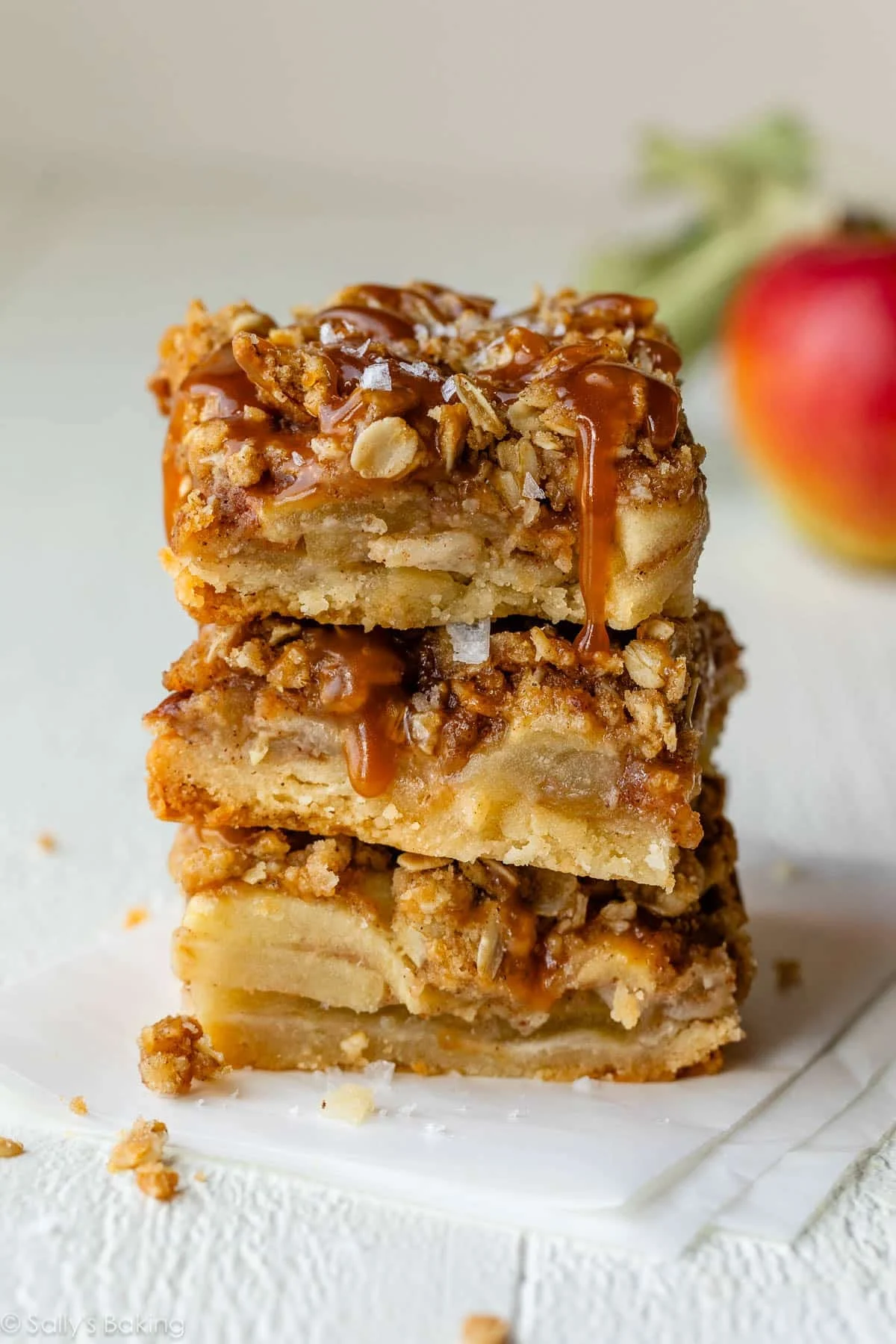
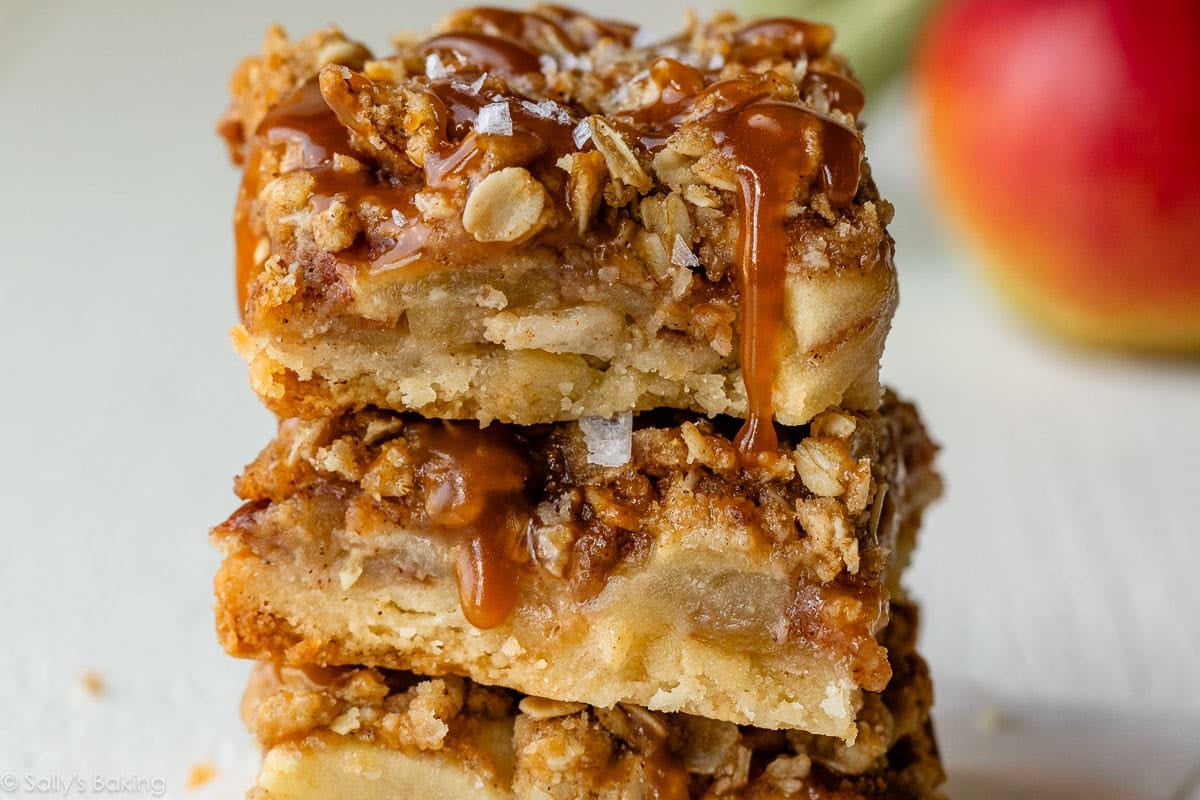
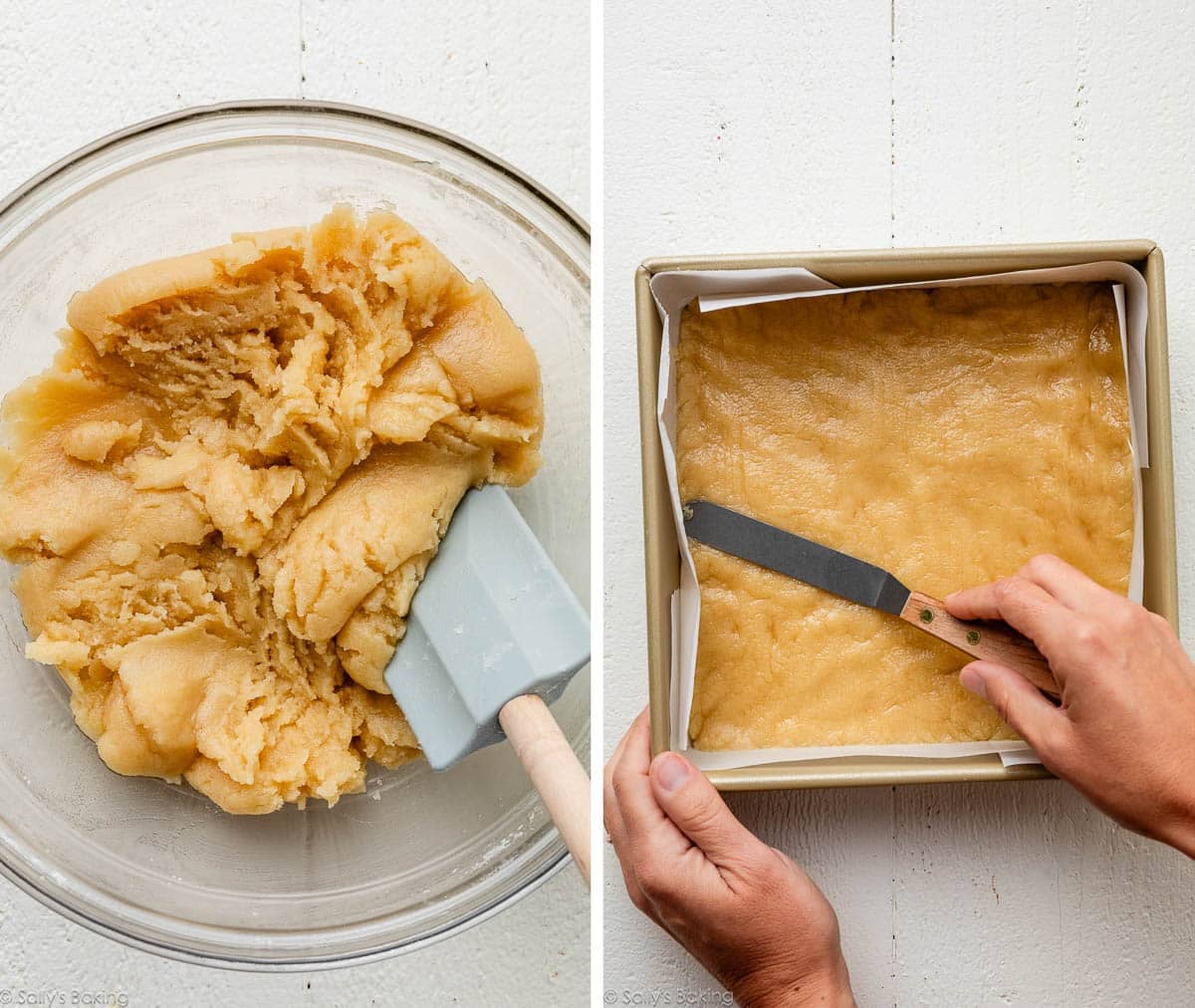
The appeal of the apple pie bar lies in its structural integrity and flavor layering. Unlike a standard pie, which relies on a delicate, often temperamental crust, these bars utilize a dense, buttery shortbread base. This foundation serves two purposes: it provides a stable platform for the moisture-rich apple filling and adds a rich, cookie-like counterpoint to the tart fruit.
The structure is typically comprised of three distinct tiers:
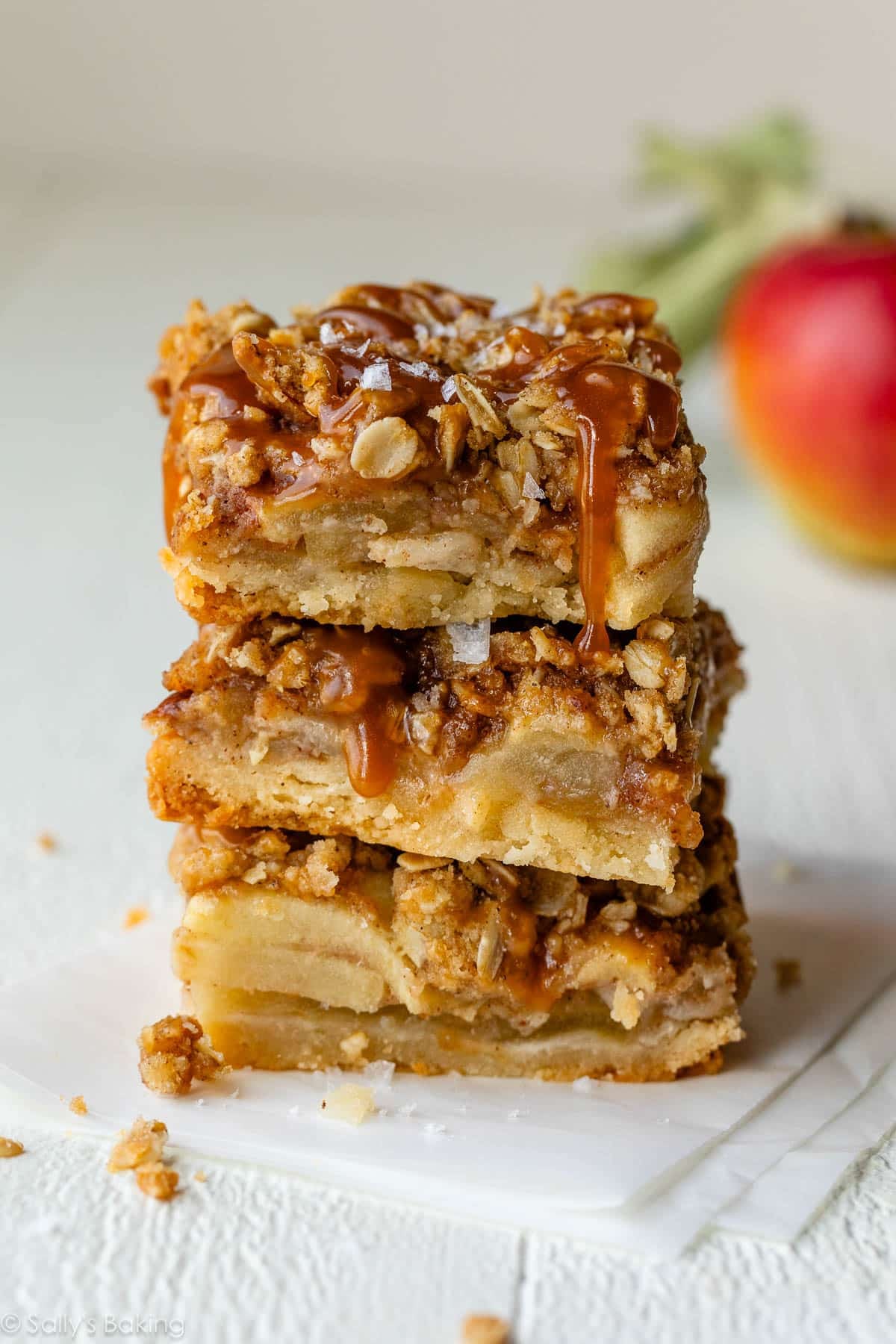
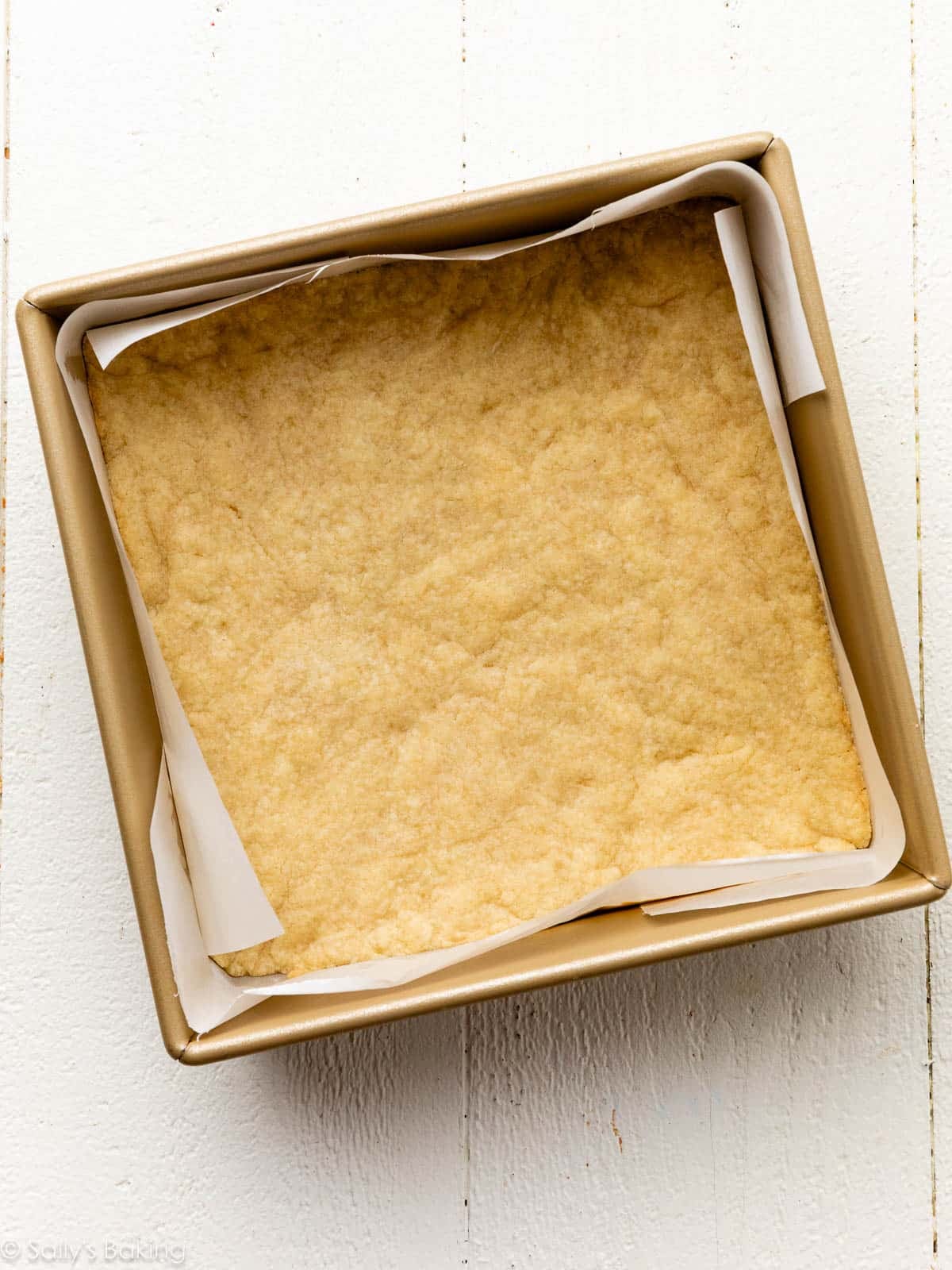
- The Shortbread Crust: A sturdy, melt-in-the-mouth base designed to be pressed into the pan rather than rolled.
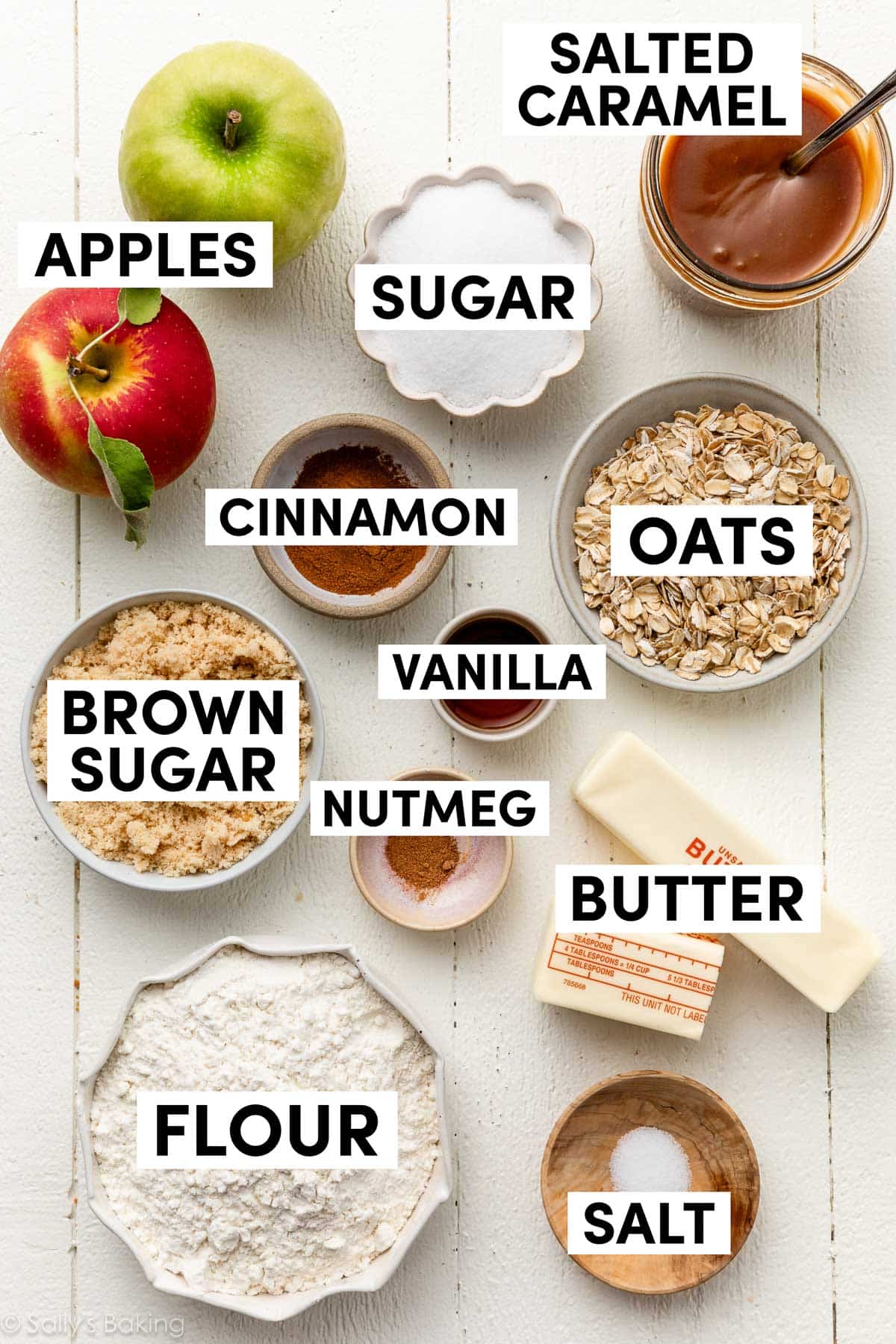
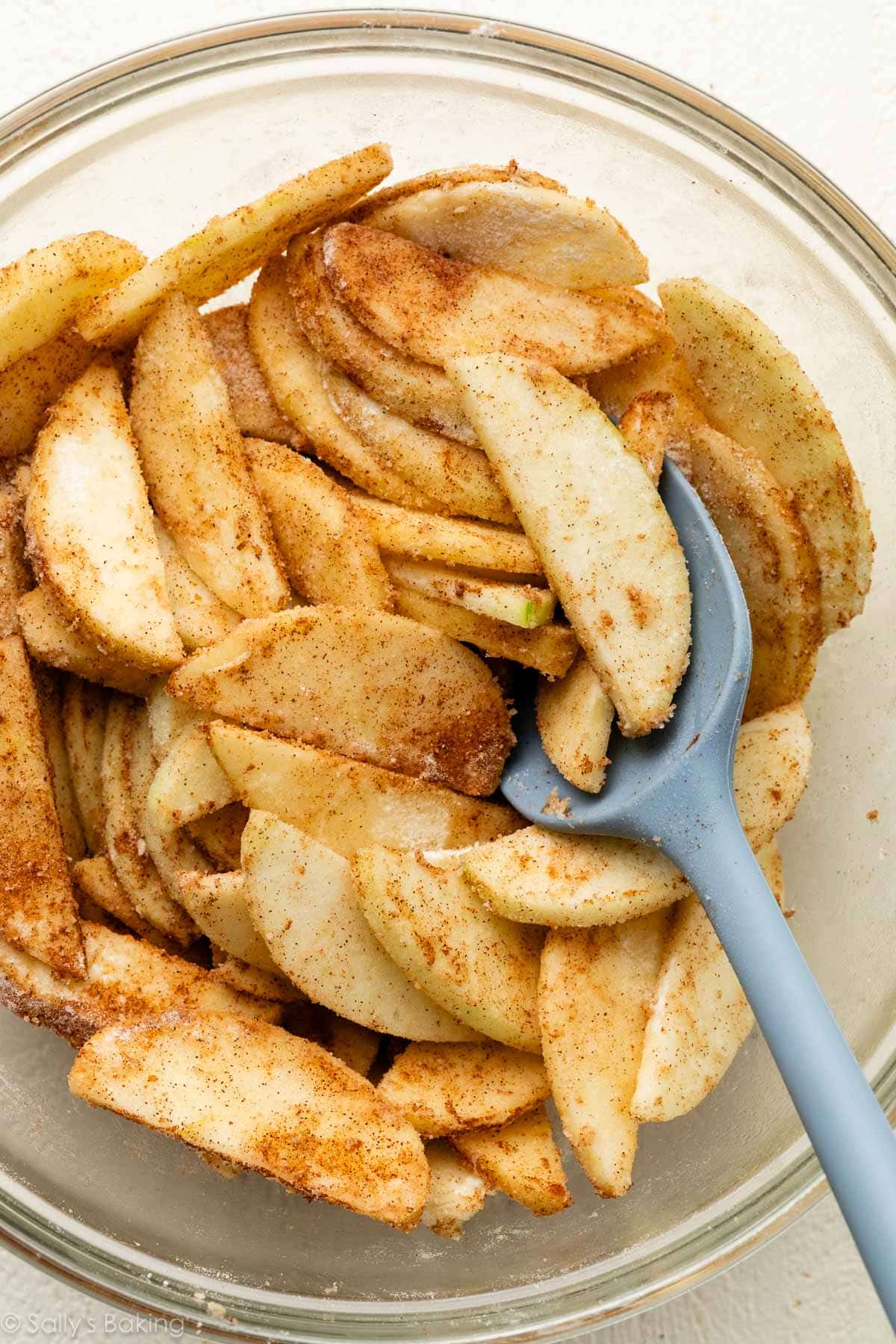
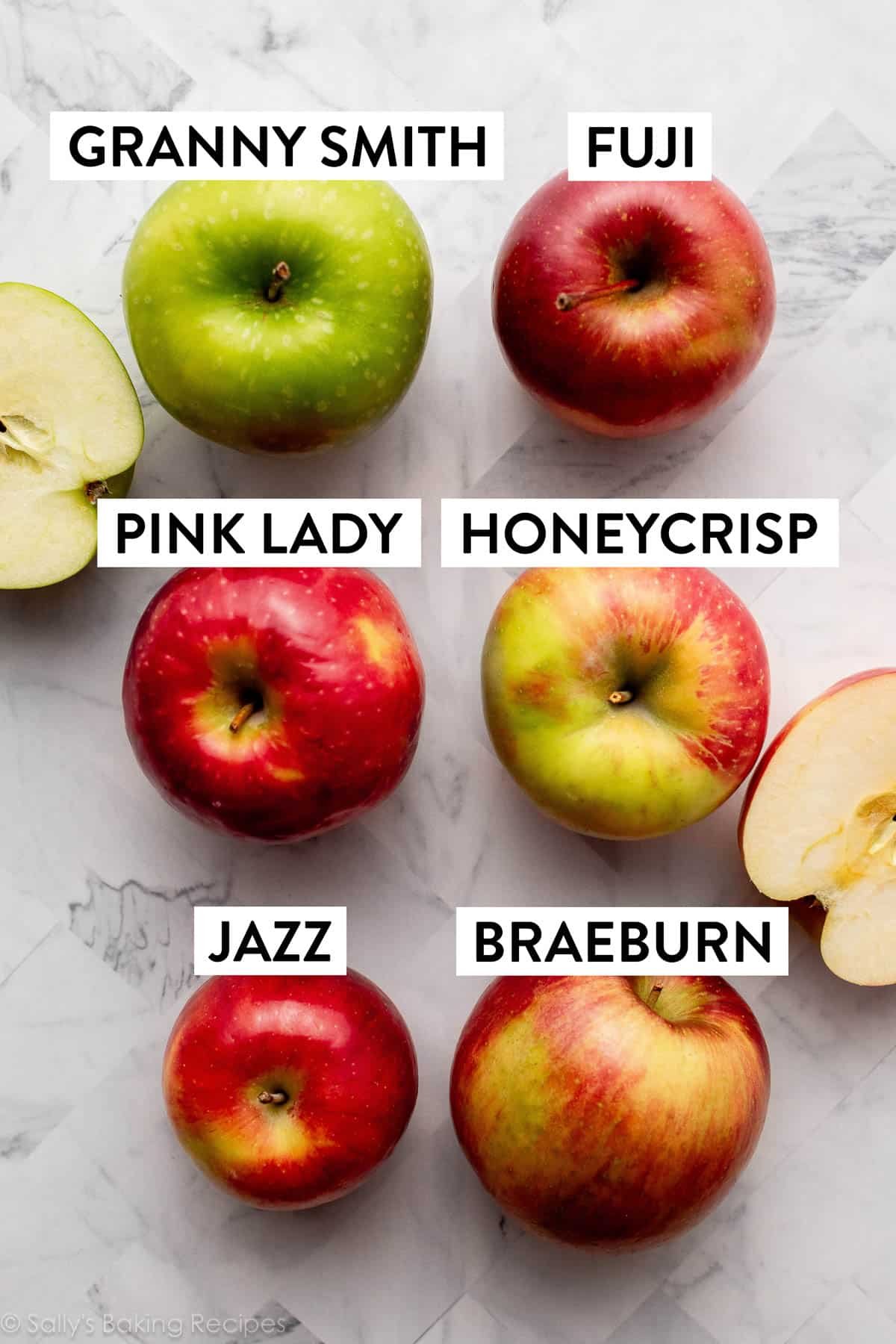
- The Spiced Apple Filling: A mixture of crisp apple slices—typically Granny Smith or Honeycrisp—tossed in cinnamon, nutmeg, and a touch of flour to thicken the juices during the baking process.
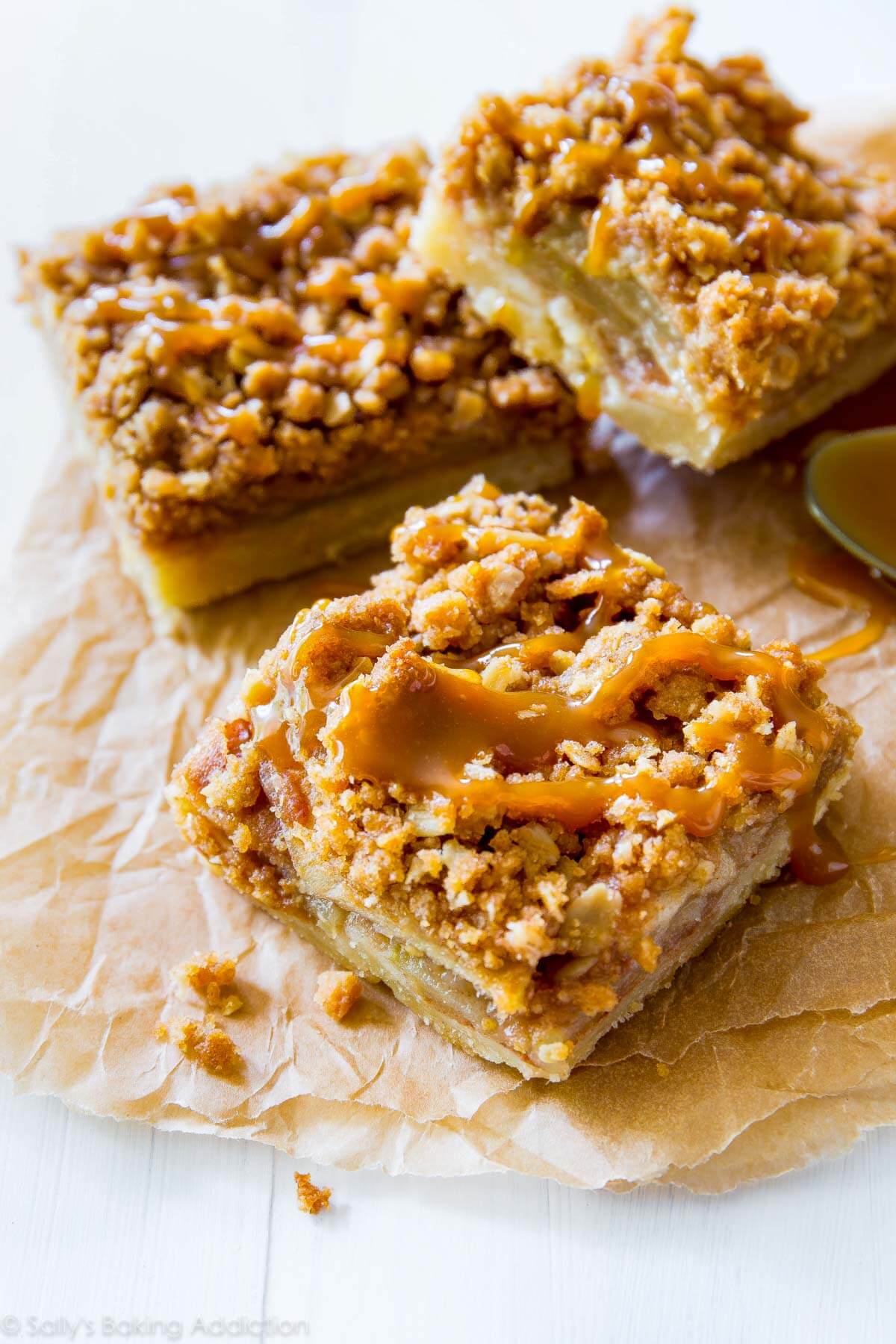
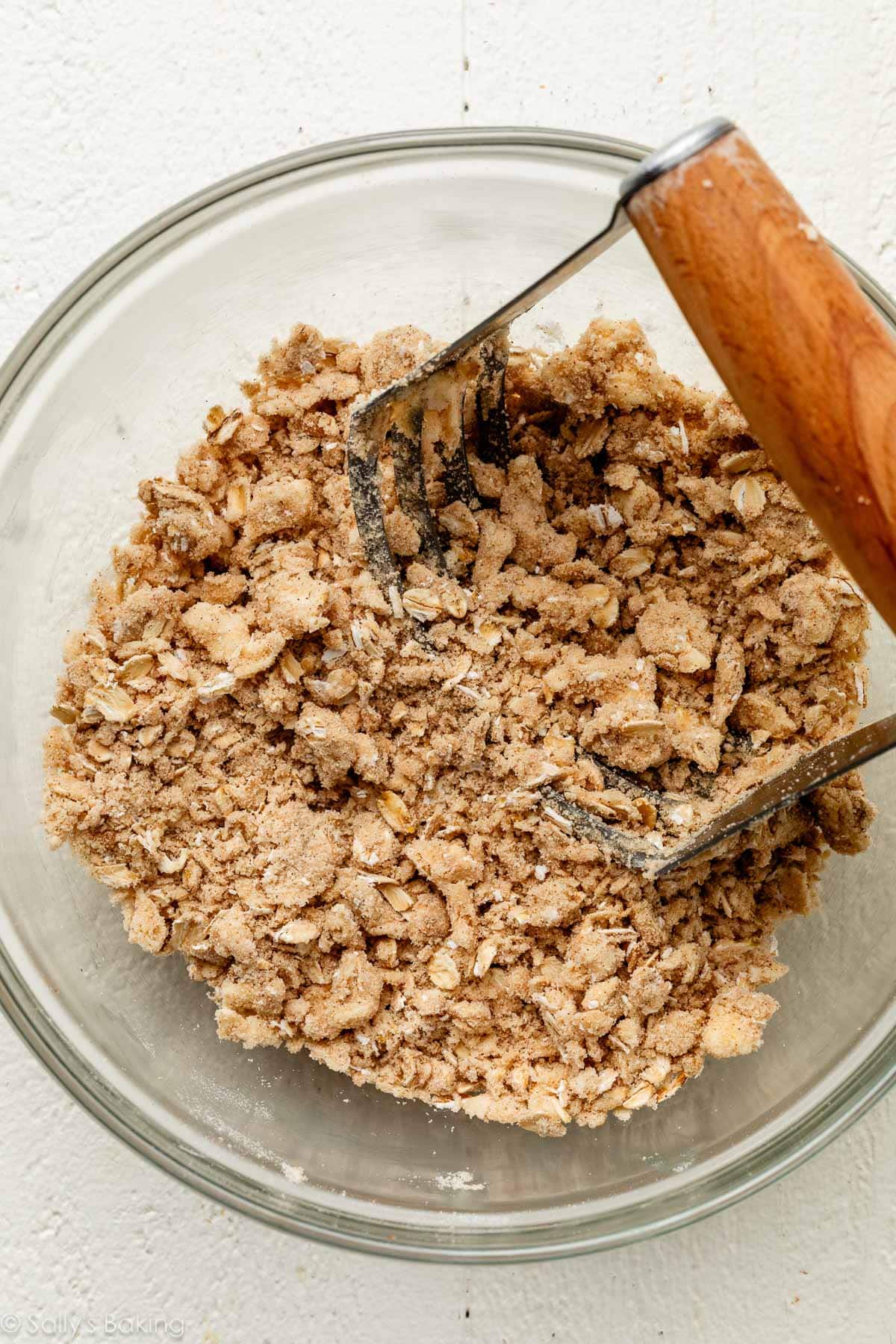
- The Streusel Topping: A brown sugar and oat crumble that provides a necessary textural contrast to the soft apples beneath.
The final, and perhaps most critical, element is the salted caramel drizzle. By introducing a salty-sweet element, the dessert moves beyond simple fruit-and-spice notes into a more complex, gourmet profile that satisfies the modern palate’s affinity for contrasting flavors.
Chronology: A Decade of Iteration
The recipe for Salted Caramel Apple Pie Bars has undergone significant refinement since it first entered the digital recipe archive in 2014. Professional bakers and home enthusiasts alike have treated this dish as a "living document," adjusting variables to achieve the perfect bite.
2014: The Launch
When the recipe was first introduced, it was hailed for its simplicity. The goal was to provide a "pie-lite" experience—all the comfort of a Sunday dessert without the three-hour time commitment. Early iterations focused on the basics: how to balance the moisture of the apples with the crumb of the topping.
2018–2020: The Era of Refinement
As user feedback flooded in, bakers noticed two primary issues: the crust was occasionally too soft, and the streusel topping would sometimes lose its definition during the bake. The solution? A technical adjustment to the ratios. Flour content in the crust was increased to ensure it held its shape under the weight of the fruit, and a new methodology was introduced: the "chilled streusel" technique. By preparing the streusel first and refrigerating it, bakers ensured that the butter remained solid until it hit the oven, resulting in a significantly more crumbly, professional-grade finish.
2023–Present: The Optimization Phase
Today’s version of the recipe is a product of these thousands of iterations. The current standard involves precise pre-baking of the crust—a step that ensures the bottom remains crisp even after the apple juices are released. Modern techniques now emphasize the importance of refrigeration after baking, which allows the caramel and fruit sugars to set, resulting in the clean, geometric cuts that characterize a high-end dessert bar.
Supporting Data: Why Texture and Variety Matter
The success of this dessert is not merely anecdotal; it is backed by the science of baking. The selection of apple variety is the most critical variable in the recipe’s success.
Baking experts emphasize that the "best" apple for a bar is one with high structural integrity. Varieties such as Granny Smith are favored for their high acidity, which cuts through the sugar of the caramel, while Honeycrisp is prized for its ability to maintain a "bite" even when subjected to prolonged heat.
- Moisture Management: By tossing apple slices in flour, bakers create a slurry that gels as it reaches 212°F (100°C), preventing the dreaded "soggy bottom."
- Thermal Control: The use of an 8-inch square pan is the industry standard for this specific recipe. The surface area allows for an even distribution of heat, ensuring that the middle of the bars cooks at the same rate as the edges.
- The Salt Factor: The addition of sea salt flakes post-bake is not merely decorative. Salt acts as a flavor enhancer that suppresses bitterness and amplifies the sweetness of the caramel, creating a physiological response that makes the dessert more "moreish."
Official Responses and Culinary Expert Insight
Industry experts—from food bloggers to pastry chefs—have largely reached a consensus regarding the utility of these bars. They are frequently cited as the ideal "gateway" dessert for novice bakers who feel intimidated by the complexities of traditional pie dough.
"The beauty of the bar format is the forgiveness factor," notes one veteran baking instructor. "When you make a pie, you are judged on your crimping and the flakiness of your crust. When you make a bar, you are judged on the balance of flavor. It allows the home baker to focus on the quality of the ingredients—the butter, the apples, the quality of the caramel—rather than the technical stress of pastry rolling."
The inclusion of these bars in professional catering menus has also increased. Because they are easy to transport and can be served without a fork or plate, they are becoming a preferred option for autumnal weddings and corporate events.
Implications: The Future of Traditional Desserts
The rise of the Salted Caramel Apple Pie Bar reflects a broader shift in the culinary world: the democratization of high-quality, complex flavors.
The Efficiency Trend
As consumers face increasingly busy schedules, the demand for "low-effort, high-reward" recipes is at an all-time high. The movement toward bars and tray-bakes is not a sacrifice of quality; rather, it is a reorganization of labor. By eliminating the time-consuming process of rolling and blind-baking a traditional crust, home bakers can achieve the same flavor profile in half the time.
The "Flavor-First" Movement
This recipe also highlights the evolution of American dessert preferences. Ten years ago, a standard apple pie was sufficient. Today, consumers are looking for "salted caramel," "brown sugar," and "sea salt" inclusions. The popularity of these bars proves that even traditionalists are willing to embrace elevated, multi-layered profiles.
Sustainability and Seasonal Eating
Finally, the versatility of the apple pie bar serves as a model for seasonal baking. While this recipe is optimized for the autumn apple harvest, the underlying "bar" architecture—a shortbread base and a fruit filling—is highly modular. The success of this specific recipe has paved the way for variations using stone fruits in the summer or berries in the spring, signaling a long-term shift toward flexible, year-round baking structures.
Conclusion
The Salted Caramel Apple Pie Bar has moved beyond being a mere trend; it has solidified its position as a staple of the modern kitchen. By combining the nostalgia of a traditional apple pie with the convenience and structural reliability of a cookie bar, it satisfies a fundamental need for comfort while meeting the high standards of the contemporary palate. Whether you are a novice baker looking for your first success or a seasoned professional looking for a reliable crowd-pleaser, this recipe remains a testament to the power of thoughtful, iterative culinary design.