Main Facts
When it comes to backyard grilling, few meals rival the universal appeal of sizzling steak fajitas. For generations, traditional skirt steak has reigned supreme as the quintessential cut for this Tex-Mex favorite. However, culinary enthusiasts and pitmasters are increasingly turning to a well-kept secret of the butcher counter: the sirloin flap.
Boasting a superior tenderness that often surpasses traditional skirt steak and an exceptional ability to absorb marinades and rubs, sirloin flap is rapidly changing the standard for homemade beef fajitas. Paired with fresh homemade pico de gallo, creamy smashed guacamole, vibrant bell peppers, sweet sautéed onions, and warm flour tortillas, this preparation elevates a weeknight dinner into an artisanal culinary experience.
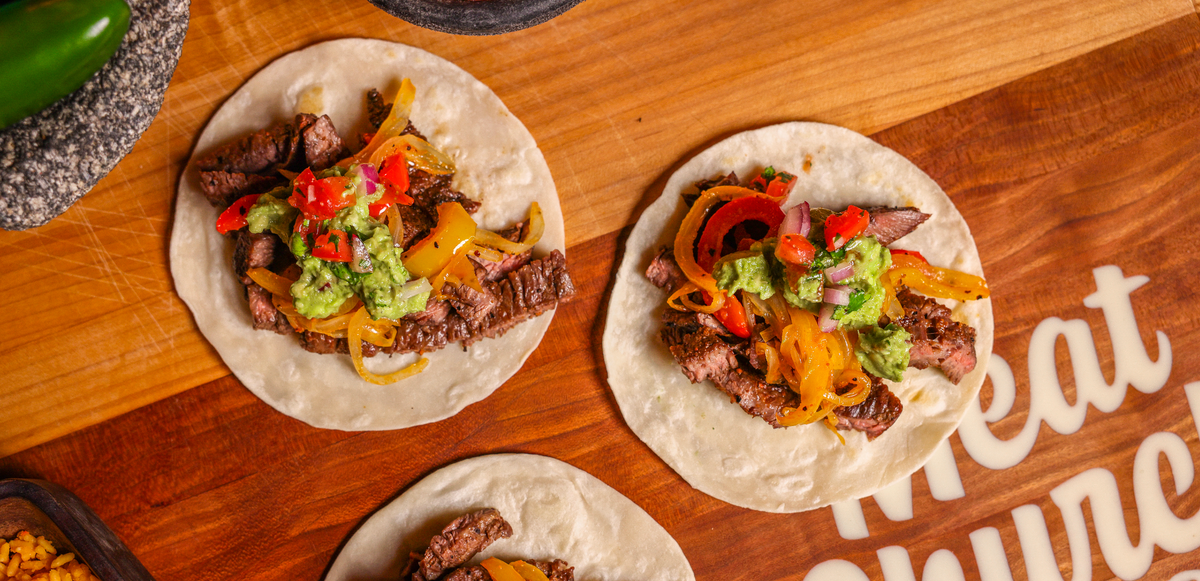
This comprehensive guide breaks down the anatomy of the ultimate grilled sirloin flap fajitas, featuring step-by-step preparation, expert grilling techniques, and the essential components needed to replicate this masterclass in backyard barbecue.
Chronology: Step-by-Step Fajita Preparation
Crafting the perfect batch of fajitas requires careful timing, precise heat management, and a systematic workflow. Follow this step-by-step chronology to ensure every element—from the steak to the guacamole—comes together in harmony.

Phase 1: Crafting the Guacamole and Pico de Gallo
Fresh toppings are the soul of any great fajita. Before firing up the grill, prepare your fresh ingredients to allow the flavors to meld.
- Pico de Gallo: Start by preparing a batch of fresh, traditional pico de gallo using diced ripe tomatoes, white onions, fresh jalapeños, cilantro, and freshly squeezed lime juice. (For a dedicated recipe, culinary purists often rely on trusted scratch-made ratios).
- Guacamole Base: In a medium mixing bowl, take ripe avocados and smash them gently with a fork to your desired consistency—keeping it slightly chunky provides the best texture.
- Combining Flavors: Fold a generous portion of the freshly prepared pico de gallo into the smashed avocados. Add a splash of fresh lime juice and season to taste with Meat Church BLANCO seasoning. Mix thoroughly until combined, cover, and set aside.
Phase 2: Seasoning the Sirloin Flap
The secret to deep flavor development lies in proper seasoning adhesion.

- The Meat: Secure a high-quality cut of sirloin flap. Pat the meat dry with paper towels to remove excess surface moisture.
- The Rub: Season the steak evenly and generously on all sides with Meat Church Fajita seasoning.
- The Rest: Allow the seasoned beef to rest at room temperature for approximately 15 minutes. This crucial resting window allows the seasoning to draw into the meat and properly adhere, creating a phenomenal crust when it hits the fire.
Phase 3: Sautéing the Vegetables
While the steak absorbs its seasoning and the grill comes up to temperature, prepare the classic fajita aromatics.
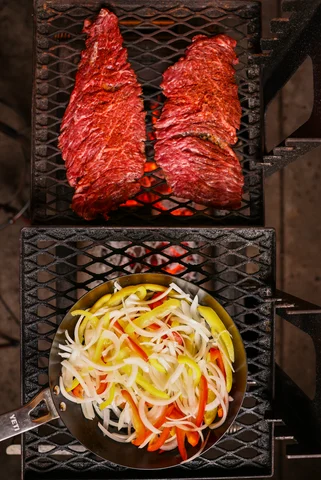
- The Skillet: Place a heavy-duty cast-iron skillet over a medium heat source on your stove or side burner.
- The Fats: Add a tablespoon of high-smoke-point beef tallow or extra virgin olive oil to the skillet.
- The Sauté: Slice vibrant bell peppers (a mix of red, green, and yellow) and sweet onions into uniform strips. Add them to the hot skillet, tossing occasionally until they achieve a tender-crisp texture with light caramelization.
Phase 4: Grilling the Sirloin Flap
High heat is mandatory for achieving that quintessential steakhouse char.

- The Fire: Build a ripping-hot fire using quality lump charcoal, such as Meat Church Lump Charcoal, ensuring an even, intense bed of direct heat.
- The Sear: Place the seasoned sirloin flap directly over the blazing coals.
- The Flip Schedule: Grill the steak for precisely three minutes on the first side. Flip and grill for an additional three minutes. From this point, flip the steak every minute, monitoring internal temperatures closely, until you reach your desired level of doneness (medium-rare to medium is highly recommended for flap meat) and a rich, smoky char develops.
- The Rest: Remove the steak from the grill immediately. Transfer it to a cutting board and let it rest undisturbed for 10 minutes. This allows the internal juices to redistribute evenly throughout the muscle fibers.
Phase 5: Assembly and Toasting Tortillas
- The Tortillas: Warm your fresh flour tortillas according to the package instructions, ensuring they are soft, pliable, and slightly toasted.
- The Slice: Using a sharp carving knife, slice the rested sirloin flap against the grain. Slicing perpendicular to the muscle fibers shortens them, guaranteeing an exceptionally tender bite.
- The Build: Lay down a warm flour tortilla, add a foundation of sliced sirloin flap, top with the sautéed peppers and onions, and crown with generous scoops of homemade guacamole and pico de gallo.
Supporting Data: Understanding Sirloin Flap Meat
To appreciate why culinary experts are moving away from traditional skirt steak in favor of sirloin flap, it helps to examine the physical and culinary properties of the cuts.
| Feature | Traditional Skirt Steak | Sirloin Flap Meat (Bavette) |
|---|---|---|
| Location | Plate cut (lower chest/abdominal area) | Bottom sirloin (lower chest/flank area) |
| Texture | Loose muscle fibers, slightly chewy if overcooked | Fine-grained, highly tender when sliced correctly |
| Flavor Profile | Deep, beefy, highly iron-rich | Rich, savory, excellent marinade absorption |
| Fat Content | Moderate marbling | Higher marbling profile, keeping it naturally juicy |
| Ideal Cooking Method | High-heat grilling (fast) | High-heat direct grilling or searing |
As the data illustrates, sirloin flap (often referred to as bavette in French culinary traditions) offers a finer grain structure. When cooked over a ripping-hot lump charcoal fire and sliced properly against the grain, it yields a melt-in-your-mouth tenderness that traditional skirt cuts struggle to match. Furthermore, its natural marbling ensures that even if cooked slightly past medium-rare, the cut retains adequate moisture and flavor.

Official Perspectives and Culinary Insights
Top-tier pitmasters and barbecue brands emphasize that mastering fajitas is less about complex ingredients and more about respecting fundamental techniques. According to outdoor cooking authorities, the shift toward alternative cuts like sirloin flap represents a broader evolution in backyard barbecue culture.
"For years, people treated fajitas as an afterthought—something quick to throw together with whatever cut was cheapest at the supermarket," notes a leading voice in contemporary barbecue product development. "Today, home cooks are realizing that upgrading your cut of beef transforms the entire dining experience. Sirloin flap gives you that authentic steakhouse char on the outside while maintaining an unbelievable tenderness on the inside."

Furthermore, culinary instructors stress the non-negotiable importance of the resting phase and grain orientation. "If you rush the resting period, you lose all the precious juices onto your cutting board," barbecue experts explain. "And if you slice with the grain instead of against it, you are fighting the natural anatomy of the meat. Take those ten minutes to let the steak rest, locate the grain, and slice perpendicular. It changes everything."
Implications: Elevating Your Next Backyard Gathering
The transition from standard skirt steak to sirloin flap for fajita night carries several implications for home chefs and casual entertainers alike.

1. Elevated Dining at Home
By utilizing cuts traditionally reserved for high-end bistros—such as the sirloin flap—home cooks can replicate, and often exceed, the quality of authentic Tex-Mex restaurants. The combination of pure lump charcoal smoke, precise seasoning profiles, and fresh scratch-made guacamole creates a sensory experience that elevates casual weekend cookouts into memorable dining events.
2. Versatility in Entertaining
Fajitas have always been a social food, encouraging family-style sharing and custom building at the table. Introducing sirloin flap gives hosts a compelling talking point. Educating guests on why the meat is so tender—highlighting the importance of slicing against the grain—adds an interactive, educational element to the backyard gathering.

3. Pairing and Complementary Flavors
A meal of this magnitude demands proper accompaniment. The rich, smoky, and slightly spicy profile of the grilled beef pairs brilliantly with traditional side dishes:
- Sides: Cilantro-lime rice and slow-simmered pinto or black beans.
- Beverages: An ice-cold Mexican cerveza garnished with a wedge of lime, which cuts through the rich fats of the guacamole and beef tallow-sautéed vegetables.
Ultimately, embracing sirloin flap for fajitas proves that traditional recipes can always be improved with a bit of culinary curiosity, proper technique, and high-quality ingredients. Once you experience the exceptional texture and bold flavors of a properly grilled sirloin flap fajita, returning to ordinary cuts will simply no longer be an option.