CULINARY ARTS & LIFESTYLE — For millions of home bakers navigating celiac disease, gluten intolerance, or wheat sensitivities, achieving the holy grail of baking—a tall, domed, structurally sound muffin with a tender, fluffy crumb—has long felt like an exercise in frustration. Too often, gluten-free baked goods fall victim to the "gummy trap," resulting in heavy, dense centers or dry, crumbly disasters that fail to evoke the comforting nostalgia of traditional wheat-based treats.
Now, a definitive baking technique developed by gluten-free culinary authority Nicole Hunn of Gluten Free on a Shoestring promises to rewrite the rules of alternative-flour baking. Utilizing nearly two cups of mashed ripe bananas, a strategic dual-fat incorporation method, and a high-heat oven-spring shock, this new recipe demonstrates that gluten-free pastries don’t have to sacrifice texture for safety.
Main Facts: Deconstructing the Anatomy of a Better Muffin
The central breakthrough of the new gluten-free banana muffin recipe lies in its unconventional ingredient ratios and methodical mixing technique. Traditional banana muffin recipes often struggle with excess moisture; bananas are naturally heavy in water content, which, when combined with alternative flour blends, frequently leads to a wet, gummy interior.
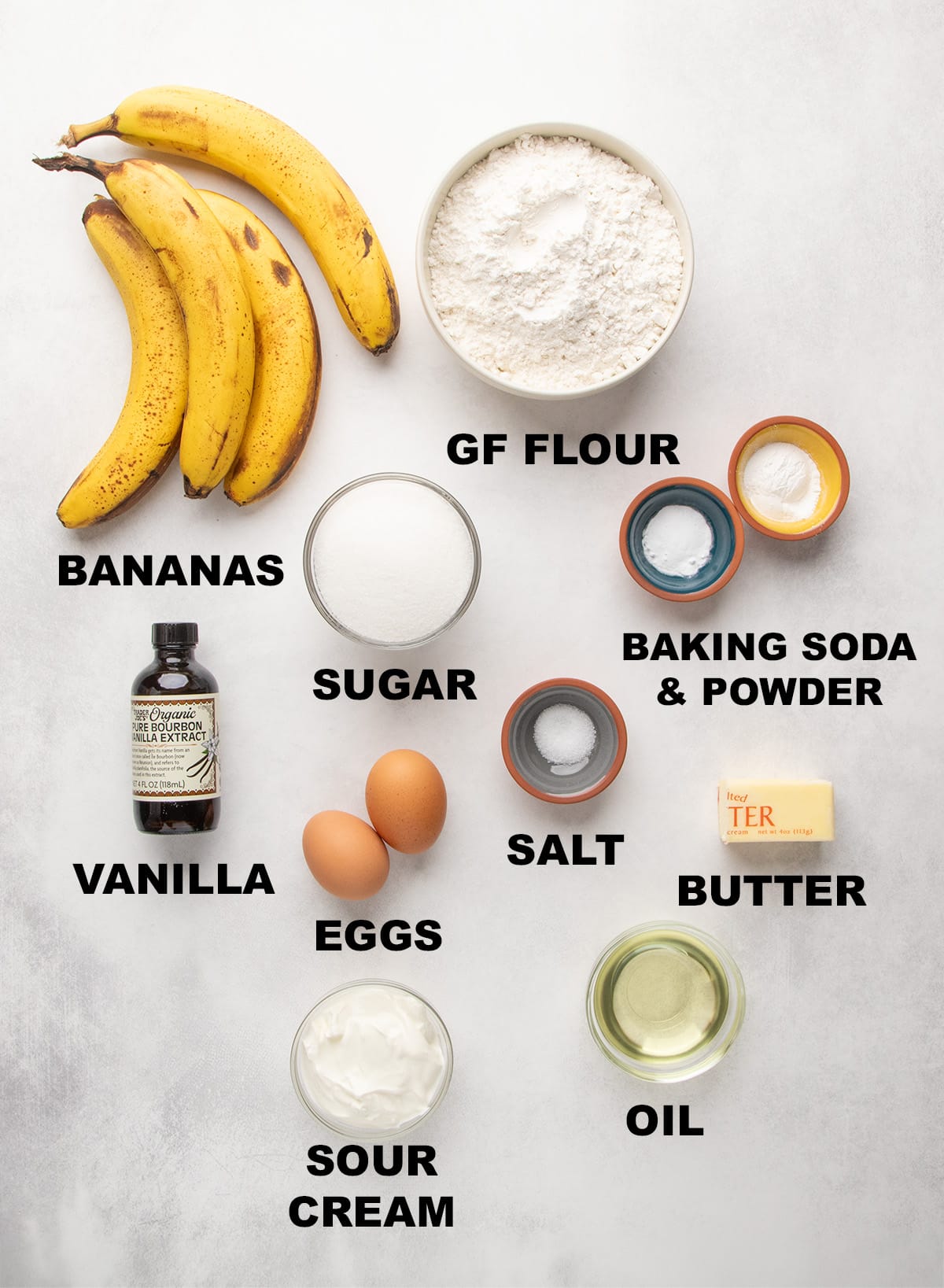
To counteract this, Hunn’s formulation incorporates several key structural pillars:
- The Banana Volume Threshold: A generous 1¾ cups of mashed ripe bananas provide an intense, authentic fruit flavor without overwhelming the flour’s structural integrity.
- Dual-Fat Synergy: A combination of melted butter and liquid oil is utilized. Butter provides rich, traditional flavor, while oil ensures that the crumb retains its moisture over a multi-day shelf life.
- Sour Cream Integration: Introducing sour cream adds necessary acidity to react with the baking soda while introducing dairy fats that tenderize the protein structure of the gluten-free flour.
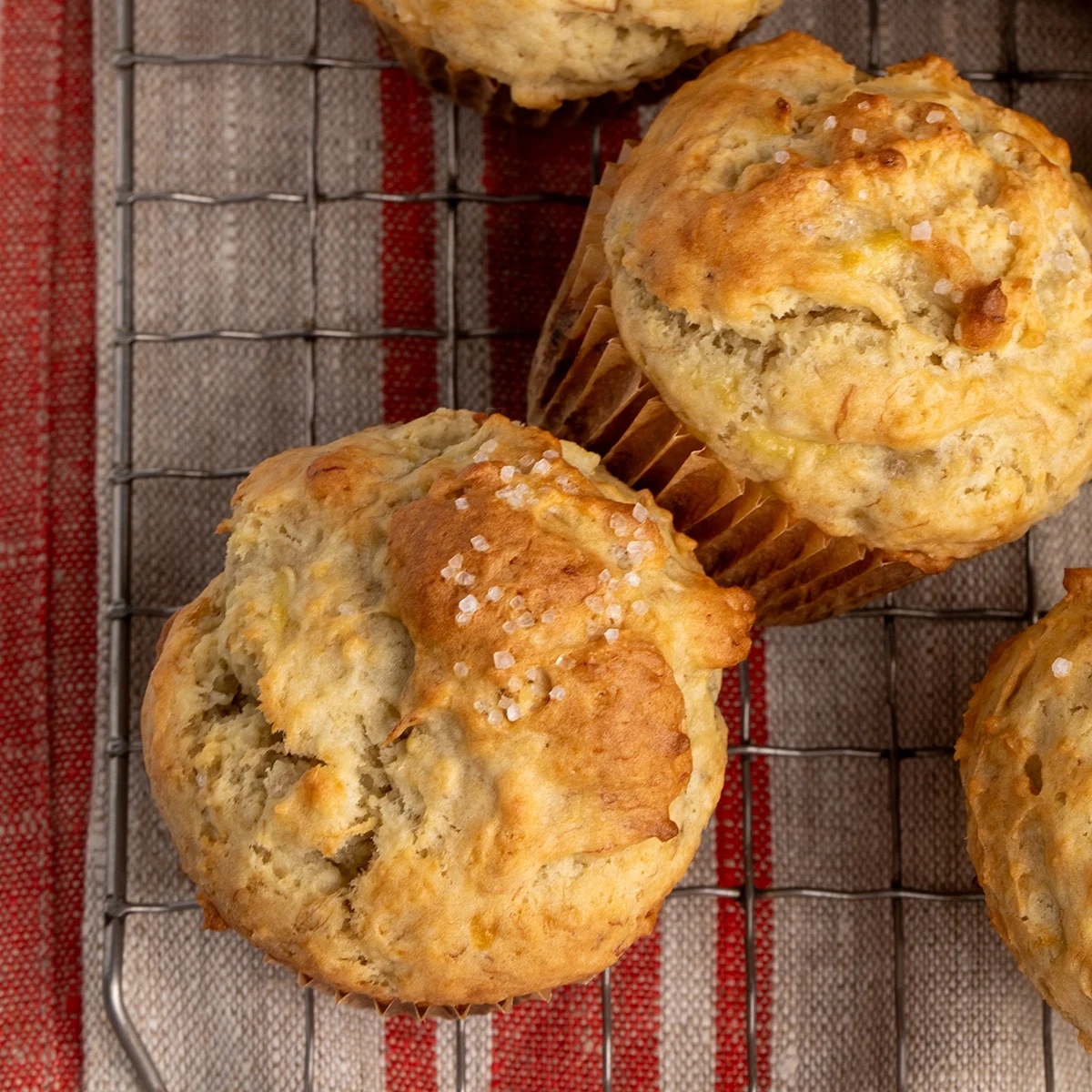
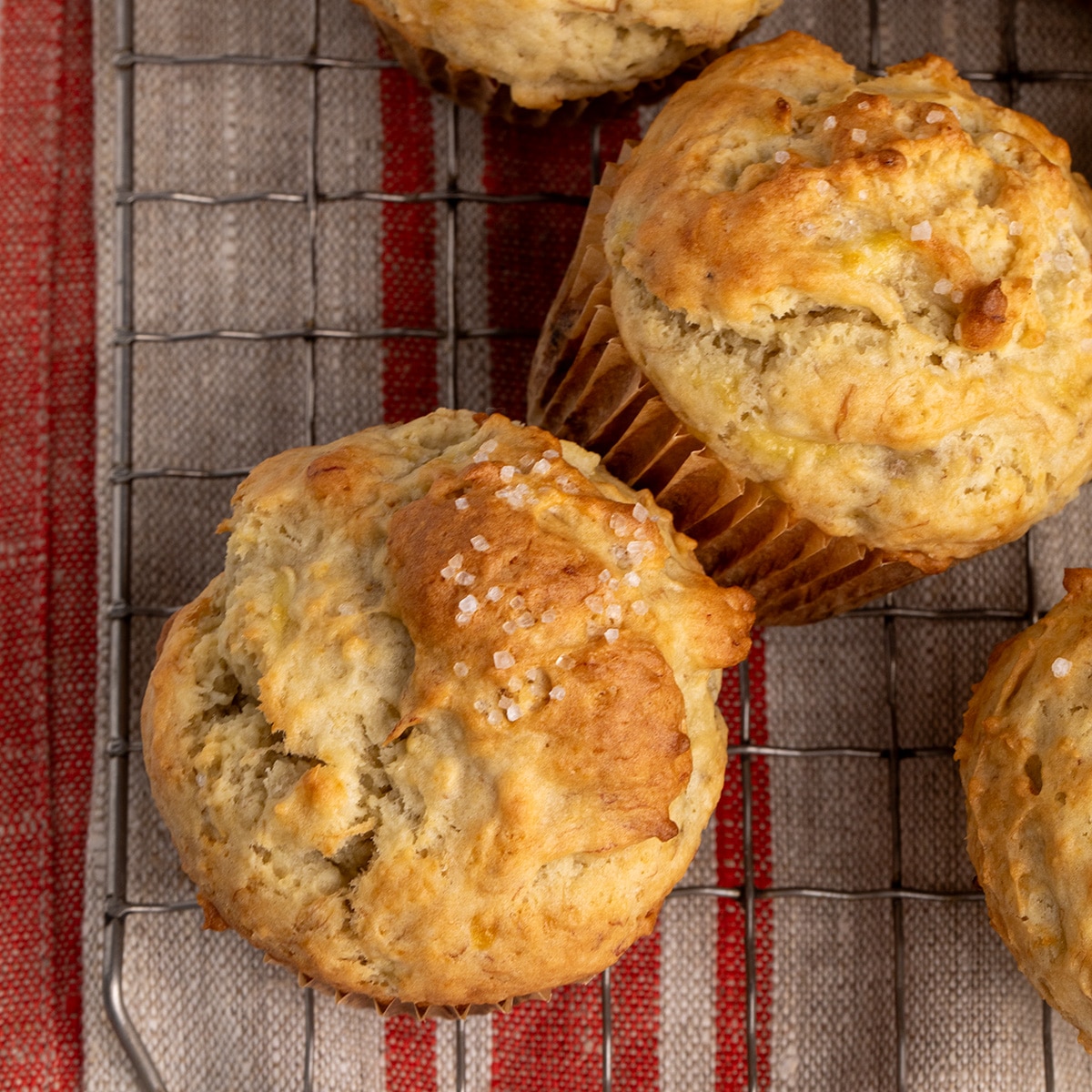
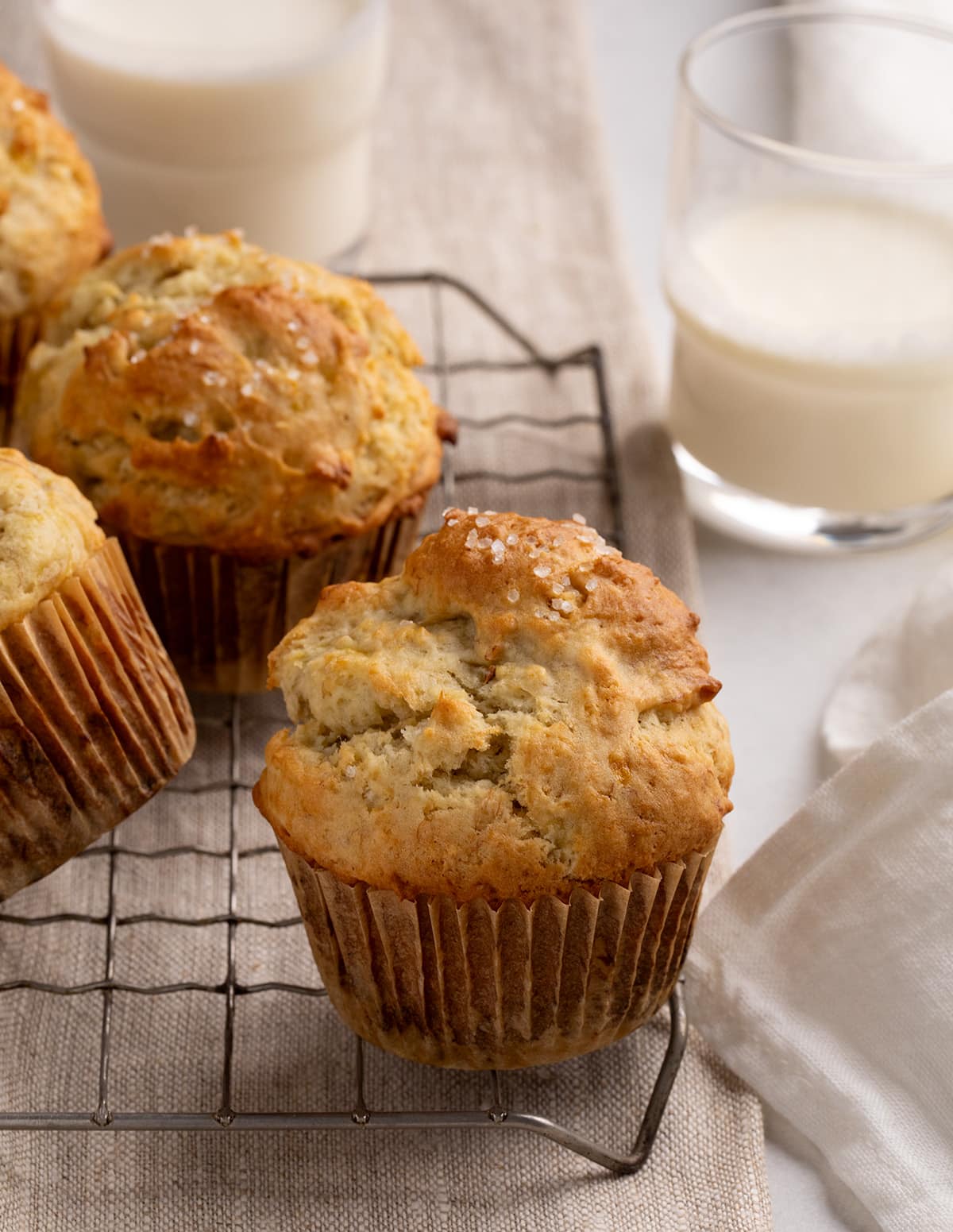
- High-Heat Baking Shock: By initiating the bake at a blistering 425°F before dropping it to 350°F, the recipe forces rapid carbon dioxide expansion, creating the coveted tall, bakery-style domed top.
Chronology: Step-by-Step Culinary Execution
For home cooks looking to replicate these results, precision is paramount. The recipe demands a specific sequence of operations designed to control moisture release and chemical leavening activation.
Phase 1: Dry Ingredient Homogenization
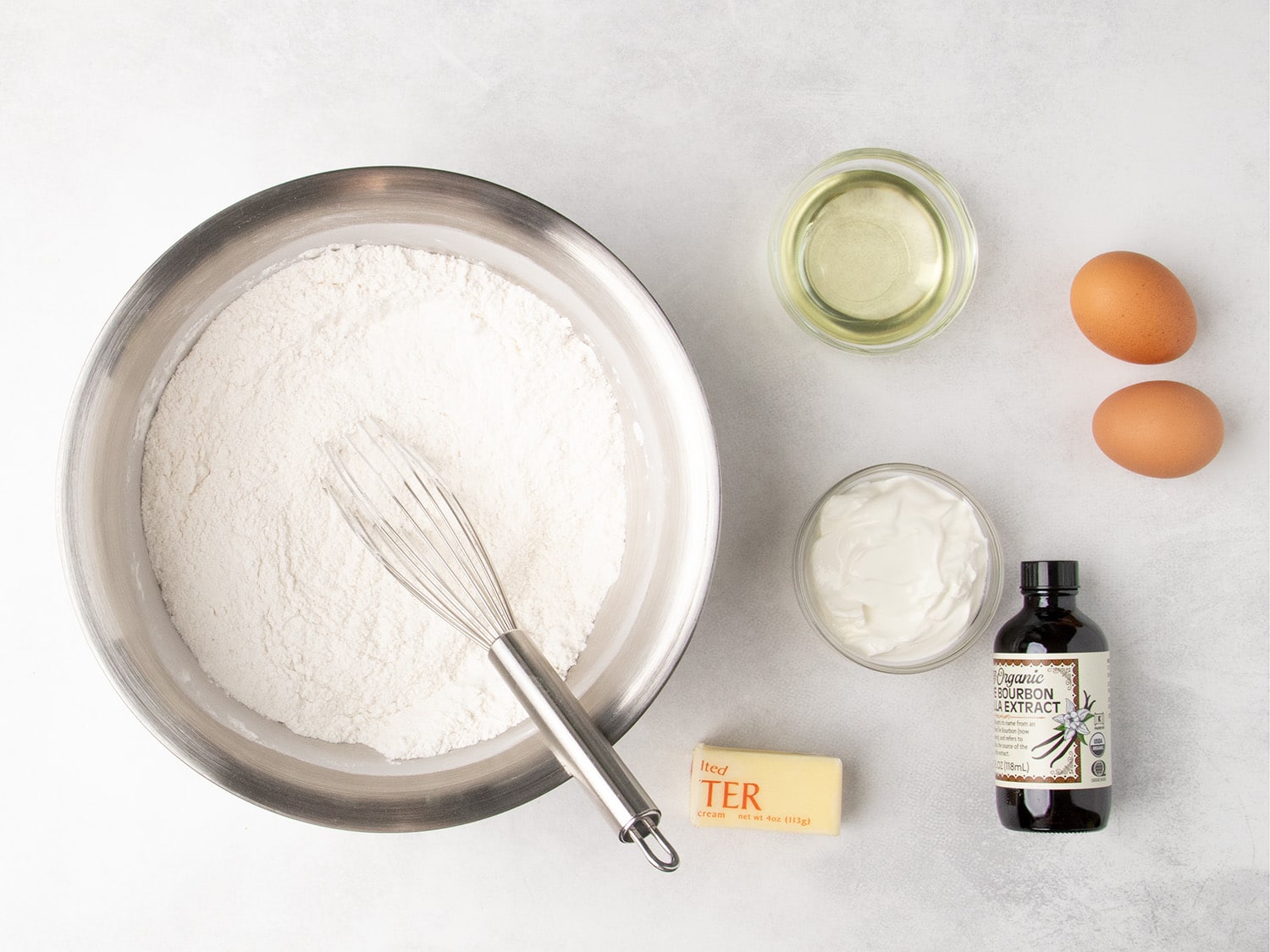
The process begins in a large mixing bowl, where the chosen gluten-free flour blend, xanthan gum (if not already present in the blend), baking powder, baking soda, salt, and granulated sugar are thoroughly whisked. This step ensures that the leavening agents are evenly distributed, preventing pockets of uneven rise or metallic-tasting pockets of unreacted soda.
Phase 2: Wet Incorporation Without Over-Mixing
Rather than dirtying a separate bowl, a well is created in the center of the dry ingredients. Into this well go the melted butter, oil, eggs, sour cream, and pure vanilla extract. These wet components are lightly beaten together in the center before slowly incorporating the surrounding dry mixture. The batter at this stage remains deliberately thick and coarse.
Phase 3: The Critical Banana Fold
Mashed bananas are added strictly as the final step. Using a rubber spatula, the baker gently folds the fruit into the thick base. This late-stage addition is vital: over-working the bananas releases excessive water prematurely, which would otherwise sabotage the crumb structure. Once incorporated, the batter loosens significantly into a scoopable consistency.
Phase 4: Thermal Shock and Baking Mechanics
To achieve professional-grade height, the batter is portioned into muffin liners, with bakers advised to utilize every other well in a standard 12-cup tin to maximize heat circulation.
- Minutes 0–5: The muffins enter a preheated 425°F oven. The intense heat instantly activates the baking powder, forcing a violent, upward vertical lift and setting the outer crust into a distinct dome.
- Minutes 5–20: The temperature is rapidly dropped to 350°F. This gentler heat allows the dense center to cook through completely without scorching the exterior sugars.
- The 5-Minute Rule: Post-bake, the muffins rest in the tin for precisely five minutes before being transferred to a wire rack. Leaving them longer traps steam inside the paper liners, softening the crust into an unpleasantly chewy texture.
Supporting Data: Nutritional Breakdown and Flour Chemistry
Understanding the mechanics of gluten-free baking requires looking closely at flour selection and nutritional metrics. Because wheat protein (gluten) is absent, alternative flours rely on starches and gums to trap gas bubbles.
The Flour Blend Dilemma
Not all gluten-free flour blends are created equal. According to testing data accompanying the recipe, the choice of base flour dictates the need for supplementary stabilizers:
- Better Batter (Original Blend): Formulated without xanthan gum, it provides a reliable, balanced crumb straight out of the bag.
- Nicole’s Best Multipurpose Blend: Requires an additional 1⅓ teaspoons of xanthan gum to provide adequate elasticity.
- Bob’s Red Mill 1-to-1 Baking Flour: Requires an extra ¼ teaspoon of xanthan gum to prevent the finished muffins from becoming excessively crumbly upon cooling.
Nutritional Profile (Per Single Muffin Serving)
Based on a yield of 16 standard muffins, the nutritional profile reflects a balanced, energy-dense breakfast or snack option:
- Calories: 234 kcal
- Carbohydrates: 37 g
- Protein: 2 g
- Total Fat: 8 g (Saturated Fat: 3 g)
- Sodium: 190 mg
- Dietary Fiber: 2 g
- Sugars: 16 g
Official Responses and Expert Modifications
Culinary reactions to the technique have highlighted its adaptability for various dietary restrictions and flavor variations.
For bakers requiring dairy-free alternatives, recipe developers advise swapping the butter for a melted and cooled virgin coconut oil—ideally triple-filtered to avoid a distinct coconut taste. Similarly, dairy-free sour cream or strained plain dairy-free yogurt (brought to a Greek yogurt consistency) successfully mimics the fat and acid balance of the original formula.
For those seeking egg-free adaptations, trials indicate that chia eggs (one tablespoon of ground chia seeds mixed with two tablespoons of water per egg), commercial egg replacers like Bob’s Red Mill, or refrigerated liquid egg substitutes such as "Just Egg" can maintain structural integrity.
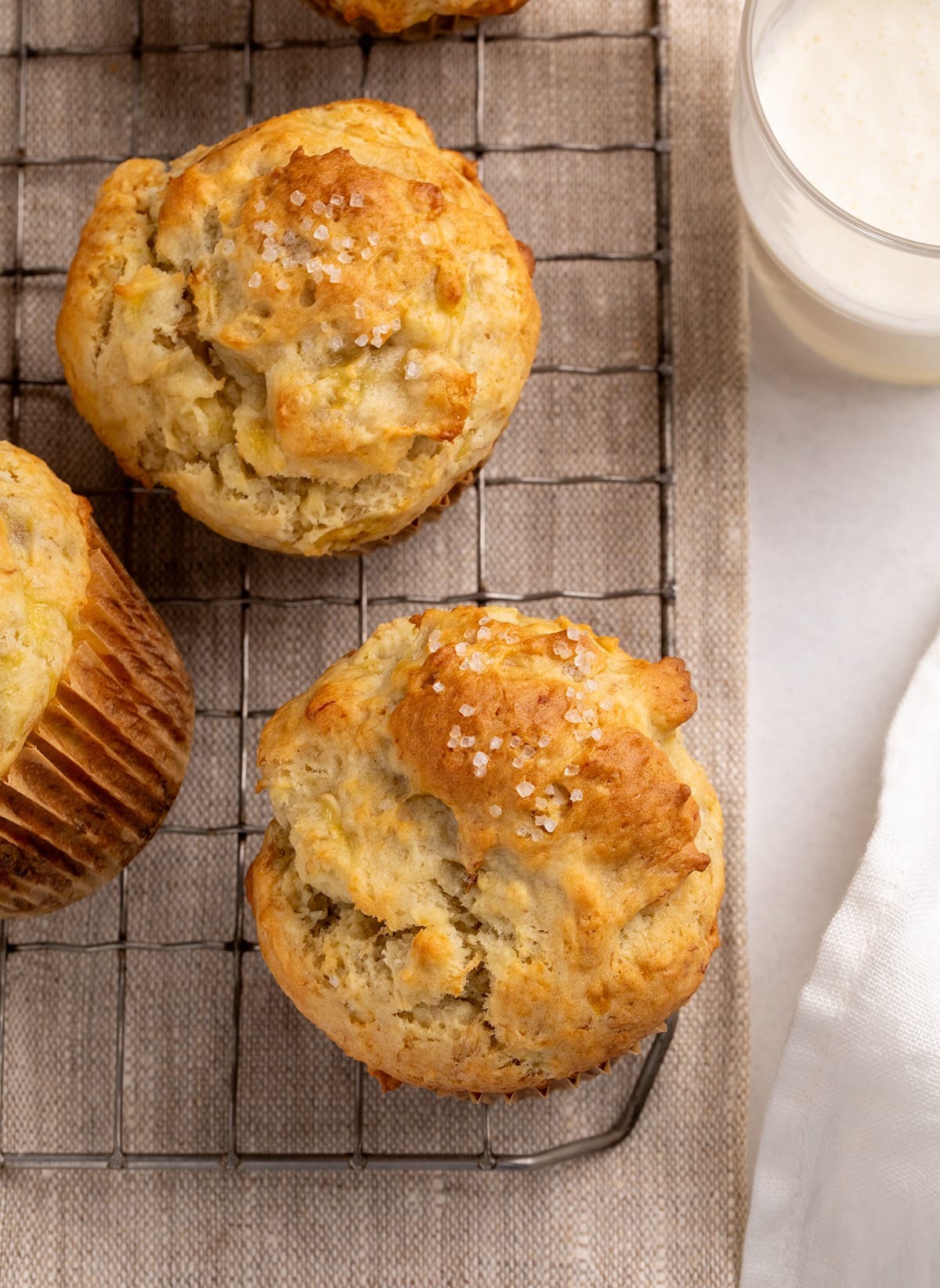
Advanced bakers have also embraced customization options. Folding in up to half a cup of semi-sweet chocolate chips, two to three ounces of toasted chopped walnuts or pecans, or a teaspoon of ground cinnamon into the dry mix allows for regional and seasonal variations without compromising the core chemistry of the rise.
Implications: The Shifting Standard of Gluten-Free Baking
The widespread adoption and success of precision-engineered recipes like these signal a broader cultural shift within home economics and commercial baking alike. For decades, the gluten-free community was forced to accept culinary compromises—tolerating gritty textures, cardboard-like mouthfeel, and dense, uninspired loaves out of nutritional necessity.
By applying rigorous scientific principles—such as thermal manipulation via high-heat oven springs and careful hydration timing—modern gluten-free recipe developers are proving that alternative baking is no longer a game of limitation, but one of culinary innovation. As these techniques become mainstream, the historical divide between "regular" comfort food and allergen-friendly alternatives continues to narrow, offering a more inclusive, delicious future for home kitchens worldwide.