By the Culinary Features Desk
Published: September 2026
Main Facts: The Rise of the Butterflied Drumstick
For decades, the humble chicken drumstick has occupied a reliable yet unremarkable space in the pantheon of backyard barbecue. Inexpensive, forgiving, and universally beloved by children and adults alike, standard chicken legs are a staple of summer cookouts. However, they have historically suffered from a distinct culinary limitation: thickness. Because of the bone-in, muscle-heavy architecture of the cut, traditional drumsticks can cook unevenly, leaving the exterior overcooked while the meat near the bone remains chewy, or worse, underdone.
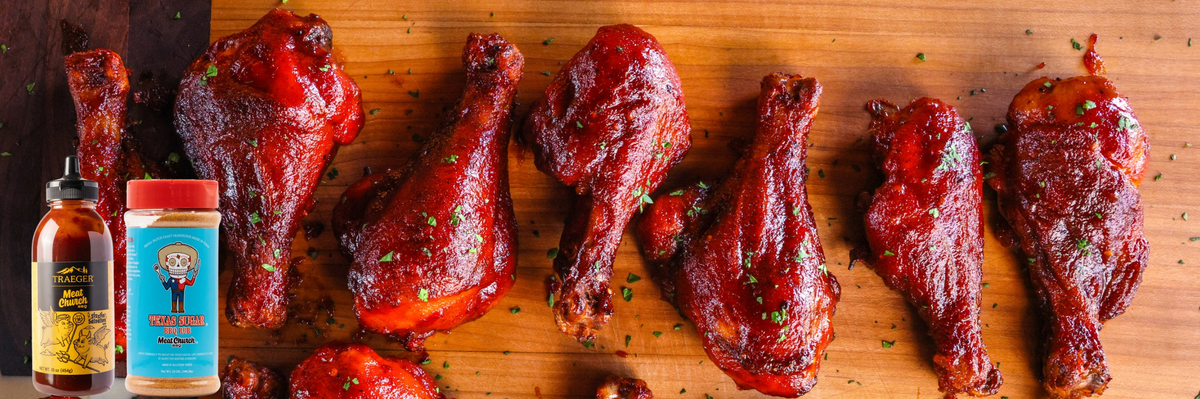
Enter a game-changing technique that is quietly sweeping the competitive barbecue circuit and backyard patios across the nation: butterflied drumsticks.
By slicing the meat open lengthwise down to the bone, pitmasters and home cooks can lay the chicken leg completely flat. This simple mechanical adjustment transforms the geometry of the cut, exposing exponentially more surface area to dry rubs, smoke, and heat. The result is a radically improved cooking process that yields faster, more even results, deeper flavor penetration, and a stunning presentation.

Pioneered by outdoor cooking experts and popularized through viral culinary demonstrations—such as a recent masterclass utilizing a Traeger Woodridge pellet grill fueled by Meat Church Oak and Hickory pellets—this method takes an economical pack of standard chicken legs and elevates them to championship-level barbecue. Paired with high-end rubs like Meat Church Texas Sugar and finished with a sticky caramelized coat of Sizzlin’ Salvation Sweet Heat BBQ Sauce, butterflied drumsticks represent a masterclass in modern culinary efficiency.
Chronology: A Step-by-Step Masterclass in Execution
Achieving competition-level barbecue at home requires precision, patience, and adherence to a tested methodology. Pitmasters utilizing the butterflied drumstick technique follow a strict chronological sequence to ensure optimal texture, smoke absorption, and flavor caramelization.

Phase 1: Preparing the Smoker
Before any meat touches steel, the cooking vessel must be properly primed.
- The Setup: Preheat a high-performance pellet grill (such as the Traeger Woodridge) to 350°F.
- The Fuel: Wood selection is critical for poultry, which easily absorbs smoke. Experts recommend a blend of Oak and Hickory pellets—specifically Meat Church Oak and Hickory blends—to provide a robust yet balanced smoke profile that won’t overpower the delicate poultry flavor.
Phase 2: The Butterfly Technique
The defining characteristic of this recipe is the knife work.

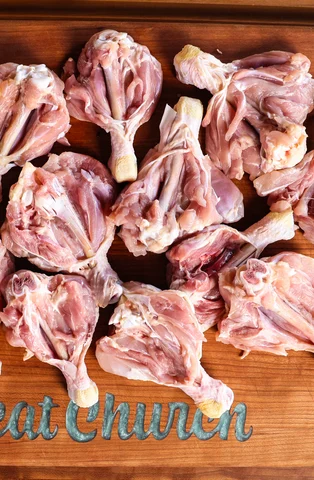
- The Cut: Take each standard chicken drumstick and carefully slice the meat away from the bone along its length.
- The Result: Once opened, the meat should fan out and lay completely flat on your prep station. This eliminates the dense, rolled cylinder of meat, ensuring that heat and smoke can reach the innermost layers directly.
Phase 3: Seasoning and Adhesion
With the surface area drastically increased, seasoning distribution becomes far more effective.
- The Rub: Dust the butterflied chicken generously on all sides with a sweet-forward seasoning, such as Meat Church Texas Sugar.
- The Rest: Allow the seasoned chicken to sit at room temperature for approximately 15 minutes. This critical waiting period allows the salt and spices to draw out minor surface moisture, creating a tacky bond (often called the "pellicle") that locks the rub to the meat and enhances smoke adherence.
Phase 4: The Smoke
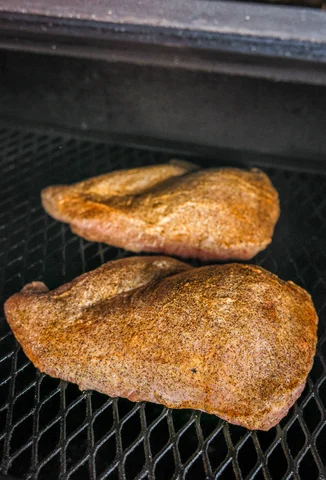
- The Placement: Arrange the butterflied drumsticks directly on the grill grates, butterflied side down. This ensures the exposed meat gets an immediate sear and direct contact with the flavored smoke.
- The Cook: Smoke the chicken for roughly 40 minutes. Monitor the internal temperature closely using a reliable digital instant-read thermometer inserted into the thickest part of the meat without touching the bone. The target internal temperature at this stage is 170°F.
Phase 5: Glazing and Caramelization
Poultry skin and lean meat benefit immensely from a high-heat finish to crisp the exterior and set the sauce.

- The Sauce: Remove the drumsticks temporarily and dunk or brush them thoroughly in Meat Church Sizzlin’ Salvation Sweet Heat BBQ Sauce.
- The Temperature Spike: Increase the pellet grill’s temperature from 350°F to 425°F.
- The Tack: Return the sauced drumsticks to the smoker for an additional 5 minutes. Watch closely as the sugars in the barbecue sauce bubble, thicken, and tack up into a glossy, sticky, caramelized glaze.
Phase 6: Rest and Presentation
- The Rest: Pull the chicken from the smoker and allow it to rest for a few minutes to redistribute the juices.
- The Garnish: Sprinkle with freshly minced parsley to provide a vibrant contrast of color against the deep, mahogany-red glaze.
- The Pairing: Serve immediately alongside a frosty, cold beverage.
Supporting Data: Why Surface Area Matters in Smoker Dynamics
To understand why butterflied drumsticks outperform traditional whole legs, one must look at the food science of barbecue physics.
- Surface Area Expansion: A standard whole drumstick has an average surface area of roughly 12 to 15 square inches, much of which is covered by skin that acts as a moisture barrier. By butterfiling the leg, the exposed surface area increases by an estimated 60% to 75%, allowing significantly more dry rub to make direct contact with the muscle tissue.
- Cook Time Reduction: Traditional drumsticks cooked at 350°F typically require 45 to 60 minutes to reach a safe, tender internal temperature of 165°F to 175°F. Because butterflied drumsticks lie flat and thin out the mass of the meat, cooking times drop by 20% to 30%, reducing the risk of the exterior drying out before the interior reaches safety thresholds.
- Thermal Conduction: In a standard leg, heat must radially penetrate inward from all directions, creating a thermal gradient where the outer layers dry out. A butterflied cut creates a uniform thickness sheet, promoting even thermal conduction and ensuring that collagen breaks down efficiently without over-rendering the surface fat.
Official Responses and Culinary Commentary
The technique has drawn praise from professional pitmasters, backyard cooking enthusiasts, and outdoor appliance manufacturers alike, who view it as a prime example of culinary innovation meeting everyday accessibility.

"When you cook traditional drumsticks, you’re fighting physics," notes a prominent competition pitmaster and recipe developer. "You have a thick muscle on one end and a dense bone running through the center. By butterfly-cutting the leg, you throw those rules out the window. You get the speed of a chicken wing, the meatiness of a leg, and double the surface area for your rub and smoke. It completely changes the backyard game."
Industry analysts point out that recipes like this reflect a broader shift in consumer cooking habits. As specialty spice brands and pellet grill technology become more accessible to everyday households, home cooks are increasingly eager to experiment with advanced prep techniques that yield restaurant-quality results without requiring professional culinary training.

Implications: The Future of Budget-Friendly Barbecue
As economic pressures and fluctuating grocery prices prompt consumers to rethink their household budgets, the popularity of economical cuts of meat—such as chicken drumsticks, pork shoulders, and whole chickens—is on the rise. Expensive cuts like beef briskets and baby back ribs remain weekend luxuries, but affordable poultry offers a canvas for culinary creativity.
The success of the butterflied drumstick demonstrates that expensive ingredients are not a prerequisite for exceptional barbecue. By applying advanced preparation techniques, precision temperature control, and high-quality artisan seasonings and sauces, home cooks can elevate inexpensive grocery store staples into show-stopping centerpieces for family gatherings and neighborhood cookouts.

Moving forward, culinary educators predict that butterflied poultry preparations will expand beyond drumsticks to include whole chickens, thighs, and even turkey legs, permanently altering how home cooks approach the geometry of outdoor cooking.