NEW YORK — As the crisp autumn air signals the arrival of sweater weather, kitchens across the country undergo a seasonal transformation. The unmistakable aromas of cinnamon, nutmeg, and cloves begin to drift from residential ovens, marking the unofficial commencement of pumpkin season. While canned pumpkin puree remains a pantry staple for many, culinary enthusiasts and home bakers are increasingly turning their attention to a more concentrated, deeply spiced alternative: pumpkin butter.
Unlike standard watery purees, pumpkin butter transforms the humble winter squash into a velvety, deeply caramelized spread. By simmering pumpkin puree with apple cider, maple syrup, and aromatic warm spices, excess moisture evaporates, leaving behind a rich flavor profile that serves dual purposes as both a decadent breakfast condiment and a secret weapon for gluten-free baking.
Main Facts: What Sets Pumpkin Butter Apart?
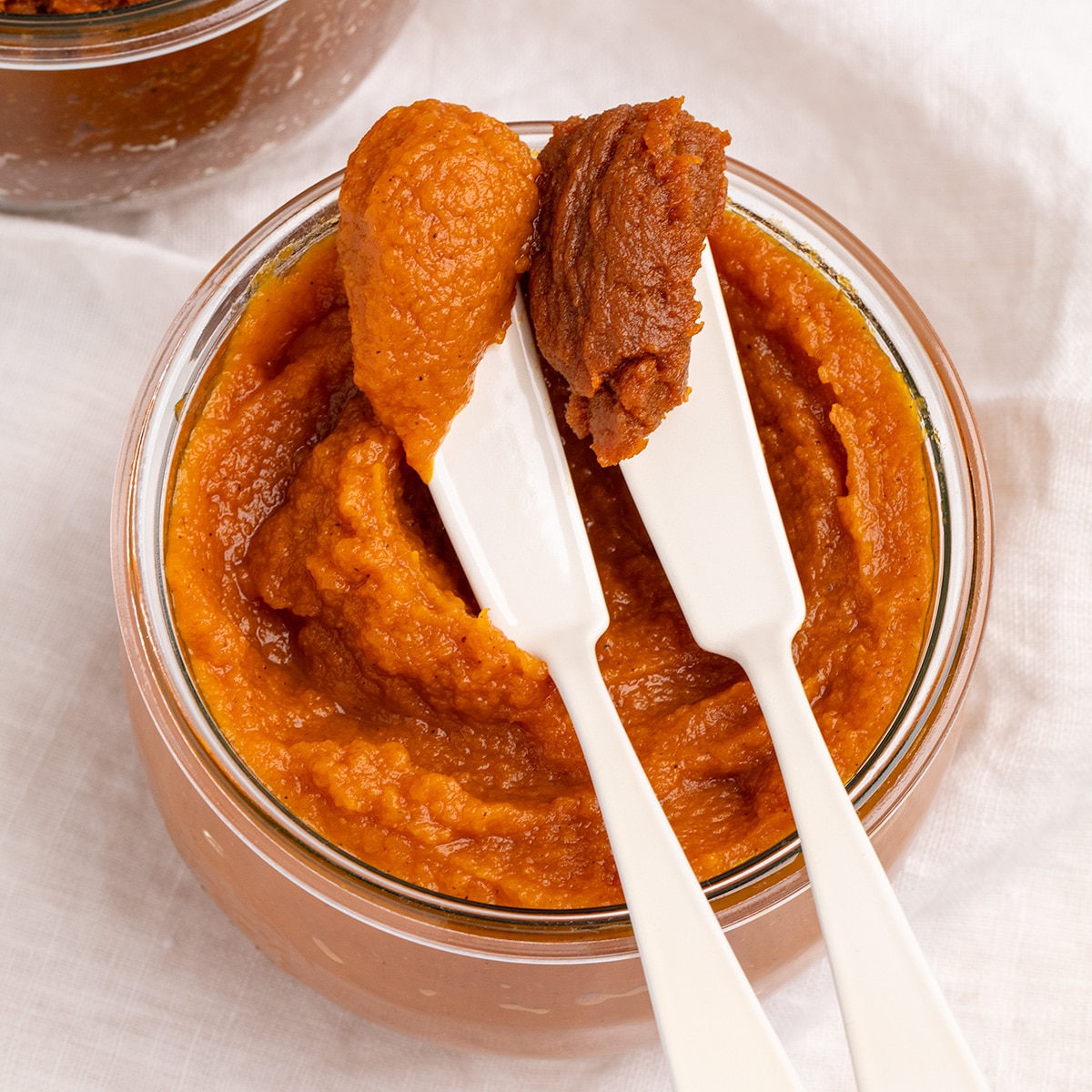
At its core, pumpkin butter is a reduction. It concentrates pumpkin puree into a smooth, richly spiced spread with a punchy, earthy flavor and significantly less moisture than its canned counterpart.
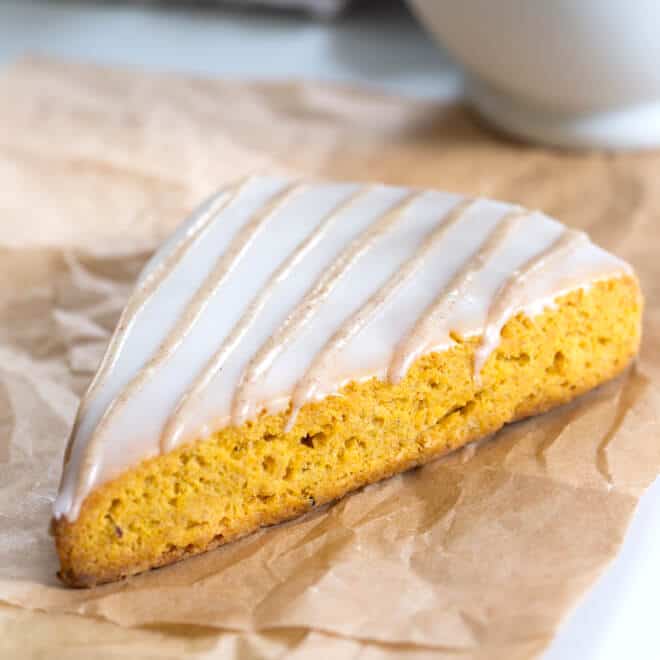
The primary challenge of baking with standard canned pumpkin is its high water content. While plain pumpkin adds moisture to recipes, it can inadvertently make cakes, quick breads, and scones overly soft, soggy, or excessively puffy without delivering a robust pumpkin flavor. Pumpkin butter solves this dilemma. Because it is cooked down until thick and spreadable, it imparts an intense, concentrated pumpkin essence without introducing the excess liquid that compromises the structural integrity of baked goods.
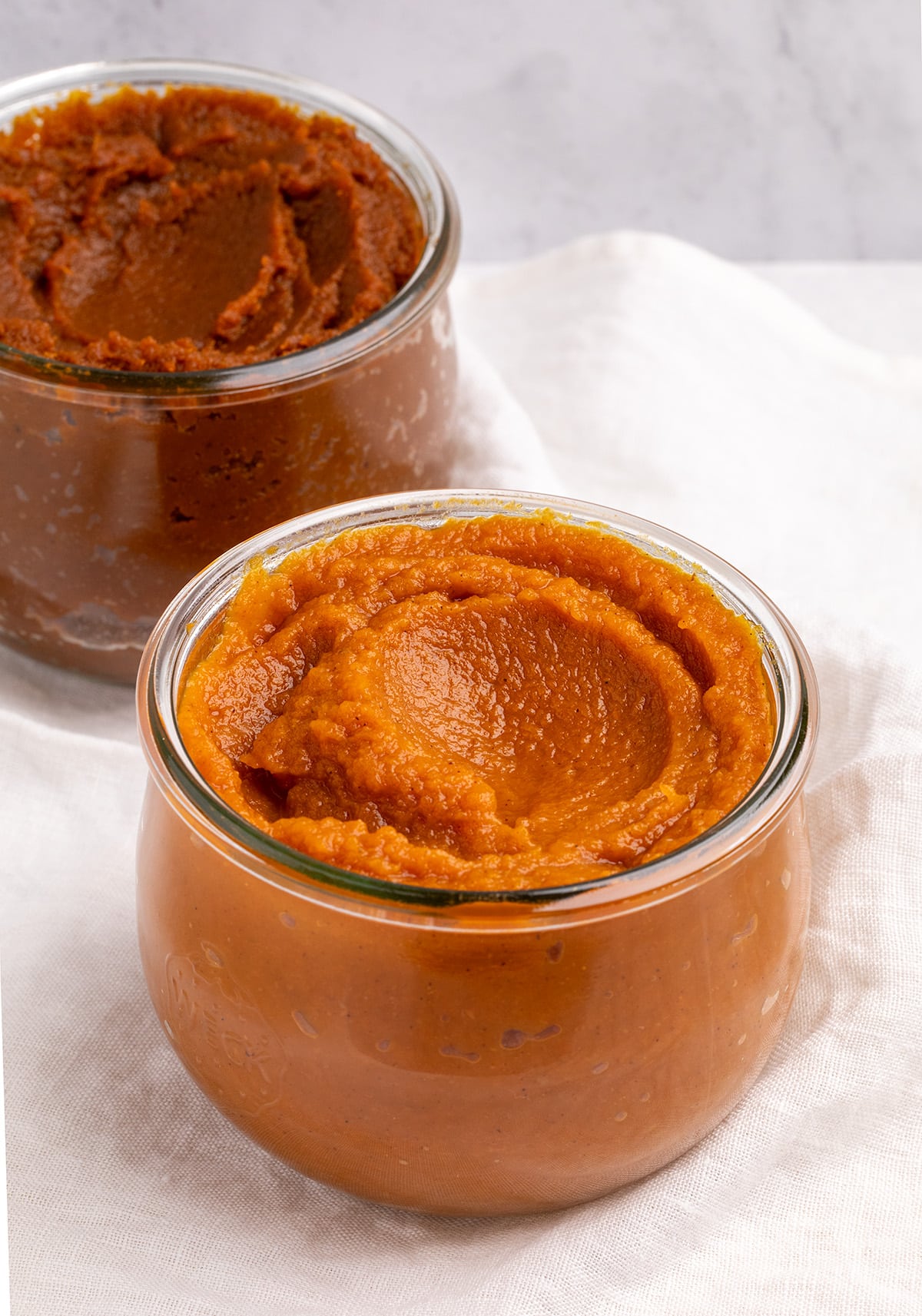
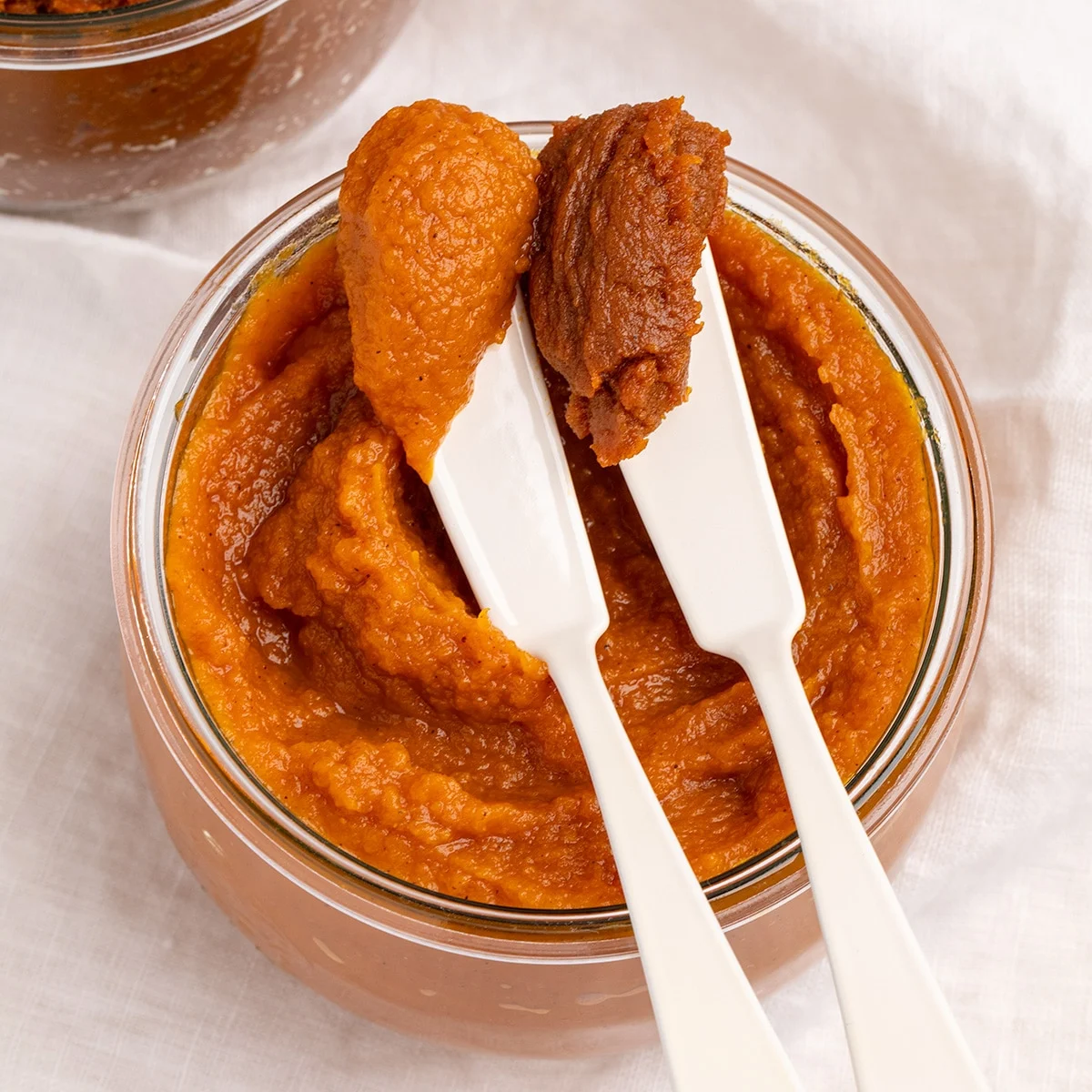
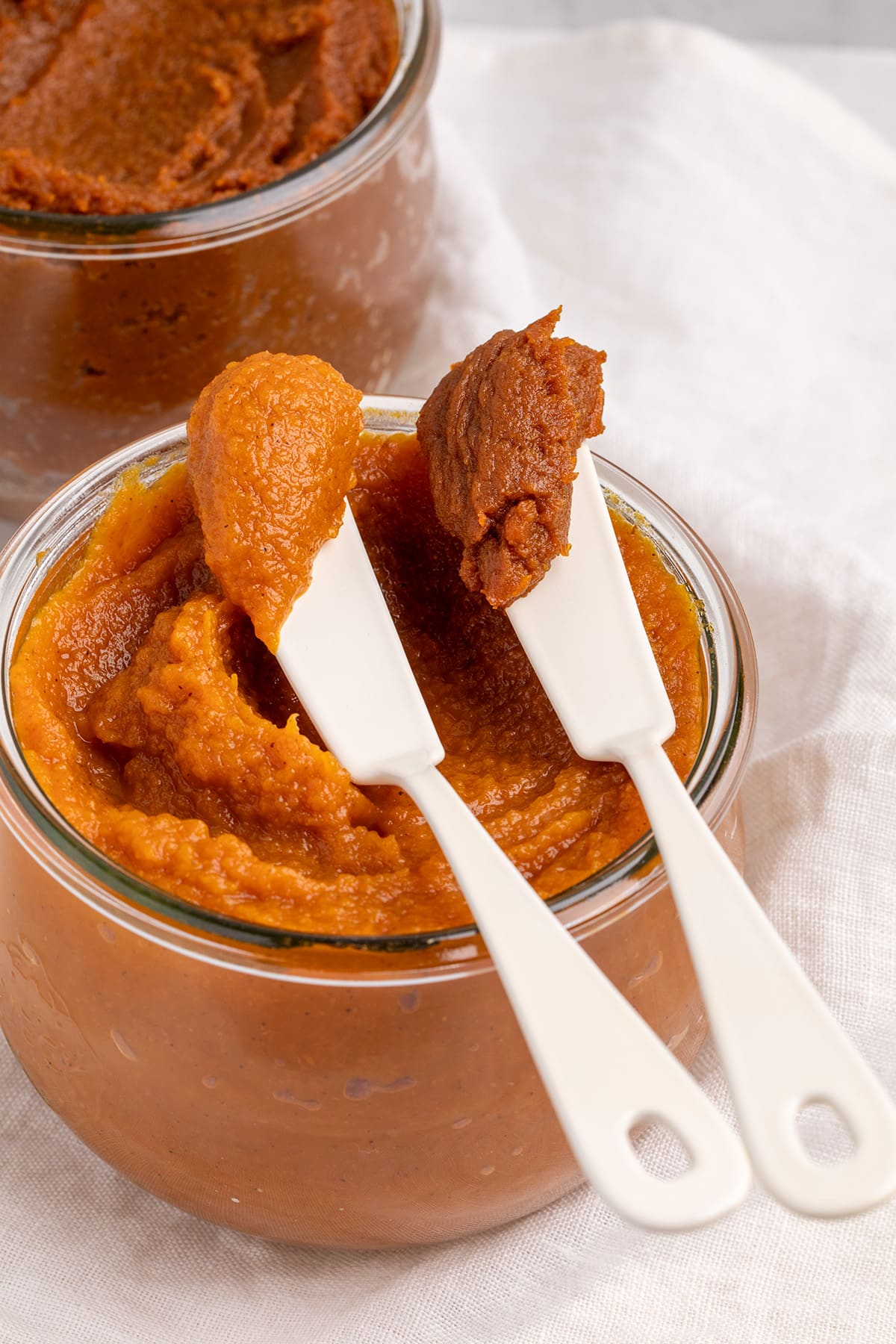
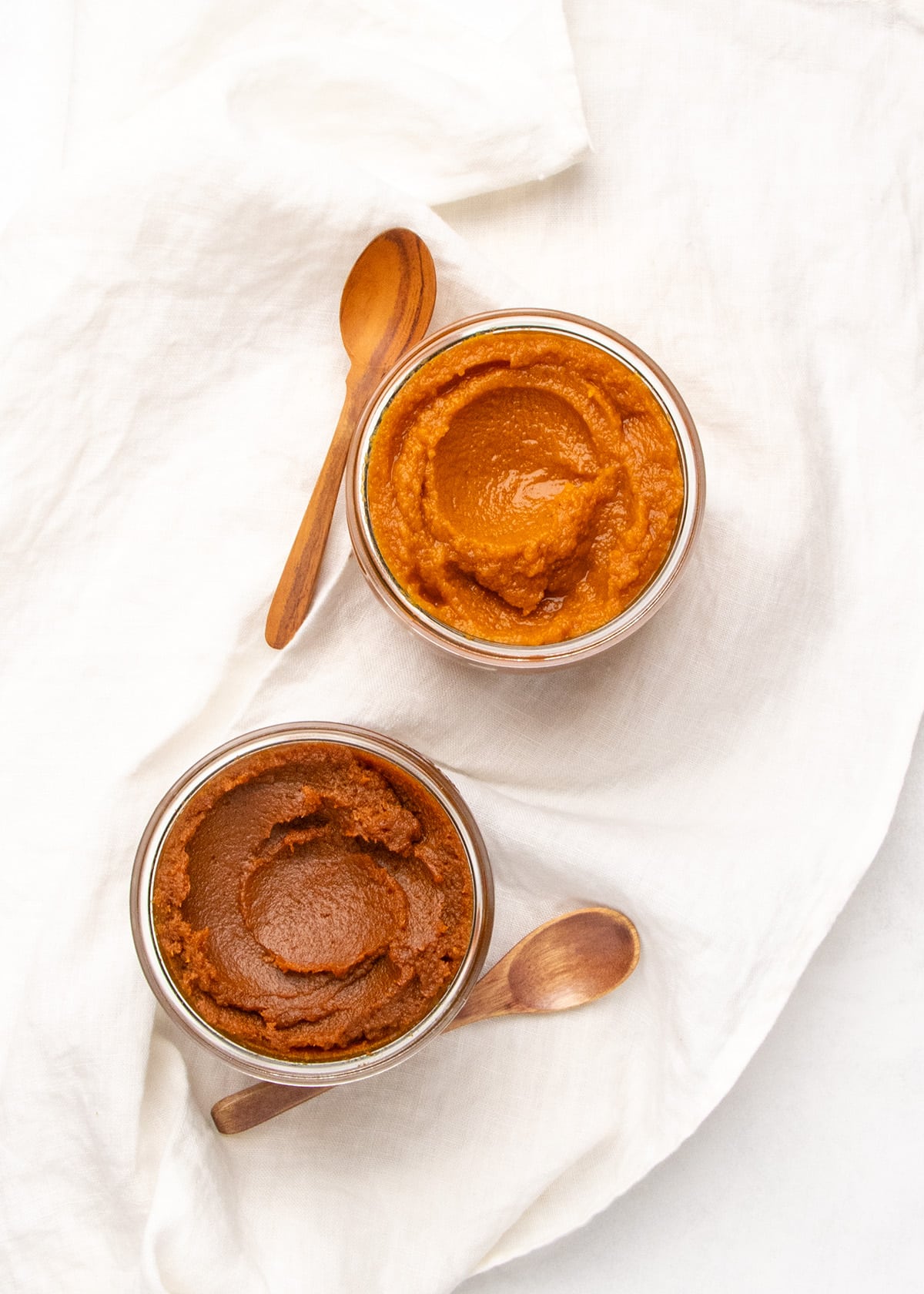
Furthermore, making pumpkin butter provides ultimate textural versatility. Depending on the intended application, a home cook can halt the cooking process early for a looser, glossy spread meant for toast and pancakes, or continue reducing the mixture into a dark orange-brown paste ideal for structural baking.
Chronology: The Step-by-Step Culinary Evolution
Crafting the perfect batch of homemade pumpkin butter requires patience, precision, and careful temperature management. Culinary experts recommend a systematic approach to ensure the spices marry evenly without burning.
Phase 1: The Initial Mixture
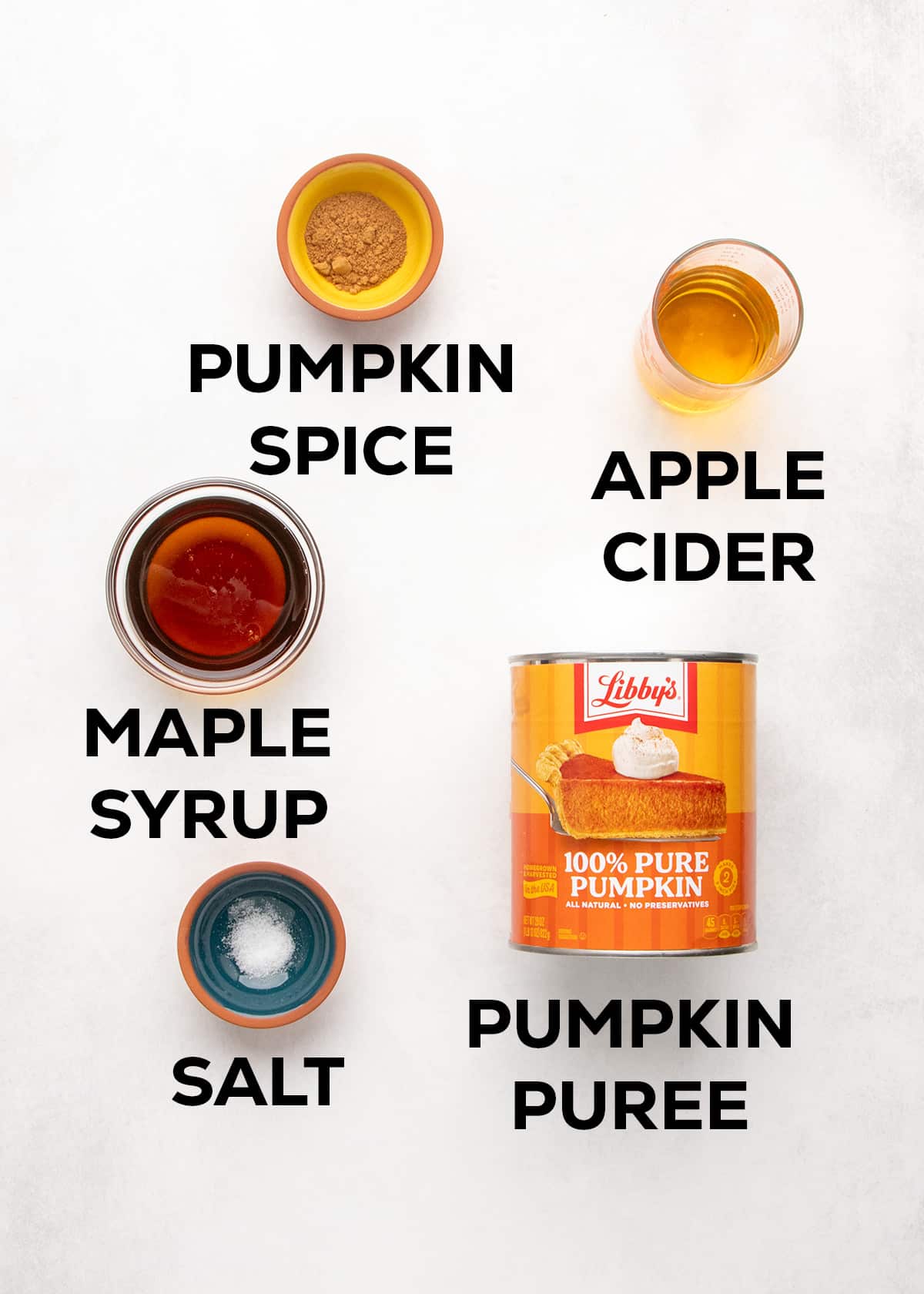
The process begins in a large, heavy-bottomed pan. Pumpkin puree, maple syrup, apple cider (or juice), pumpkin spice, and a pinch of salt are combined. Thorough stirring at this stage is critical to ensure the ingredients distribute evenly, preventing bitter pockets of concentrated spice.
Phase 2: The First Reduction
Cooked over medium-low heat with frequent stirring for roughly 15 minutes, the mixture begins to cook off its initial moisture while marrying the complex flavors. Because thick purees are prone to bubbling and spurting—which can pose safety hazards—using a generously sized pot and maintaining active supervision is essential.
Phase 3: Sweetening and Deepening
To enhance sweetness and introduce a secondary layer of complexity, brown sugar is added during the later stages of cooking. Introducing the sugar late helps prevent the scorching to which high-sugar fruit butters are notoriously prone. As the liquid evaporates further, the mixture deepens in color.
Phase 4: Customizing the Finish
- For Direct Consumption: Cooks stop the reduction early if the pumpkin butter is destined for toast, pancakes, or charcuterie boards. The finished product retains a glossy sheen and a smooth, spreadable consistency.
- For Baking Applications: If the butter is intended for scones, cinnamon rolls, or cookies, the simmering continues until all visible moisture has vanished, yielding a dark orange-brown paste packed with flavor.
Alternative Beginnings: Roasting a Whole Pumpkin
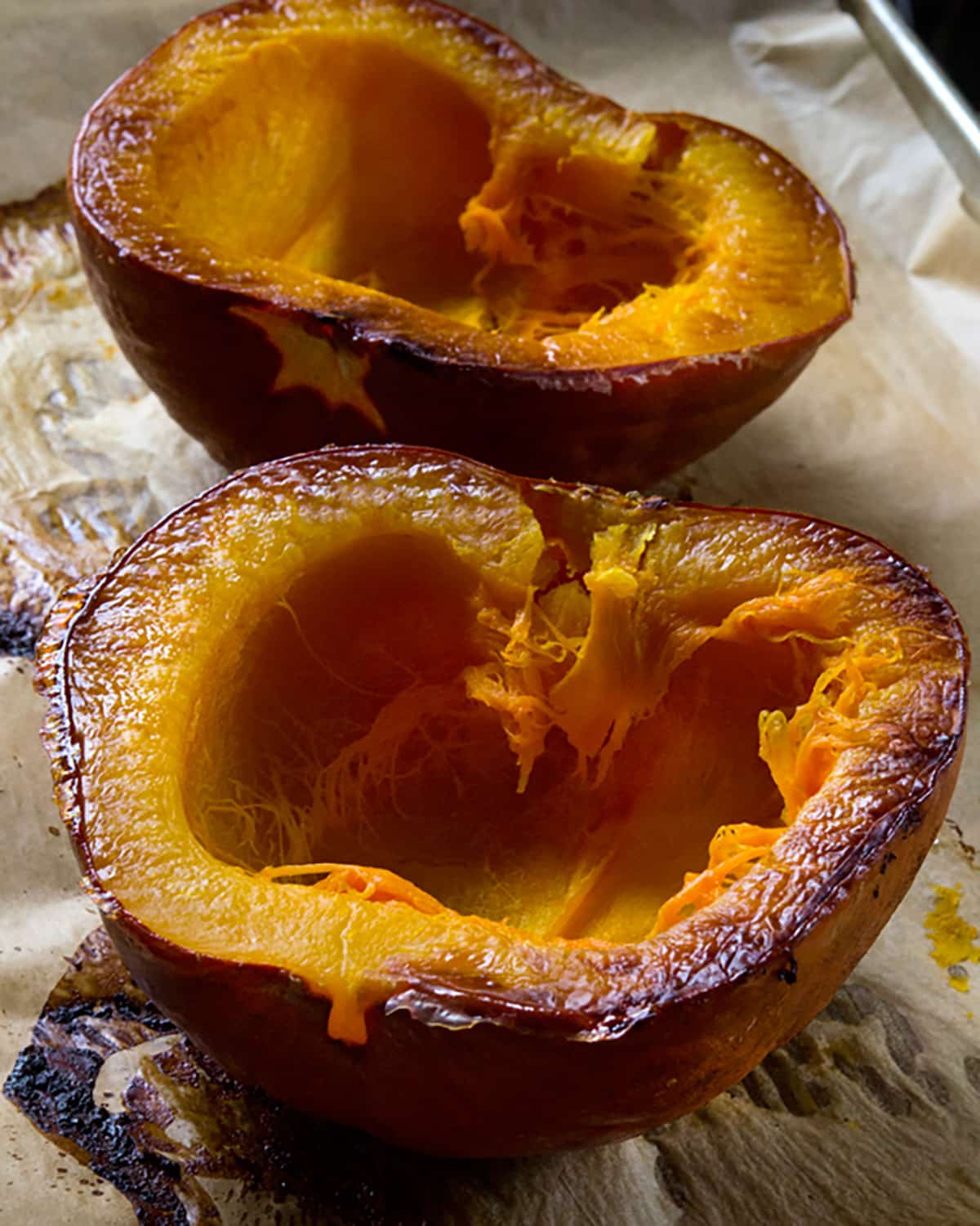
For purists who prefer scratch-cooking over canned ingredients, small sugar pumpkins offer an economical and flavorful alternative during the autumn harvest. Cutting a sugar pumpkin in half, piercing the skin, and roasting it cut-side down ensures the flesh remains tender without drying out. Once roasted, the flesh is scooped and pureed in a food processor or blender. As an added bonus, the leftover pumpkin seeds can be rinsed, dried, salted, and toasted in a dry cast-iron skillet or low oven for a nutritious, crunchy snack.
Supporting Data: Ingredient Substitutions and Flexibility
While the classic recipe relies on canned sugar pumpkin, pure maple syrup, and apple cider, culinary flexibility ensures that home cooks can adapt based on dietary needs or pantry availability.
Pumpkin Puree Alternatives
Commercial canned pumpkin is frequently produced using starchy winter squashes rather than traditional pumpkins. Butternut squash serves as an exceptional substitute, yielding a similarly smooth texture though a slightly lighter orange hue. Kabocha squash is another stellar option, offering a texture akin to pumpkin paired with an even sweeter, more fragrant flavor profile. Experts caution against acorn squash (which lacks sufficient flavor) and spaghetti squash (which possesses the wrong structural texture).
Sweetener Adjustments
Maple syrup provides a clean, woody sweetness, but honey can be substituted. Because honey is significantly thicker and features a distinct, heavier flavor profile, cooks should reduce the volume slightly (using roughly 3 tablespoons instead of a standard 1/4 cup) and supplement with additional apple cider to maintain moisture balance. Coconut palm sugar also works well when paired with extra cider to compensate for lost liquid.
Liquid Swaps
Apple cider or apple juice provides the ideal acidic brightness to balance the earthy pumpkin. However, individuals needing an alternative can look to pineapple juice, which introduces a vibrant, complex acidity. For those who dislike pineapple, white grape juice offers a milder, fruit-forward substitute.
Official Recommendations: Safety, Storage, and Commercial Options
The Food Safety Warning: Do Not Can at Home
While preserving garden produce is a beloved autumn tradition, food safety experts issue a strict warning regarding homemade pumpkin butter: Do not attempt to pressure-can or water-bath can this recipe.
According to home-preservation guidelines, pumpkin butter is a low-acid food that cannot be safely processed at home for shelf-stable storage. Because the dense, low-acid puree prevents heat from penetrating safely to the center of jars during standard home canning, doing so creates a severe risk of botulism.

Proper Storage Guidelines
Instead of canning, home cooks should rely on refrigeration and freezing:
- Refrigerator: Stored in a sealed glass container, homemade pumpkin butter will keep safely for approximately two weeks due to its reduced moisture and high sugar content.
- Freezer: For long-term storage, freeze the butter in ice cube trays before transferring the cubes into a sealed, freezer-safe bag. This allows bakers to defrost only the exact amount needed for upcoming recipes.
Commercial Alternatives
For those pressed for time, several high-quality commercial brands offer reliable gluten-free pumpkin butter during the fall and holiday seasons. Trader Joe’s seasonal pumpkin butter remains a fan favorite, while brands like Green Jay Gourmet and Stonewall Kitchen (Maple Pumpkin Butter) offer delicious, commercially prepared, gluten-free options. Consumers are advised to carefully check labels to ensure they are purchasing fruit-based pumpkin butter rather than pumpkin-flavored nut spreads.
Implications: Transforming Autumn Baking
The resurgence of pumpkin butter highlights a broader culinary shift toward ingredient efficiency and flavor concentration. By eliminating excess water from the equation, bakers can unlock robust, authentic autumn flavors without compromising the texture of delicate pastries, breads, and breakfast treats.
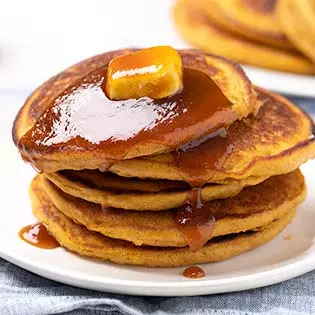
Whether whisked into gluten-free pancake batter, swirled into spiced cornbread, layered into laminated cinnamon rolls, or simply spread across morning toast, homemade pumpkin butter proves that a little extra time spent reducing on the stovetop pays off exponentially on the plate. As home bakers continue to elevate their seasonal repertoires, this versatile spread has firmly cemented its status as an indispensable cornerstone of autumn gastronomy.