In the modern culinary landscape, the demand for high-quality, artisanal dining within the home has reached an all-time high. Consumers are increasingly seeking alternatives to delivery services that are not only cost-effective but also nutritionally conscious. Enter the flatbread pizza: a versatile, efficient, and sophisticated solution that bridges the gap between gourmet dining and home-cooked simplicity.
According to culinary experts, including cookbook author and recipe developer Erin Clarke of Well Plated, the secret to the perfect flatbread pizza lies in the balance of high-quality base materials and the intentional selection of fresh, seasonal toppings. Whether utilizing a scratch-made dough or leveraging the convenience of store-bought naan or pita, this dish represents a masterclass in culinary flexibility.

Main Facts: The Anatomy of a Superior Flatbread
At its core, flatbread pizza is an exercise in minimalism. Unlike traditional deep-dish or heavy-crust pizzas that require extensive fermentation and specialized equipment, flatbread pizza is designed for the high-paced lifestyle of the contemporary home cook.
The primary components are as follows:

- The Foundation: This can range from artisanal sourdough flatbreads to standard naan. For those with dietary restrictions, modern alternatives—such as broccoli-based crusts or gluten-free flour blends—ensure that the dish remains inclusive.
- The Binding Agent: Whether a classic San Marzano tomato sauce or a vibrant basil pesto, the base sets the flavor profile for the entire assembly.
- The Texture and Protein: The inclusion of fresh mozzarella, protein-rich toppings, and seasonal vegetables allows for a complete meal in a single, thin-crust package.
The primary appeal of this dish is its "bake-ready" nature. By maintaining a high oven temperature—typically 450 degrees Fahrenheit—the cook can achieve a crisp, golden-brown finish that rivals professional stone-oven results without the need for a dedicated pizza hearth.
Chronology: The Evolution of Home-Baked Flatbreads
The transition of flatbread from a staple ancient grain product to the modern "personal pizza" format has been swift. In the early 2010s, flatbread pizzas were largely relegated to upscale bistro menus. However, the surge in interest regarding meal preparation and "at-home gastronomy" has brought these techniques into the domestic kitchen.

Phase 1: The Convenience Era (2015–2018)
During this period, the focus was on speed. Consumers utilized store-bought naan and pre-shredded cheeses to create "emergency meals." While convenient, these iterations often lacked the structural integrity and flavor depth of restaurant-quality pies.
Phase 2: The Artisanal Shift (2019–2022)
As home cooks became more skilled, there was a pivot toward homemade doughs. Influencers and cookbook authors began championing the use of simple yeast-based doughs that could be shaped into rustic ovals, providing a superior "chew" and char.

Phase 3: The Holistic Integration (2023–Present)
The current trend emphasizes dietary transparency. Recipes now frequently include "Dietary Notes" regarding gluten-free, low-carb, and vegetable-forward crusts. This current phase is characterized by the integration of sophisticated flavor pairings, such as balsamic glazes and fresh herb finishing, moving the dish from a "snack" to a legitimate, nutritionally balanced main course.
Supporting Data: Nutritional and Economic Implications
When evaluating the viability of the flatbread pizza as a standard weeknight dinner, the data highlights significant benefits in both health and household budget management.

Nutritional Profile
A standard serving of a well-composed flatbread pizza—approximately one-sixteenth of a larger batch or a individual portion—contains roughly 147 calories. With 7 grams of protein and moderate fat content (9 grams), it offers a more balanced macronutrient profile than the heavily processed, high-sodium options typical of standard delivery chains. Furthermore, the ability to control the quality of fats (using extra virgin olive oil) and the quantity of sodium allows home cooks to avoid the "hidden" preservatives common in mass-produced frozen alternatives.
Economic Efficiency
The cost-per-serving for a homemade flatbread pizza is estimated to be 60% to 70% lower than comparable restaurant offerings. By purchasing bulk staples—flour, yeast, olive oil, and shelf-stable cheeses—households can produce multiple meals for the price of one single-order delivery.

Official Perspectives: The Expert’s Philosophy
Erin Clarke, a prominent voice in the home-cooking community, emphasizes that the goal of the flatbread pizza is to reduce the barrier to entry for cooking. "I’ve helped millions of people cook healthier meals that actually taste amazing," Clarke notes. Her philosophy centers on "saving time and dirtying fewer dishes."
By streamlining the process—specifically the use of parchment-lined baking sheets and pre-baked flatbreads—Clarke and her contemporaries have successfully demystified the pizza-making process. The expert consensus is clear: the "perfect" recipe is one that the cook can replicate consistently, regardless of their skill level.

Implications for Future Culinary Habits
The rise of the flatbread pizza indicates a broader shift in consumer behavior. We are moving away from the "all or nothing" approach to cooking—where one either spends hours on a complex meal or resorts to ordering out.
The Rise of DIY Frozen Pizza
One of the most notable implications of this trend is the emergence of the "DIY Frozen Pizza" method. By assembling the flatbread, topping it, and freezing it on a parchment-lined sheet, individuals can create their own bespoke frozen meals. This practice directly addresses the "time-poor" consumer who still prioritizes nutritional value. When ready to eat, these pizzas require only a few extra minutes in the oven, effectively eliminating the need for processed, store-bought frozen goods.

The "Flavor-First" Movement
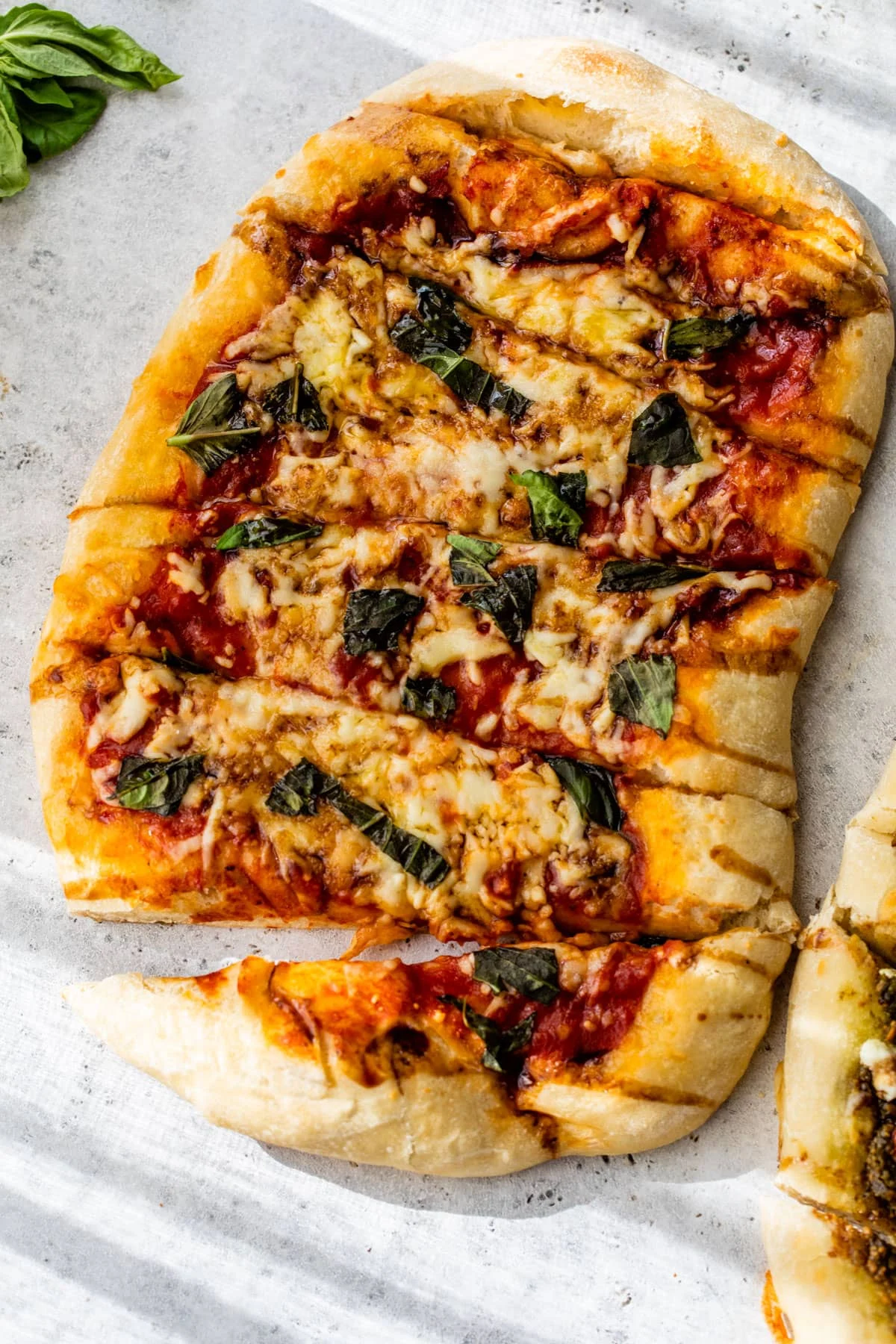
The shift also highlights an increased interest in flavor customization. Whether opting for a classic Margherita—characterized by its simplicity and reliance on high-quality tomato and basil—or a more experimental pesto base with sun-dried tomatoes, the flatbread format encourages creativity. This "topping-forward" approach allows home cooks to utilize leftovers, further reducing food waste in the household.
Sustainability and Health
From a public health perspective, the movement toward at-home flatbread preparation is a positive development. It encourages the consumption of fresh produce (tomatoes, basil, spinach, mushrooms) over highly refined, pre-prepared toppings. Furthermore, the ability to swap traditional wheat crusts for vegetable-based alternatives (such as the broccoli-crust models) represents a significant win for those managing blood glucose levels or gluten sensitivities.

Conclusion: A Staple for the Modern Kitchen
The flatbread pizza has transcended its origins as a trendy bistro item to become a foundational element of the modern, efficient, and health-conscious kitchen. Its success is rooted in its inherent adaptability—serving as a canvas for both traditionalists and culinary innovators alike.
By prioritizing quality ingredients, embracing the convenience of modern assembly techniques, and focusing on the nutritional benefits of homemade meals, the home cook can elevate a simple sheet-pan dinner into a culinary event. As we look toward the future of home cooking, it is clear that the humble flatbread pizza will remain a critical tool for those seeking to balance the demands of modern life with the desire for nourishing, flavorful, and accessible food. Whether one chooses the classic Margherita or a bold pesto creation, the path to a better dinner is, quite literally, as thin as a flatbread.