CHICAGO — As the mercury climbs and farmers’ market stalls overflow with vibrant summer produce, home cooks and culinary experts alike are finding new, inventive ways to celebrate the season’s fleeting bounty. While traditional tomato-based salsas have long reigned supreme at backyard barbecues and patio parties, a formidable new contender is stealing the spotlight: fresh peach salsa.
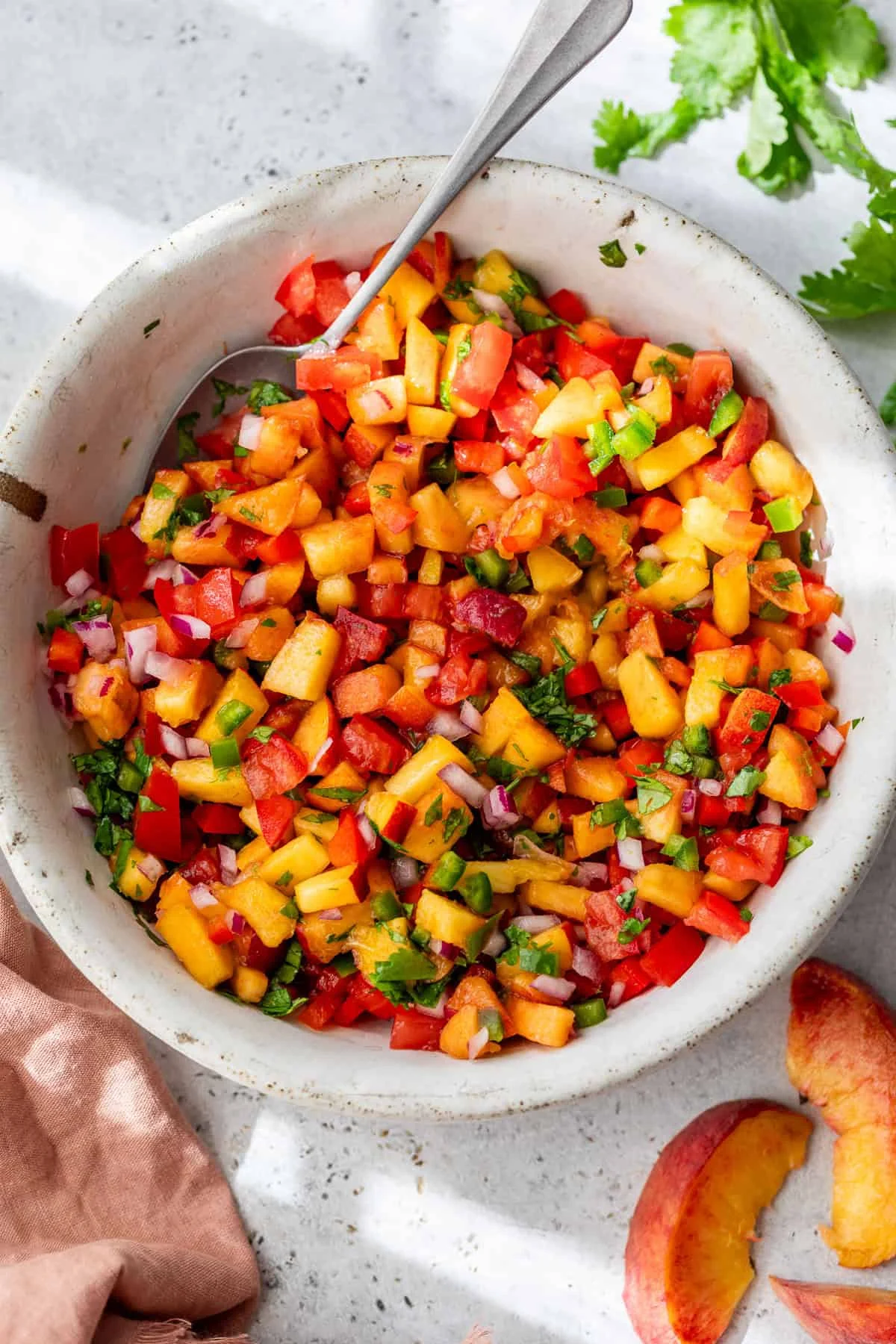
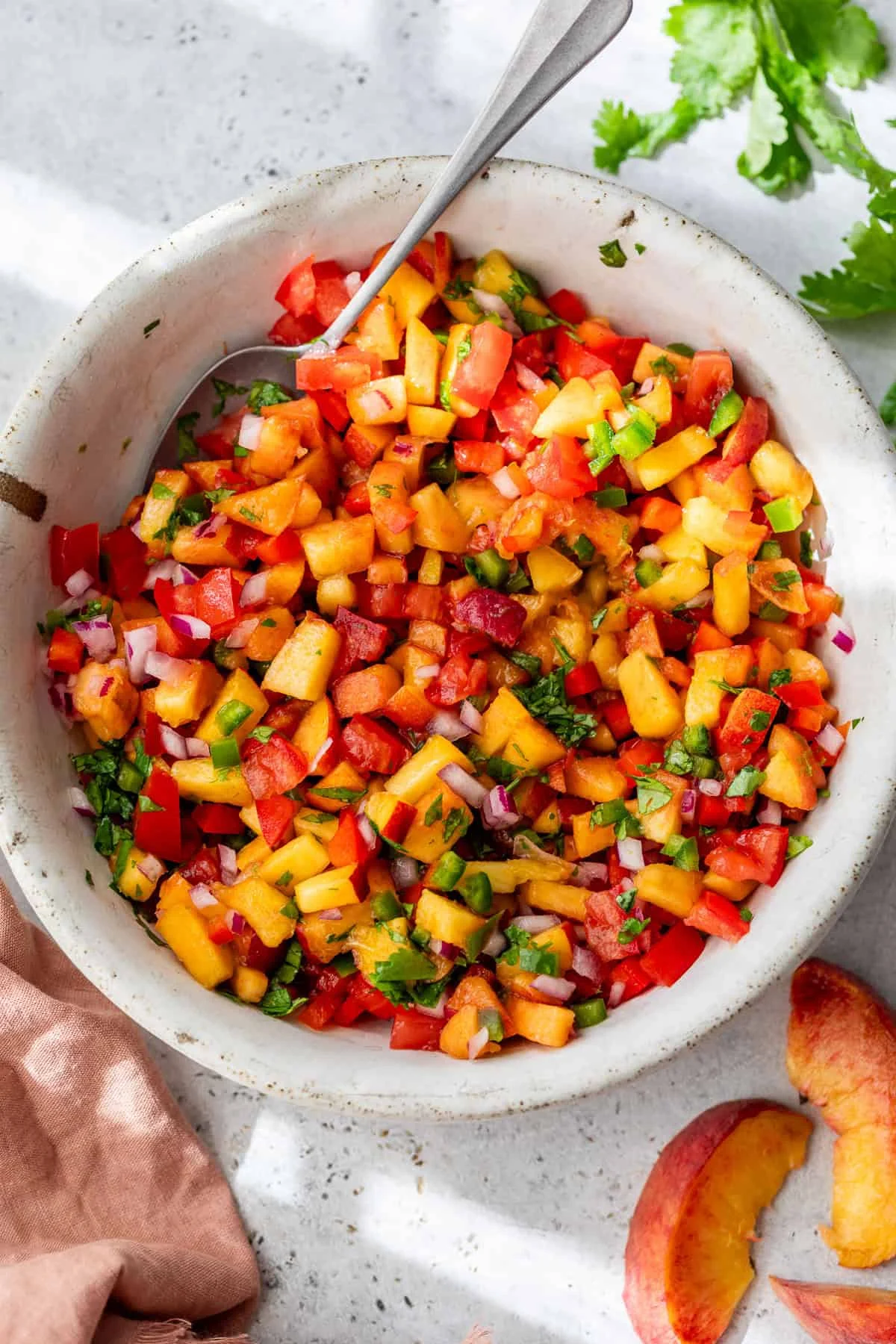
Spearheaded by cookbook author and culinary influencer Erin Clarke of Well Plated, the movement to swap out classic red tomatoes for ripe, juicy summer peaches is gaining momentum across kitchens nationwide. Combining the natural, candy-like sweetness of stone fruit with the crisp snap of bell peppers, the subtle heat of jalapeños, and a sharp, citrusy zip of fresh lime juice, this vibrant condiment represents a masterclass in flavor balancing.
For home cooks looking to break free from culinary predictability, this bright, versatile dish offers a refreshing departure from the ordinary, proving equally at home scooped up with salty tortilla chips or spooned generously over grilled chicken and fish tacos.
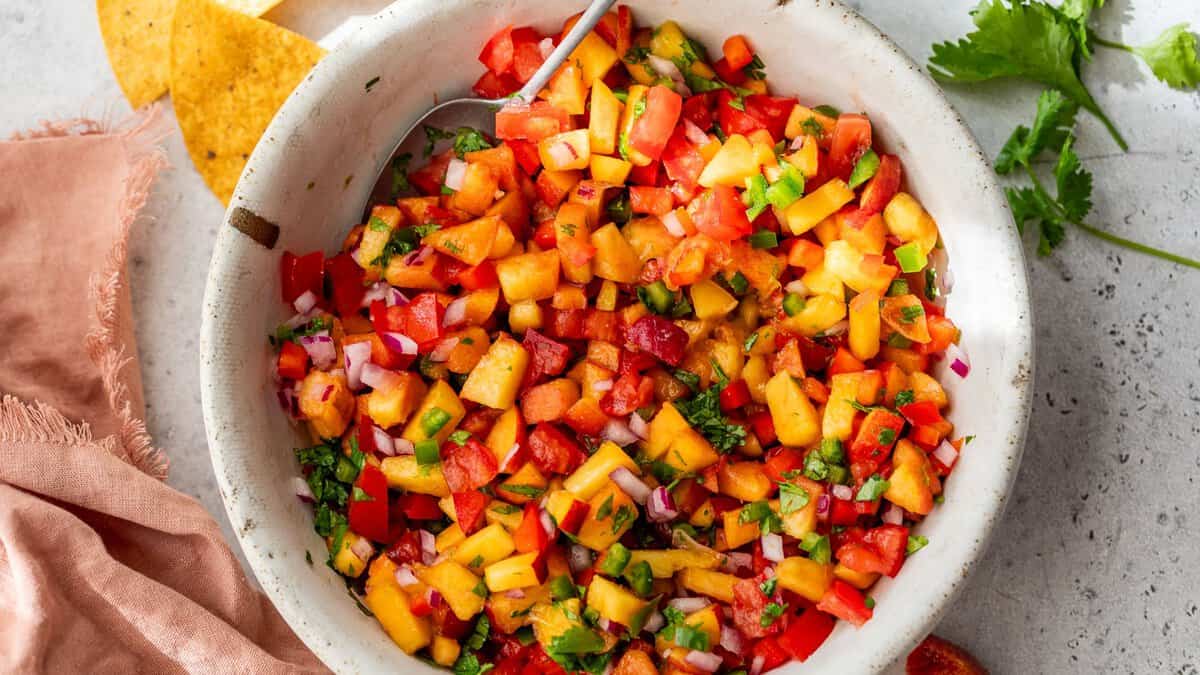
Main Facts: The Anatomy of the Ultimate Peach Salsa
The appeal of peach salsa lies in its sophisticated interplay of contrasting flavors and textures. According to Clarke, whose rigorous kitchen testing shaped the viral recipe, building a successful fruit-based salsa requires strict adherence to balance.
- The Flavor Profile: Sweet, juicy, tangy, and subtly spicy, the salsa avoids the cloying sweetness often found in mass-produced, jarred supermarket alternatives.
- The Ingredient Synergy:
- Peaches: Provide the luscious, sugary base that defines the dish.
- Tomatoes: Added optionally to introduce a subtle, balancing acidity, depending on seasonal ripeness.
- Bell Peppers: Contribute a clean, refreshing crunch.
- Jalapeños: Deliver a controlled kick of heat without overwhelming the palate.
- Limes and Cilantro: Tie the entire mixture together with a punch of bright, herbaceous acidity.
- Nutritional Profile: Clocking in at a mere 54 calories per serving, the dish is exceptionally light, boasting 2 grams of dietary fiber, 9 grams of natural sugars, and a healthy dose of Vitamins A and C, all while keeping fat content down to a negligible 0.4 grams.
Chronology: From Farm Stand to Bowl
The journey of creating the definitive peach salsa recipe was not born overnight. It was the result of deliberate culinary experimentation designed to solve a common kitchen dilemma: what to do with the overwhelming abundance of short-lived summer stone fruit.
Phase 1: The Seasonal Awakening
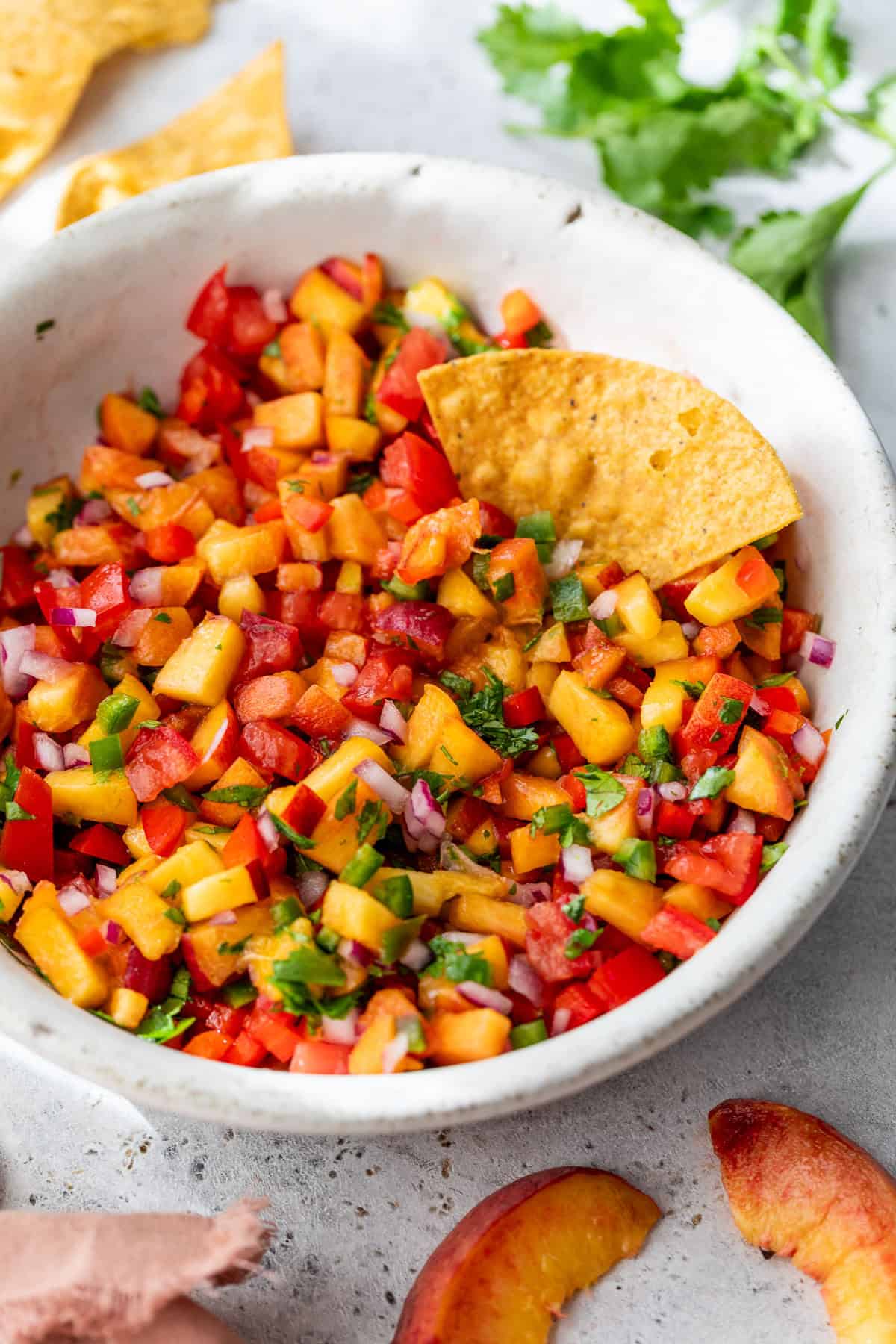
Peaches are famously celebrated for being "here for a good time, not a long time." Their brief peak season creates a frantic window during which home cooks scramble to utilize them. While traditional preparations like peach cobblers and baked peaches are beloved, culinary fatigue sets in quickly when dessert is the only option on the menu.
Phase 2: The Testing Phase
Recognizing the limitations of heavy desserts, Clarke embarked on multiple rounds of recipe testing. Early trials highlighted two major pitfalls of homemade fruit salsas:
- Commercial or poorly balanced recipes often leaned heavily into an artificial, overly sweet profile.
- Uncontrolled ratios led to either an overly sharp onion flavor or a watery, bland texture if the peaches were underripe.
Phase 3: Perfecting the Chop
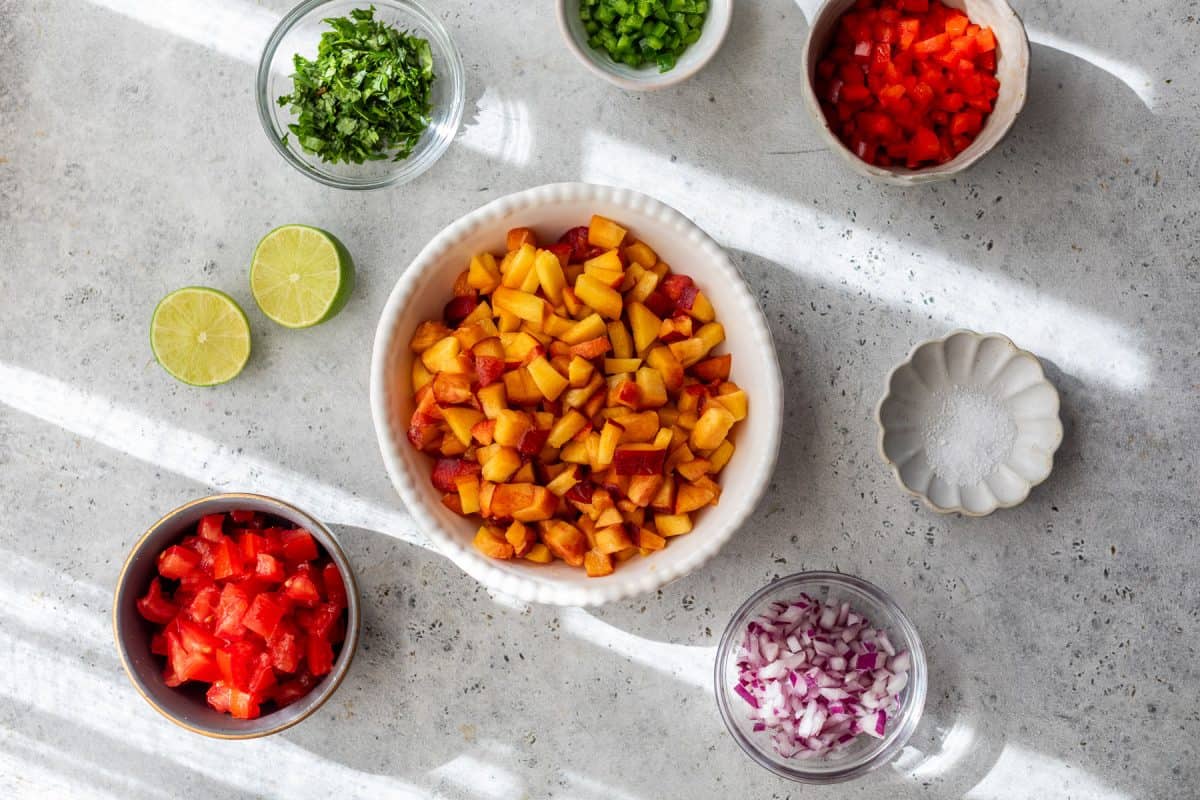
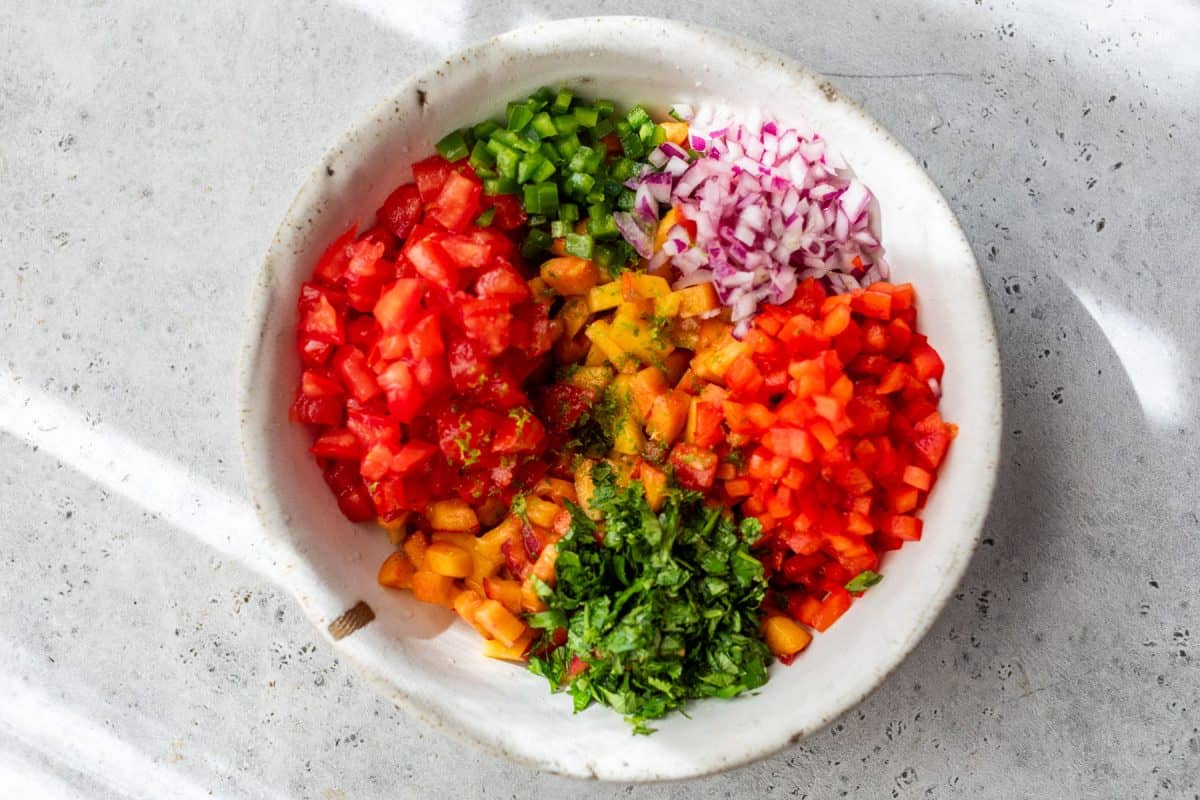
Through careful calibration, the final methodology was established. The preparation requires precise knife work: dicing the peaches, bell peppers, tomatoes, and red onions into uniform pieces to ensure that every single scoop delivers a balanced bite.
Phase 4: The Maceration Window
Once combined in a medium bowl and gently stirred to protect the delicate structure of the peaches, the salsa undergoes a mandatory 30-minute rest in the refrigerator. This brief chilling period allows the citrus juices to penetrate the produce, marrying the flavors before hitting the table.

Supporting Data: Nutritional and Culinary Metrics
To understand why this specific style of peach salsa resonates so strongly with modern consumers, it helps to examine the nutritional and practical data associated with the recipe.
| Metric | Measurement / Detail |
|---|---|
| Prep Time / Complexity | Low (Under 15 minutes of knife work) |
| Serving Size | 1/6th of total recipe batch |
| Caloric Density | 54 kcal per serving |
| Macronutrients | 13g Carbohydrates, 1g Protein, 0.4g Fat |
| Key Micronutrients | 27mg Vitamin C, 826 IU Vitamin A |
| Storage Limitations | Maximum of 2 days in an airtight refrigerated container |
The data emphasizes the dish’s dual nature: it acts as a vibrant, nutrient-dense component of a healthy summer diet while remaining structurally fragile. Because fresh peaches quickly release their natural juices, the salsa is best consumed within 48 hours of preparation, reinforcing its status as a hyper-seasonal, made-on-demand treat.
Official Responses and Culinary Philosophy
As the culinary world continues to embrace fresh, whole-food condiments, creators like Erin Clarke are redefining how home cooks approach weeknight meals. Having built an empire helping millions of people cook healthier meals that taste exceptional—amassing over 220,000 cookbook sales—Clarke’s philosophy centers on efficiency, bold flavors, and accessible gourmet cooking.
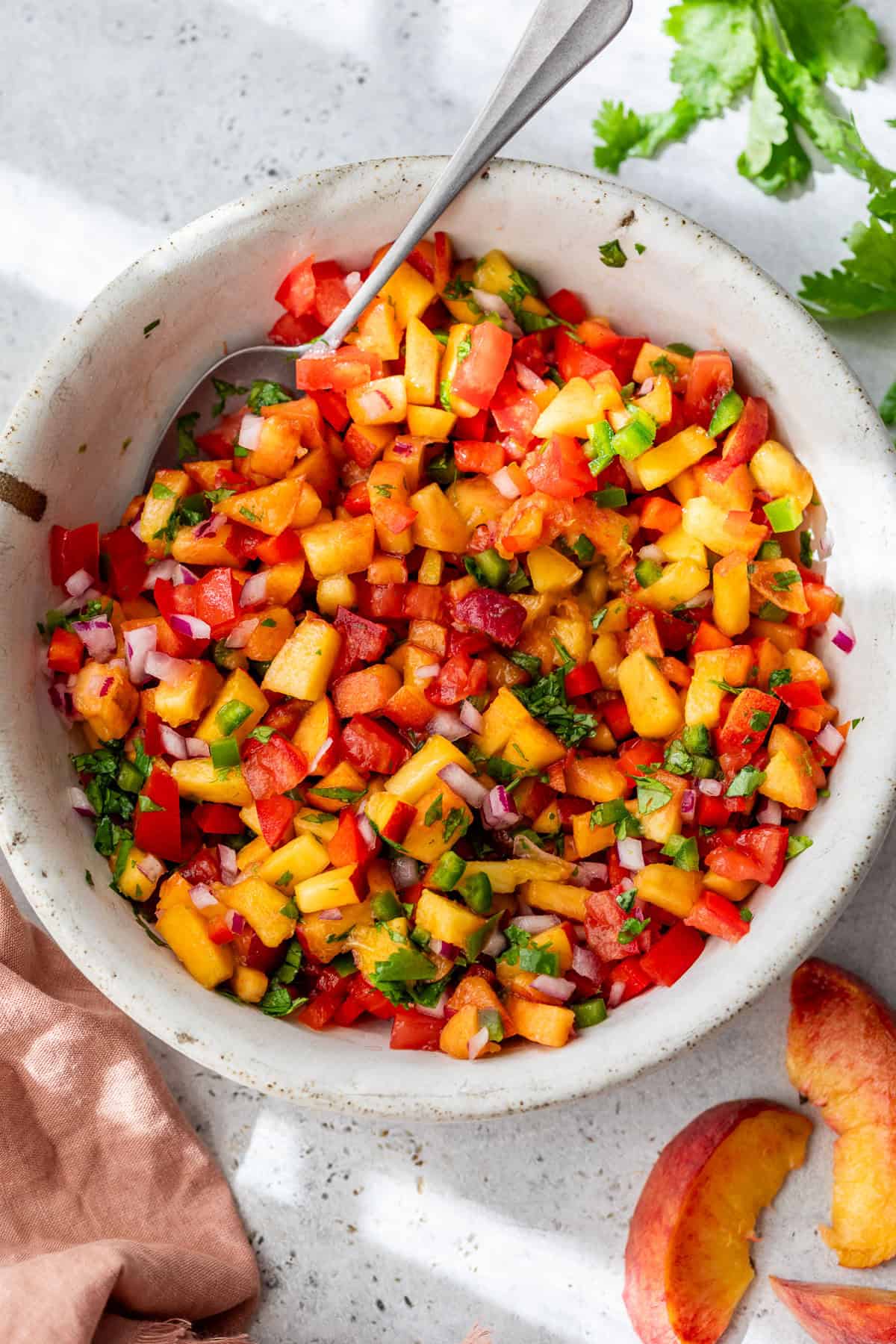
"While I get excited for tomatoes and other summer produce, it’s peaches that really make my heart skip a beat," Clarke notes in her kitchen journals. "In testing this recipe, my aim was balance. Some jarred peach salsas I’ve had were way too sweet. But homemade salsas can be sharp if they have too much onion, or bland if the peaches aren’t fully ripened."
Her institutional approach to home cooking encourages flexibility in the kitchen. For instance, her official testing notes reveal that the tomato component is entirely optional—recommending its inclusion only if the cook has access to a deeply flavorful, vine-ripened in-season specimen, and advising its omission otherwise. This practical flexibility empowers home cooks to adapt to what is fresh at their local markets rather than slavishly following rigid constraints.
Implications: The Shift Toward Fruit-Forward Savory Cooking
The mainstream popularity of peach salsa signals a broader cultural shift in American dining: the blurring lines between sweet and savory flavor profiles. For decades, fruit was largely relegated to breakfast tables, salads with heavy dressings, or the dessert menu. Today, consumers are increasingly demanding bold, complex flavor combinations that challenge traditional culinary boundaries.
1. Elevated Backyard Entertaining
As consumers lean into experiential home dining, dishes that offer high visual contrast—such as the bright orange hues of diced peaches offset by deep red onions and emerald cilantro—elevate casual gatherings. A simple bowl of peach salsa transforms a standard bag of tortilla chips into an artisanal appetizer.
2. Pairing Versatility
The implications for weeknight protein preparation are significant. Traditional heavy sauces and heavy marinades are being replaced by fresh, acid-forward toppings. Peach salsa acts as a natural complement to oily or rich proteins:
- Grilled Chicken: The sweetness cuts through the smoky char of open-flame cooking.
- Fish Tacos: The acidity and crunch provide an essential textural counterweight to flaky white fish or blackened shrimp.
- Pork Chops: Stone fruits have long paired historically with pork, making this salsa an effortless upgrade to standard weeknight chops.
3. Combatting Food Waste Through Creativity
By providing a savory outlet for hyper-perishable summer fruit, recipes like this encourage sustainable cooking habits. When home cooks have versatile alternatives to baking, they are less likely to let overripe market produce go to waste.
As summer progresses and the window for peak peach season begins to narrow, culinary enthusiasts and casual cooks alike are expected to continue embracing this sweet-and-spicy condiment. Whether served alongside a festive taco night or enjoyed quietly on a back porch at sunset, peach salsa stands as a delicious reminder of why seasonal eating remains one of the greatest pleasures of the culinary calendar.