
In the landscape of modern home cooking, few proteins carry the reputation of being "intimidating" quite like halibut. Known for its firm, meaty texture and delicate, mild flavor, this prized white fish is a staple of high-end seafood restaurants and special-occasion menus. Yet, there is a prevailing misconception that such a premium ingredient requires complex techniques or professional-grade equipment to prepare correctly.
As cookbook author and culinary expert Erin Clarke of Well Plated demonstrates, the reality is far more accessible. Baked halibut—when approached with the right temperature and a handful of aromatic pantry staples—can be transformed into a restaurant-quality meal in just 15 minutes. This article explores the mechanics of this rapid preparation, the nutritional profile of this lean protein, and why mastering this single technique can revolutionize your weeknight dinner rotation.

Main Facts: The Anatomy of a Perfect Roast
At its core, the appeal of baked halibut lies in its simplicity. Halibut is a lean, dense, and firm-fleshed fish, which makes it significantly more forgiving in the oven than more delicate varieties like sole or flounder. When baked at high heat, the moisture is locked in while the exterior develops a subtle, satisfying texture.
The 15-Minute Rule
The primary constraint of the recipe is time. Because halibut fillets are typically cut to a uniform thickness, they respond exceptionally well to high-temperature roasting. Preheating the oven to 450°F (232°C) is the critical first step. This intense heat creates a thermal environment that cooks the fish quickly enough to keep it tender, preventing the "dryness" that often plagues less experienced home cooks.

The Flavor Profile
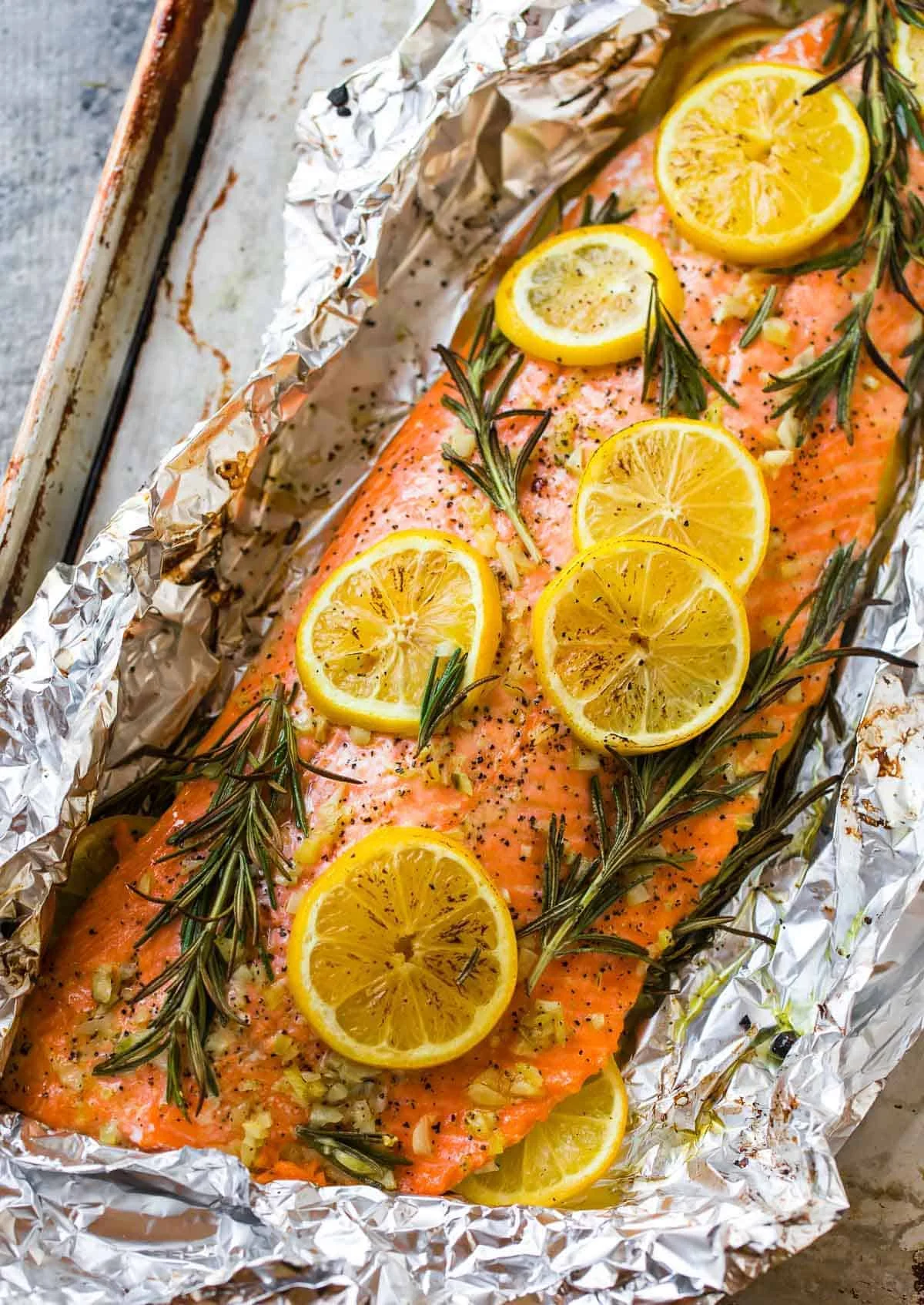
The brilliance of this preparation is the reliance on classic Mediterranean pairings. Fresh rosemary provides a woody, pine-like undertone that cuts through the mildness of the fish, while thin slices of lemon act as a natural seasoning, steaming slightly against the flesh to infuse it with bright, citrus oils. A touch of paprika and cayenne offers a subtle warmth that elevates the fish without overpowering its natural flavor.
Chronology: The Step-by-Step Execution
To achieve the professional results associated with this recipe, precision in the workflow is essential. Follow this chronological approach to ensure a seamless cooking experience.

Phase 1: Preparation (Minutes 0–5)
Before the heat touches the fish, the ingredient must be prepped. Begin by preheating your oven to 450°F. Position your oven rack in the upper third; this proximity to the heating element is vital for the searing effect of the roast. Crucially, take a moment to pat your halibut fillets dry with a clean paper towel. Removing surface moisture allows the oil and seasoning to adhere directly to the protein rather than steaming off.
Phase 2: Seasoning (Minutes 5–8)
In a small mixing bowl, whisk together one tablespoon of high-quality olive oil with 3/4 teaspoon of kosher salt, a pinch of paprika, and a hint of cayenne pepper. This creates a flavor "seal." Using a pastry brush or the back of a spoon, evenly coat the tops of the fillets. This barrier ensures the spices are evenly distributed and the fish remains moist during the high-heat blast.

Phase 3: The Aromatics (Minutes 8–10)
Place the seasoned fish into a lightly greased baking dish. Arrange fresh rosemary sprigs and thinly sliced lemon rounds directly on top of each fillet. The lemon slices serve a dual purpose: they act as a visual garnish and a flavor-infusing lid. A final drizzle of olive oil and a sprinkle of flaky sea salt complete the assembly.
Phase 4: The Roast (Minutes 10–15)
Slide the dish into the oven. While the total cook time is estimated at 15 minutes, the exact duration depends on the thickness of the fillets. It is recommended to check the fish at the 10-minute mark. You are looking for an internal temperature of 145°F, or until the fish flakes easily when prodded gently with a fork.

Supporting Data: Nutritional Efficiency
For those prioritizing health-conscious meals, halibut stands out as a nutritional powerhouse. According to the provided nutritional breakdown, a single serving of this dish contains approximately 264 calories, yet offers a staggering 43 grams of high-quality protein.
Macro-Nutrient Overview
- Protein Density: With 43 grams of protein per serving, this dish provides nearly the entire daily recommended intake for an average adult, supporting muscle maintenance and satiety.
- Lean Profile: With only 8 grams of total fat—only 1 gram of which is saturated—this meal is heart-healthy.
- Micronutrients: The recipe is rich in potassium (1,043 mg), a vital electrolyte that supports blood pressure regulation and muscle function, and provides a decent boost of Vitamin C from the fresh lemon garnish.
This combination of low carbohydrate content (3 grams) and high protein makes this recipe an ideal candidate for low-carb, Mediterranean, or pescatarian diet plans.

Official Perspective: The "Well Plated" Philosophy
Erin Clarke, the architect behind this recipe, emphasizes that the goal of modern cooking is to bridge the gap between "special occasion" and "Tuesday night." Her perspective is rooted in the idea that busy home cooks should not have to sacrifice quality for the sake of convenience.
"Halibut is one of those proteins that feels a little fancy," Clarke notes. By stripping away unnecessary steps and complex sauces, she has demonstrated that the quality of the raw ingredient—the fresh, flaky white fish—is allowed to take center stage. Her recommendation to pair this dish with simple, fresh sides like air-fried green beans or a crisp Mediterranean salad underscores the philosophy that healthy eating should be simple, clean, and achievable.

Implications: The Future of Weeknight Dining
The success of this 15-minute baked halibut recipe has broader implications for how we view the "modern kitchen."
Reducing Culinary Anxiety
The biggest barrier to cooking fish at home is the fear of ruining a relatively expensive ingredient. By providing a clear, high-heat method that guarantees a consistent result, this recipe reduces culinary anxiety. When a home cook learns that they can reliably produce a perfectly cooked piece of fish, they are significantly more likely to incorporate seafood into their weekly diet.

Sustainability and Simplicity
The trend toward "simple luxury"—where high-quality ingredients are treated with minimal, effective techniques—is shifting the culinary landscape. Instead of relying on heavy cream sauces or elaborate breading, the focus is shifting back to the integrity of the protein. This approach not only saves time and reduces the number of dirty dishes but also encourages a more conscious connection to the food being consumed.
Final Thoughts
Whether you are a seasoned home cook looking to optimize your weeknight efficiency or a novice hoping to build confidence in the kitchen, this baked halibut recipe serves as a foundational skill. It proves that the distance between a "fancy" restaurant meal and a home-cooked dinner is often just fifteen minutes and a little bit of lemon and rosemary. As we continue to navigate the demands of busy lives, techniques that offer maximum flavor with minimal output will remain the gold standard of the modern home.

By keeping your pantry stocked with these simple aromatics and your schedule flexible enough to allow for a quick roast, you ensure that even the busiest of nights can end with a dinner that feels, and tastes, truly exceptional.