
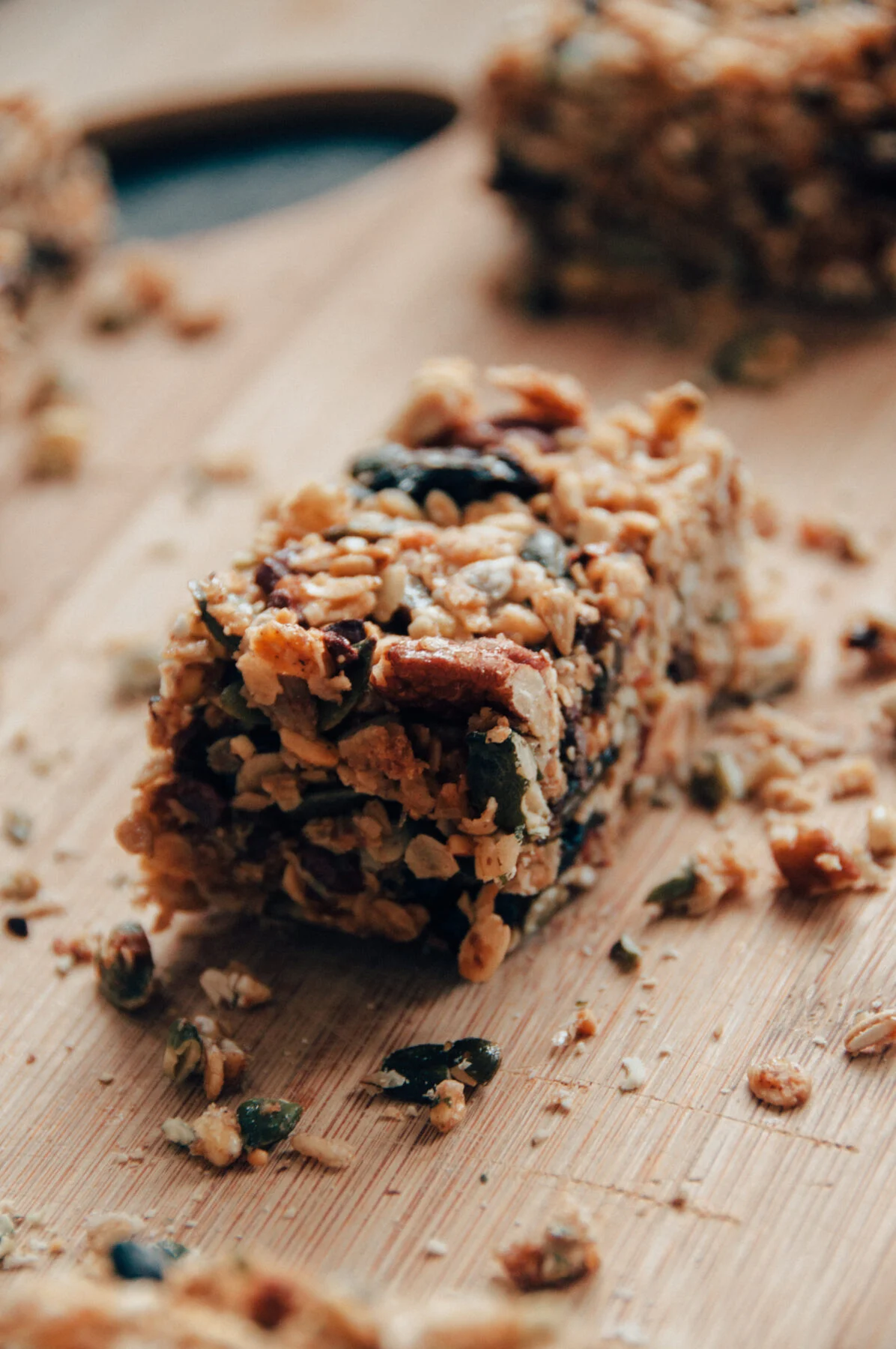
In the modern culinary landscape, the search for a snack that balances nutritional density with convenience often leads consumers down a disappointing path. Store-bought granola and energy bars, while marketed as health-conscious, frequently hide behind lengthy ingredient lists filled with refined sugars, preservatives, and unrecognizable stabilizers. However, a movement toward "kitchen-crafted" nutrition is gaining momentum, and at the forefront of this shift are Trail Mix Energy Bars—a no-bake, customizable, and wholesome solution for busy households.
These bars are not merely a culinary trend; they represent a fundamental change in how we approach meal prep and daily sustenance. By leveraging basic pantry staples—oats, nuts, seeds, and natural binders—home cooks can create a superior snack that caters to specific dietary needs while remaining budget-friendly.
The Anatomy of the Perfect Energy Bar
At their core, these trail mix energy bars are a masterpiece of functional food science. Unlike mass-produced snacks, the homemade variant relies on the structural integrity of healthy fats and complex carbohydrates.
Core Components
- The Foundation: Rolled oats provide the bulk of the fiber, offering sustained energy release rather than the rapid blood sugar spikes associated with processed grains.
- The Binding Agent: A blend of creamy nut butter (such as almond or peanut) and a natural sweetener like honey or maple syrup acts as the "glue." This combination is essential for creating the chewy, satisfying texture that defines a high-quality energy bar.
- The Nutrient Density: Seeds (chia, flax, or sunflower) and nuts provide essential fatty acids, protein, and micro-nutrients, making the bar a complete snack rather than an empty-calorie indulgence.
Chronology: From Concept to Kitchen Success
To master the art of the no-bake bar, one must understand the logical sequence of preparation. Success in the kitchen is often dictated by technique as much as the quality of ingredients.
Phase 1: Preparation and Mise en Place
The process begins with preparation. Because the recipe does not involve baking, the texture depends entirely on the initial mixing phase. All ingredients—including dried fruits and nuts—should be chopped into small, uniform pieces. This ensures that when the final product is sliced, the bars maintain their structural integrity without crumbling.
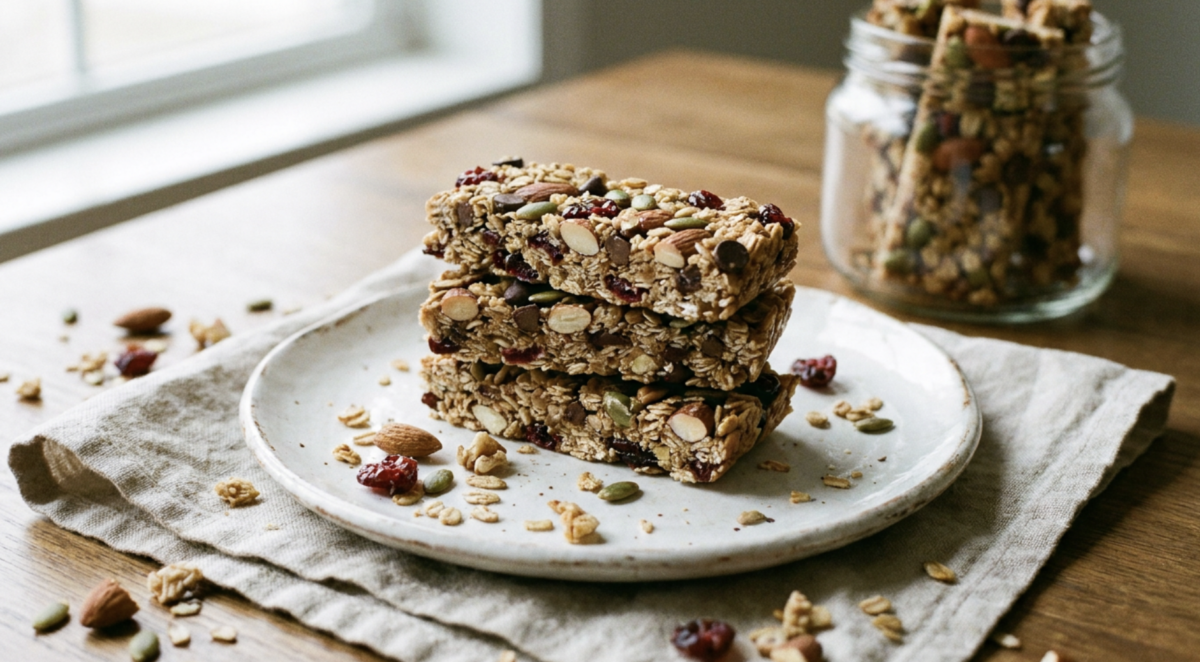
Phase 2: The Binding Process
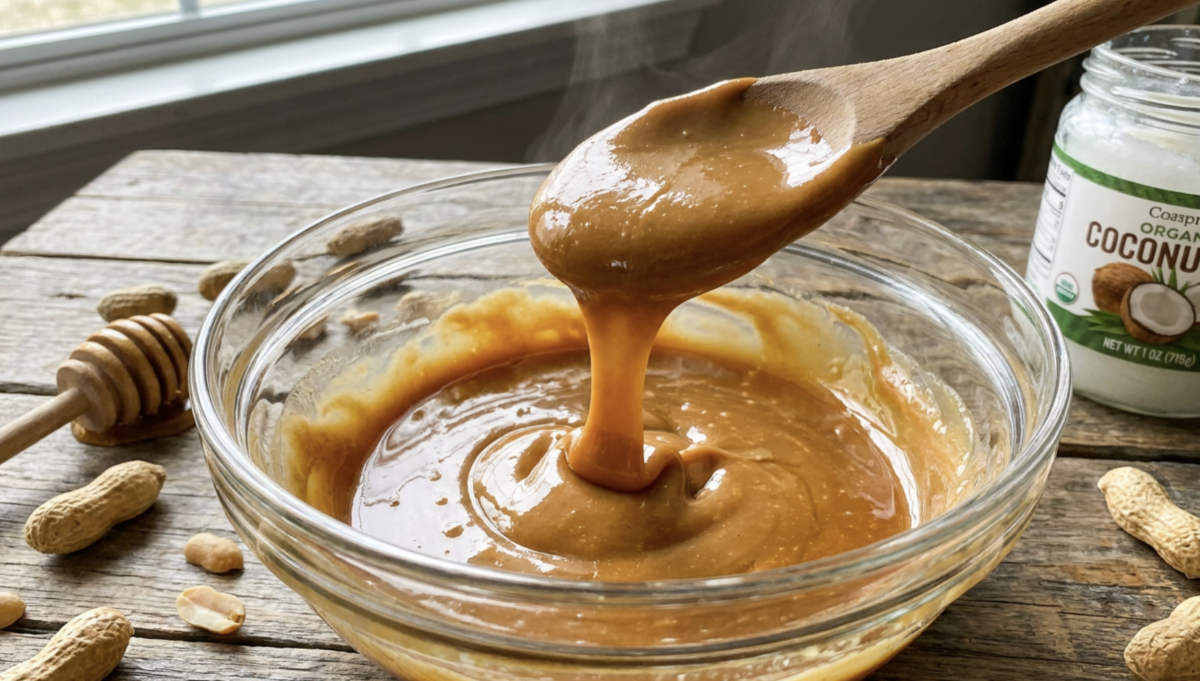
The "wet" ingredients (nut butter, coconut oil, and sweetener) should be gently warmed. This step is critical; warming the mixture reduces the viscosity of the nut butter, allowing it to coat the dry ingredients evenly. If the nut butter is too cold or thick, the bars will lack the necessary cohesion, leading to a dry and crumbly result.
Phase 3: The Compression Stage
Once the mixture is combined, it must be pressed into a prepared pan. This is the most crucial step in the process. Using the back of a measuring cup or a flat spatula, the mixture must be packed down with significant pressure. This compaction is what allows the bars to hold their shape once chilled.
Phase 4: The Cooling Interval
Patience is a required ingredient here. The bars require a minimum of two hours in the refrigerator. During this time, the coconut oil solidifies, effectively "locking" the ingredients into place. Attempting to slice the bars before they have fully set is a common error that leads to messy, broken pieces.
Supporting Data: Why Homemade Outperforms Processed
The shift toward homemade snacks is supported by growing concerns regarding the nutritional profile of commercial bars. Data consistently shows that many "healthy" snack bars contain high concentrations of glucose syrup, high-fructose corn syrup, and palm oil.
- Customization: By making these bars at home, the sugar content can be moderated according to individual preference, something impossible with pre-packaged items.
- Cost-Efficiency: While organic, store-bought energy bars can cost upwards of $2.00 to $3.00 per unit, the cost per bar for a homemade version, when bought in bulk, is significantly lower.
- Reduced Packaging: Embracing the "meal prep" lifestyle significantly reduces the environmental impact associated with individual plastic wrappers, contributing to a more sustainable household model.
Professional Insights and Expert Tips
Culinary professionals emphasize that the secret to the perfect trail mix bar lies in the details. Following these expert recommendations will elevate your results from "adequate" to "bakery-quality."
The Importance of the Serrated Blade
When it comes time to portion the bars, standard chef knives can cause the bar to compress or splinter. A sharp serrated knife is the preferred tool, as it "saws" through the nuts and dried fruit without requiring excessive downward force, ensuring clean edges and uniform slices.
Managing Moisture and Texture
If you choose to incorporate fresh elements, such as mashed banana, you must acknowledge the change in the bar’s shelf life. While these additions increase flavor and nutrient profiles, they also introduce moisture, necessitating storage in the refrigerator to prevent spoilage.
The "Nut-Free" Frontier
For schools and offices with strict nut-free policies, the recipe remains highly adaptable. Sunflower seed butter provides a remarkably similar flavor profile and fat content to peanut butter, ensuring that children and adults alike do not feel they are sacrificing taste for safety.
Variations: A Flexible Culinary Framework
The beauty of the trail mix energy bar is its capacity for evolution. By altering the "mix-ins," you can shift the flavor profile to suit any season or craving.
- The Tropical Profile: Utilize dried pineapple, coconut flakes, and macadamia nuts for a light, summery snack.
- The Decadent Route: Incorporating dark chocolate chips or raw cacao nibs transforms the bar into a post-workout treat that satisfies sweet cravings while still providing essential macronutrients.
- The Cranberry-Almond Classic: This pairing offers a sophisticated balance of tart and nutty, ideal for those who prefer a less-sweet snack profile.
Implications for Modern Meal Prep
As our lives become increasingly fast-paced, the reliance on pre-packaged "convenience" food has become a health crisis. The adoption of these energy bars into a weekly meal-prep routine has profound implications for long-term health.
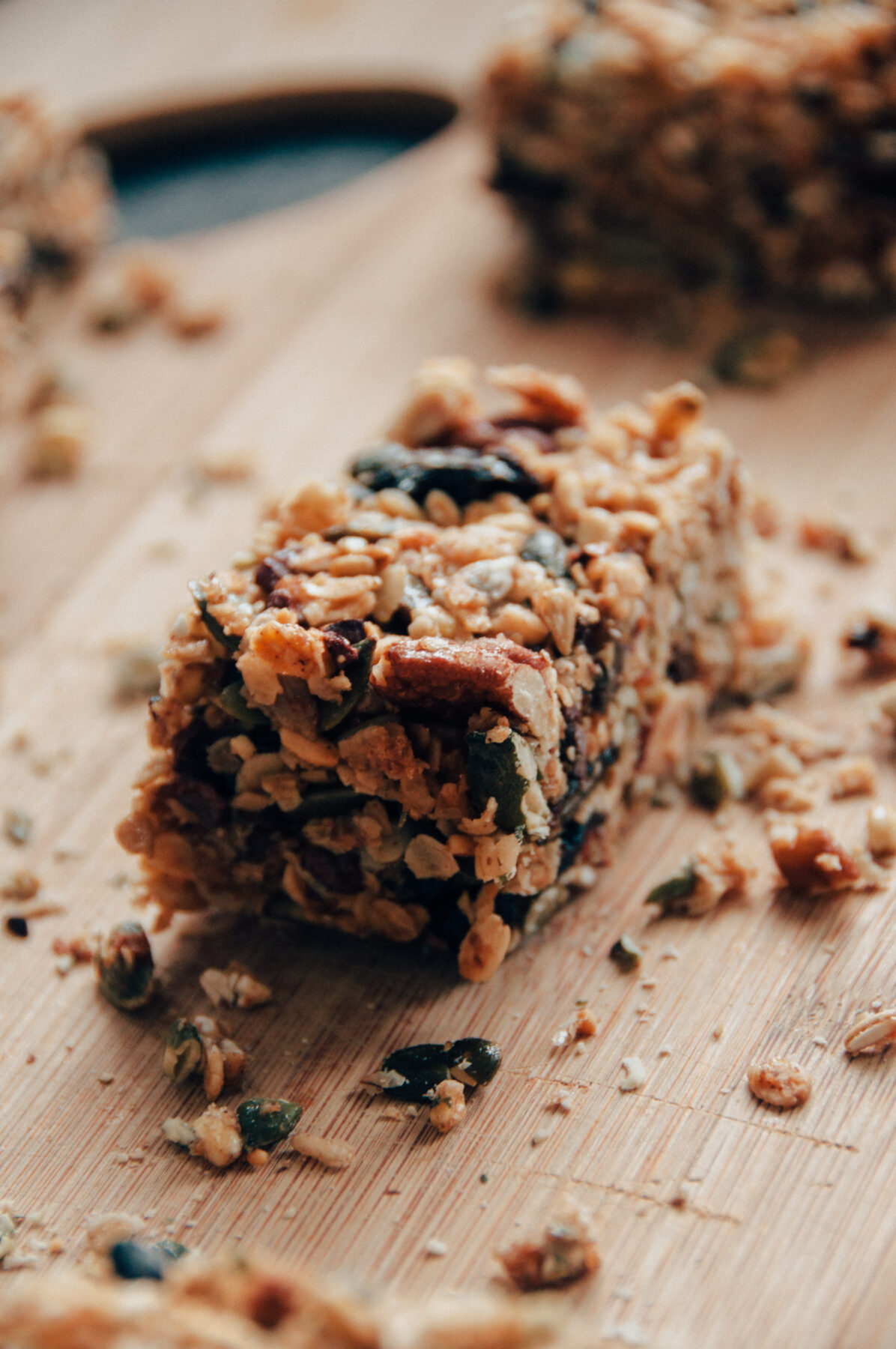
By dedicating fifteen minutes on a Sunday evening, a parent can ensure that their child’s lunchbox contains a wholesome, fiber-rich snack that provides steady energy throughout the school day. Similarly, for the busy professional, having a supply of these bars ready in the refrigerator eliminates the temptation to reach for processed snacks during mid-afternoon energy slumps.
A Sustainable Lifestyle Choice
Furthermore, the ability to buy oats, nuts, and seeds in bulk reduces the carbon footprint associated with manufacturing and transporting individual snack bars. This is a small but meaningful step toward a more sustainable lifestyle. It encourages a return to the kitchen—not as a chore, but as a deliberate act of care for one’s own health and the health of the family.
Conclusion
The Trail Mix Energy Bar is more than just a recipe; it is a manifestation of the "back to basics" food movement. By stripping away the additives and focusing on high-quality, recognizable ingredients, we reclaim control over our nutrition. Whether you are prepping for a weekend hiking trip, packing a school lunch, or simply looking for a reliable, healthy pick-me-up, these bars offer a versatile and delicious solution.
The next time you find yourself browsing the snack aisle, consider the alternative. With a simple bowl, a few pantry staples, and a bit of patience, you can create a superior snack that fuels your body and satisfies your palate, proving that the most effective path to wellness often begins in your own kitchen.