In the landscape of modern home cooking, the humble meatball has long been a staple of the repertoire. For decades, the ground beef meatball reigned supreme as the gold standard of comfort food, a familiar companion to marinara-drenched spaghetti and Sunday family dinners. However, as culinary preferences shift toward leaner proteins and more diverse flavor profiles, a new contender has emerged to challenge the status quo: the pork meatball.
Expert home cook and cookbook author Erin Clarke, the visionary behind Well Plated, argues that we have been underselling the versatility of ground pork. By moving beyond the conventional, home cooks are discovering that pork provides a uniquely succulent texture and a clean, savory canvas that absorbs spices and aromatics with superior efficiency. This article explores the rise of the pork meatball, the science behind its success, and why it is rapidly becoming the go-to solution for busy weeknights.

The Main Facts: Defining the Modern Pork Meatball
At its core, a high-quality pork meatball is defined by its moisture content and ease of preparation. Unlike beef, which can become tough if overworked, or poultry, which often requires added fat to maintain tenderness, ground pork strikes a perfect, natural balance.
The appeal of this dish lies in its accessibility. Utilizing common pantry staples—breadcrumbs, eggs, and a curated blend of dried or fresh herbs—the pork meatball is an exercise in efficiency. By shifting the cooking process from the stovetop to the oven, the risk of uneven browning or breaking is eliminated. The result is a consistent, juicy, and tender product that can be prepared in under 30 minutes, making it an ideal candidate for the modern, time-pressed household.

A Chronological Guide to the Perfect Bake
The transition from raw ingredients to a golden, finished dish follows a precise, streamlined chronology that emphasizes ease of cleanup and structural integrity.
Phase 1: The Mise en Place (Preparation)
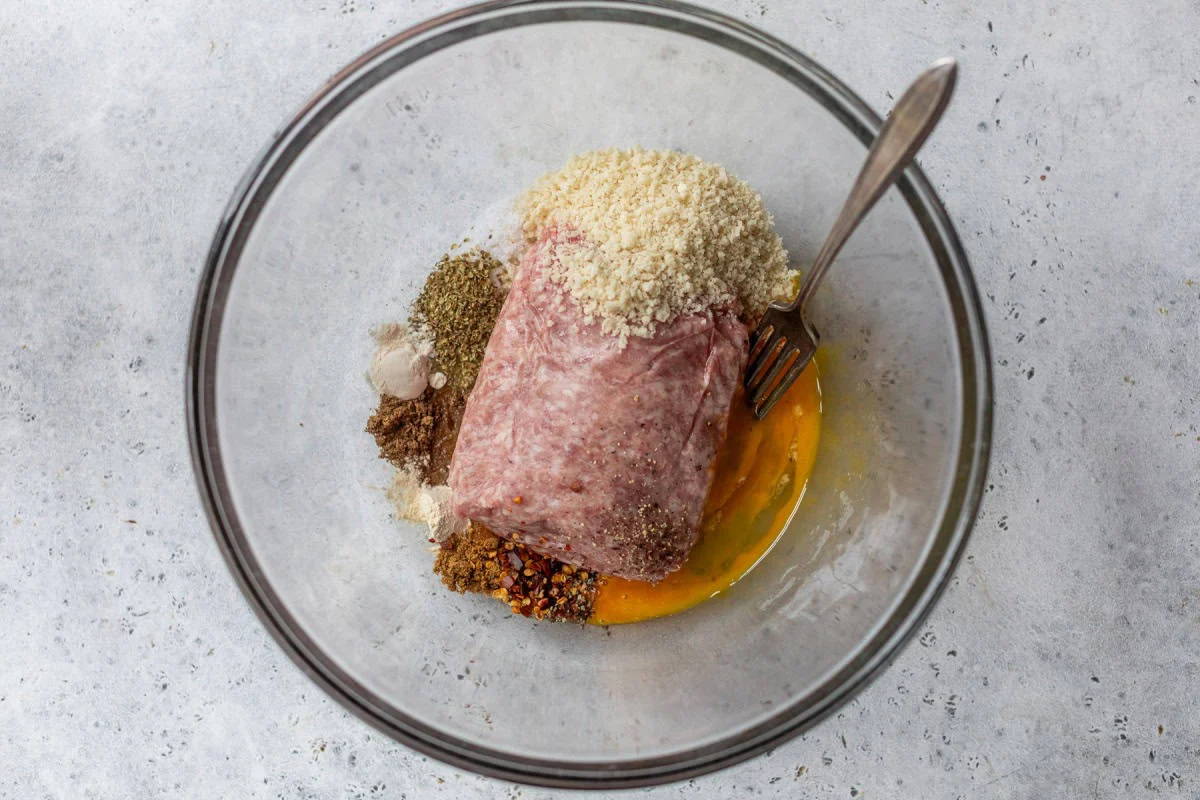
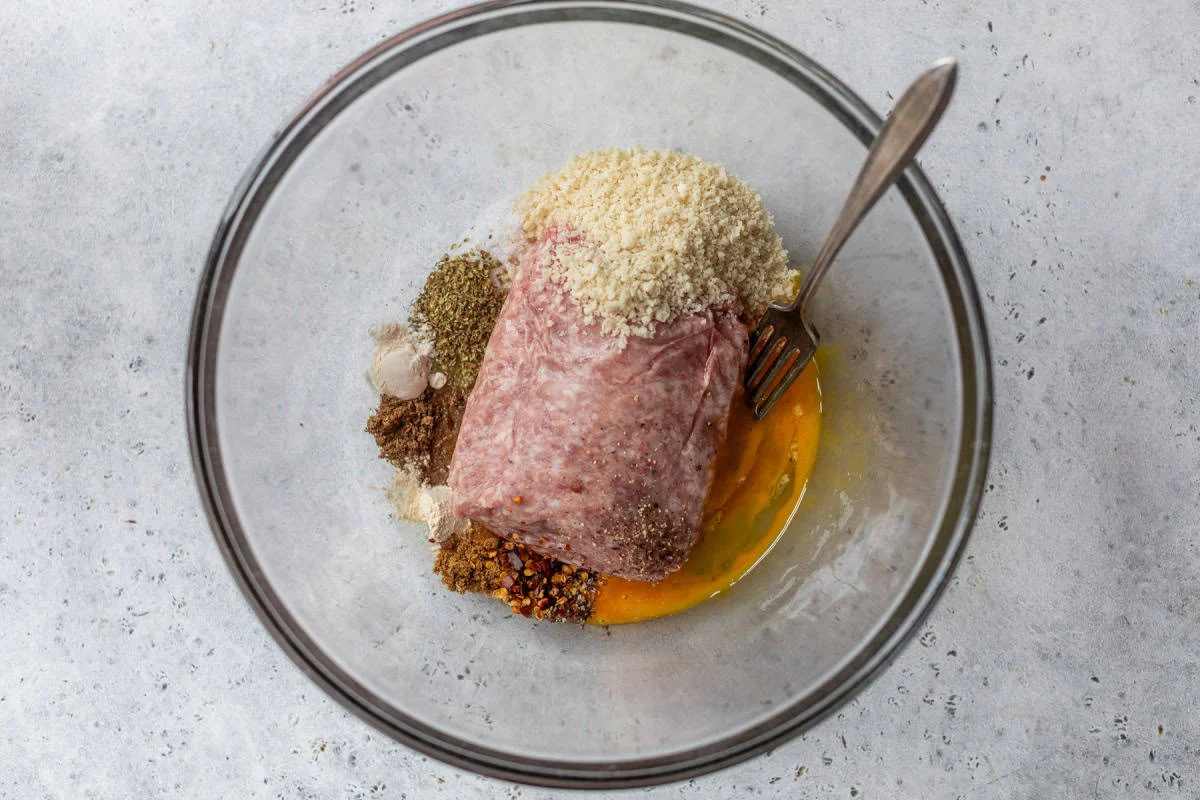
Success begins with the careful assembly of ingredients. The foundational mixture includes ground pork, a binding agent (breadcrumbs), a structural component (beaten egg), and aromatics. Professional chefs often recommend lightly beating the egg before incorporation; this ensures that the protein binds the meat and crumbs together uniformly, preventing the meatballs from crumbling during the cooking process.

Phase 2: The Manual Emulsion
While kitchen gadgets are abundant, the most effective tool for mixing meatballs is the human hand. Gently folding the mixture ensures that the fat in the pork remains cold, which is vital for maintaining a tender texture. Over-mixing can result in a dense, rubbery meatball, so a light touch is essential.
Phase 3: Structuring the Spheres
Consistency in size is not merely for aesthetic appeal; it is a matter of food safety and culinary physics. Rolling the mixture into uniform balls—typically yielding a dozen from a standard recipe—ensures that every piece reaches an internal temperature of 160°F simultaneously. Placing them on a parchment-lined sheet pan is the final step in minimizing cleanup, allowing for a thorough, even heat distribution from the oven.

Phase 4: The Thermal Transformation
Baking at 400°F is the "sweet spot" for pork. This temperature is high enough to render the fat and create a slight, savory crust on the exterior while keeping the center succulent. An instant-read thermometer is the home cook’s most reliable ally here; by pulling the meatballs at the 160°F threshold, you ensure food safety without sacrificing the delicate texture of the meat.
Supporting Data: Nutrition and Dietary Versatility
For those tracking macros, the pork meatball offers a compelling profile. A standard serving of three meatballs provides approximately 22 grams of protein, making it an excellent source of muscle-building nutrition. With 341 kcal and a manageable carbohydrate count of 5 grams, these meatballs integrate seamlessly into low-carb or Mediterranean-style diets.

The fat content, while notable at 26 grams, is balanced by the monounsaturated fats present in high-quality pork. Furthermore, the inclusion of iron (2mg) and potassium (375mg) underscores that this comfort food can be part of a balanced diet. The flexibility of the protein means that those seeking to lower the caloric density can easily swap in leaner cuts of ground pork or integrate finely minced vegetables—such as spinach or zucchini—directly into the mix to increase fiber content without altering the flavor profile.
Expert Perspective: The Well Plated Philosophy
Erin Clarke, whose career has been dedicated to demystifying the kitchen for millions of home cooks, notes that the shift toward pork represents a broader trend in home cooking. "I grew up on the classic beef meatball, but as I started experimenting with poultry, lamb, and eventually pork, I realized that we were missing out on incredible flavor profiles," Clarke explains.

Her philosophy is rooted in the idea of "saving time without sacrificing quality." By focusing on sheet-pan techniques, she empowers readers to reclaim their weeknights. The "well-plated" approach isn’t just about the final photograph; it’s about the methodology of sustainable cooking—creating meals that require fewer dishes, fewer steps, and fewer trips to the grocery store.
Implications for the Modern Kitchen
The rise of the pork meatball is emblematic of a larger shift in consumer habits. As households look for ways to streamline their meal prep, recipes that offer "multi-purpose" proteins are gaining traction.

Versatility in Application
The beauty of a neutral, savory pork meatball is its chameleon-like ability to adapt to different cuisines:
- The Italian Classic: Served over a bed of al dente spaghetti with a rich marinara.
- The Comfort Bowl: Paired with creamy mashed potatoes and roasted broccoli for a balanced, hearty dinner.
- The Global Twist: Tucked into a crusty baguette with pickled vegetables for a pork-based take on a Banh Mi, or served alongside jasmine rice with a soy-ginger glaze.
Economic and Logistical Benefits
Ground pork is frequently one of the most budget-friendly proteins available at the butcher counter. By leveraging this affordability, home cooks can produce high-end, restaurant-quality meals for a fraction of the cost of dining out. Furthermore, because these meatballs freeze exceptionally well after baking, they represent an investment in future convenience. A single, one-hour prep session on a Sunday can provide the foundation for three or four separate meals throughout the week, significantly reducing the "what’s for dinner?" stress that plagues many families.

Conclusion: Elevating the Weeknight Standard
The pork meatball is more than just a recipe; it is a strategic tool for the modern home chef. By combining the rich, savory profile of pork with a streamlined, oven-based preparation method, this dish bridges the gap between traditional comfort food and the demands of a modern, fast-paced lifestyle.
Whether you are a seasoned cook looking to diversify your repertoire or a beginner seeking a reliable, foolproof meal, the pork meatball offers a perfect entry point. With its ease of preparation, high protein content, and near-infinite potential for customization, it is clear that the pork meatball is here to stay—solidifying its place as a permanent fixture in the rotation of the 21st-century kitchen. As we continue to seek balance in our lives, perhaps the answer isn’t in more complex techniques, but in the perfection of the basics, served, quite literally, on a plate.