In the world of culinary manufacturing, few challenges are as persistent or as critical as the battle against separation. Whether it is a premium balsamic vinaigrette, a decadent vegan ganache, or a stable mayonnaise, the fundamental incompatibility of oil and water remains a constant hurdle. When these two liquids refuse to coexist, products split, textures degrade, and consumer appeal vanishes. The solution lies in the sophisticated application of emulsifiers—the "invisible bridges" that hold our modern food supply together.
The Core Science: Why Oil and Water Resist Union
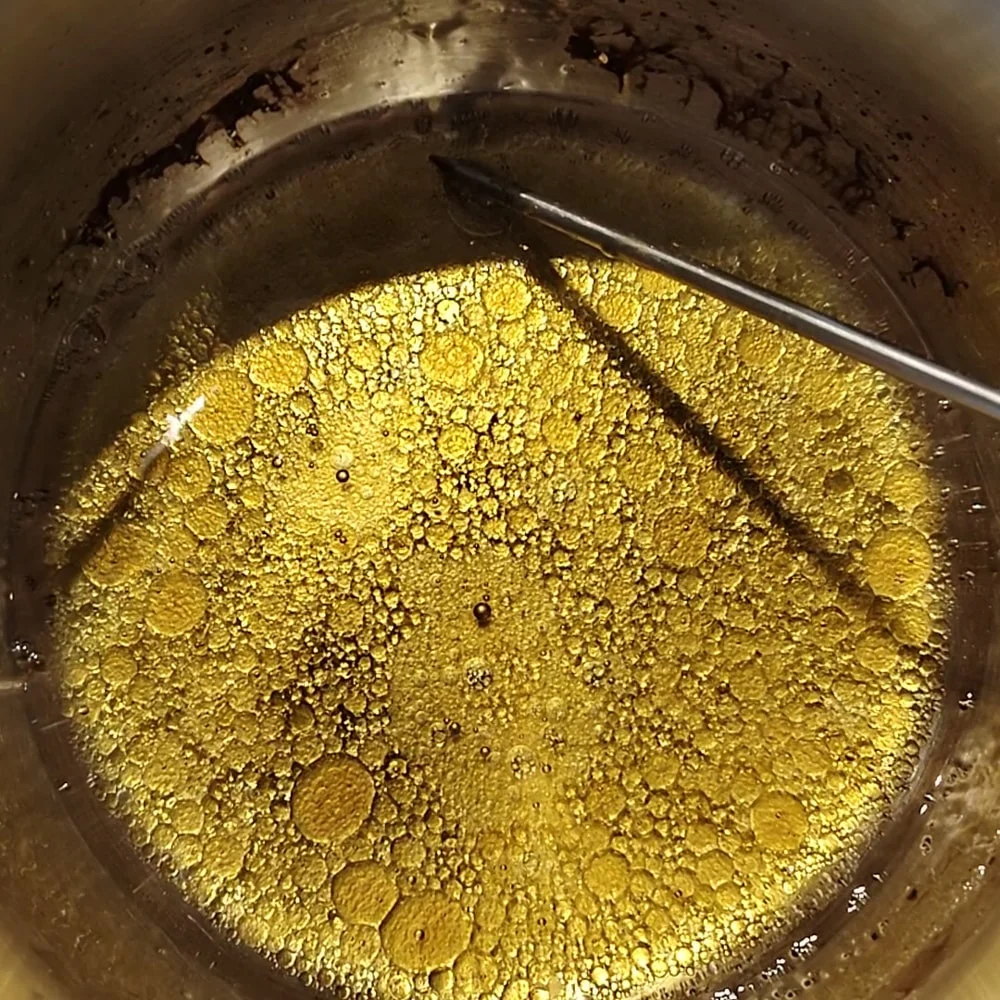
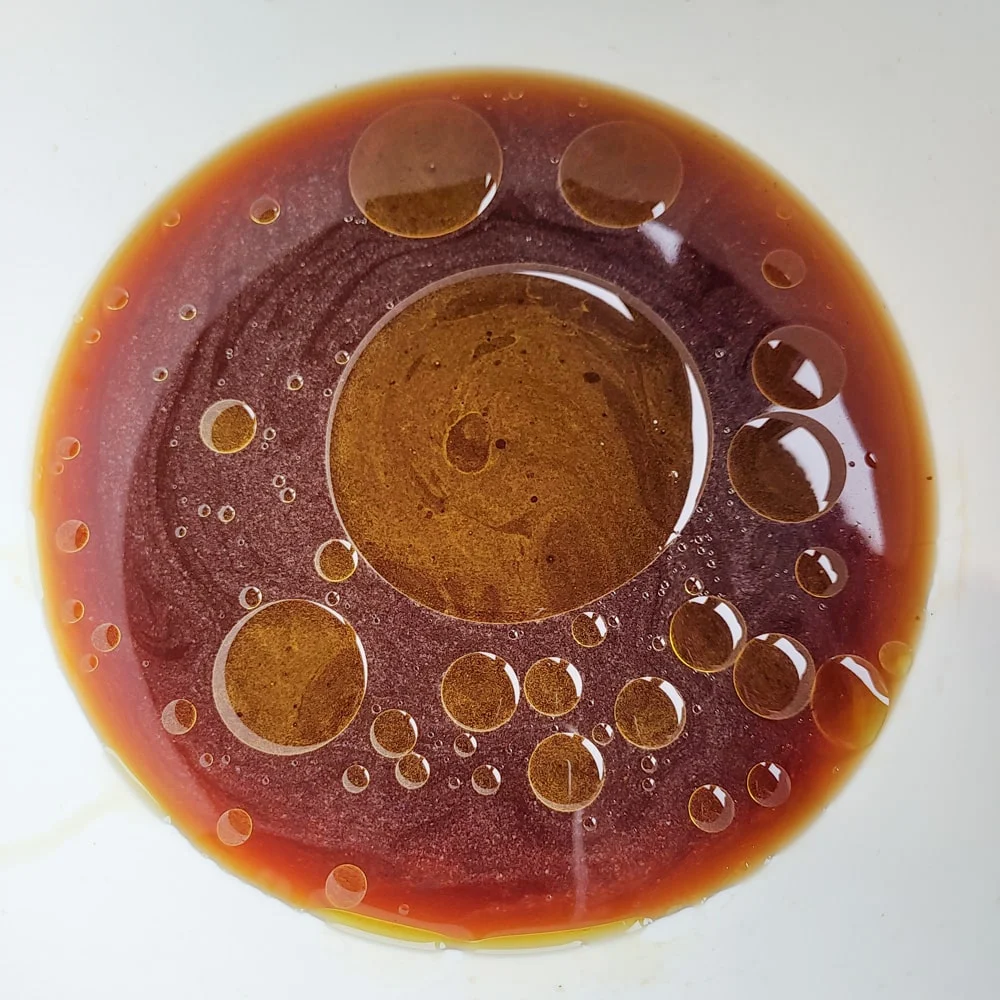
At the heart of the issue is thermodynamic instability. Oil and water are chemically distinct; water is polar, while oil is non-polar. When mixed, they seek to minimize their contact area, causing droplets of one to coalesce and separate from the other. This phenomenon is what food scientists call an "unstable emulsion."
Without an intervention, the surface tension between these two phases is simply too high. To overcome this, product developers utilize emulsifiers—molecules that possess a unique, amphiphilic architecture. These molecules are effectively Janus-faced: one end is hydrophilic (water-loving), while the other is hydrophobic (oil-loving).
When introduced to a mixture, the emulsifier aligns itself at the interface of the oil and water droplets. By coating the droplets, the emulsifier lowers the surface tension and creates a physical barrier that prevents individual droplets from colliding and merging. This stabilizes the emulsion, allowing for the creation of smooth, homogenous, and long-lasting products that can withstand the rigors of shelf life and transport.

A Chronological Perspective on Emulsification
The history of emulsification is a journey from accidental kitchen discovery to precision molecular engineering.
- Ancient Origins: Early human civilizations practiced rudimentary emulsification without understanding the science. The use of egg yolks in sauces like aioli dates back centuries, providing a natural source of lecithin that allowed for the stabilization of oil-in-water emulsions.
- The Industrial Revolution: As food production moved from the hearth to the factory, the need for consistent, shelf-stable products became paramount. The 19th and early 20th centuries saw the birth of margarine and processed spreads, necessitating the search for more reliable stabilizers than simple egg yolks.
- The Rise of Synthetic Emulsifiers: Mid-20th-century food science saw the development of mono- and diglycerides. These allowed manufacturers to fine-tune the texture and stability of mass-market goods, from baked goods to ice cream.
- The Clean Label Era: In the last two decades, the industry has shifted toward "clean label" formulations. Developers are now moving away from complex synthetic additives in favor of plant-based proteins, natural phospholipids, and advanced particle-based stabilization techniques that promise stability without sacrificing consumer trust.
Supporting Data: Understanding HLB and Formulation Logic
The efficacy of an emulsifier is not universal; it is highly dependent on the specific physics of the formulation. A critical metric used by food chemists is the Hydrophilic-Lipophilic Balance (HLB).
The HLB value is a numerical scale, generally ranging from 0 to 20, that indicates the affinity of the emulsifier.
- Low HLB (3–7): These emulsifiers are more oil-soluble and are ideal for Water-in-Oil (W/O) emulsions, such as butter or margarine.
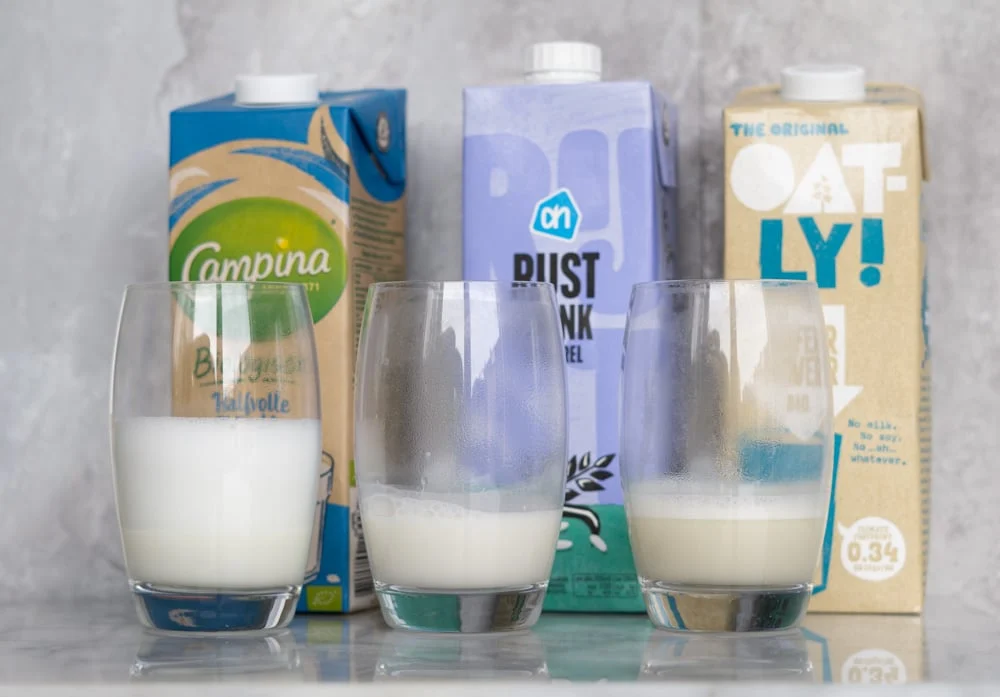
- High HLB (8–16): These are more water-soluble and are the standard for Oil-in-Water (O/W) emulsions, such as milk, cream, and most salad dressings.
Selecting the wrong HLB value is a common cause of product failure. If a developer uses a high-HLB emulsifier in a W/O system, the mixture will inevitably break, leading to "oil-out" or "syneresis," where the fat separates and pools at the top or bottom of the container.

Furthermore, production conditions—such as high-shear mixing or thermal processing—can alter the performance of these molecules. An emulsifier that provides a perfect, stable emulsion at 20°C may lose its structural integrity at 70°C, leading to separation during the cooling phase of production.
Industry Perspectives: The Balancing Act
Product developers face a complex mandate: they must achieve maximum shelf-life stability while adhering to strict regulatory standards and meeting consumer demands for shorter, more recognizable ingredient lists.
"The challenge is never just about keeping the oil from separating," notes a lead food scientist in the emulsification sector. "It is about the sensory profile. If you use too much of a stabilizer, you might improve shelf life, but you risk creating a ‘gummy’ or ‘waxy’ mouthfeel that consumers immediately reject. The goal is to use the smallest possible amount of the most efficient emulsifier to achieve the desired texture."
Regulatory bodies, such as the FDA and EFSA, maintain rigorous oversight regarding the types and concentrations of emulsifiers permitted in food. Developers must navigate these legal frameworks, ensuring that their choices are compliant not just with the chemistry of the food, but with the laws of the markets in which they intend to sell.

Implications for Modern Product Development
The implications of mastering emulsification extend far beyond mere visual appeal. There are three primary areas where this science is currently driving innovation:
1. Fat Reduction and Health
As the global food industry faces pressure to reduce caloric density, emulsifiers have become the secret weapon for fat reduction. By creating stable, high-moisture emulsions, manufacturers can replace a significant portion of the fat content in spreads, dressings, and dairy alternatives without the consumer noticing a loss in creaminess or "mouthfeel." This allows for the development of "lite" products that maintain the sensory properties of their full-fat counterparts.
2. Enhancing Production Robustness
In a high-speed manufacturing environment, pumps, filters, and temperature fluctuations can easily break an emulsion. A well-engineered emulsifier system makes the product more robust, ensuring that the consistency remains uniform from the initial mixing tank to the final consumer packaging. This reduces waste and increases the overall efficiency of the production line.
3. Texture Engineering
Emulsifiers allow for precise control over the texture of complex foods. In chocolate, for instance, lecithin and PGPR (polyglycerol polyricinoleate) are used not just for stability, but to control viscosity during molding and to prevent bloom—the unsightly white film that can form on the surface of chocolate. By manipulating the interface, developers can create textures that are "snap-able," "spreadable," or "pourable," depending on the product’s intended use.

Conclusion: The Future of Emulsification
As the industry looks forward, the focus is shifting toward natural, multifunctional ingredients. We are seeing a move toward using fiber-based particles and plant-derived proteins that provide both stabilization and nutritional value. The "Puckering Emulsion"—stabilizing mixtures with controlled particles rather than traditional surfactants—represents the cutting edge of this field, offering a pathway to even cleaner labels.
For any food developer, the takeaway is clear: understanding the interaction between water and oil is the foundation of culinary success. By carefully selecting emulsifiers based on their HLB values, considering the processing environment, and respecting the natural components already present in the ingredients, developers can create products that are not only stable and visually appealing but also delicious and health-conscious.
The bridge between oil and water may be invisible to the naked eye, but it remains the most critical structural component of the modern food industry. As science advances, this bridge will become even stronger, allowing for a future of food that is as stable as it is innovative.