Main Facts: The Rise of the No-Cook Summer Staple
As temperatures soar during the height of July and August, home cooks and culinary enthusiasts alike face a familiar seasonal dilemma: how to prepare satisfying, nutritious meals without turning on a hot stove or spending hours sweating over an oven. Enter the no-cook culinary solution that is currently dominating food blogs, social media feeds, and warm-weather dinner tables—Watermelon Gazpacho.
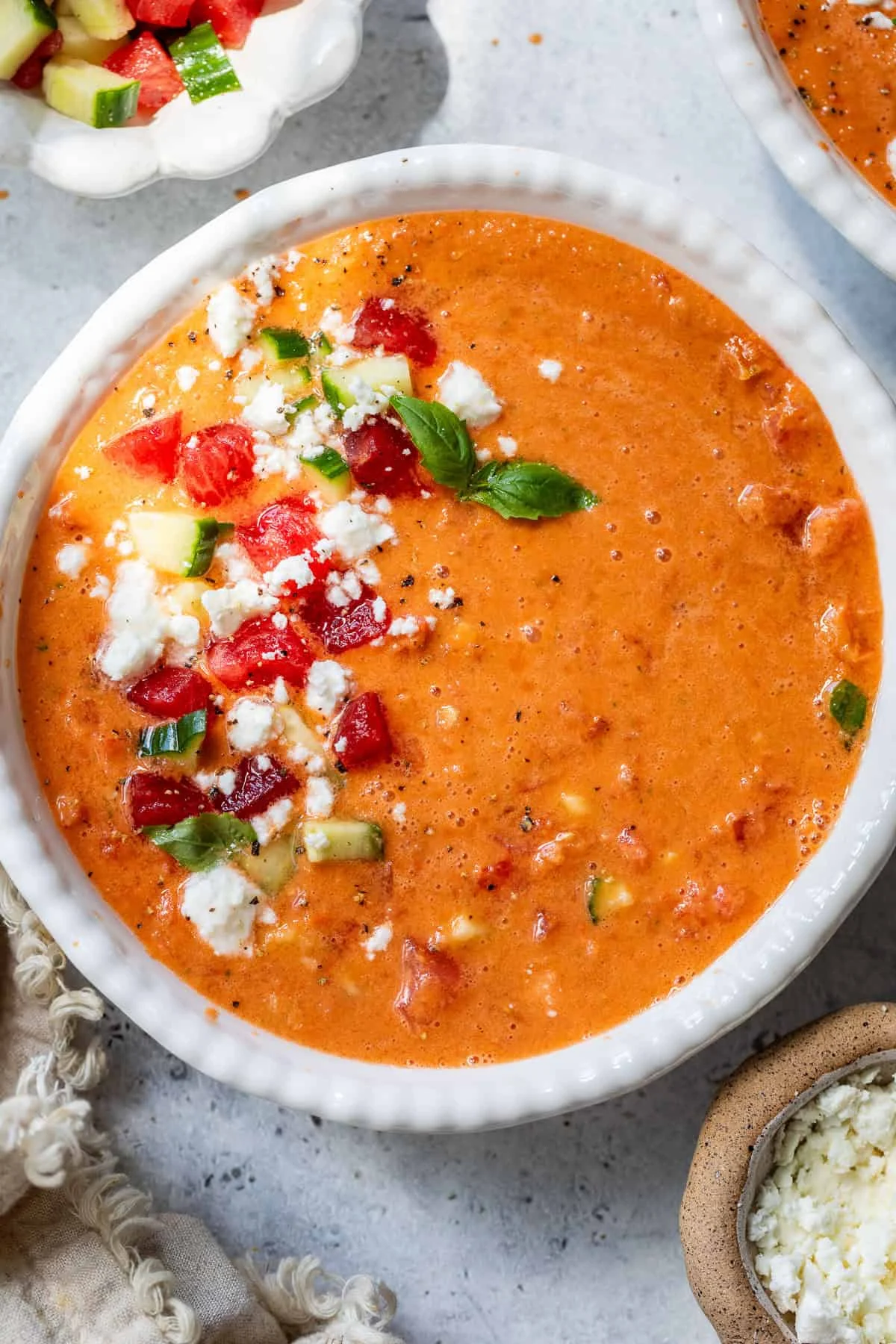
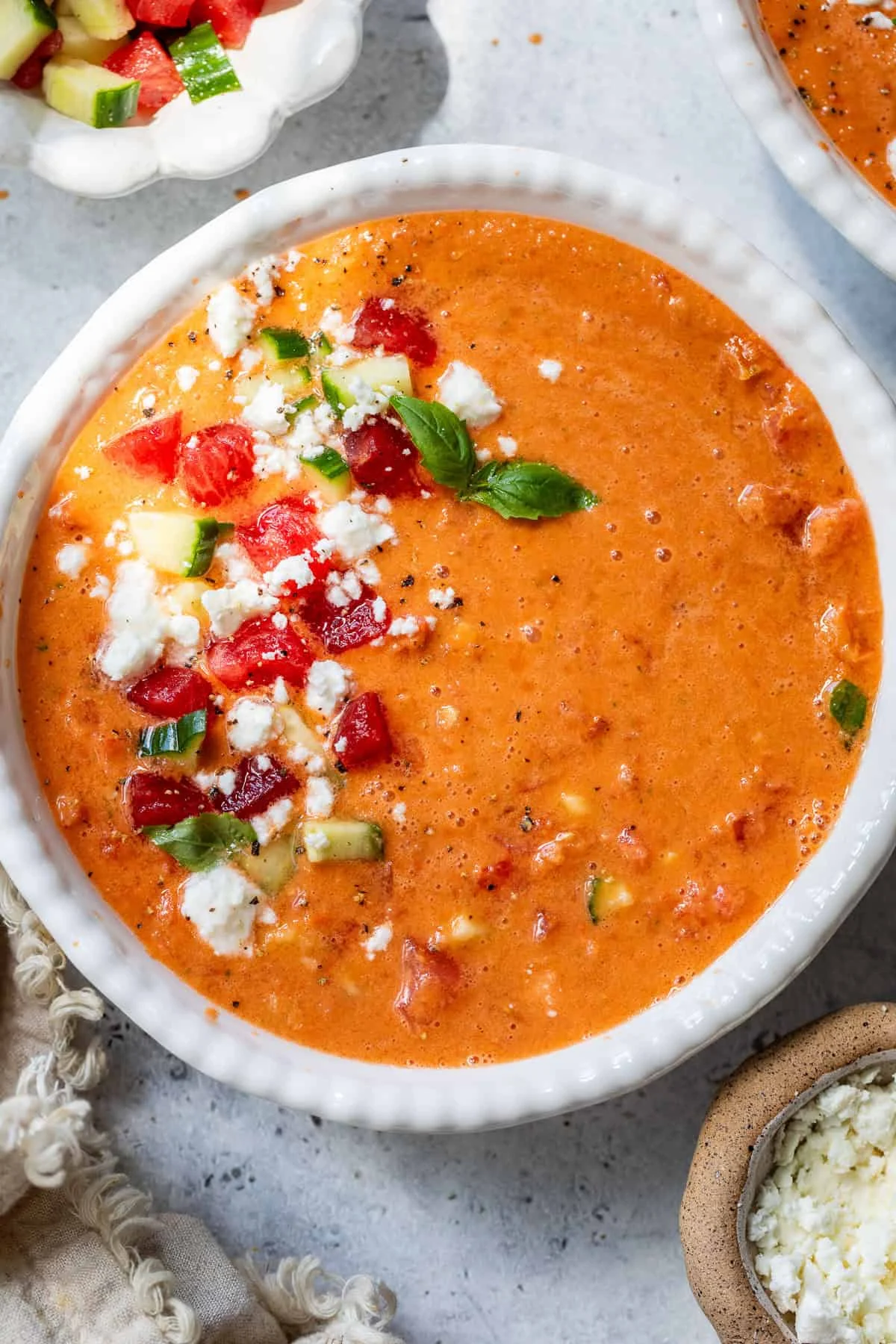
Developed and refined by cookbook author and home-cooking expert Erin Clarke of Well Plated, this vibrant, chilled soup reimagines the traditional Andalusian tomato-based dish. By incorporating sweet, hydrating summer watermelon into the classic mix of garden-fresh vegetables, herbs, and aromatic oils, this recipe offers a masterclass in seasonal balancing.
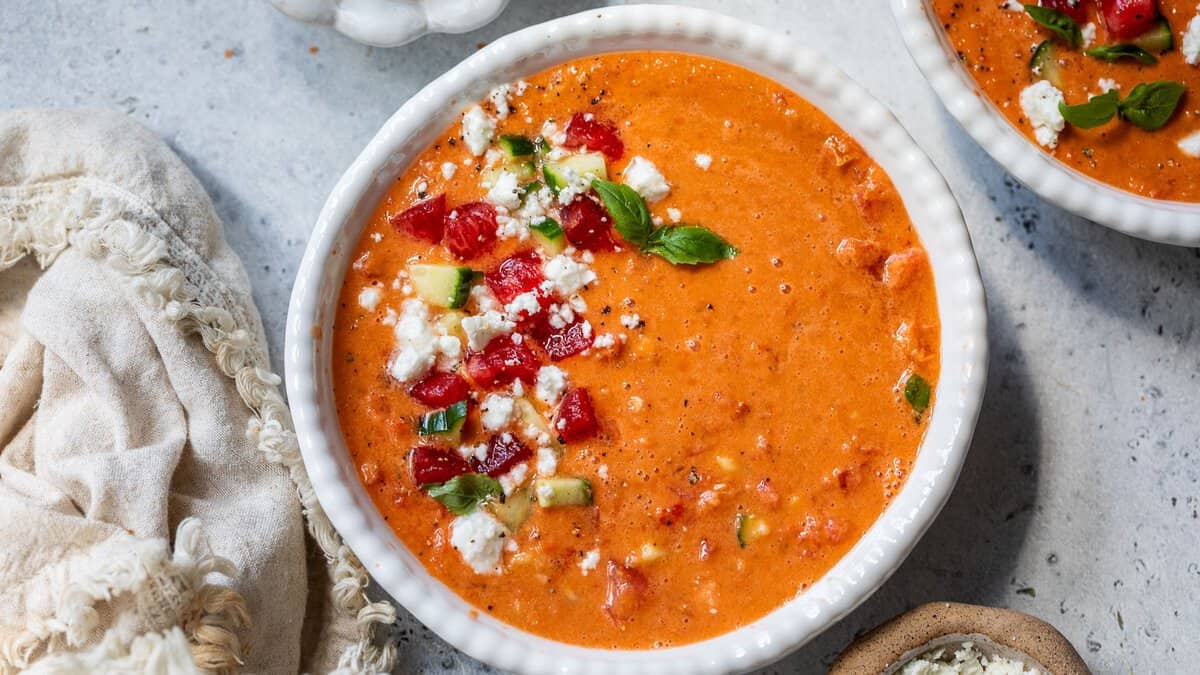
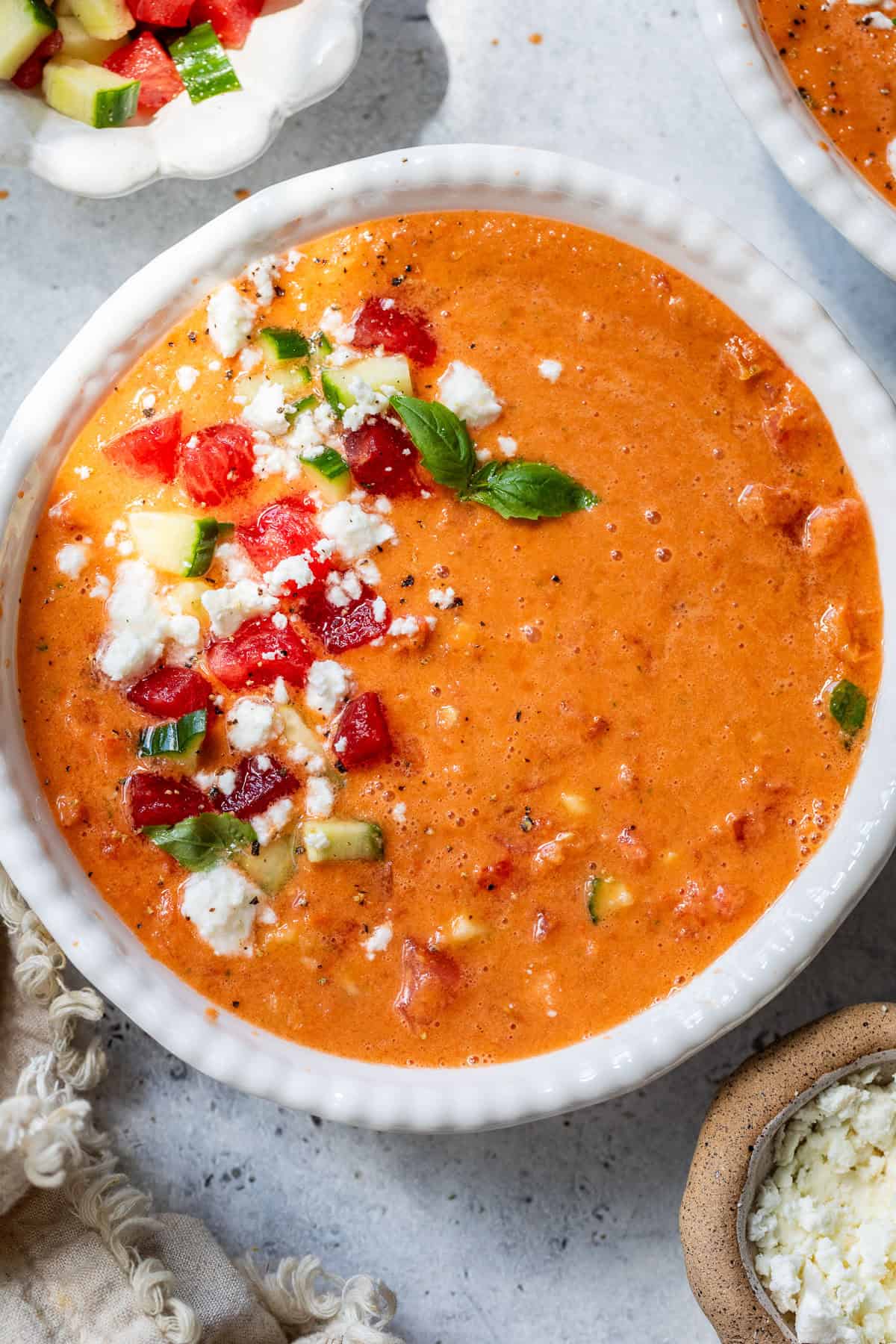
Unlike heavy, winter-style soups meant to warm the body from the inside out, watermelon gazpacho functions more like a hybrid between a refreshing salad and a revitalizing beverage. The natural sweetness of the watermelon brilliantly counterbalances the sharp acidity of ripe summer tomatoes, while significantly lightening the overall body of the soup. Clocking in at just 222 calories per serving with a robust nutritional profile—including 4 grams of fiber, 77 mg of Vitamin C, and high levels of potassium—it delivers maximum flavor with minimal effort.
Chronology: From Kitchen Experiment to the Perfect Bowl
The journey toward the ultimate bowl of watermelon gazpacho was not achieved overnight. According to Clarke’s kitchen testing notes, perfecting this chilled summer meal required a careful, iterative process of trial and error.
- Phase One: The Over-Blend Mistake. During her initial attempts at crafting the soup, Clarke threw all of the ingredients into a blender simultaneously and processed them until completely liquefied. The result was disappointing: the texture was entirely uniform, missing the crisp bite that makes a good gazpacho enjoyable, and it leaned far too watery.
- Phase Two: The Chunky Compromise. Eager to correct the texture issue, her next iteration left the vegetables heavily chopped and rustic. While this added texture, it exacerbated the watery consistency, making the dish feel less like a cohesive soup and more like a bowl of floating produce.
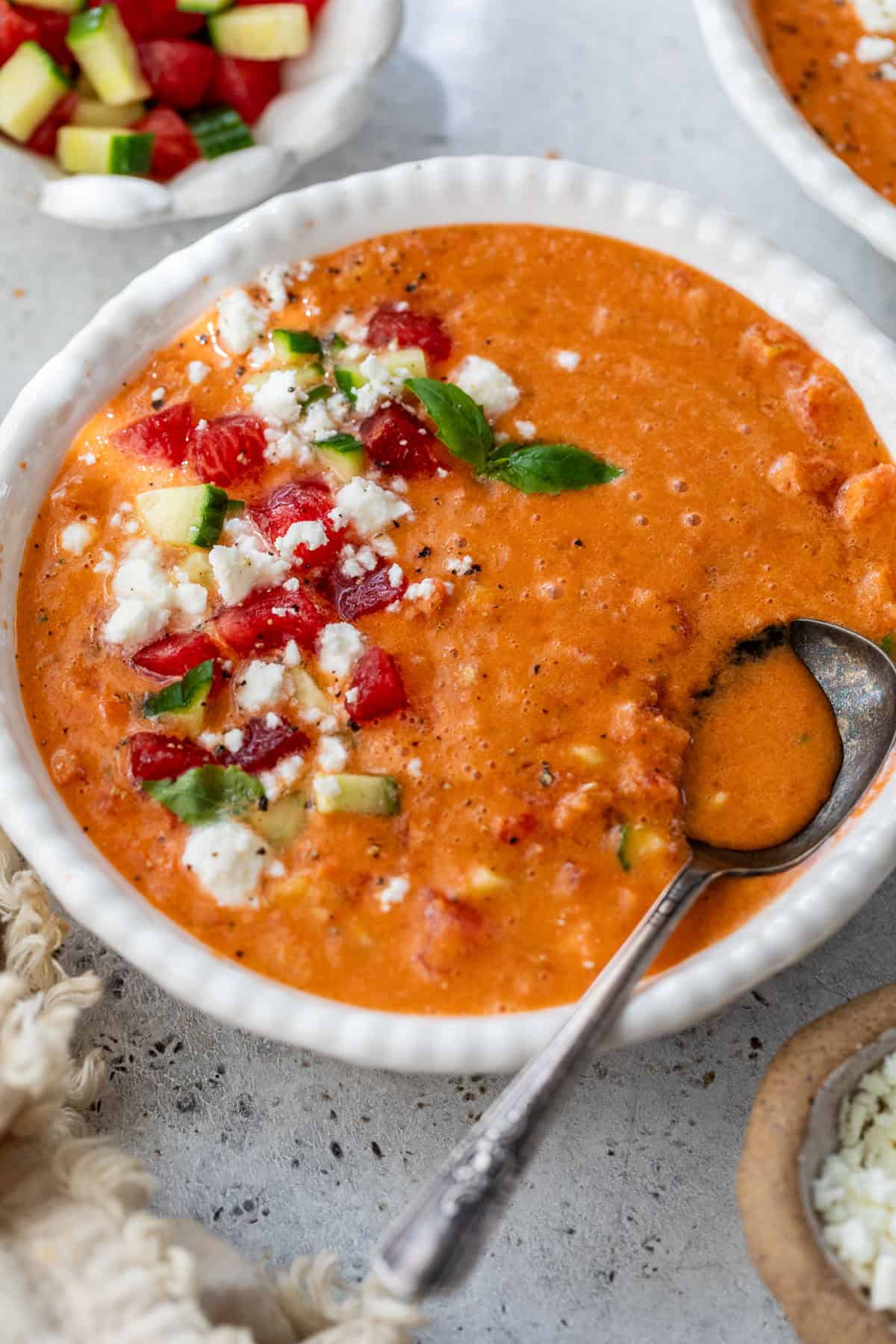
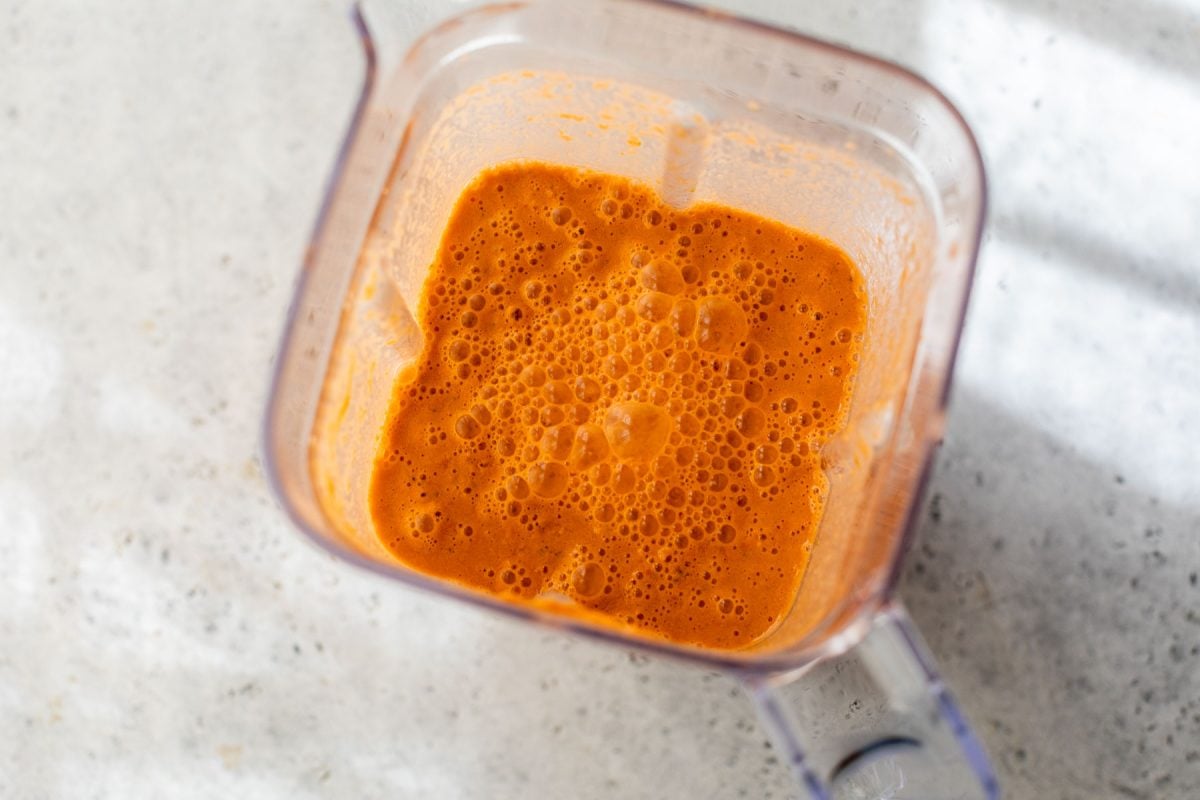
- Phase Three: The Winning Technique. The breakthrough came with a two-tier blending method. Clarke realized that the secret to a rich, velvety gazpacho body—achieved entirely without the traditional addition of bread—was dividing the ingredients. By blending half of the vegetables with the aromatics, oil, and vinegar to create a smooth, creamy base, and then gently pulsing in the remaining chopped vegetables at the end, she struck the ideal balance. This method retained a delightful crunch while ensuring a thick, luxurious mouthfeel.
Supporting Data: Nutrition, Ingredients, and Variations
For those looking to replicate or adapt this seasonal dish, understanding the structural anatomy of the recipe is essential. Standard portions yield four generous servings, making it an efficient option for weeknight dinners, outdoor patio lunches, or sophisticated summer dinner party appetizers.
Nutritional Breakdown (Per Serving)
- Calories: 222 kcal
- Carbohydrates: 24 g
- Protein: 3 g
- Total Fat: 14 g (Saturated Fat: 2 g, Monounsaturated Fat: 10 g)
- Sodium: 596 mg
- Potassium: 773 mg
- Fiber: 4 g
- Sugar: 17 g
- Vitamins: Vitamin A (3,372 IU), Vitamin C (77 mg)
- Minerals: Calcium (50 mg), Iron (1 mg)
The Step-by-Step Method
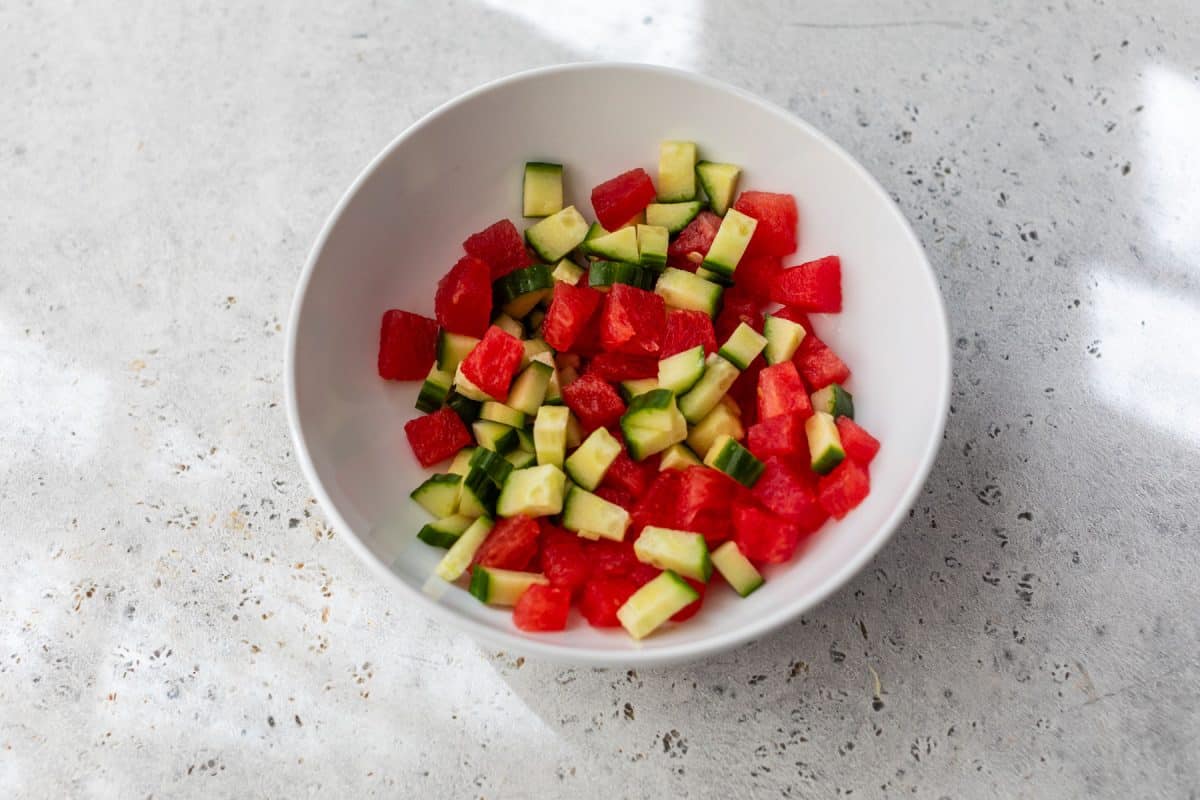
- Reserve the Garnishes: Before operating the blender, finely chop a small portion of fresh watermelon and cucumber to set aside for final presentation.
- Prep the Vegetables: Chop the remaining watermelon, cucumber, tomatoes, and bell peppers into uniform, roughly 1-inch pieces. Divide them between the blender pitcher and a large mixing bowl.
- Blend the Base: Add onions, garlic, fresh herbs, olive oil, vinegar, salt, and pepper to the blender with the first batch of vegetables. Process on high speed until completely smooth, ensuring no visible flecks of garlic or herbs remain.
- Add Texture: Introduce the reserved, hand-chopped vegetables from the mixing bowl into the blender. Pulse gently a few times to incorporate texture without liquefying.
- Chill Thoroughly: Cover the mixture and refrigerate for a minimum of two hours. For optimal flavor development, chefs recommend preparing the gazpacho a full day in advance, allowing the ingredients to marinate and meld.
- Final Adjustments and Serve: Taste the soup just before serving, adjusting salt and vinegar levels as needed. Ladle into chilled bowls, top with the reserved garnishes, and serve immediately.
Global Twists and Regional Variations
While the classic iteration relies on sherry vinegar, olive oil, and herbs for a Mediterranean flair, home cooks can easily pivot the flavor profile. For a distinct Mexican-inspired twist, creators recommend substituting the sherry vinegar with fresh lime juice, and garnishing the finished bowls with chopped fresh cilantro, paper-thin jalapeño slices, and crumbly cotija cheese.

Official Perspectives and Culinary Philosophy
The philosophy behind recipes like Erin Clarke’s watermelon gazpacho speaks to a broader culinary shift in how modern home cooks approach summer nutrition. Rather than viewing cooking as a burdensome chore involving high-heat appliances during sweltering weather, contemporary food media emphasizes speed, efficiency, and the celebration of peak-season produce.
As a cookbook author who has successfully reached millions of home cooks and sold over 200,000 books, Clarke has built her platform on making healthy cooking accessible, approachable, and flavorful without unnecessary complication. Her insights underscore a practical truth about modern meal planning: saving time and reducing kitchen cleanup are just as important as nutritional value.
"This is the time of year when I’m always on the hunt for no-cook dinner options," Clarke notes, reflecting on the seasonal shift in domestic routines. By stripping away complex cooking techniques and relying on the natural chemistry of high-water-content fruits and vegetables, recipes like watermelon gazpacho elevate simple pantry and produce-drawer staples into something extraordinary.
Implications: Changing Dietary Habits in the Dog Days of Summer
The surging popularity of chilled fruit-and-vegetable soups carries notable implications for modern dietary habits, particularly during the warmest months of the year.
First, it encourages increased hydration through food. Watermelon—consisting of roughly 92% water—combined with mineral-rich cucumbers and tomatoes, provides an effortless way to maintain hydration levels when outdoor heat suppresses traditional appetites.
Second, the no-cook nature of the dish reduces household energy consumption. By bypassing the stove and oven, home cooks lower indoor heat retention, saving on home cooling costs while simultaneously cutting down on post-meal dishwashing—a major pain point for busy families.
Finally, recipes like watermelon gazpacho bridge the psychological gap for individuals who are skeptical of cold soups. By framing the dish not as a chilled version of a heavy winter soup, but rather as a spoonable, elevated salad infused with sweet and savory notes, it refines public perception and broadens the appeal of raw, plant-forward dining. As summer heatwaves become increasingly intense year after year, creative culinary solutions rooted in simplicity and fresh produce will undoubtedly remain a cornerstone of modern home kitchens.