In the landscape of modern home cooking, there is an enduring appeal to recipes that balance simplicity with sophistication. As the seasons shift and the desire for "comfort food" takes hold, few ingredients provide as much culinary versatility as the humble apple. Recent culinary trends have highlighted a move toward refined, minimalist cooking, and at the forefront of this movement is the perfectly caramelized cinnamon apple slice.
Requiring only a single skillet, a handful of pantry staples, and approximately fifteen minutes of your time, this dish has transcended its origins as a simple snack to become a cornerstone of breakfast, brunch, and dessert menus in households everywhere. This report explores the mechanics, versatility, and cultural significance of this 15-minute delicacy.
Main Facts: The Anatomy of a Perfect Caramelized Apple
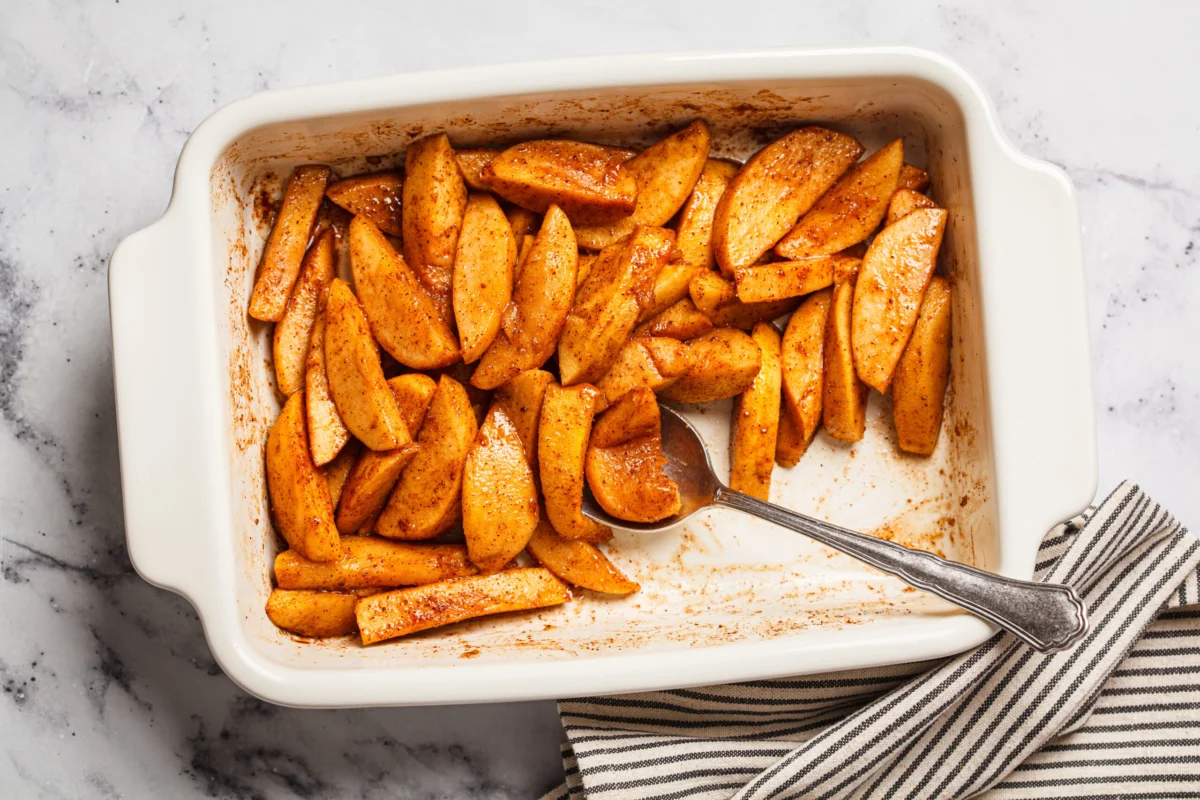
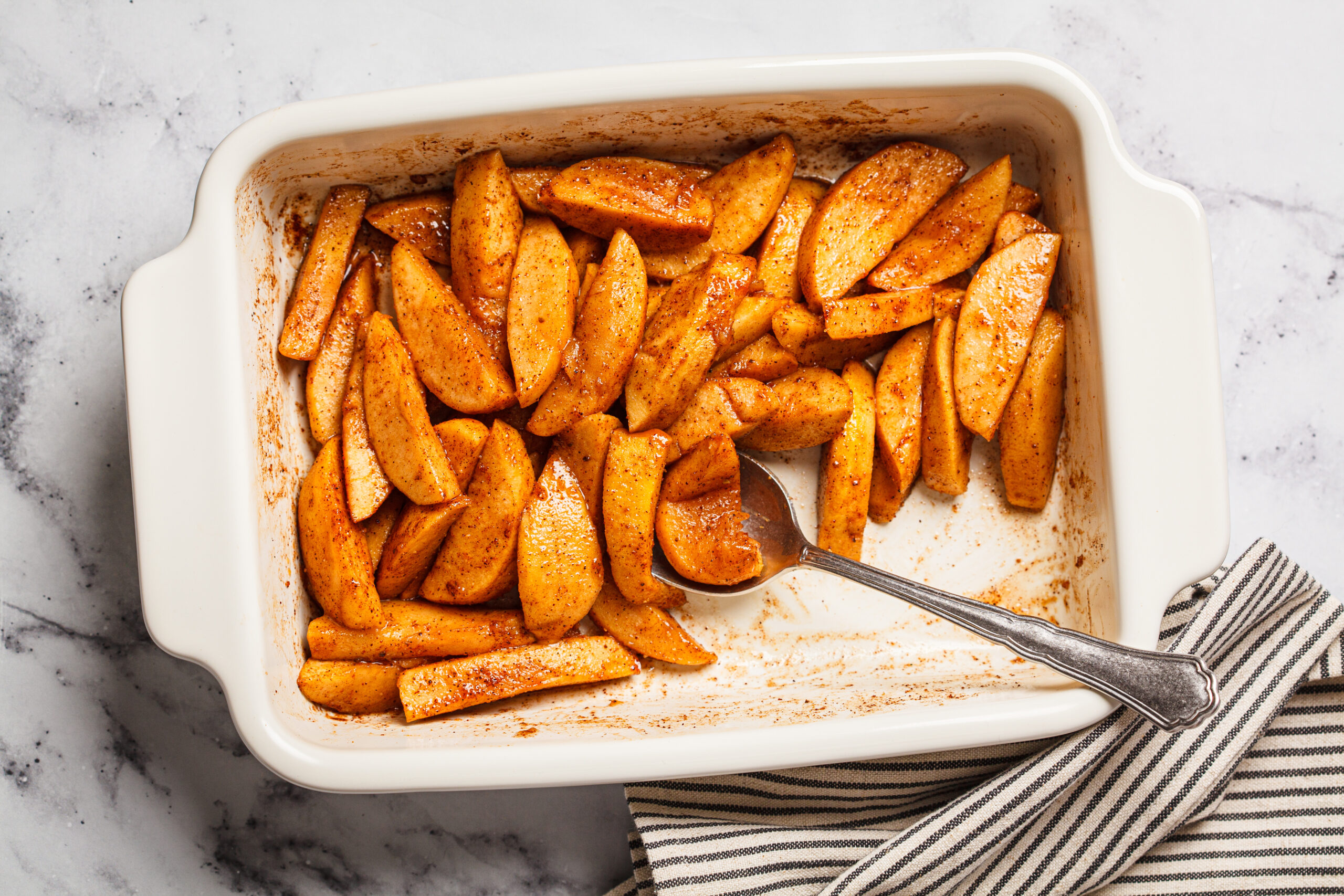
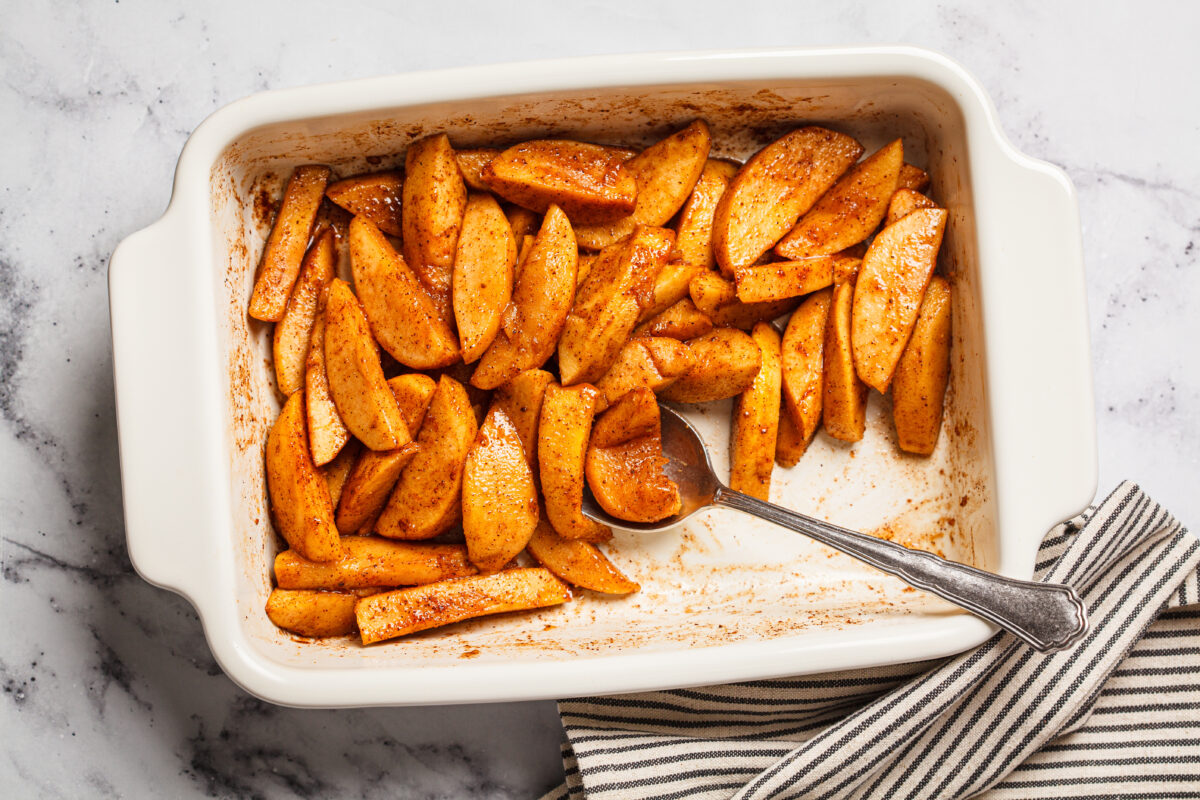
At its core, the recipe for caramelized cinnamon apples is an exercise in heat management and ingredient quality. The process involves sautéing apple slices in a small amount of butter or a high-quality alternative, allowing the fruit’s natural sugars to break down and bond with the warmth of ground cinnamon and the depth of pure maple syrup.
The beauty of this dish lies in its accessibility. Unlike elaborate pastries or slow-cooked crumbles, which can require hours of preparation and a myriad of kitchen tools, these caramelized slices offer an immediate sensory reward. The apples retain their structure—avoiding the mushiness of applesauce—while achieving a tender, butter-soft texture that melts on the tongue. By utilizing pure maple syrup instead of refined white sugar, the dish achieves a complex, earthy sweetness that elevates it beyond a mere topping to a balanced, nutrient-dense component of a meal.
A Chronological Guide to Preparation
To understand why this dish has gained such traction in culinary circles, one must examine the systematic approach to its creation.
- Preparation (Minutes 0–5): Precision begins with the knife. The apples should be cored and sliced into uniform segments, ideally around 1/4-inch in thickness. This uniformity is the secret to even cooking. Too thin, and the slices disintegrate; too thick, and the centers remain raw while the exterior over-browns.
- The Sauté (Minutes 5–12): The skillet is brought to medium heat. The inclusion of butter (or a plant-based substitute) provides the fat necessary to coat the fruit. As the apples hit the pan, the aroma of browning butter begins to emerge. Once the slices show signs of softening, the maple syrup is introduced.
- The Reduction (Minutes 12–15): This is the critical juncture. The syrup, combined with the moisture released by the apples, reduces into a glossy, amber-colored glaze. The final touch—a generous dusting of cinnamon—is added just before removing the pan from the heat to ensure the spice does not become bitter.
Supporting Data: Why Texture and Variety Matter
Culinary experts note that the success of the dish is highly dependent on apple selection. Varieties such as Honeycrisp, Gala, or Fuji are preferred for their structural integrity under heat.
From a nutritional standpoint, incorporating apples into a daily diet provides a reliable source of dietary fiber and antioxidants. When prepared in this manner, the addition of healthy fats (from the butter or optional nuts) aids in the absorption of fat-soluble vitamins found in the fruit.
Furthermore, the data regarding "versatility-per-minute" is striking. A 15-minute investment yields a product that can be utilized across four distinct dayparts:
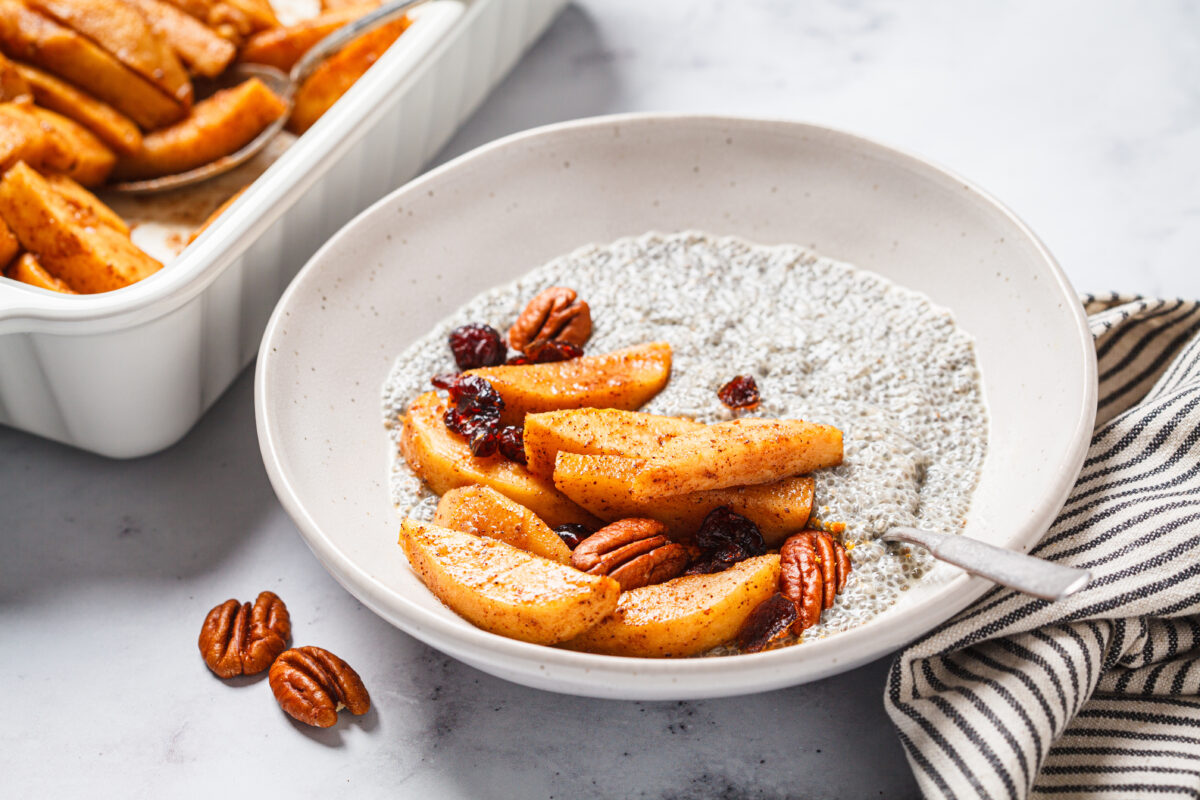
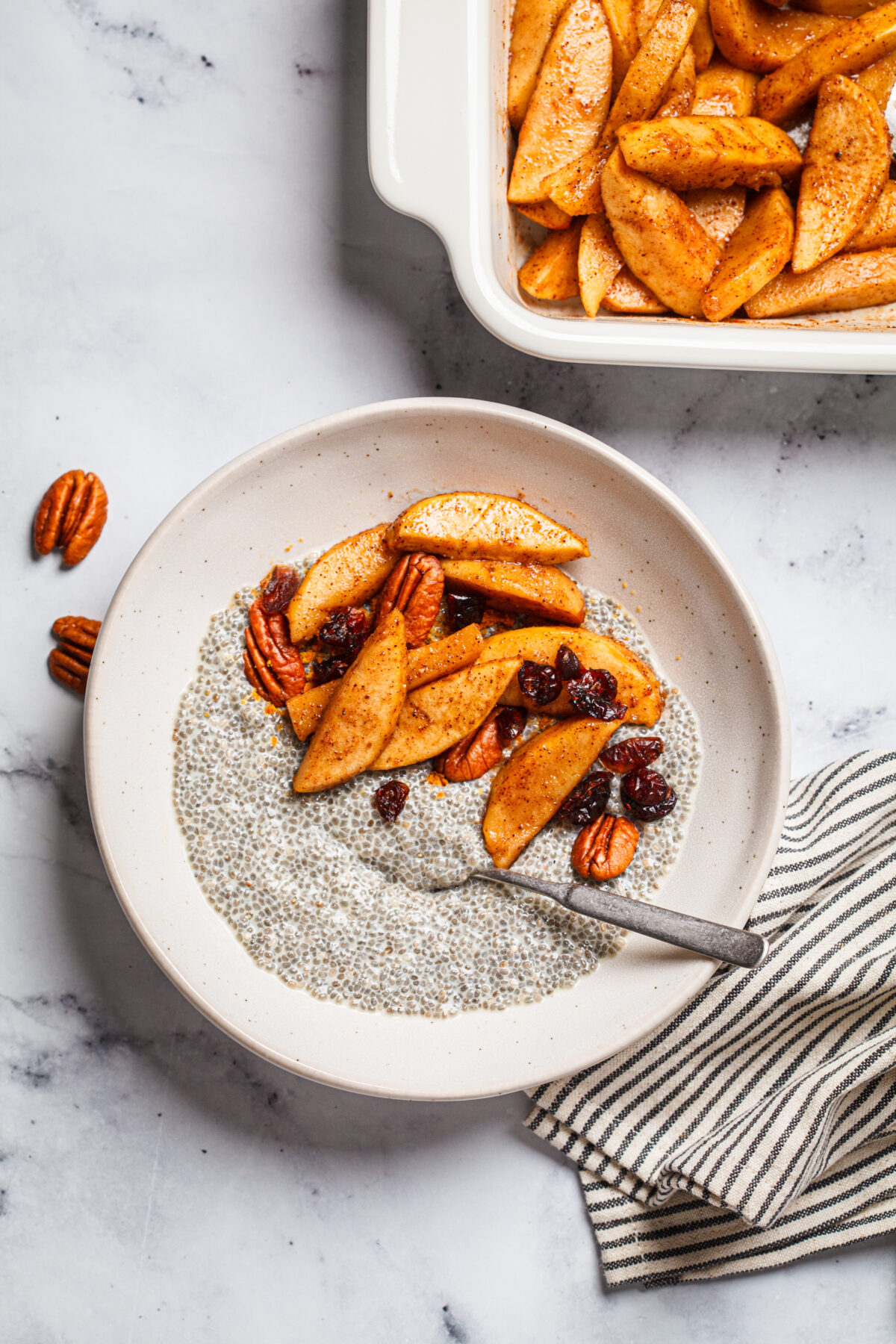
- The Morning Boost: As a high-fiber topping for Greek yogurt, overnight oats, or chia pudding.
- The Brunch Elevate: A warm, decadent addition to pancakes, waffles, or French toast.
- The Afternoon Snack: Eaten directly from the skillet, providing a satiating bridge between lunch and dinner.
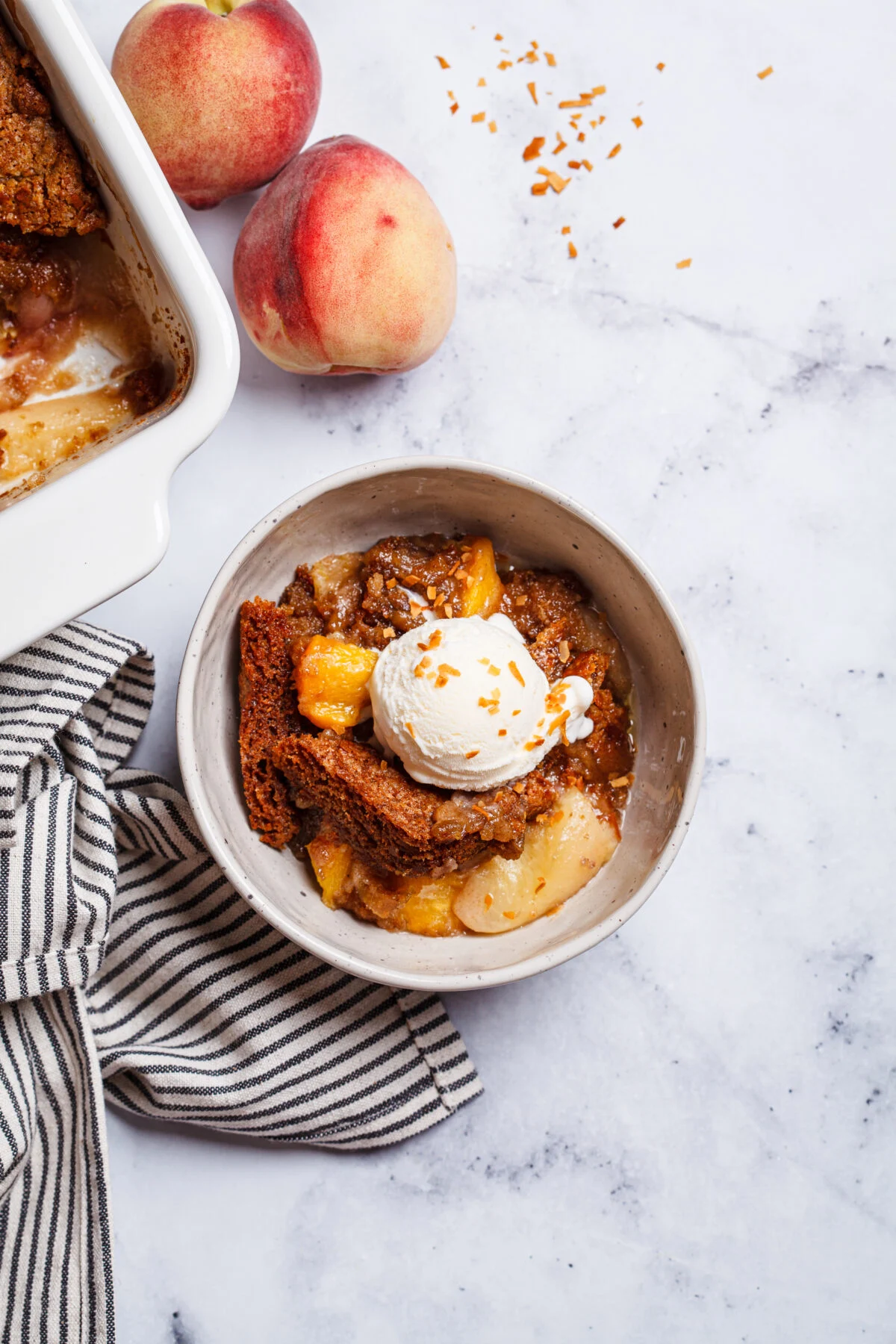
- The Dessert Finish: Served over a scoop of vanilla bean ice cream or alongside a slice of pound cake.
Optional Enhancements: The Role of Texture
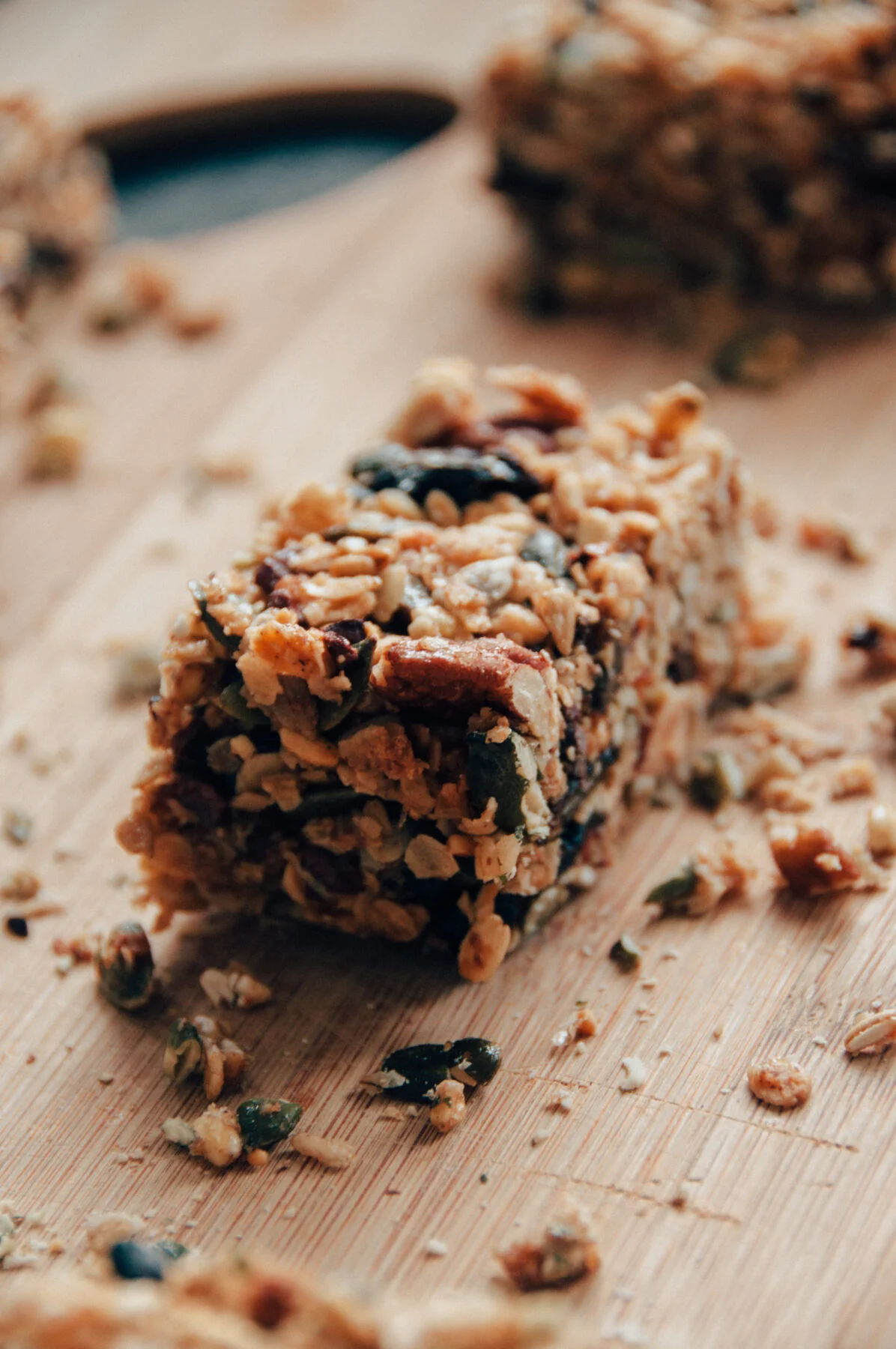
The base recipe is intentionally minimalist, yet it serves as a canvas for culinary creativity. The inclusion of toasted pecans and dried cranberries is frequently cited as the gold standard for those looking to add depth.
- Pecans: Beyond the flavor profile, toasted pecans introduce a crucial textural contrast. The crunch of the nut against the tender fruit creates a more complex mouthfeel.
- Dried Cranberries: The tartness of the cranberry cuts through the inherent sweetness of the maple syrup, providing a bright, acidic counterpoint that balances the palate.
- Alternative Add-ins: Culinary enthusiasts also recommend shredded coconut, walnuts, or pumpkin seeds, each offering a unique nutritional profile and crunch factor.
Official Culinary Perspectives on Preparation
Professional chefs often emphasize the importance of "don’t overcook." The goal is a "fork-tender" texture rather than a pureed one. There is a common misconception that longer cooking times equate to deeper flavor, but in the case of apples, prolonged exposure to high heat leads to the breakdown of pectin, resulting in a loss of texture.
"The key is the medium heat," says one professional nutritionist. "By using a moderate temperature, you allow the fruit to caramelize gently. If you rush the process with high heat, you burn the sugar before the apple has had a chance to absorb the cinnamon and syrup, leading to a burnt-sugar taste rather than a caramelized fruit flavor."
Implications: The Psychological Impact of "Cozy" Cooking
The rise of the "cozy kitchen" trend is more than just an aesthetic choice; it is a psychological response to the fast-paced nature of modern life. Recipes like these caramelized apples offer a meditative, low-stress cooking experience.
The sensory experience—the sound of the sizzle, the scent of cinnamon wafting through the home—triggers a relaxation response. In an era where "ready-to-eat" often means processed and packaged, the act of taking three raw apples and transforming them into a warm, aromatic dish in under 15 minutes provides a sense of agency and accomplishment.
Storage and Sustainability
In the interest of reducing food waste, the storage potential of this dish is significant. Caramelized apples can be stored in an airtight container in the refrigerator for up to four days. This makes them an ideal candidate for "batch cooking."
Because they reheat beautifully in a microwave or a quick pan-toss, they remain a viable option for those with busy schedules. Even cold, they serve as an excellent addition to chilled yogurt bowls, ensuring that the fruit is utilized fully rather than left to spoil in the crisper drawer.
Conclusion
The 15-minute caramelized apple is a testament to the fact that excellence in the kitchen does not require complexity. By focusing on the quality of the raw ingredient and mastering the simple chemistry of the skillet, home cooks can produce a dish that is as versatile as it is comforting.
Whether serving as a nutritious start to the day or a refined conclusion to an evening meal, these cinnamon-kissed slices represent a return to the basics—an affirmation that the most satisfying food is often the simplest to prepare. As the seasons change, keeping this recipe in your repertoire ensures that a little bit of warmth and comfort is always just a few minutes away.