In the modern culinary landscape, where the demand for efficiency often clashes with the desire for fresh, nutrient-dense meals, the humble noodle salad has emerged as a beacon of culinary pragmatism. Specifically, the Cold Sesame Noodle salad—a dish celebrated for its ability to transform simple pantry staples into a vibrant, texturally diverse experience—has captured the attention of home cooks and professional chefs alike. Requiring only 20 minutes from inception to table, this dish serves as a masterclass in flavor balancing, proving that budget-conscious cooking does not require a sacrifice in quality or sophistication.
Main Facts: The Anatomy of a Perfect Cold Noodle Dish
At its core, the Cold Sesame Noodle salad is a study in contrasts. It relies on the interplay between the starch—typically inexpensive, accessible spaghetti—and a dressing that functions as both a marinade and a sauce. Unlike creamy pasta salads that rely on mayonnaise or heavy dairy, this dish champions a light, oil-based dressing.
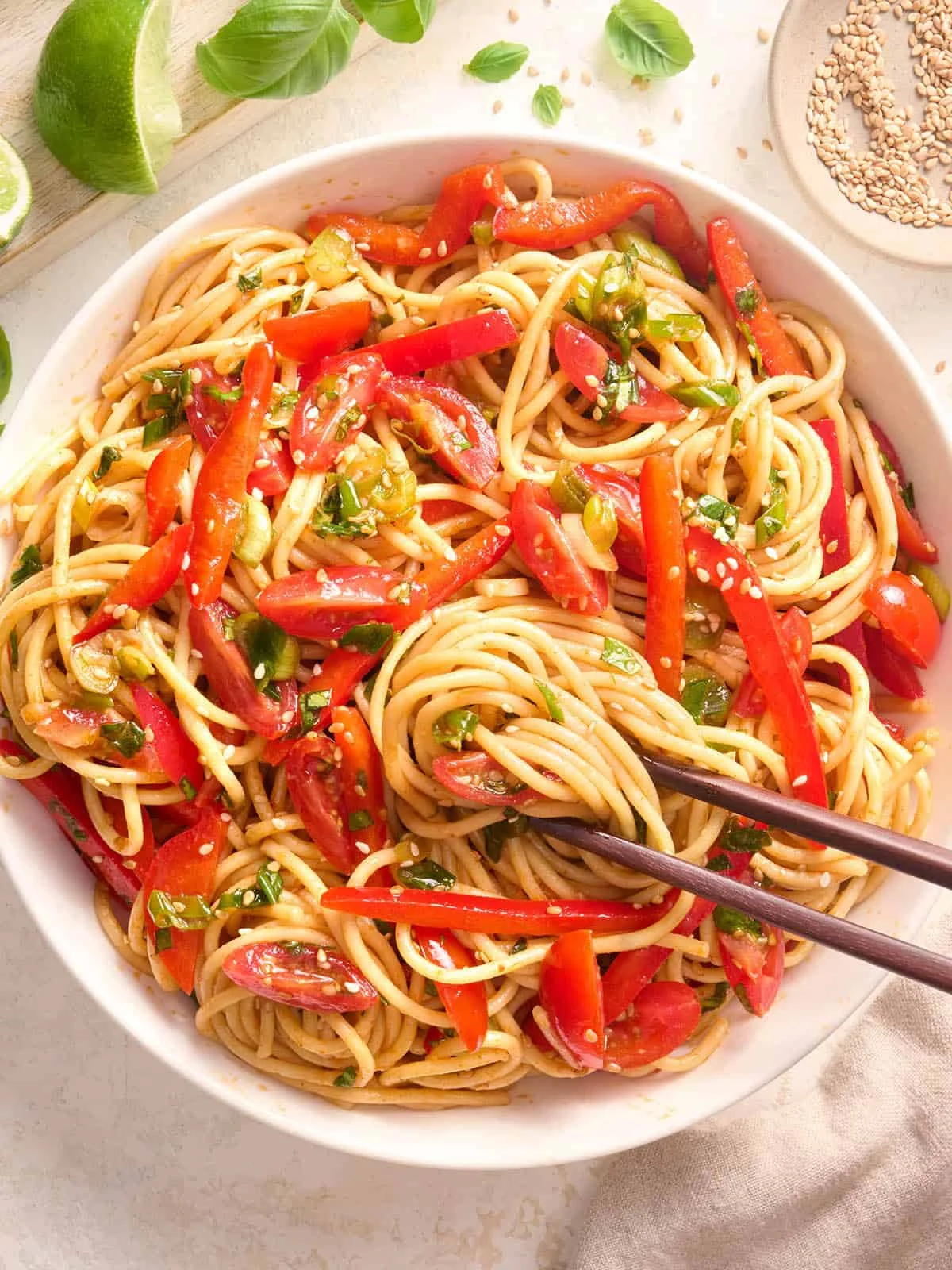
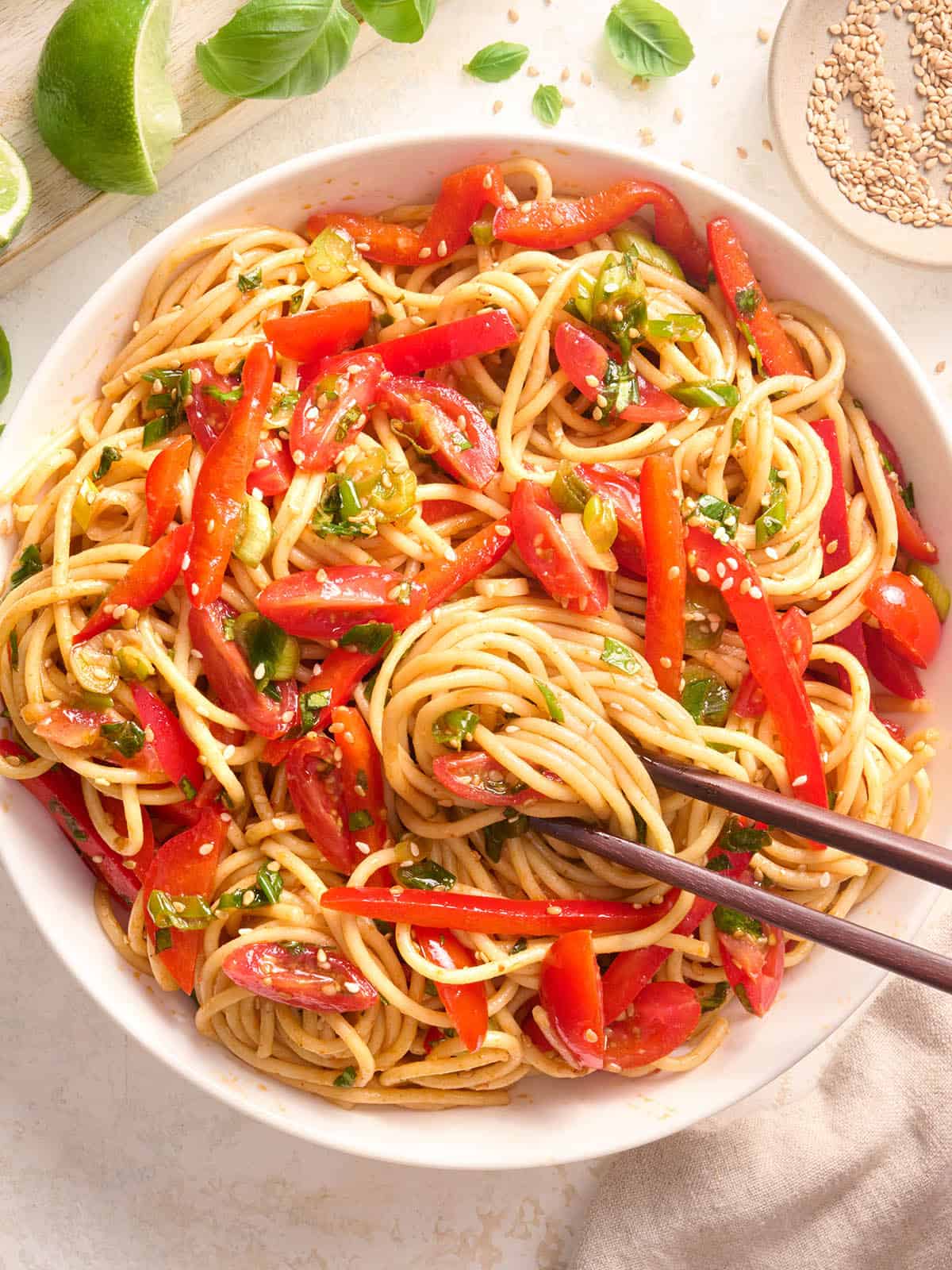
The primary flavor profile is anchored by toasted sesame oil. This ingredient is essential; its deep, amber hue and nutty, roasted aroma provide a foundation that cannot be replicated by lighter, raw sesame oils. When balanced with the salinity of soy sauce, the sharp, acidic punch of fresh lime, and the creeping heat of sriracha, the resulting dressing is bright, punchy, and refreshing.
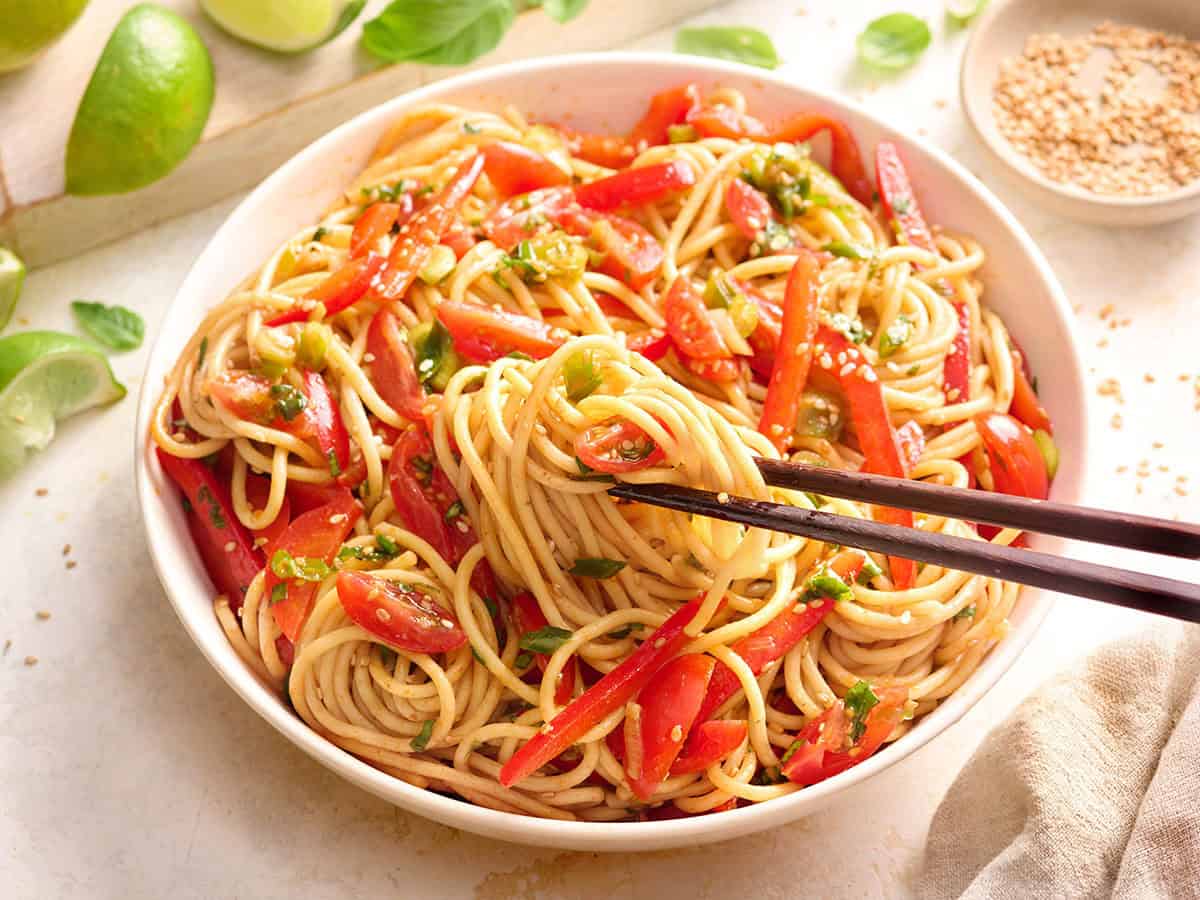
The structural integrity of the dish is provided by a medley of crisp vegetables. Red bell peppers offer a sweet crunch, grape tomatoes introduce bursts of acidity and juice, while fresh basil and green onions provide an aromatic finish that elevates the dish from a simple pasta bowl to a sophisticated summer salad.
Chronology: The 20-Minute Workflow
The efficiency of this recipe is derived from its optimized workflow. By following a structured timeline, home cooks can ensure the meal is prepared in roughly 20 minutes.
Phase 1: Preparation (0–5 minutes)
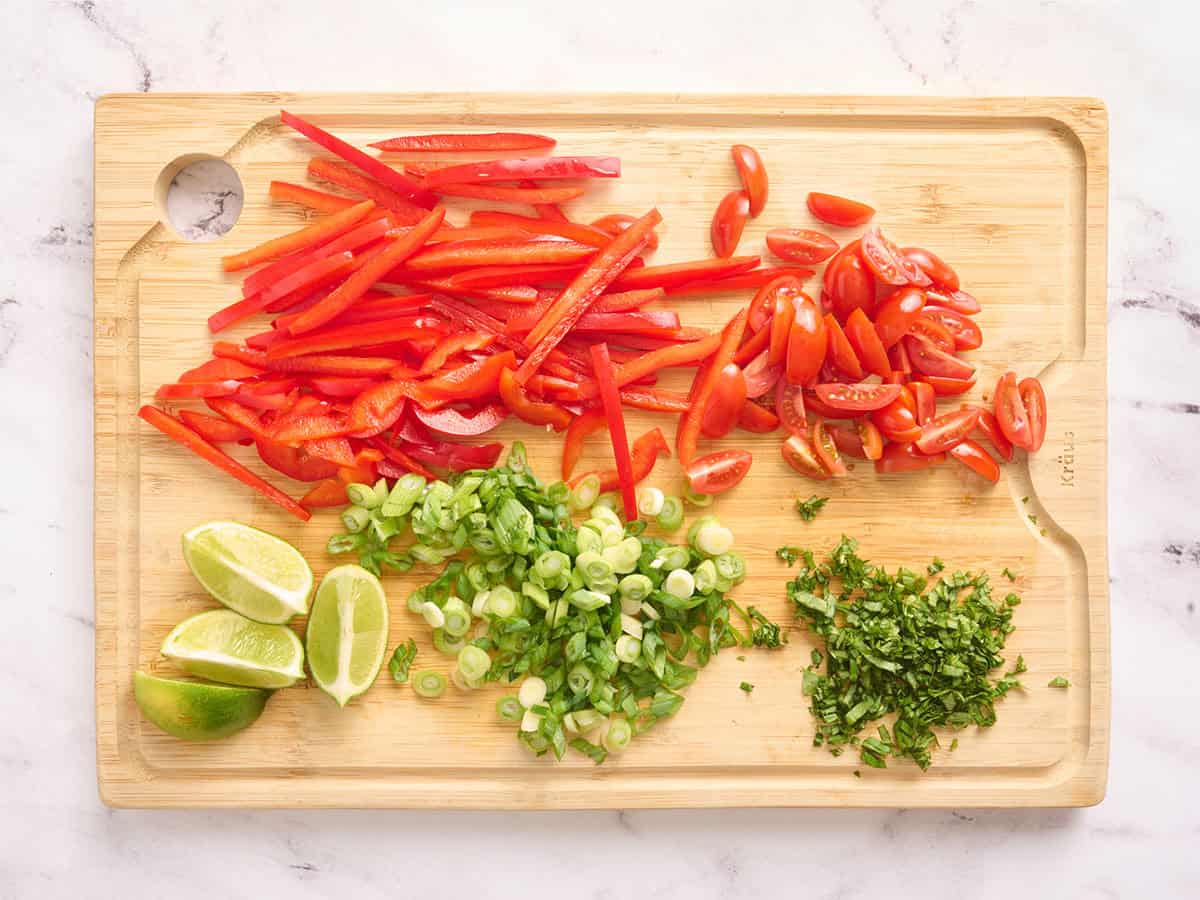
While waiting for a large pot of water to reach a rolling boil, the focus shifts to mise-en-place. The lime should be cut into wedges for individual serving customization. The red bell pepper requires precise, thin slicing to ensure even distribution, while the grape tomatoes are quartered to maximize their surface area for coating. The basil and green onions are minced or sliced, prepared to be folded into the dish at the final stage.
Phase 2: The Pasta (5–17 minutes)
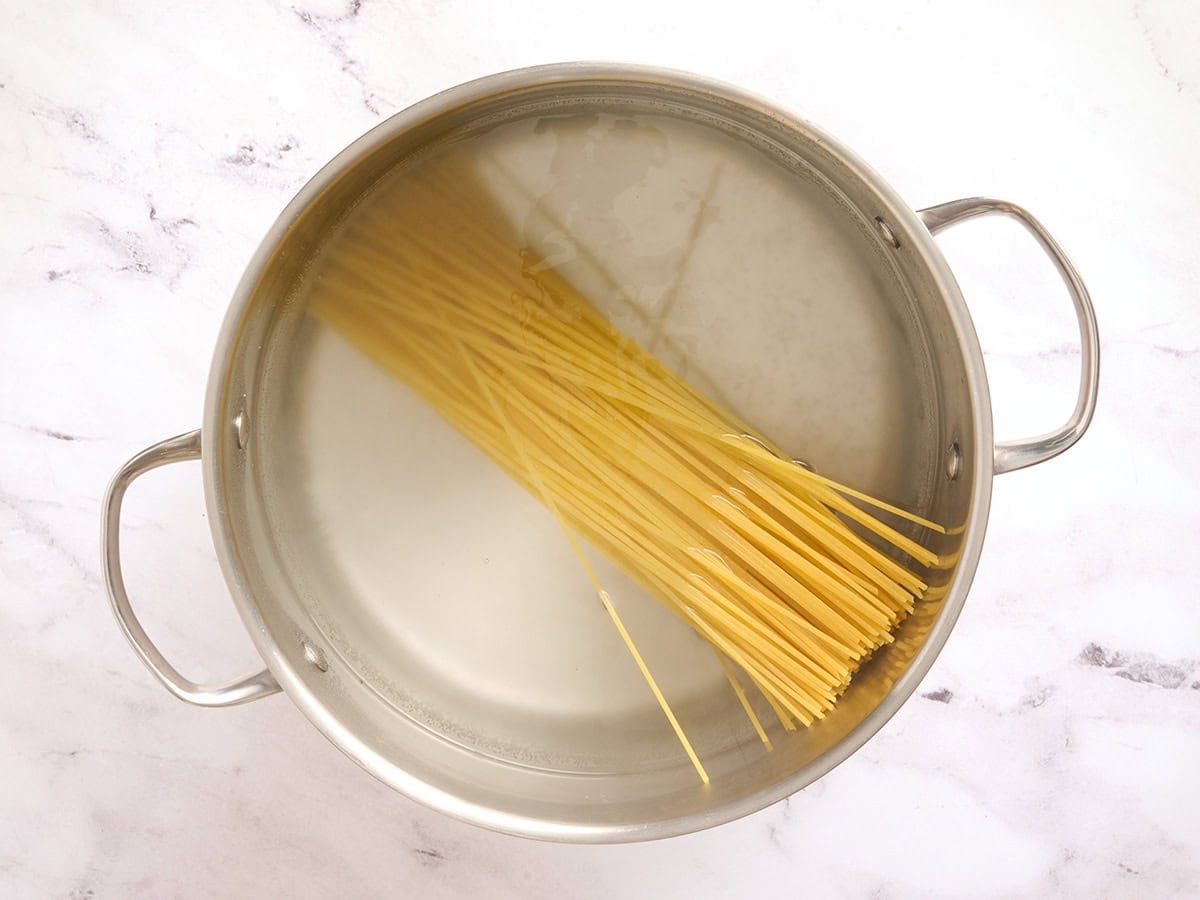
Once the water is bubbling, the spaghetti is added. The goal here is "al dente"—tender to the bite but with a firm center. Because the noodles will be subjected to a cooling process, they must not be overcooked.
Phase 3: The Cooling Process (17–20 minutes)
This is the most critical step. Upon draining, the pasta must be immediately rinsed under cold, running water. This serves two purposes: it stops the residual heat from continuing to cook the starch, and it washes away excess surface starch, preventing the noodles from clumping into a singular, unappealing mass. The noodles should be shaken thoroughly in a colander to ensure they are dry; excess water will dilute the dressing and prevent the sesame oil from clinging to the strands.
Phase 4: Assembly and Chilling
The noodles are tossed with the dressing and vegetables. While the dish can be consumed immediately, a 30-minute stint in the refrigerator allows the pasta to absorb the aromatic oils, resulting in a more cohesive flavor profile.
Supporting Data: Nutritional and Economic Efficiency
For those operating within tight budgetary constraints, the economics of this dish are compelling. With an estimated cost of approximately $1.53 per serving, it offers an accessible path to healthy, plant-forward eating.
Nutritionally, the dish provides a balanced profile for a light meal or a substantial side. A typical serving (approximately two cups) contains roughly 309 kilocalories, with a distribution of 48g of carbohydrates, 9g of protein, and 9g of healthy fats derived primarily from the sesame oil. The inclusion of fresh vegetables contributes 4g of dietary fiber, making it a satiating option for those seeking a "clean" eating experience without the heaviness associated with traditional pasta dishes.
Official Perspectives: The Philosophy of the Nashville Test Kitchen
The recipes featured in this collection are rigorously tested in the Nashville Test Kitchen to ensure they meet three strict criteria: accessibility, affordability, and flavor. Chef Jess Rice, an instructor with extensive international experience, emphasizes that the beauty of this recipe lies in its "refrigerator clearing" potential.
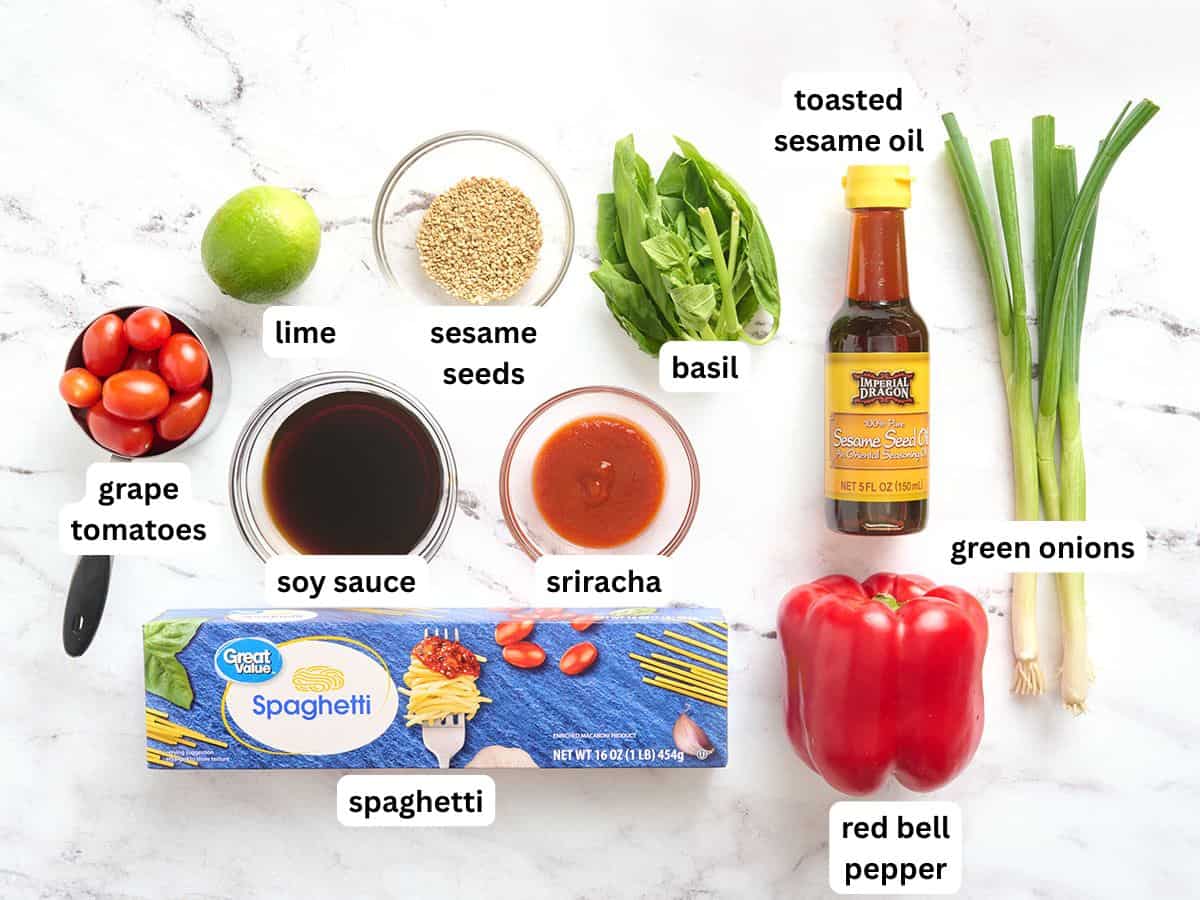
"The goal," says Chef Rice, "is to provide a framework that allows the home cook to feel like a master of their own kitchen." By using spaghetti as a base, the recipe removes the barrier of needing specialized Asian wheat or rice noodles, which are sometimes difficult to locate in standard suburban grocery stores. However, the kitchen staff notes that the recipe is highly versatile; angel hair, whole wheat, or gluten-free noodles can be substituted with minimal adjustment to the cooking time.
Regarding the dressing, the Test Kitchen highlights that the distinction between toasted and regular sesame oil is the single most important variable in the recipe. "If you cannot find toasted sesame oil, you are losing the heart of the dish," they note. While regular sesame oil can be used as a 1:1 substitute in an emergency, the flavor profile will lack the characteristic "roasted" depth that defines the dish.
Implications: The Versatility of Cold Noodle Salads
The implications of mastering this dish extend beyond a single recipe. The Cold Sesame Noodle salad is a prototype for an entire category of meal-prep friendly foods. Because the dish does not rely on delicate, heat-sensitive ingredients, it holds up remarkably well in the refrigerator for up to three days.
Storage and Safety
The primary concern with any cold pasta salad is the absorption of dressing over time. As the pasta sits, it acts as a sponge. When storing, it is advisable to keep an extra lime wedge on hand; a final squeeze of fresh juice before serving can "wake up" the flavors that may have dulled during refrigeration.
From a food safety standpoint, the dish must be handled with care. If served at outdoor events—such as picnics or barbecues—the "two-hour rule" applies strictly. If temperatures exceed 90°F, that window should be reduced to one hour. Because this is a vegetarian dish, it does not carry the same high-risk bacterial profile as meat-based salads, but temperature control remains the key to maintaining texture and freshness.
Culinary Integration
This salad functions effectively as a "bridge" dish. It is substantial enough to act as a primary lunch, yet neutral enough to serve as a companion to heavier proteins. For example, pairing the noodles with teriyaki-glazed chicken kebabs creates a meal that balances the savory, rich notes of the protein with the light, acidic brightness of the cold noodles. It is an ideal solution for summer entertaining, offering a departure from the standard, mayonnaise-heavy potato or pasta salads that dominate cookout menus.
In conclusion, the Cold Sesame Noodle salad represents a perfect intersection of utility and culinary craft. It respects the time-starved nature of the modern cook while rewarding them with a dish that is texturally satisfying, flavor-forward, and economically sound. Whether prepared for a solitary quick lunch or as a centerpiece for a summer gathering, the recipe stands as a testament to the fact that high-quality food is not defined by the complexity of its ingredients, but by the thoughtful application of technique.