In the fast-paced landscape of modern family life, the "dinner dilemma"—the nightly struggle to balance nutritional value, speed, and the notoriously picky palates of children—remains a universal challenge. As home cooks increasingly look for solutions that minimize cleanup while maximizing flavor, one-pan culinary concepts have moved to the forefront of household meal planning. Leading this movement is the emergence of the Chicken and Cashew Curry, a dish that bridges the gap between sophisticated international flavors and accessible, kid-friendly comfort food.
This article explores the rise of this versatile dish, examining why it has become a staple for time-strapped parents, how to perfect its complex flavor profile, and why its structural simplicity is changing the way families approach global cuisine.
The Main Facts: A Culinary Bridge
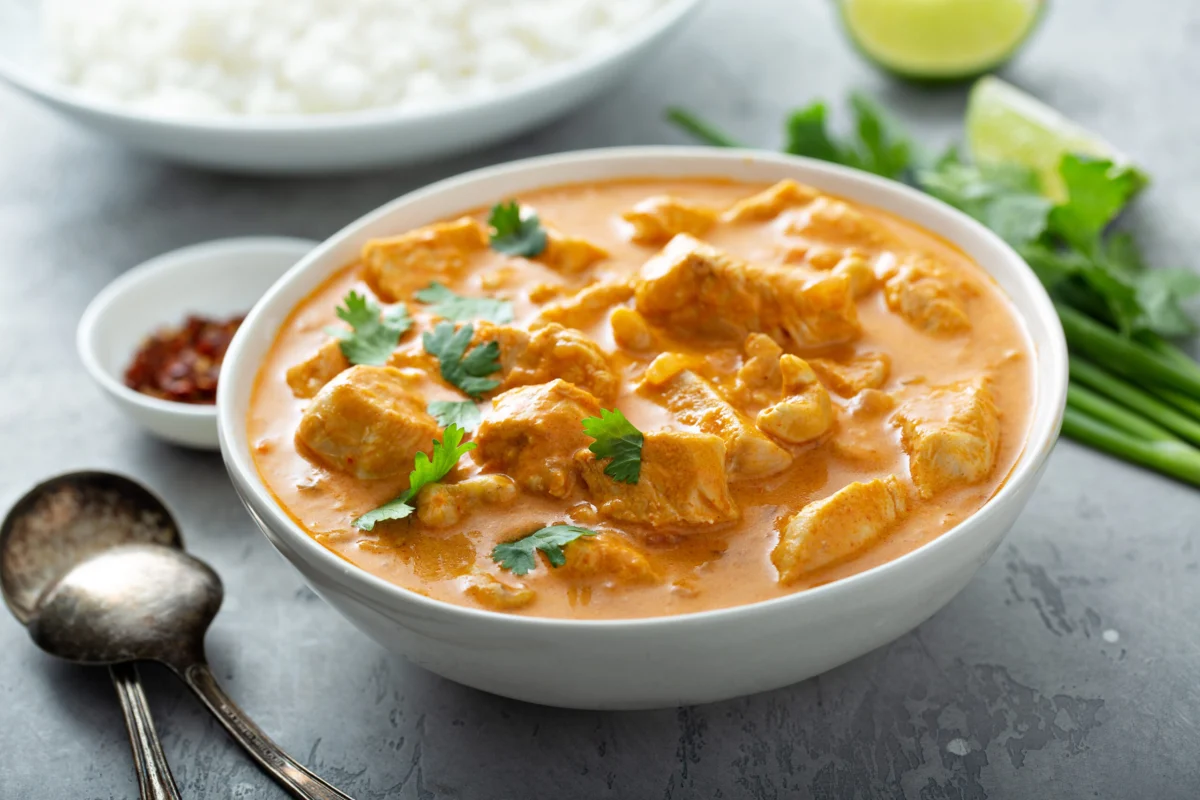
The Chicken and Cashew Curry is defined by a delicate balance of textures and temperatures. At its core, the dish relies on tender pieces of poultry, a velvety base of coconut milk, and the distinct, earthy crunch of toasted cashews. Unlike traditional, high-heat curries that often deter younger diners, this specific iteration prioritizes a "cozy" spice profile—relying on the aromatics of turmeric, cumin, and mild curry powder rather than the aggressive capsaicin found in traditional heat-heavy versions.
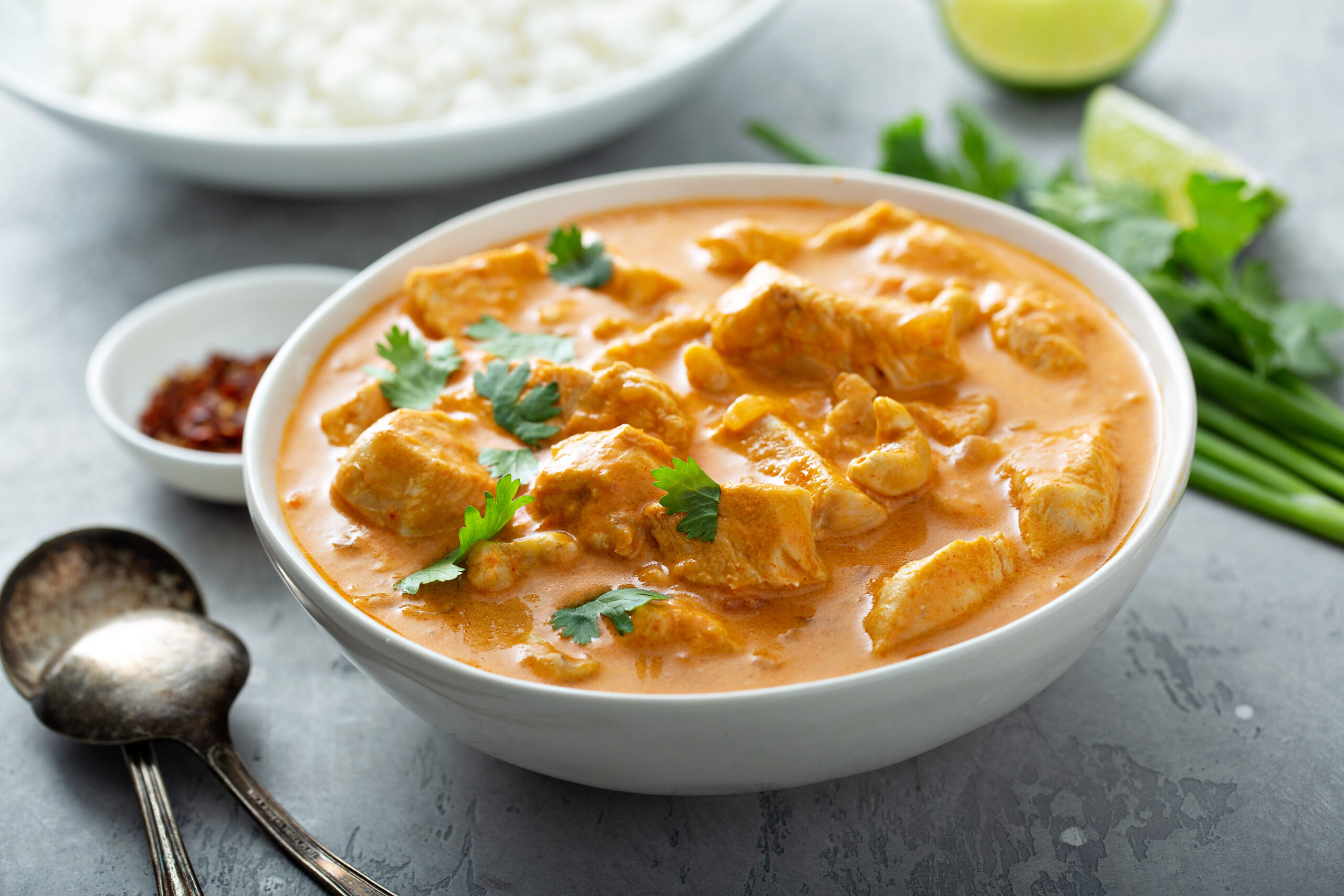
The dish is categorized by its efficiency: it is designed to be prepared in a single pan, significantly reducing the post-meal cleanup that often discourages elaborate cooking on weeknights. By utilizing coconut milk as a foundational ingredient, the recipe achieves a creamy consistency that acts as a natural buffer for spices, making it an ideal "gateway" dish for families looking to introduce children to the nuanced world of Indian-inspired flavors.
A Chronology of the Dish’s Development
The evolution of this meal can be traced through the shift toward "functional comfort food."
- Initial Concept (The Need for Speed): The origins of this modern recipe lie in the need to condense traditional, multi-step curry preparations into a single-vessel format. By browning the chicken first and then simmering it within the sauce, the flavor profile develops through reduction rather than hours of slow braising.
- Refinement of Texture: The inclusion of cashews was not merely for flavor; it addressed a culinary necessity for contrasting textures. As the coconut milk creates a smooth, uniform sauce, the addition of the nuts provides a necessary tactile experience, distinguishing the meal from standard stews.
- Mainstream Adoption: In recent years, as parents have sought healthier alternatives to takeout, the recipe has been optimized for household pantries. The shift toward using staple spices—curry powder, cumin, and turmeric—means that the dish requires no rare, difficult-to-source ingredients, facilitating its adoption across a wide demographic of home cooks.
Supporting Data: Why It Works
From a nutritional and sensory perspective, the success of the Chicken and Cashew Curry is backed by several key culinary principles:
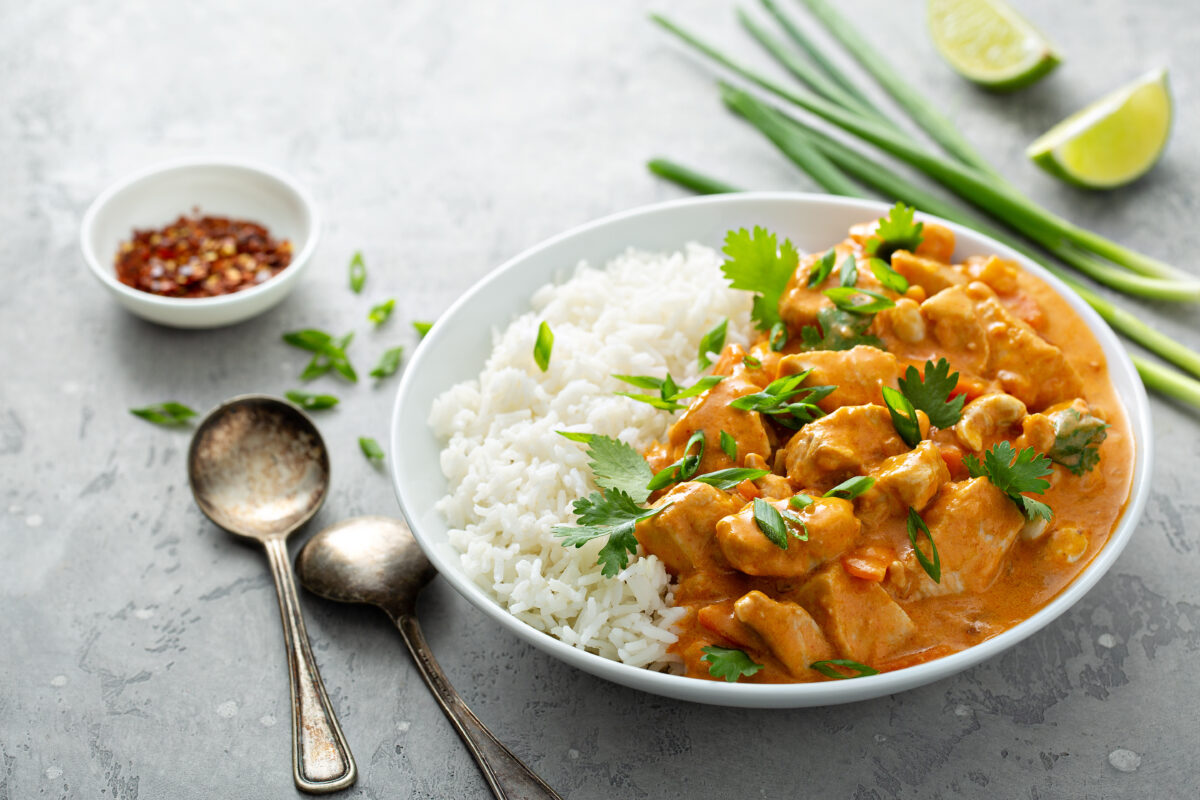
- Emulsification and Creaminess: The use of full-fat coconut milk provides a high satiety factor, which keeps families fuller for longer. The fat content in the milk also serves as a carrier for the fat-soluble vitamins found in the turmeric and curry spices, increasing the body’s ability to absorb the nutritional benefits of these anti-inflammatory ingredients.
- Aromatic Toasting: Culinary science confirms that toasting dry spices (turmeric, cumin, curry powder) in a pan before adding liquid—a process known as "blooming"—releases essential oils that are otherwise trapped. This creates a depth of flavor that is typically absent in amateur, "dump-and-simmer" recipes.
- Protein and Fiber Balance: By incorporating optional vegetables such as broccoli, cauliflower, or sweet potatoes, the dish transitions from a simple protein-based meal to a nutritionally dense "whole-plate" dinner, hitting the essential marks for fiber and micronutrient intake.
Expert Perspectives: Tips for the Home Kitchen
Professional chefs and culinary educators often emphasize that the success of a simple curry lies in the technique rather than the ingredient list. To elevate the Chicken and Cashew Curry, consider the following best practices:
- The "Sear and Reserve" Method: To avoid rubbery or overcooked chicken, it is vital to brown the protein quickly and remove it from the heat. Allowing it to finish cooking in the simmering sauce ensures that the meat remains tender and absorbs the aromatic base of the curry.
- The Acid Balance: The inclusion of fresh lime juice at the final stage of cooking is not optional—it is a chemical necessity. The acidity cuts through the richness of the coconut milk, preventing the palate from experiencing "flavor fatigue" and brightening the overall dish.
- The Crunch Factor: Adding the cashews at the very end of the cooking process ensures they maintain their structural integrity. When added too early, they soften, losing the contrast that makes the dish unique.
Implications: Changing the Family Dinner Landscape
The rise of this specific curry recipe signifies a broader trend in domestic life: the "de-mystification" of global flavors. By presenting curry in a format that is mild, visually familiar, and adaptable, families are finding that they can break out of the "pasta-and-taco" cycle without causing friction at the dinner table.
Flexibility and Customization
One of the most significant implications of this recipe’s design is its inherent flexibility. Because the sauce acts as a neutral, creamy canvas, it is easily modified:
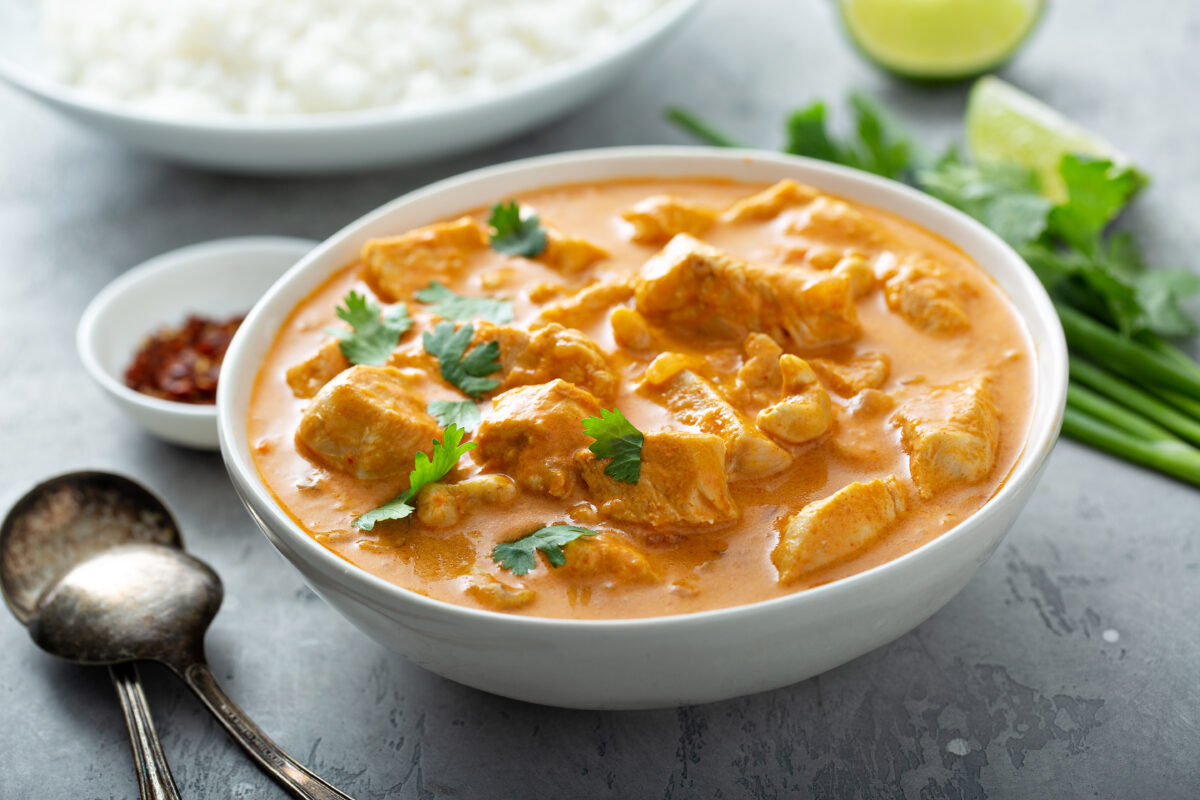
- For the Health-Conscious: Increasing the vegetable-to-meat ratio allows for a lighter meal.
- For the Vegan/Vegetarian: Replacing the chicken with chickpeas or firm tofu maintains the structural integrity of the dish while pivoting to plant-based protein.
- For the Spice Seekers: The base recipe serves as a foundation; individual diners can add heat via fresh jalapeños or chili flakes at the table, ensuring that the "base" version remains accessible to children while remaining satisfying for adults.
Storage and Meal Prep Efficiency
In a post-pandemic world, the ability to "cook once, eat twice" is a critical requirement for busy households. The Chicken and Cashew Curry is uniquely suited for this lifestyle. The sauce actually benefits from sitting in the refrigerator, as the proteins in the coconut milk and the spice compounds have more time to integrate.
When reheating, adding a small splash of broth or water can restore the sauce’s original, silky consistency. Furthermore, the dish is highly freezable, provided the cashews are added fresh upon reheating to ensure they don’t become soggy during the thawing process.
Addressing Common Concerns
Many parents often ask about the "spiciness" threshold. The consensus among culinary experts is that the "curry" label is often misunderstood. By utilizing a mild curry powder blend and incorporating honey or coconut sugar, the heat is effectively neutralized, allowing the warmth of the spices to shine without the burn.
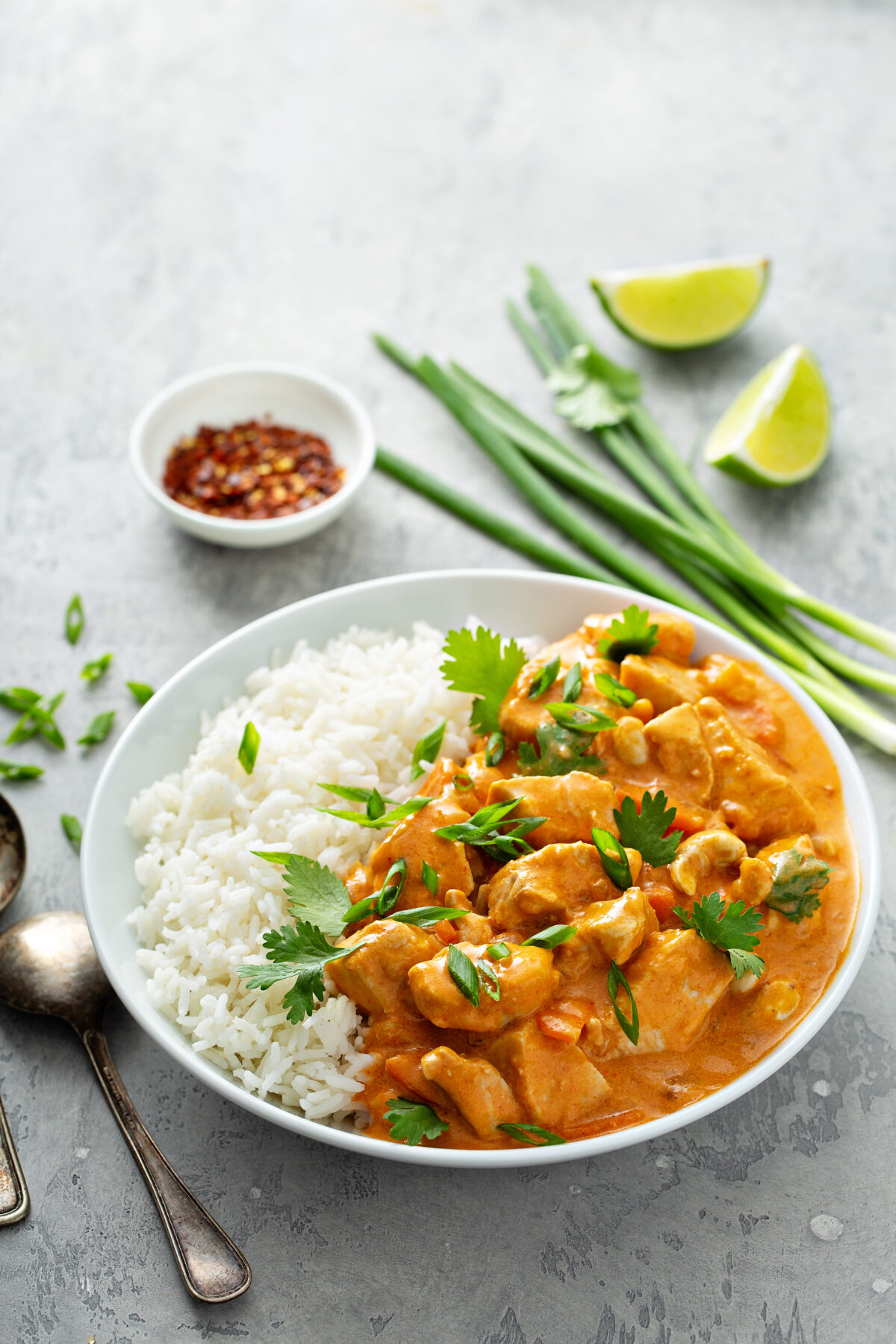
Furthermore, the "too thin/too thick" dilemma is easily solved through patience. A thin sauce is simply a matter of evaporation—simmering the dish uncovered for a few extra minutes will naturally thicken the coconut milk through reduction. Conversely, if the sauce becomes too thick, a simple adjustment with a splash of vegetable or chicken stock will bring it back to the desired consistency.
Conclusion
The Chicken and Cashew Curry stands as a testament to the fact that dinner does not need to be overly complex to be impressive. By combining the efficiency of a one-pan cooking method with the robust, comforting flavors of coconut and warm spices, it provides a solution that satisfies both the need for speed and the desire for quality.
As we look toward the future of home cooking, the emphasis will continue to lean toward dishes that are adaptable, nutritious, and capable of bringing the whole family together—regardless of age or taste preferences. Whether you are adding fresh mango for a tropical twist or extra broccoli for a fiber boost, this recipe offers a reliable framework for culinary exploration in the comfort of your own home. It is, quite simply, a modern classic for the modern family.