In kitchens across the globe, the corn tortilla stands as a testament to the enduring power of simplicity. A staple of Mesoamerican heritage for millennia, the humble disc of nixtamalized corn has transcended its origins to become a global kitchen essential. While many home cooks associate the corn tortilla exclusively with the standard Tuesday night taco, the reality is far more expansive. From the crisp, structural integrity of a baked tostada to the comforting, sauce-soaked layers of Enchiladas Suizas, the corn tortilla is perhaps the most versatile ingredient in the pantry.
This report explores the culinary landscape of the corn tortilla, examining how this ancient staple can be repurposed into a wide array of authentic, satisfying, and sophisticated meals. By understanding the techniques—baking, frying, and layering—home cooks can unlock the full potential of that half-empty package sitting in the back of the refrigerator.
The Foundation: Understanding the Nixtamalized Tortilla
To appreciate the culinary utility of the corn tortilla, one must first respect its composition. Made from corn that has undergone nixtamalization—a process of soaking and cooking in an alkaline solution—the resulting masa provides a distinct, nutty flavor and a texture that can withstand varied thermal treatments. Whether it is being flash-fried for chilaquiles or baked into a shell, the structural integrity of the tortilla is defined by its moisture content and the quality of the masa.
Chronology of Usage: From Pantry Staple to Gourmet Dish
The evolution of the corn tortilla in the modern home kitchen generally follows a specific trajectory. Upon purchase, tortillas are soft, flexible, and ready for steaming or light toasting. As the days progress and the moisture evaporates, the tortillas become stiffer—a state that actually makes them superior for certain applications, such as frying or baking into chips.
Phase 1: The Fresh Soft Taco
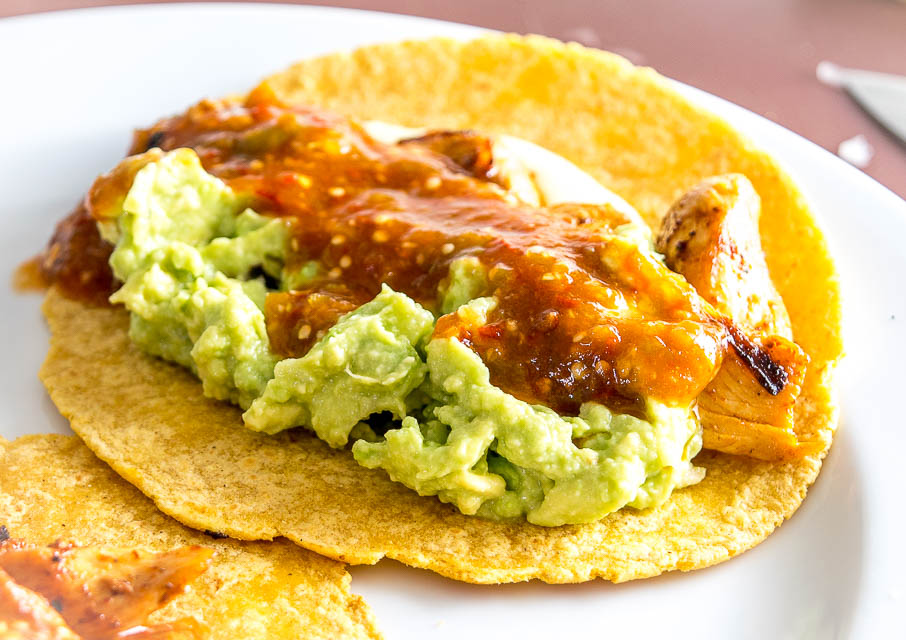
When fresh, the tortilla is the ultimate vessel. The Easy Chicken Taco serves as the gold standard for this phase. By layering warm, pliable tortillas with high-quality protein—such as seasoned chicken—fresh guacamole, crumbles of salty cheese, and a vibrant, homemade salsa, the cook honors the simplicity of the ingredient. It is a dish that relies on the harmony of fresh components.
Phase 2: The Transition to Crispy
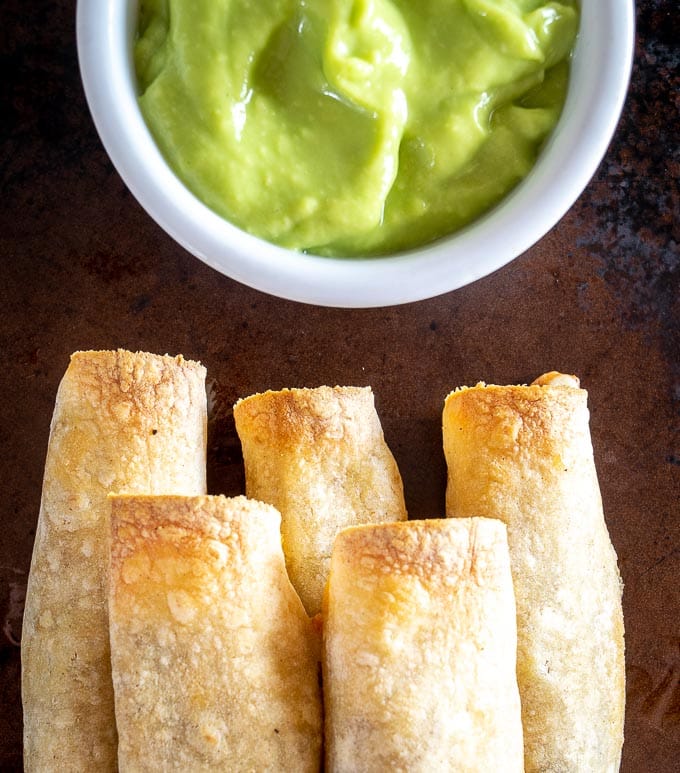
As the tortilla ages, it becomes less suited for folding and more suited for structural transformation. This is where the home cook can pivot to Spicy Beef Taquitos. While traditionally deep-fried to achieve a golden, shatter-crisp exterior, modern iterations prove that baking these rolls produces an equally satisfying crunch with a fraction of the oil. This phase represents a transition from "soft wrapper" to "functional component."
Phase 3: The Rehydration Phase
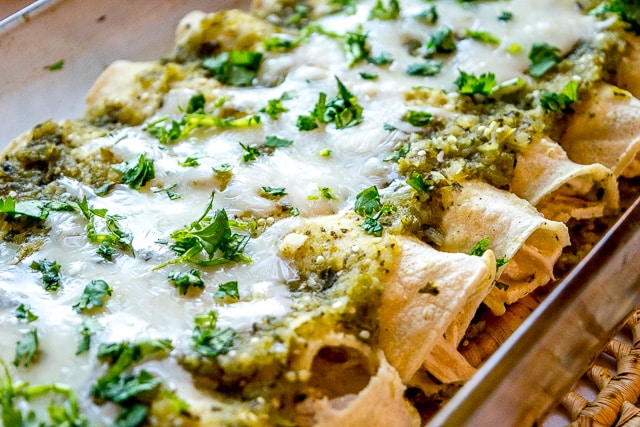
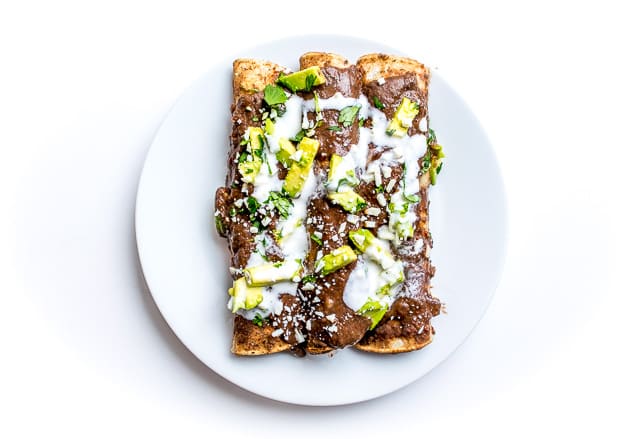
When the tortilla reaches the end of its life as a soft wrapper, it is not destined for the bin. It is ready to be rehydrated and transformed through sauces. Enchiladas Suizas and Entomatadas exemplify this. By bathing the tortillas in creamy green sauces or tangy roasted tomato bases, the tortilla softens into a tender, flavor-absorbent layer. This process is essential to traditional Mexican comfort food, turning stale ingredients into a decadent, cohesive meal.
Supporting Data: Culinary Applications and Techniques
The following table summarizes the primary methods for utilizing corn tortillas based on their state of freshness and desired texture:
| Technique | Ideal Tortilla State | Resulting Dish |
|---|---|---|
| Steaming/Light Toasting | Fresh/Soft | Tacos, Quesadillas |
| Baking (Oil-brushed) | Medium/Stiff | Tostadas, Chips |
| Shallow Frying | Stiff/Dry | Chilaquiles, Migas, Strips |
| Sauce Immersion | Stiff/Dry | Enchiladas, Enfrijoladas |
The Art of the Tostada
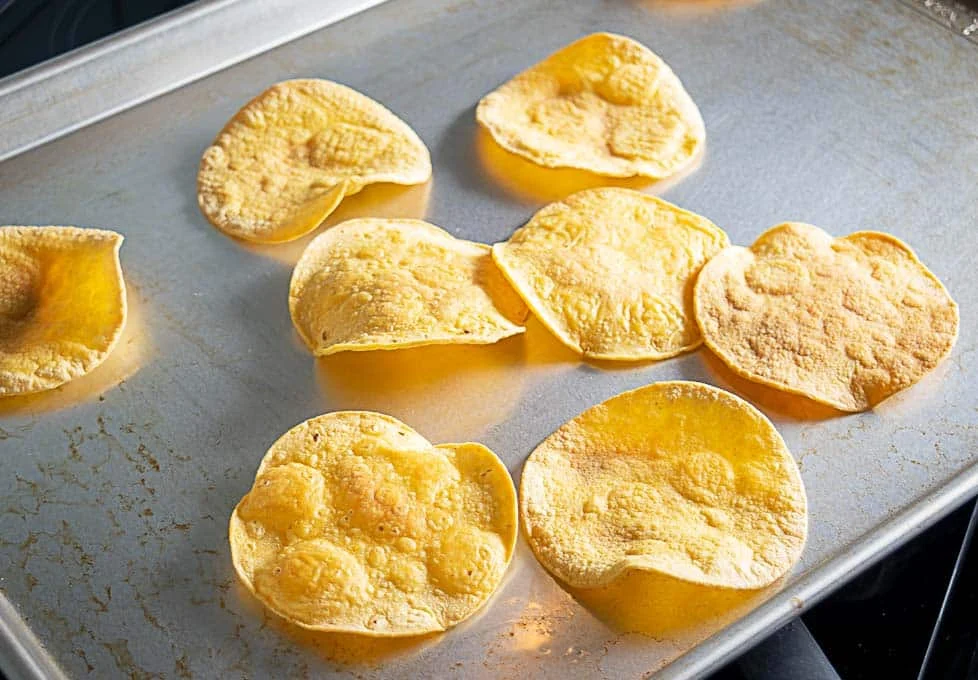
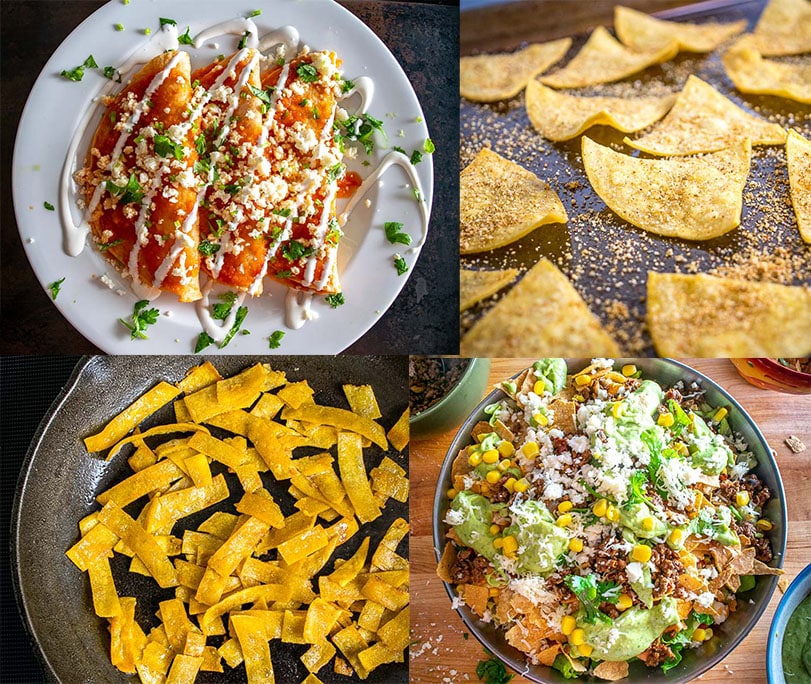
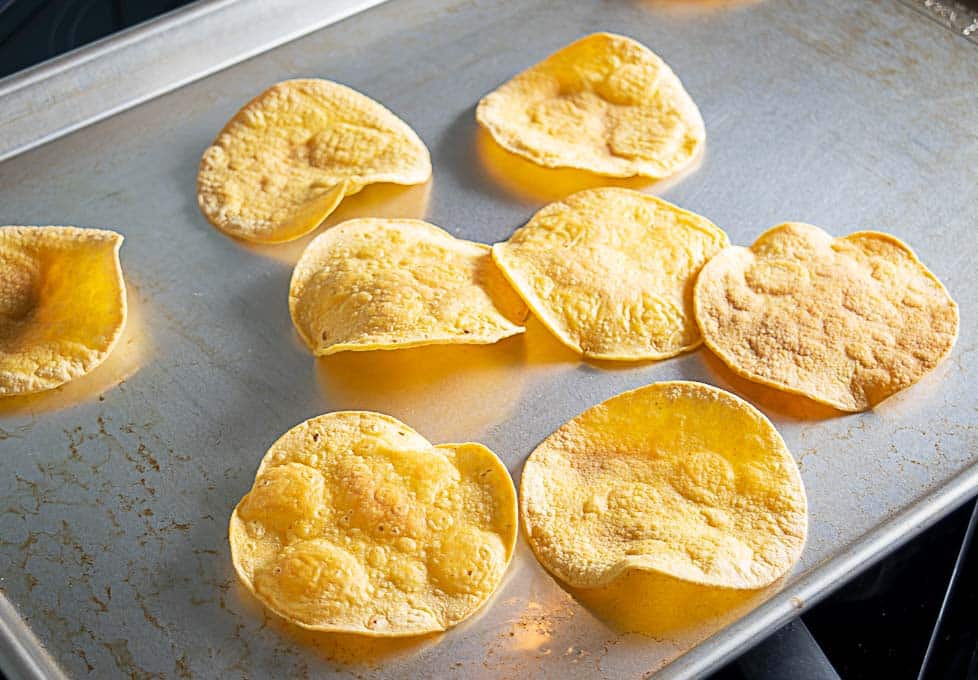
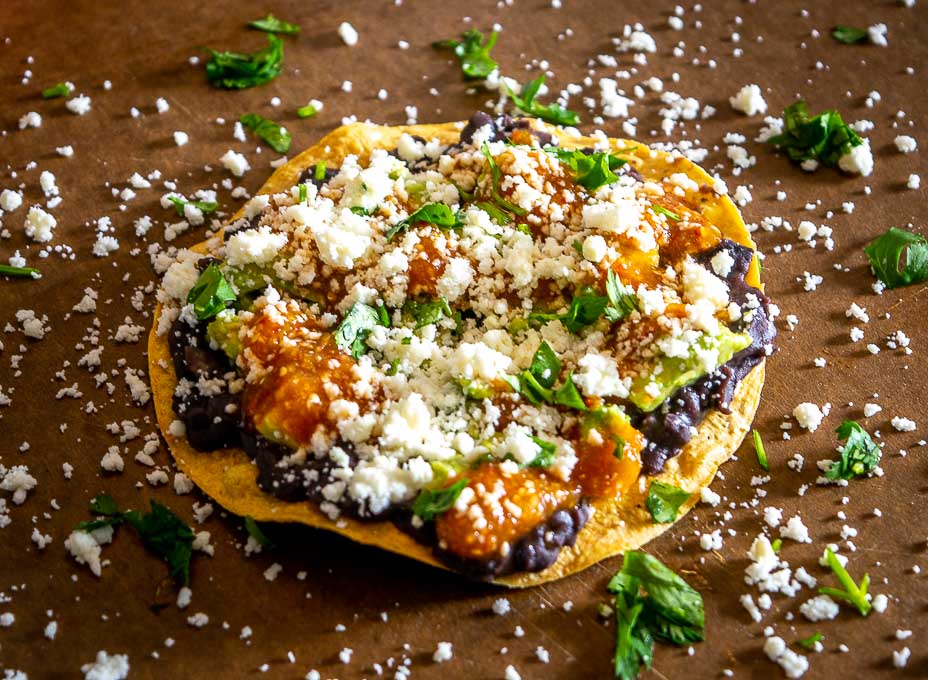
One of the most effective ways to combat food waste is the Baked Tostada Shell. By brushing both sides of an older tortilla with a light coating of oil and baking at 400°F (approx. 200°C) for 4–5 minutes per side, one achieves a rigid, flavorful base. Unlike mass-produced hard shells, these homemade versions offer a superior ratio of filling to corn, allowing for generous portions of beans, queso fresco, and avocado.
The "Quick-n-Lazy" Frying Method
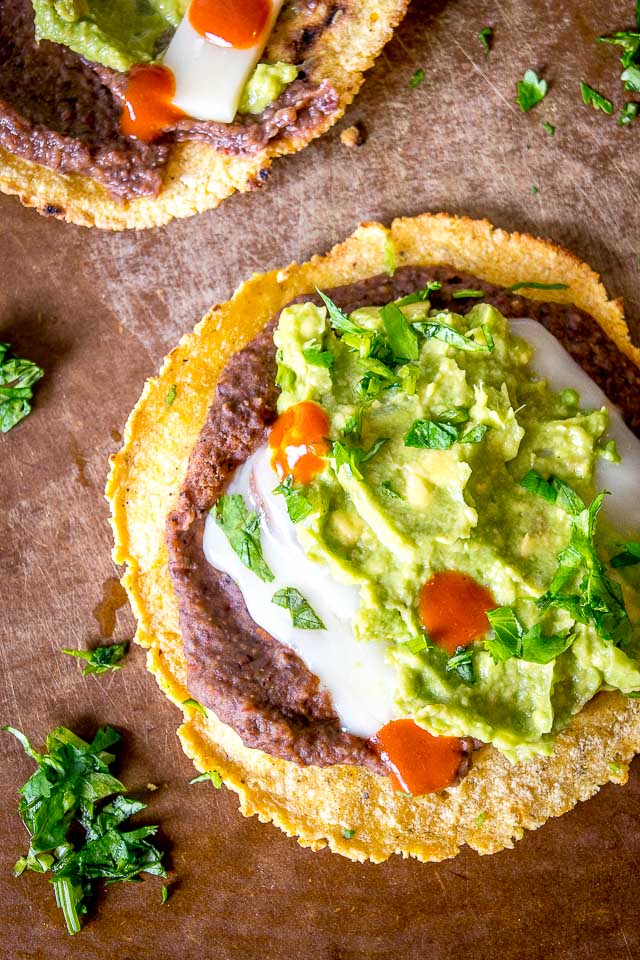
For those seeking a more robust flavor profile, shallow frying in a skillet remains the superior method. By adding a thin layer of oil to a pan and browning the tortillas until they develop dark, crispy spots, the cook imparts a deep, nutty flavor that cannot be replicated by baking. This technique is essential for Black Bean and Guacamole Tostadas or the breakfast classic, Migas, where the crispy strips are tossed with eggs and salsa to create a textural masterpiece.
Official Perspectives: The Chef’s Approach to Versatility
Expert chefs and home-cooking advocates consistently emphasize that the "rules" of the tortilla are merely suggestions. The consensus among culinary enthusiasts is that the tortilla is a blank canvas.
"The most important thing is to stop viewing the tortilla as a limited tool," says one industry expert. "When you stop viewing it as just a taco wrapper, you start to see it as a component of texture. Whether it’s the crunch in a Vegetarian Tortilla Soup or the soft, velvety bite of an Enfrijolada, the ingredient remains the same, but the experience is entirely different."
Implications for the Home Kitchen
The adoption of these diverse preparation methods has significant implications for both the household economy and nutritional intake.
- Waste Reduction: By repurposing tortillas that are no longer suitable for tacos into chips, tostadas, or soup garnishes, households can significantly reduce their food waste.
- Cost-Efficiency: Corn tortillas are an incredibly inexpensive protein-delivery system. Utilizing them as a base for vegetarian meals like Bean Tostadas or Entomatadas lowers the cost-per-serving of dinner substantially.
- Culinary Creativity: Transitioning from "Taco Tuesday" to a broader repertoire of Mexican-inspired dishes encourages home cooks to experiment with homemade salsas, different types of cheeses, and varied protein sources, thereby expanding their overall cooking repertoire.
Embracing the Breakfast Potential
Often overlooked is the role of the corn tortilla in the morning. Chilaquiles, a dish that utilizes fried tortilla chips simmered briefly in a tomatillo-chipotle salsa, represents the pinnacle of "use-it-up" cooking. It is a hearty, complex breakfast that demonstrates how the corn tortilla acts as a bridge between the previous night’s dinner and the next morning’s nourishment.
Conclusion: The Infinite Supply
The corn tortilla is more than a convenience item; it is a fundamental element of a resilient kitchen. Whether one is creating a simple stack of Mini Pico Quesadillas to accompany a soup or laboring over a pan of Enchiladas Suizas, the result is a testament to the ingenuity of using simple, high-quality ingredients.
As home cooks continue to look for ways to make meals that are both economical and deeply satisfying, the corn tortilla remains a beacon of possibility. The next time you find yourself with a half-empty package, do not despair. Instead, view it as an invitation to experiment, to fry, to bake, and to transform. After all, when it comes to the humble corn tortilla, the possibilities are limited only by the imagination of the person holding the spatula.
By integrating these 14 distinct approaches—ranging from the standard taco to the sophisticated breakfast Migas—the home cook ensures that no tortilla is ever wasted, and that every meal is an opportunity to explore the rich, vibrant flavors of a tradition that has stood the test of time.