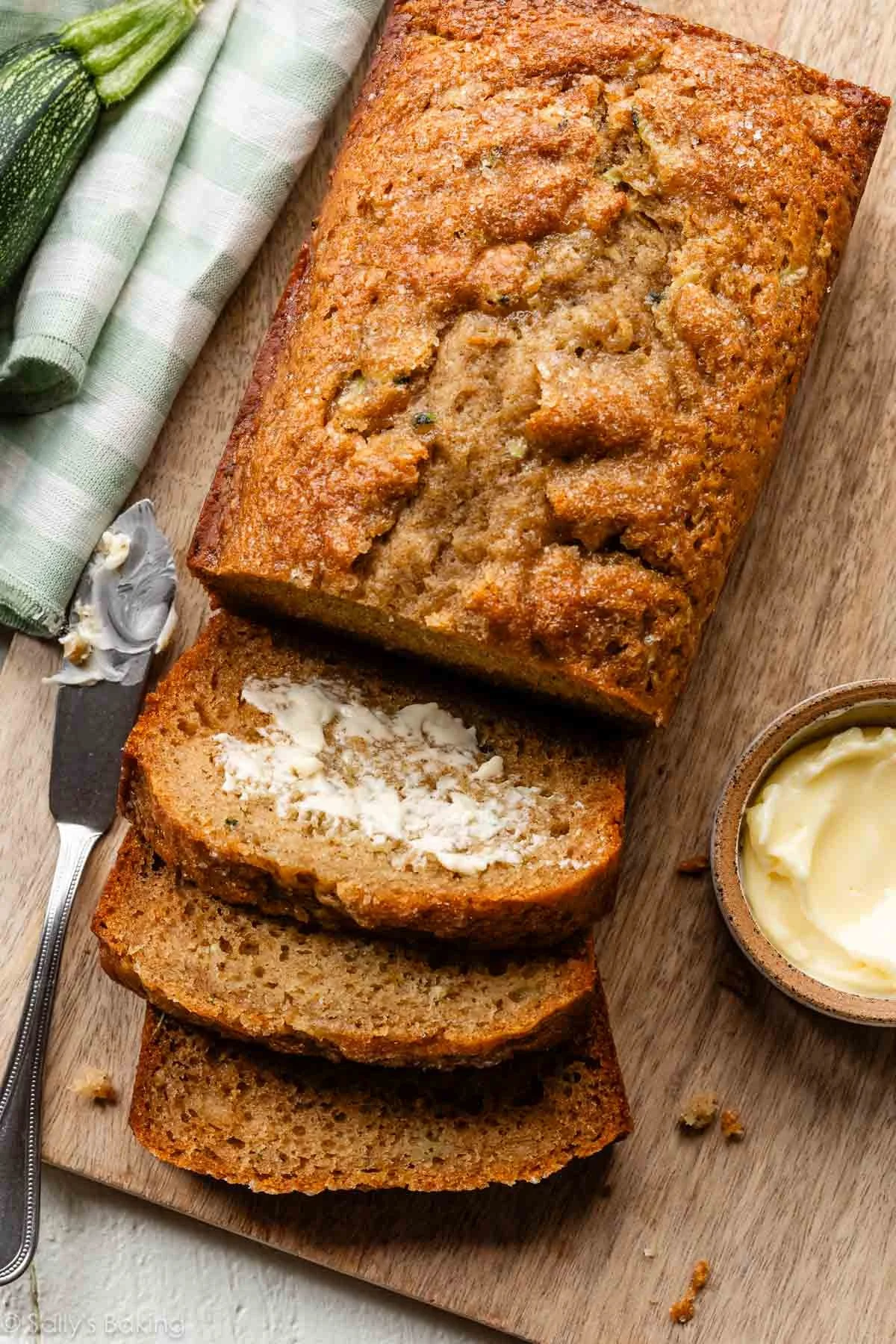
In the pantheon of seasonal baking, few challenges are as iconic as the annual summer zucchini surplus. As gardens reach their peak productivity, home cooks often find themselves staring at a mountain of green squash, wondering how to best preserve the harvest. Enter the Greek Yogurt Zucchini Bread—a recipe that has transcended the status of a simple kitchen experiment to become a cornerstone of modern, wholesome home baking. First introduced to the culinary canon by baking enthusiasts in 2015, this specific iteration has been refined over nearly a decade, proving that the marriage of garden-fresh vegetables and creamy, protein-rich dairy is more than just a trend; it is a masterclass in texture and nutrition.
The Core Anatomy: Why This Recipe Endures
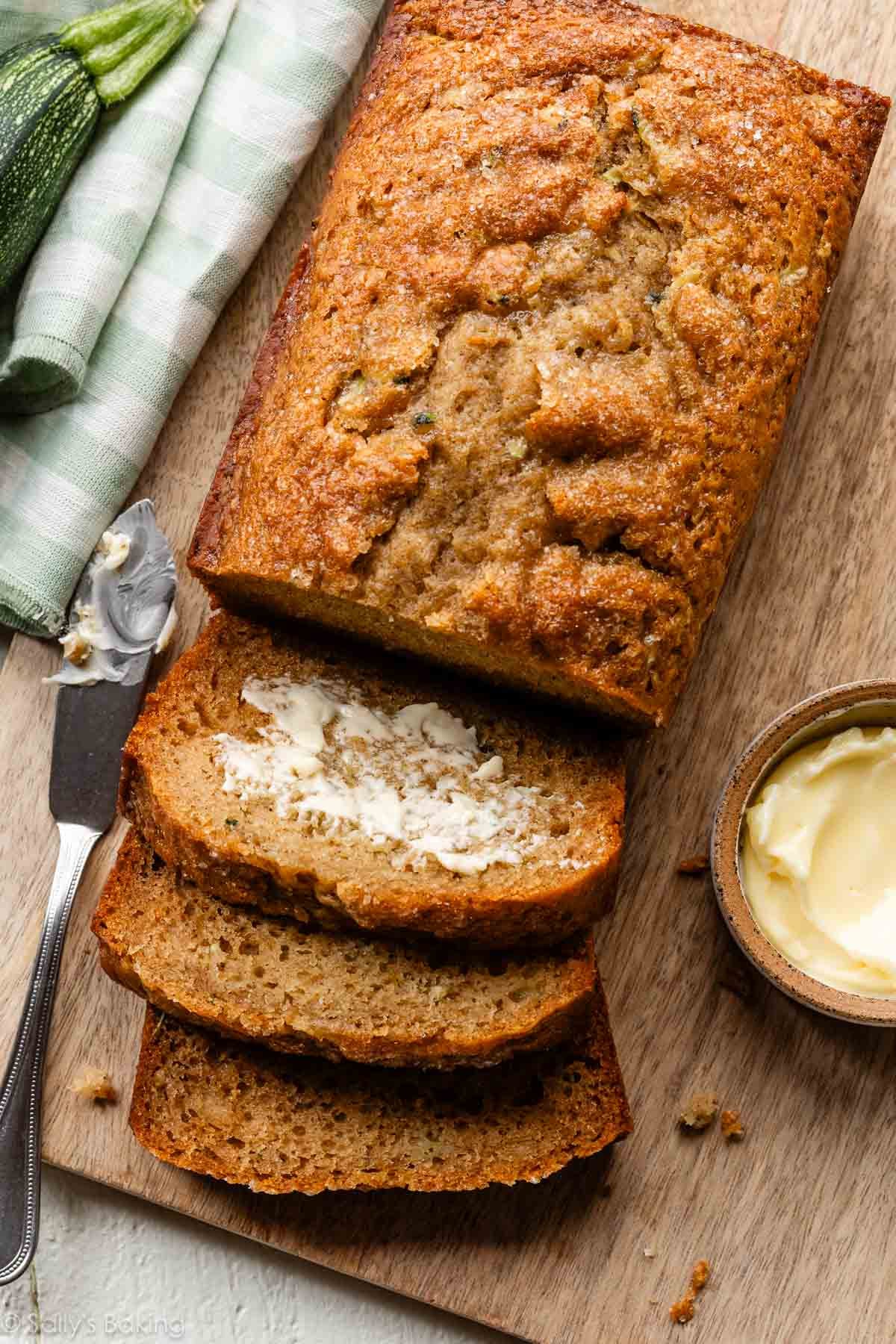
At its heart, the appeal of this bread lies in its structural integrity. Traditional quick breads often suffer from one of two fates: they are either excessively dry or overly oily. By incorporating Greek yogurt, this recipe replaces a portion of traditional fats while simultaneously introducing a tang and moisture content that standard recipes struggle to replicate.
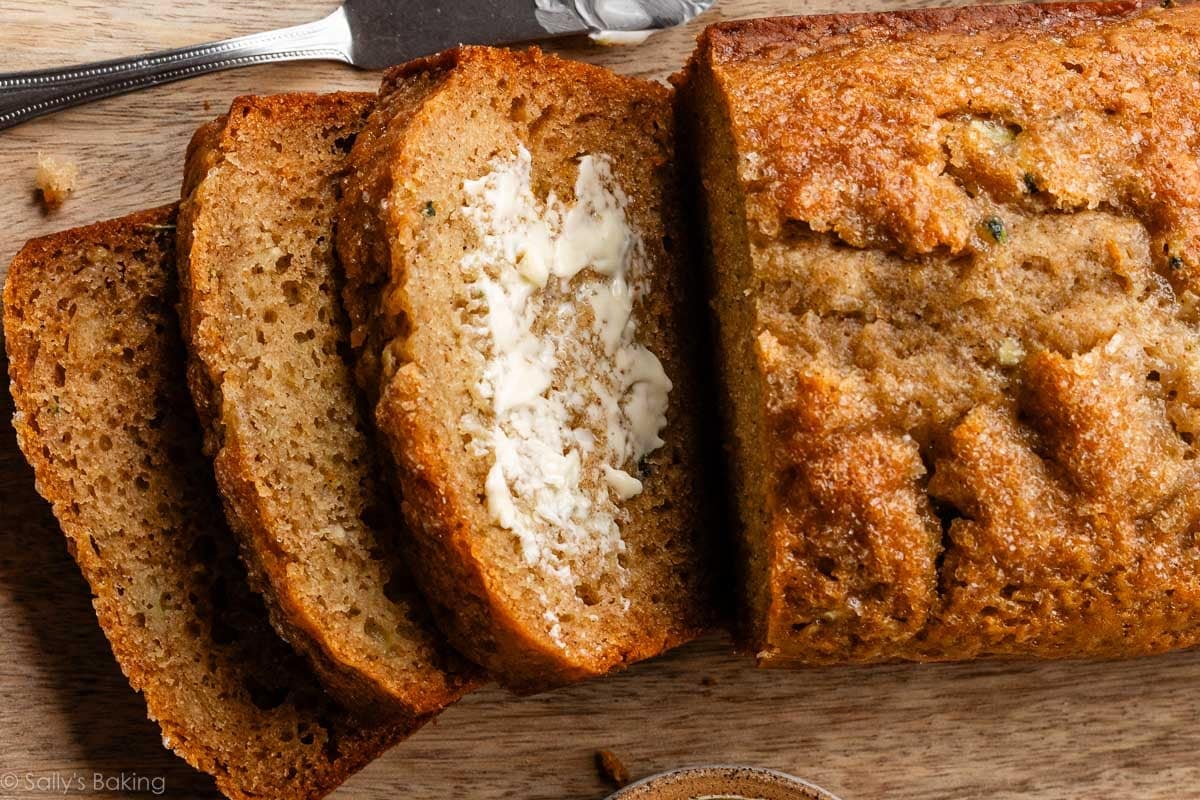
The use of honey as a natural sweetener serves a dual purpose: it offers a nuanced, floral sweetness that pairs elegantly with the earthiness of grated zucchini, and it acts as a humectant, drawing moisture into the crumb to ensure the loaf stays fresh for days. The result is a tender, deeply satisfying loaf that bridges the gap between a breakfast staple and an afternoon treat.
A Chronology of a Culinary Favorite
The journey of this recipe began in 2015, a period defined by a growing public interest in "cleaner" baking alternatives. As health-conscious consumers sought to move away from processed sugars and refined additives, the concept of utilizing Greek yogurt—a staple of the Mediterranean diet—as a baking agent gained significant traction.
- 2015: The Origin: The initial recipe was launched, focusing on the reduction of white sugar and the utilization of fresh produce. It was immediately lauded for its simplicity, requiring no electric mixers and minimal cleanup.
- 2016–2020: The Adaptation Era: During this period, the recipe saw widespread community adoption. Readers began sharing their own modifications, transforming the base loaf into everything from breakfast muffins to decadent snacks enhanced with chocolate chips.
- 2024–Present: The Refinement: Recent updates have focused on technique, specifically regarding the "science of the crumb." Expert bakers have introduced tips on using room-temperature ingredients and specific pan dimensions to ensure that the bread achieves the perfect domed aesthetic without sacrificing the moisture that defines it.
Supporting Data: The Science of the Ingredients
To understand why this recipe works, one must look at the interplay of its primary components.
1. The Zucchini Factor
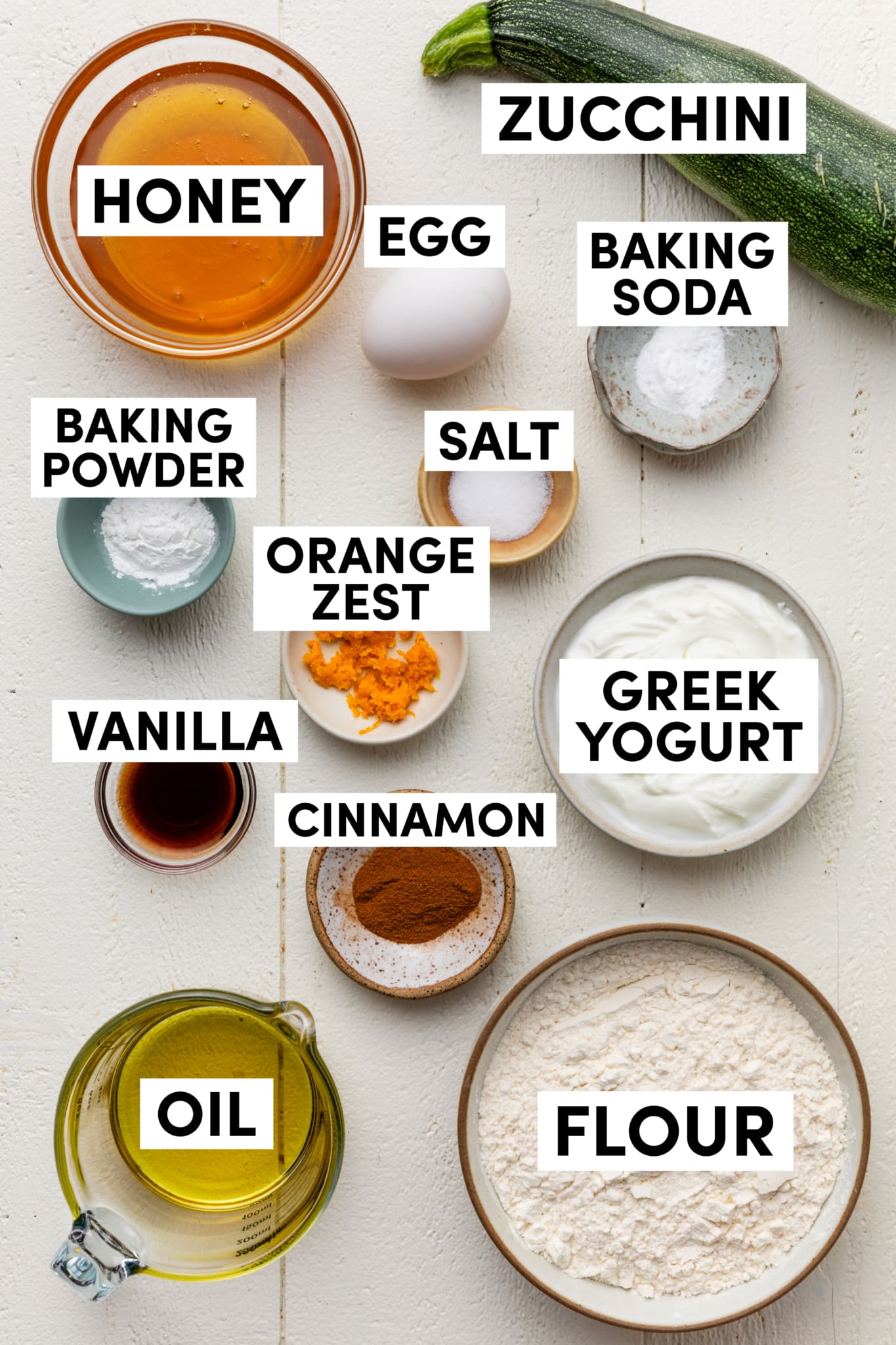
Zucchini is roughly 95% water. When grated, it releases this moisture during the baking process, effectively steaming the bread from the inside out. This makes the loaf incredibly forgiving. However, the preparation of the vegetable is paramount. For families with "vegetable-hesitant" eaters, peeling the zucchini before grating eliminates the tell-tale green flecks, allowing the nutrition of the squash to hide in plain sight.
2. The Role of Greek Yogurt
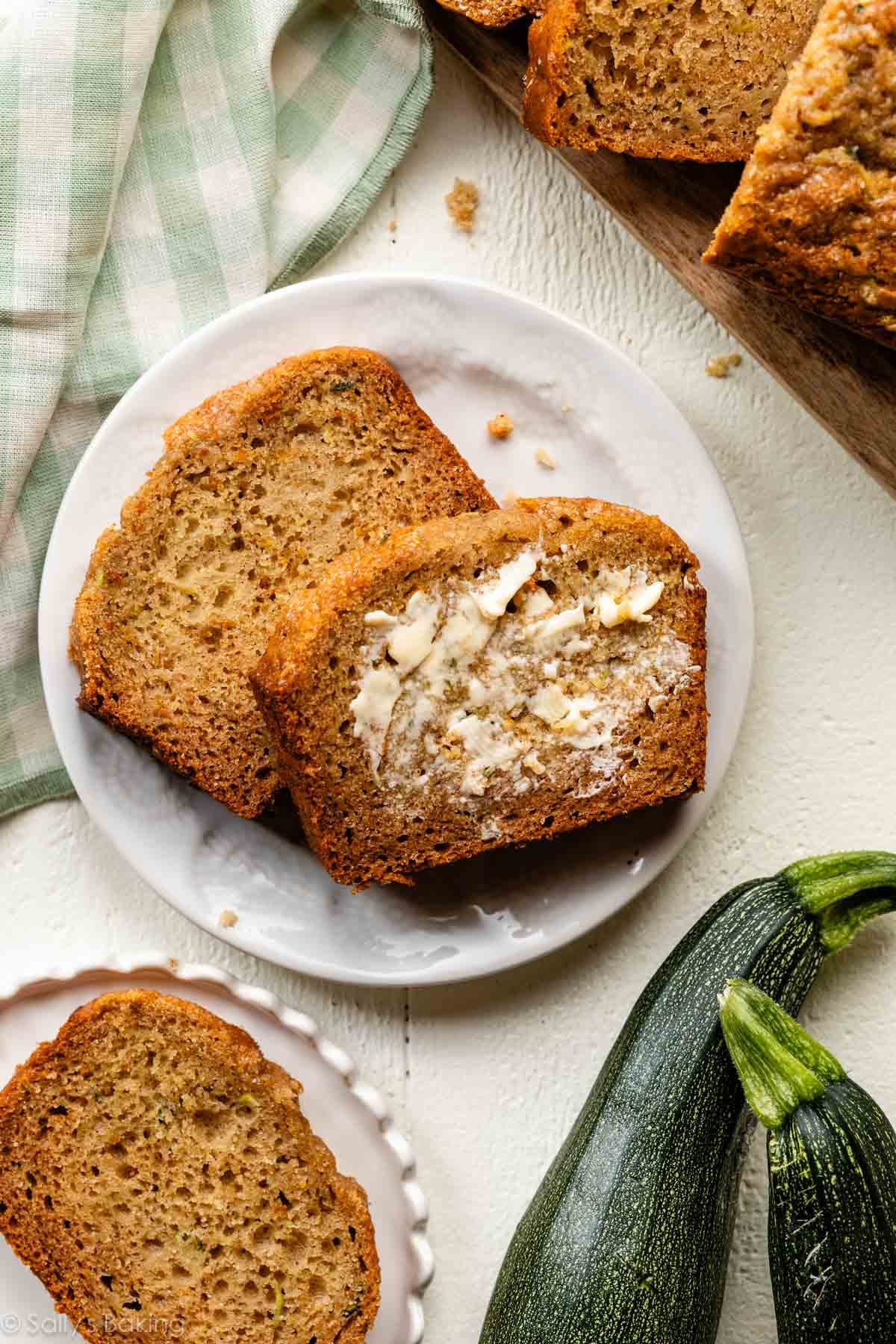
Greek yogurt is a concentrated source of protein and probiotics, but in baking, its acidity is the secret weapon. When it reacts with baking soda, it creates a lift that results in a light, airy crumb. This is particularly important when using honey, which is heavier than granulated sugar; the yogurt provides the necessary chemical reaction to keep the bread from becoming dense.
3. The Power of Room Temperature Ingredients
Perhaps the most significant professional tip shared by experts is the insistence on room-temperature ingredients. When eggs and yogurt are cold, the fats in the batter tend to seize, preventing the emulsion required for a uniform texture. By allowing ingredients to reach room temperature, the batter emulsifies perfectly, leading to a consistent rise and a superior final product.
Reader Testimonials and Community Impact
The cultural footprint of this bread is best measured by those who bake it. In the digital age, a recipe’s success is often validated by the feedback loop of the home-baking community.
"These are excellent," writes Ashley, a home baker. "I peeled the zucchini before I grated it, and it’s the first time my vegetable-hesitant preschooler has eaten zucchini bread—and he asked for thirds."
This anecdote highlights a recurring theme: the ability of this recipe to normalize vegetable consumption in a format that feels indulgent rather than restrictive. Another long-time user, Val, notes that it remains the "best healthier zucchini bread" she has encountered, underscoring the balance between the "health-conscious" label and the "crave-worthy" taste.
Implications for Future Baking Trends
The endurance of the Greek Yogurt Zucchini Bread suggests a broader shift in home baking. Consumers are increasingly prioritizing "functional" treats—items that provide more than just empty calories. By folding in walnuts for omega-3 fatty acids, or blueberries for antioxidants, the base recipe acts as a canvas for nutritional enhancement.
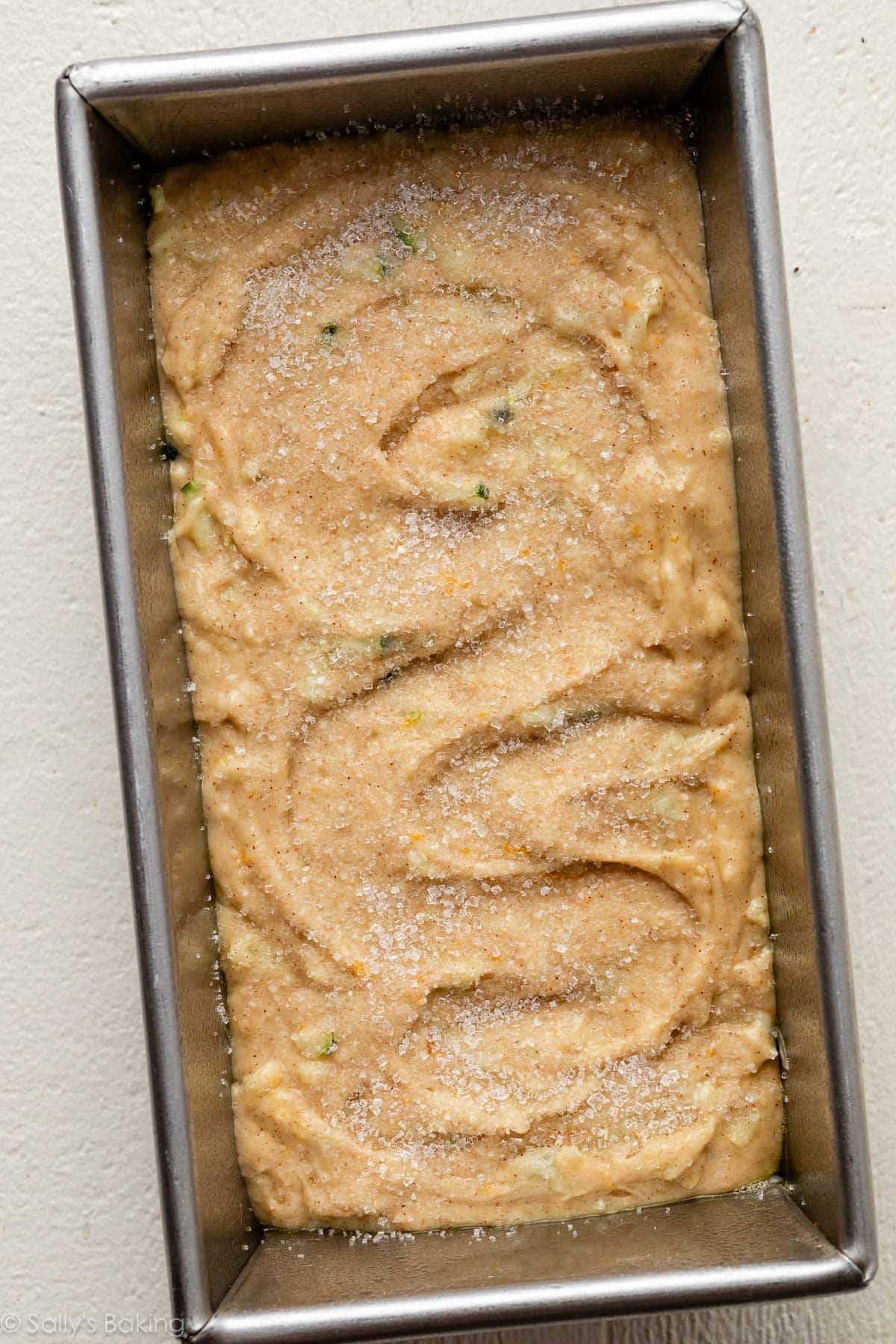
Furthermore, the versatility of the batter—which can be poured into a standard 8.5×4.5-inch loaf pan for a classic slice, or into muffin tins for a portable breakfast—reflects the changing pace of modern life. As professional and personal lives become more fast-paced, recipes that offer multi-purpose applications are highly valued.
Pro-Tips for the Perfect Loaf
For those looking to replicate the results seen in professional test kitchens, consider the following:
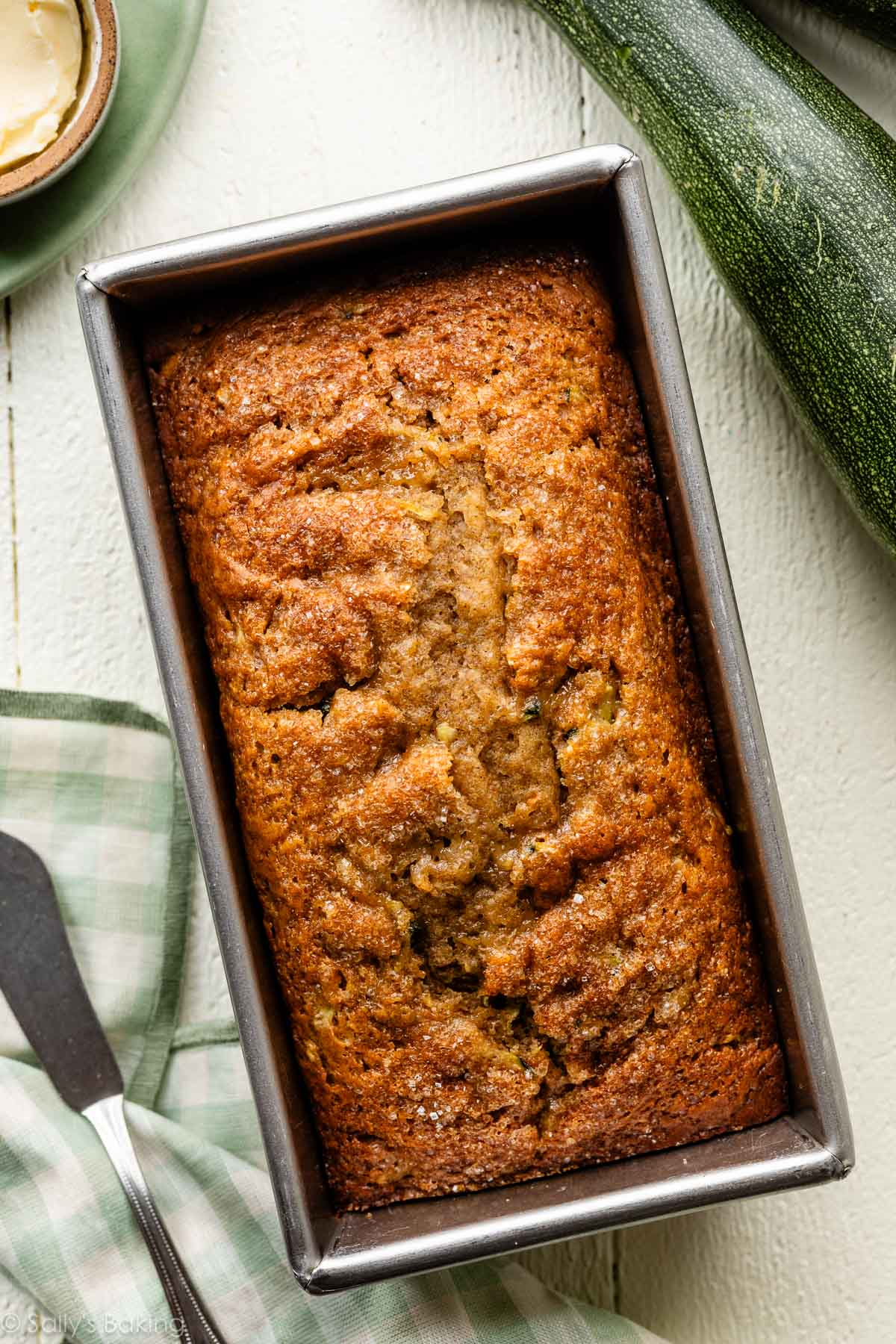
- The Pan Choice: Stick to the 8.5×4.5-inch loaf pan. A larger 9×5-inch pan may result in a wider, thinner loaf that risks drying out before the center is fully cooked.
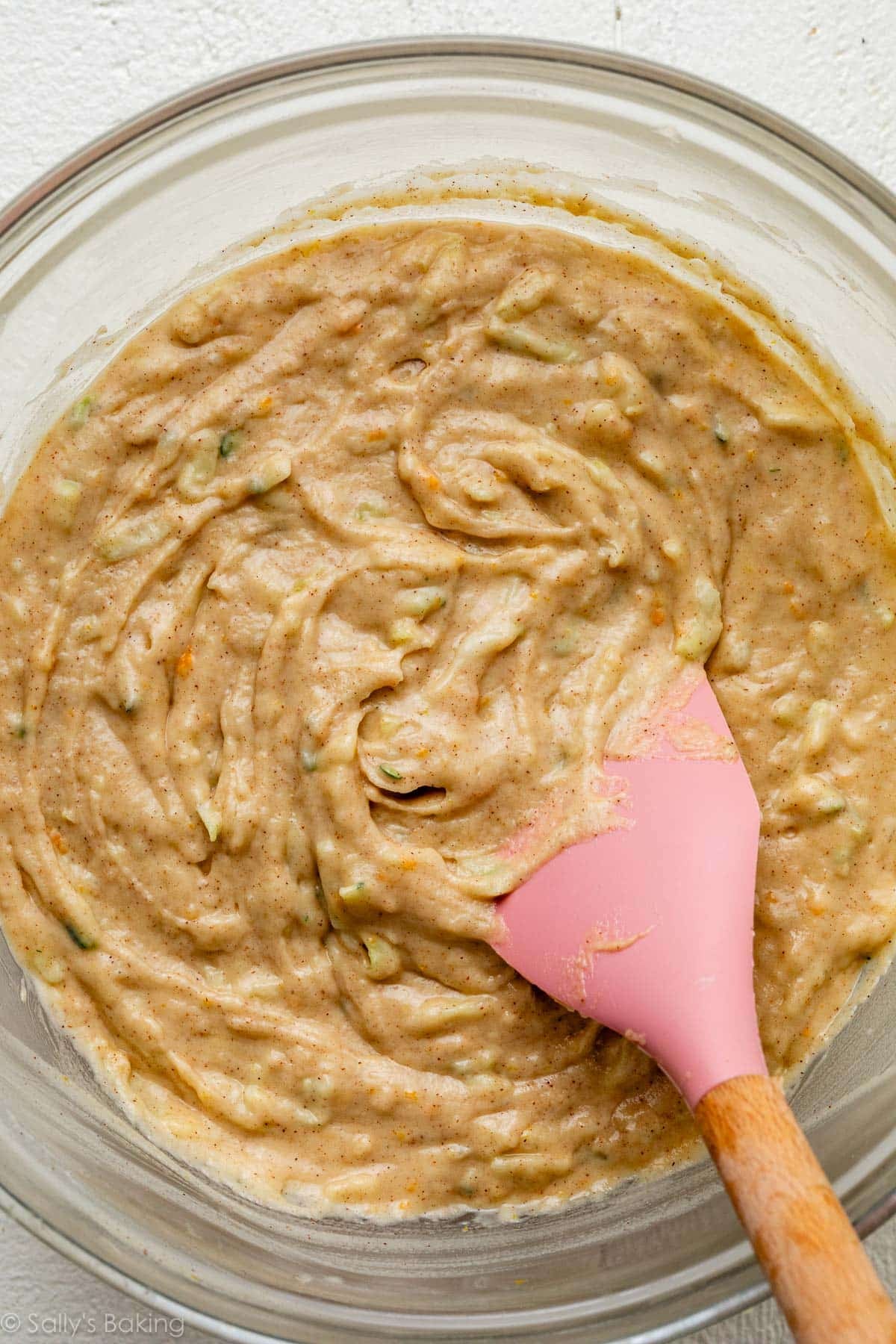
- The "Fold" Technique: When adding the zucchini and add-ins, use a gentle hand. Over-mixing at this stage will develop the gluten too much, leading to a tough, chewy texture rather than a tender crumb.
- The Topping: A light dusting of coarse sugar, such as "Sugar in the Raw," before entering the oven creates a crackly, crystalline crust that provides a delightful textural contrast to the soft interior.
Conclusion: A Seasonal Tradition
Whether you are looking for a way to manage a bountiful garden harvest or simply seeking a reliable, nutrient-dense breakfast option, the Greek Yogurt Zucchini Bread stands as a testament to the power of simple, high-quality ingredients. It is a bridge between the culinary traditions of the past and the health-focused innovations of the present. As we move into future growing seasons, this recipe remains a reminder that the best solutions to our kitchen dilemmas are often the ones that have been honed, tested, and shared by a community of passionate home bakers.
As the saying goes, if you have zucchini to spare, you have the potential for something extraordinary. From the first whisk of the wet ingredients to the final slice of the cooled, golden-brown loaf, this bread is not merely a recipe—it is a seasonal rite of passage.