In the expansive landscape of Mexican cuisine, the salsa is not merely a condiment—it is a foundation. While many home cooks are familiar with the bright acidity of a classic salsa verde or the sharp bite of a fresh pico de gallo, there exists a darker, more complex realm of flavor: the Morita salsa. This deep-red, smoky, and dangerously addictive sauce is currently making waves among culinary enthusiasts for its ability to transform simple pantry staples into a true "flavorbomb."
However, working with dried chiles—specifically the Morita—requires a nuanced understanding of their origins, preparation, and heat profiles. For those looking to elevate their cooking, mastering this salsa is an essential rite of passage.
Main Facts: What is a Morita Chile?
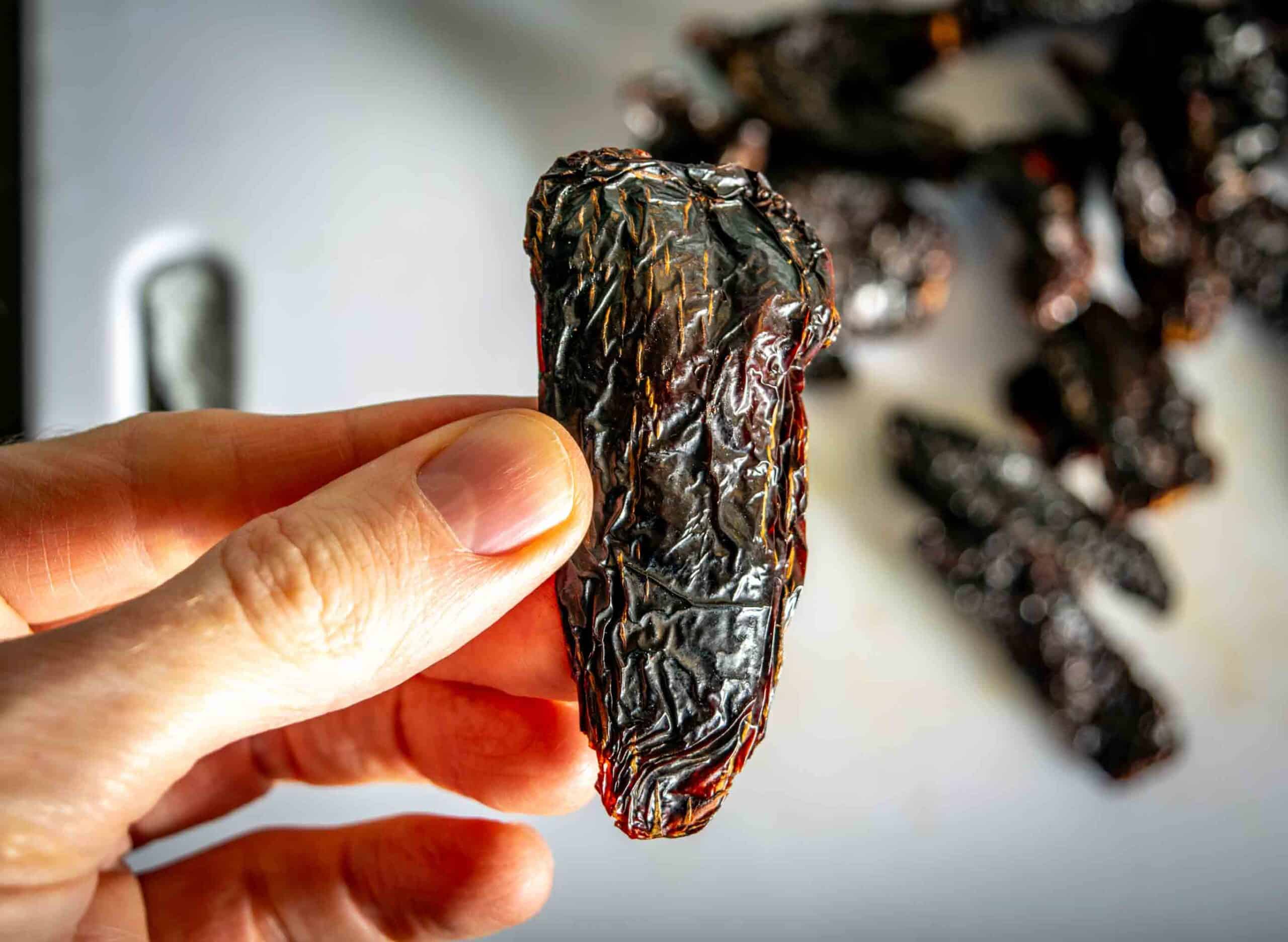
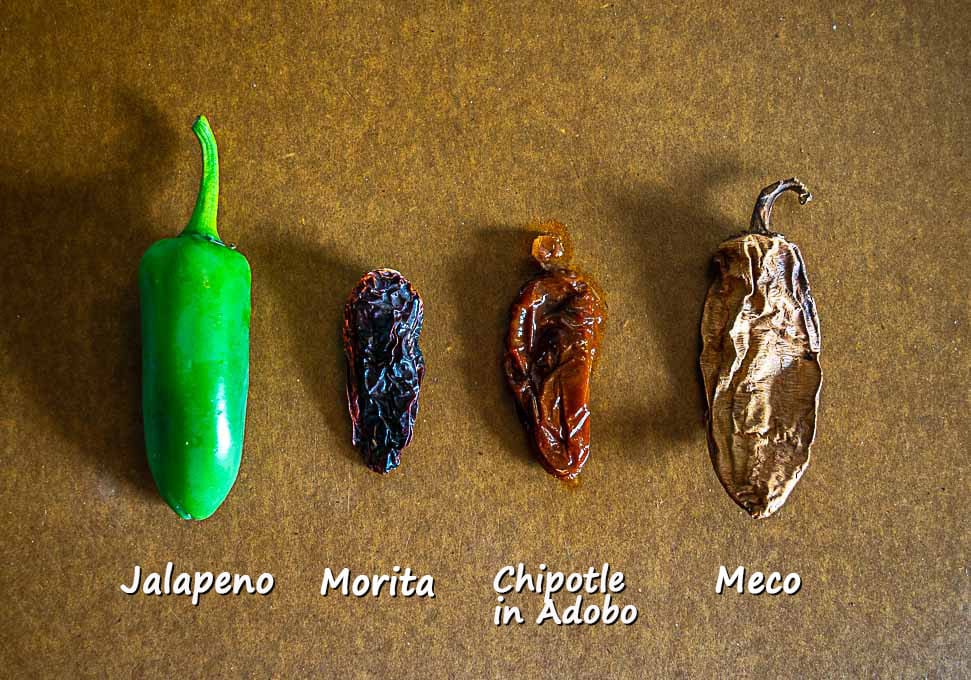
To understand the Morita, one must first look to the humble jalapeño. The Morita is not a separate species of pepper; rather, it is a jalapeño that has been allowed to ripen on the vine until it turns a deep, vibrant red. Once harvested, these red jalapeños undergo a process of smoking and dehydration.
This process is what differentiates the Morita from its cousin, the classic Chipotle (often referred to as the "Chipotle Meco"). While both are smoked jalapeños, the Morita is smoked for a shorter period, resulting in a softer texture and a more fruity, balanced smoke profile compared to the leathery, intensely woody nature of the Meco.
Key characteristics of the Morita:
- Flavor Profile: A sophisticated marriage of dark berry sweetness, bright acidity, and a moderate-to-high level of wood-fired smoke.
- Heat Level: Generally higher than standard fresh jalapeños, owing to the concentration of capsaicin that occurs during the dehydration process.
- Versatility: Its chewy, pliable texture makes it an ideal candidate for blending into sauces without the need for extensive processing.
Chronology: From Vine to Blender
The journey of a high-quality Morita salsa follows a strict, time-honored methodology. Shortcuts, such as boiling or using raw ingredients, often result in a lackluster product that fails to capture the complexity of the chile.
Step 1: The Roasting Phase
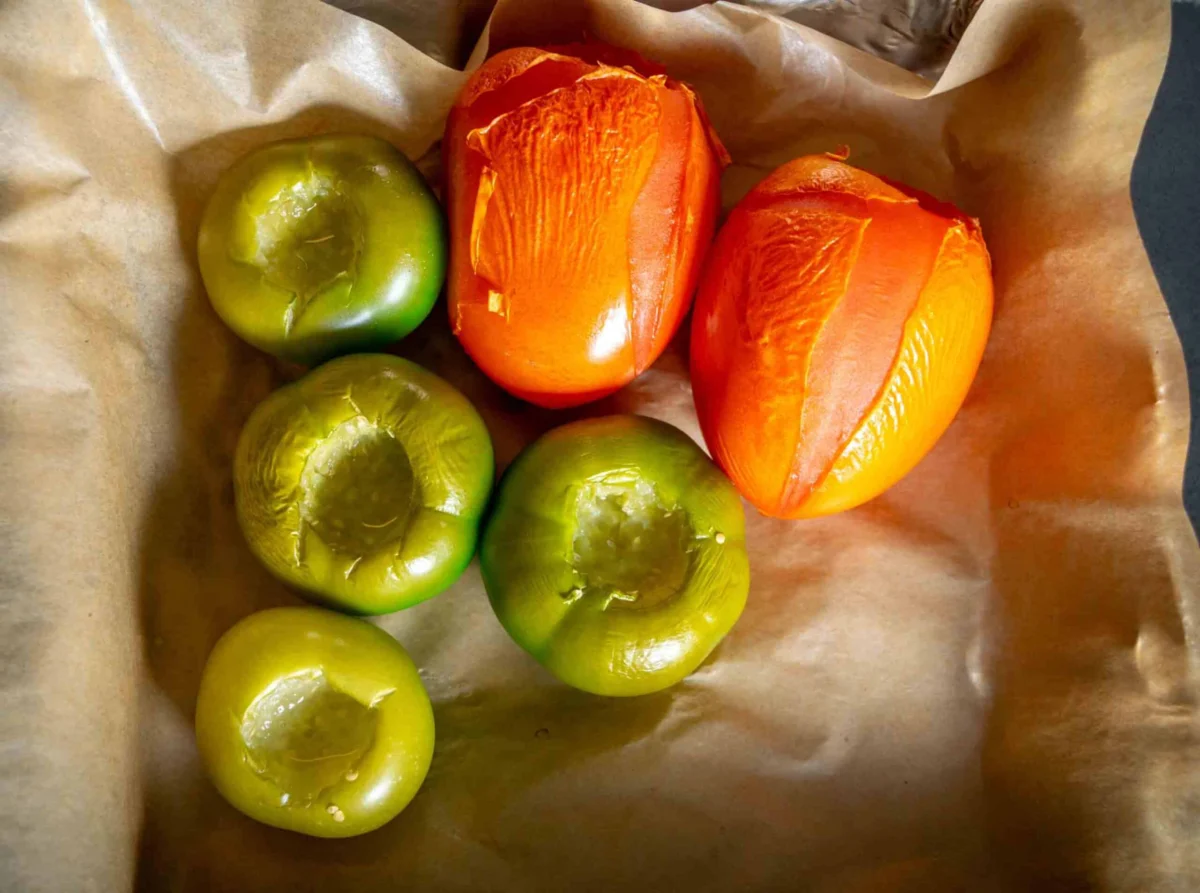
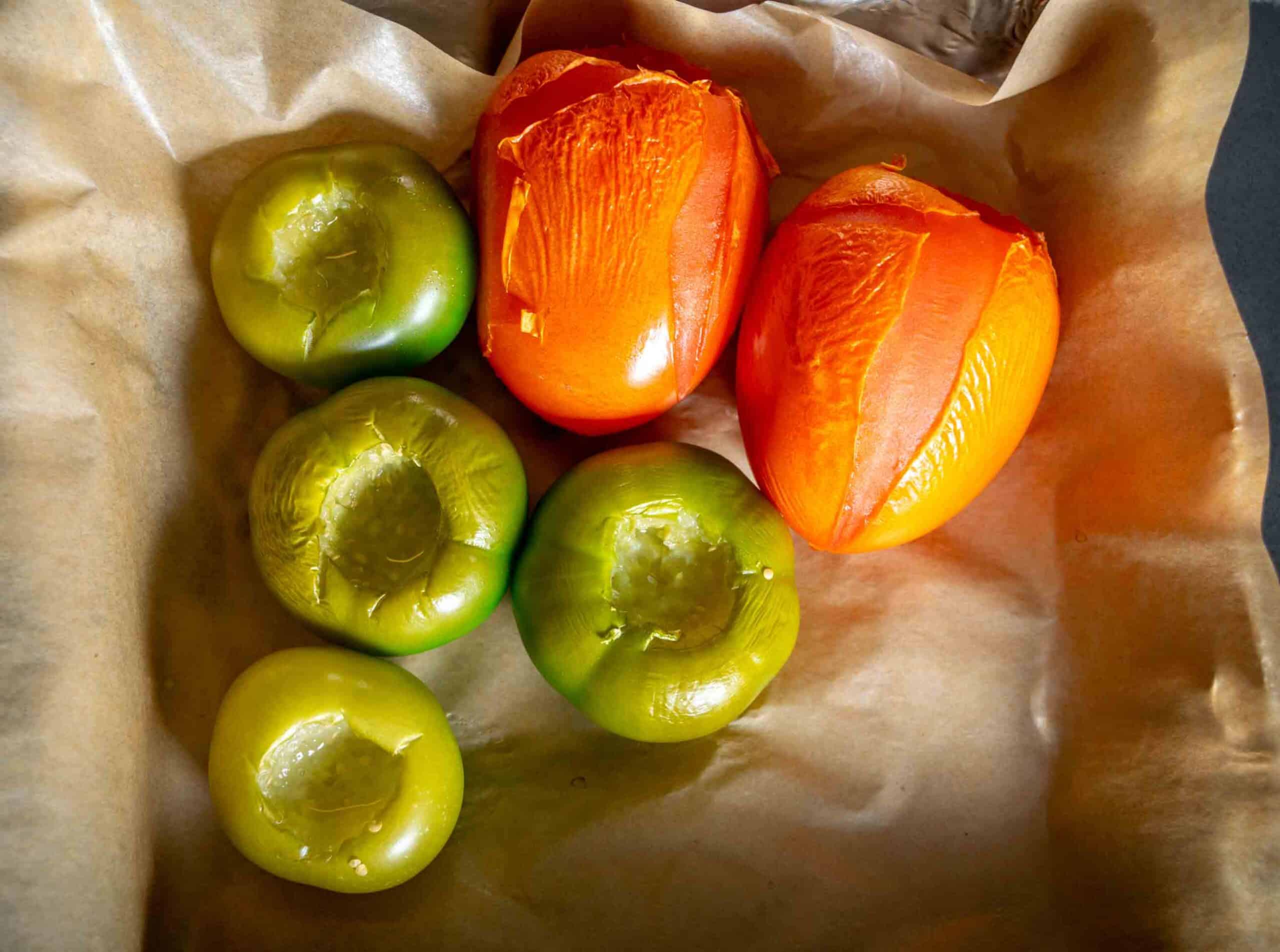
The process begins in the oven or on a dry skillet. Whether dealing with dried Morita chiles, roma tomatoes, or tomatillos, heat is the catalyst for flavor. Roasting dried chiles for just two to three minutes at 400°F (or until fragrant) "wakes up" the volatile oils trapped within the skin. This step is non-negotiable; skipping it leaves the final salsa tasting flat and one-dimensional.
Step 2: Rehydration
After roasting, the chiles must be reconstituted. Soaking them in hot tap water for 15–20 minutes serves two purposes: it softens the skins for a smoother texture and helps draw out the deep, smoky essences that will eventually infuse the tomato base.
Step 3: Blending
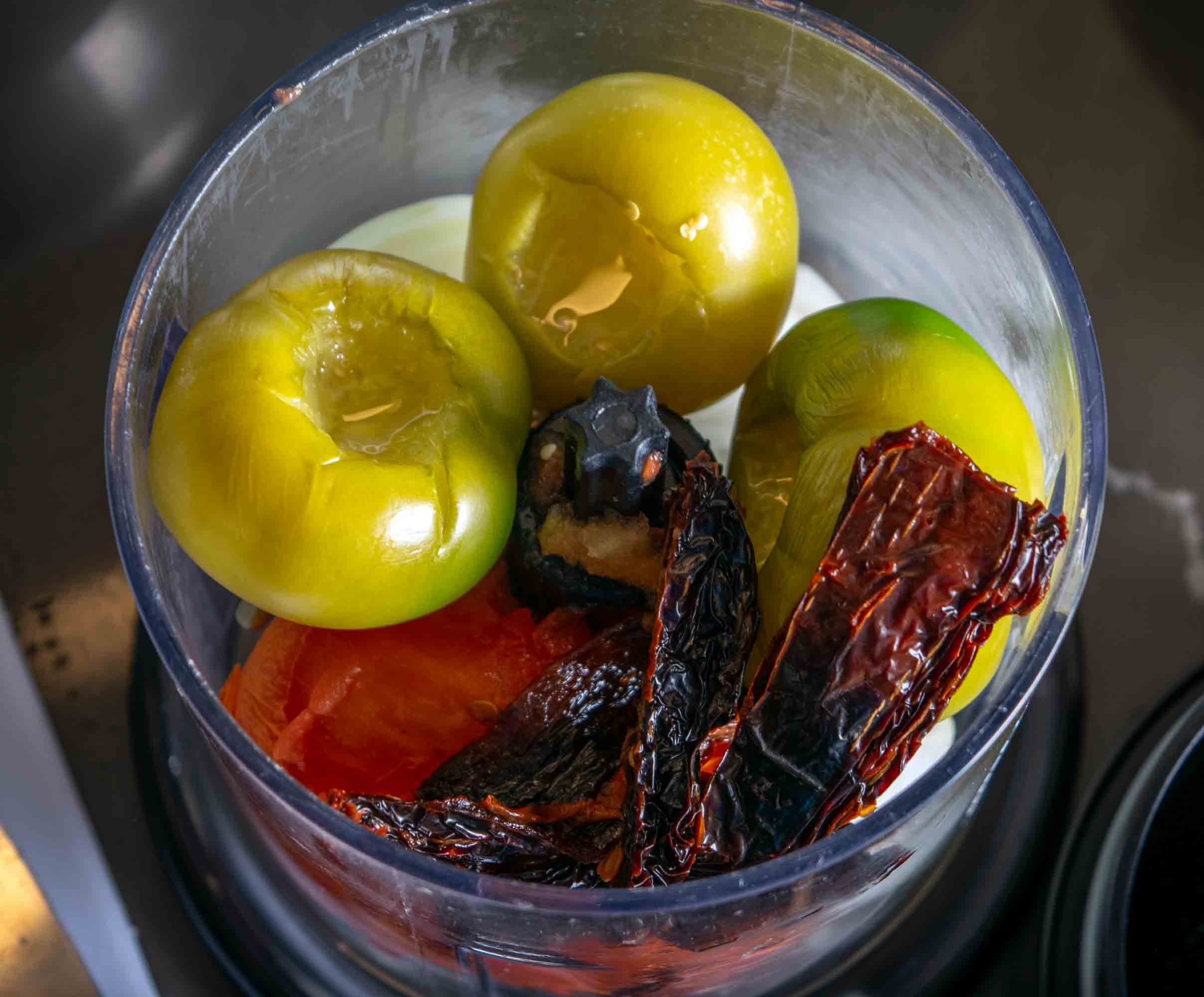
The assembly of the salsa is a matter of balance. A standard ratio typically involves:
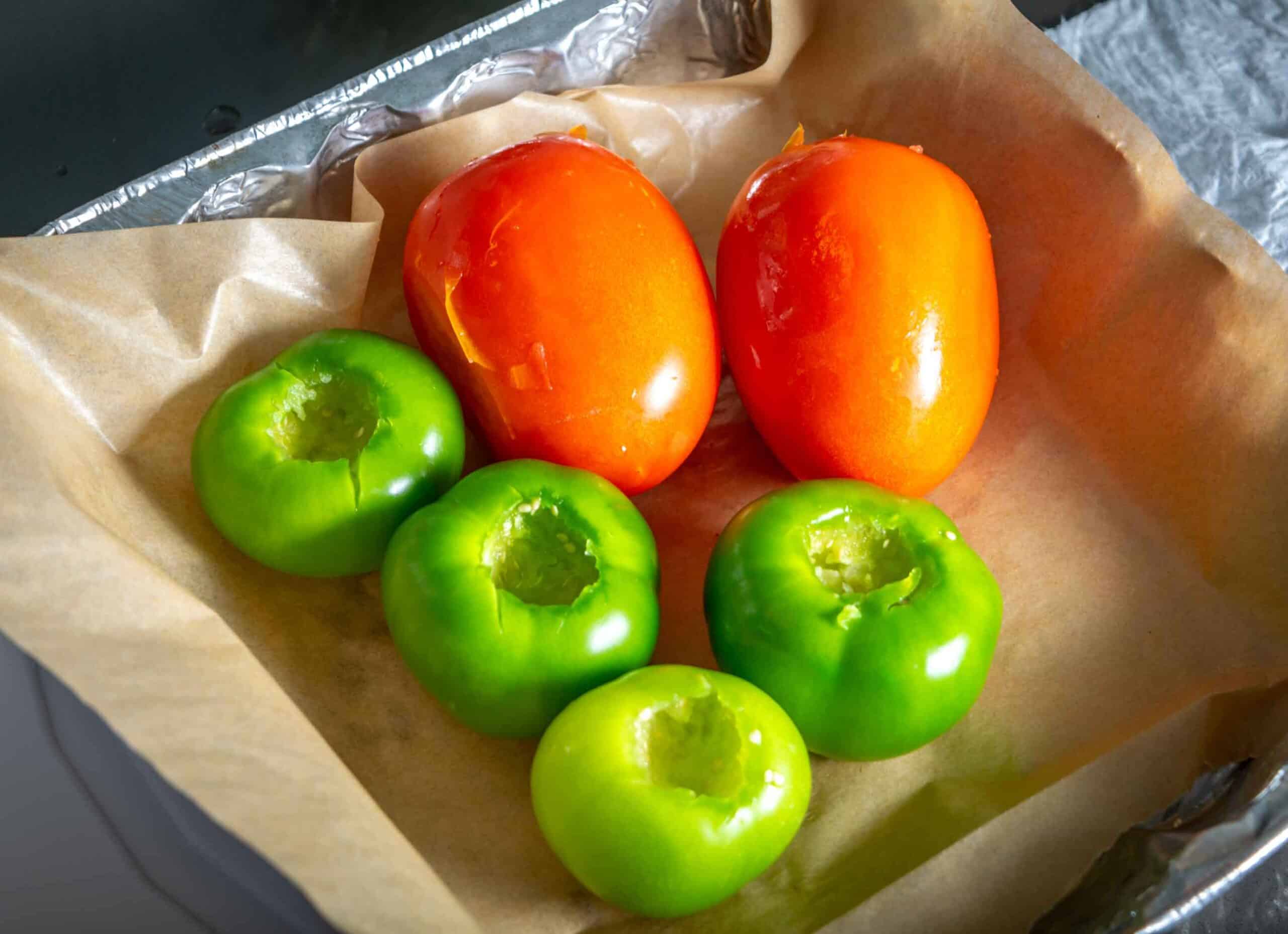
- 2 Roma tomatoes (for body and sweetness)
- 4 Tomatillos (for that essential tangy, tart backbone)
- 1/2 small onion (for savory depth)
- 1 garlic clove (for sharp aromatics)
- 1 to 2 Morita chiles (depending on your tolerance for heat)
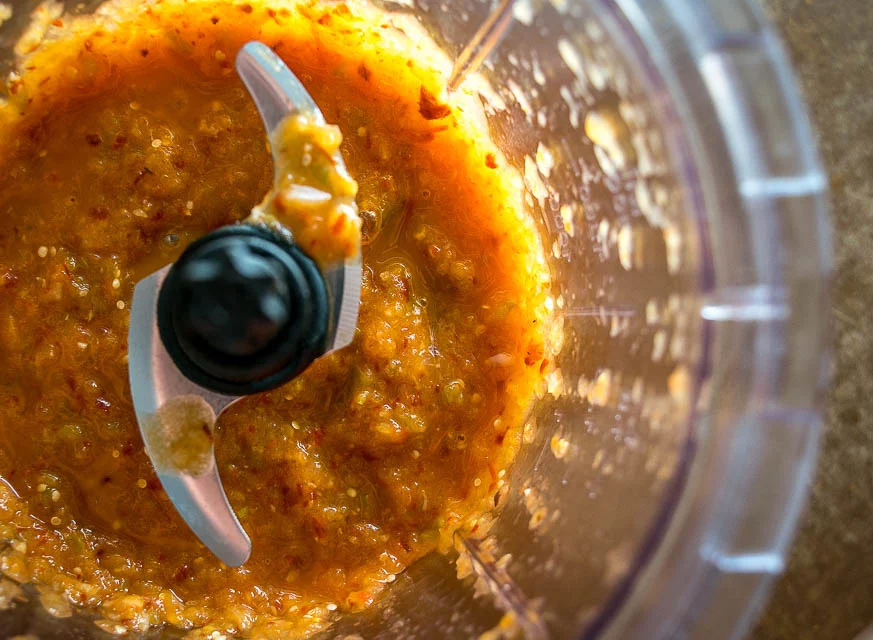
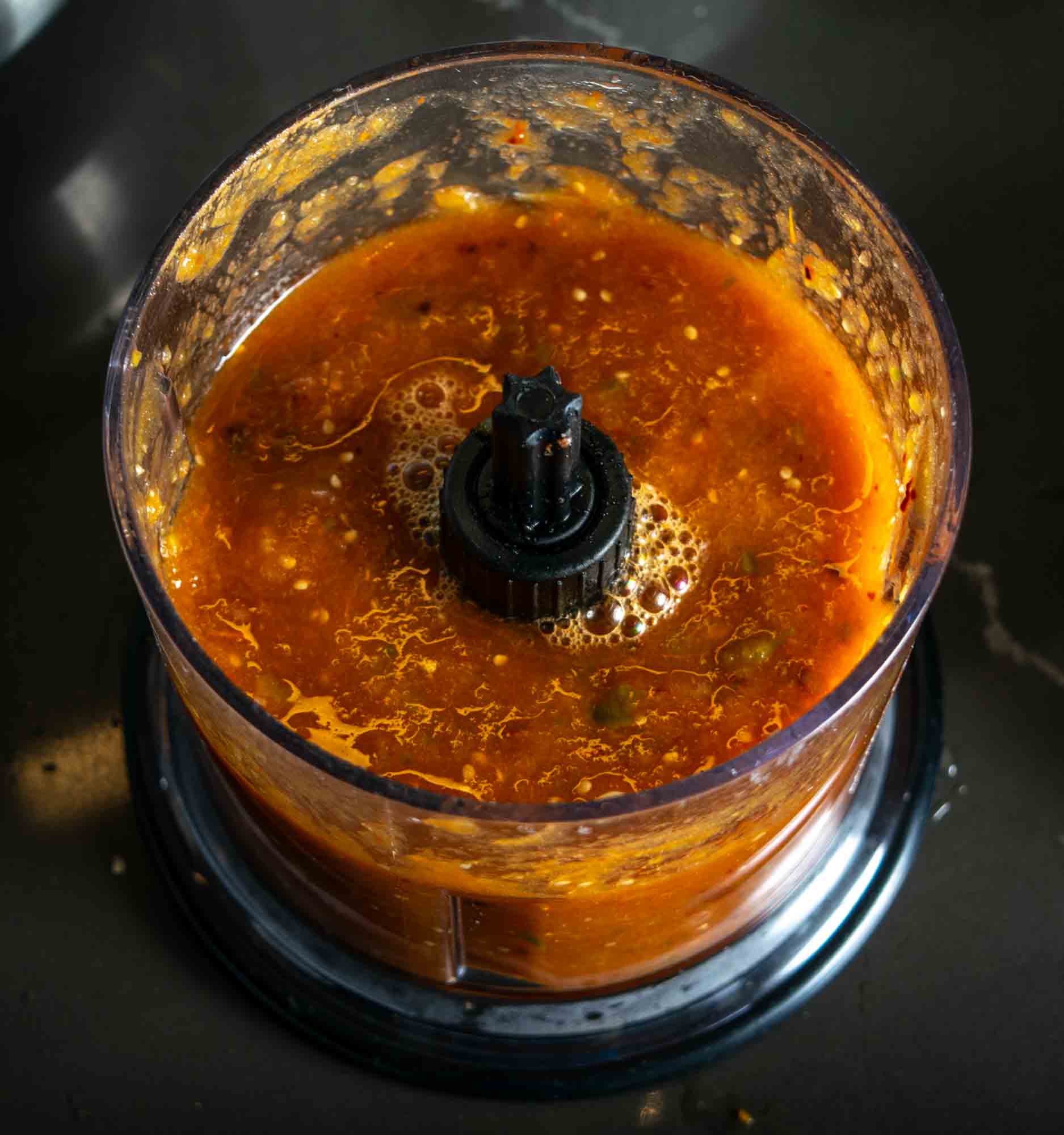
Once these elements are combined in a blender, a brief pulse creates a coarse, rustic, or smooth consistency—the choice is yours.
Supporting Data: Understanding Heat and Ratios
For those new to the Morita, a word of caution: this chile packs a significant punch. In culinary testing, it has been observed that using two whole Moritas in a small batch creates a salsa that rivals the heat of many commercially available "hot" sauces.
The "Step-Up" Method:
For home cooks who are unsure of their heat tolerance, the "Step-Up" method is recommended. Start by adding only one Morita (or even half a one) to the blender. Taste the mixture. If the heat profile is insufficient, add small slivers of the remaining chile until the desired level of intensity is reached.
Unlike fresh peppers, which can sometimes provide a "bright" burn that fades quickly, the Morita heat is lingering and warming, settling at the back of the palate. This is why it pairs so well with rich, fatty foods like avocado or slow-cooked meats.
Official Perspectives: Why Roasting is Superior
Culinary experts frequently debate the best way to process tomatoes and tomatillos for salsa. While boiling is common for its speed, it is often viewed as a "flavor-diluter."
When you boil vegetables, the sugars that caramelize during roasting are washed away into the water. By contrast, oven-roasting at 400°F for 25 minutes allows the natural sugars to concentrate and the skins to blister, creating a "char" that mimics the traditional comal (griddle) cooking used in rural Mexico. This charred, roasted flavor acts as a bridge between the smoky Morita and the acidic tomatillo, creating a balanced, professional-grade sauce.
Implications: The Culinary Utility of Morita Salsa
Once your jar of Morita salsa is prepared, it is not merely a dip for tortilla chips—it is a kitchen workhorse. The smoky, complex profile of the Morita makes it an excellent substitute for traditional salsas in a variety of high-impact dishes.
The "Flavorbomb" Applications:
- Breakfast Tacos: The smoke from the Morita cuts through the richness of scrambled eggs and melted cheese perfectly.
- Bean Tostadas: A dollop of this salsa provides the necessary contrast to the earthy, creamy nature of refried beans.
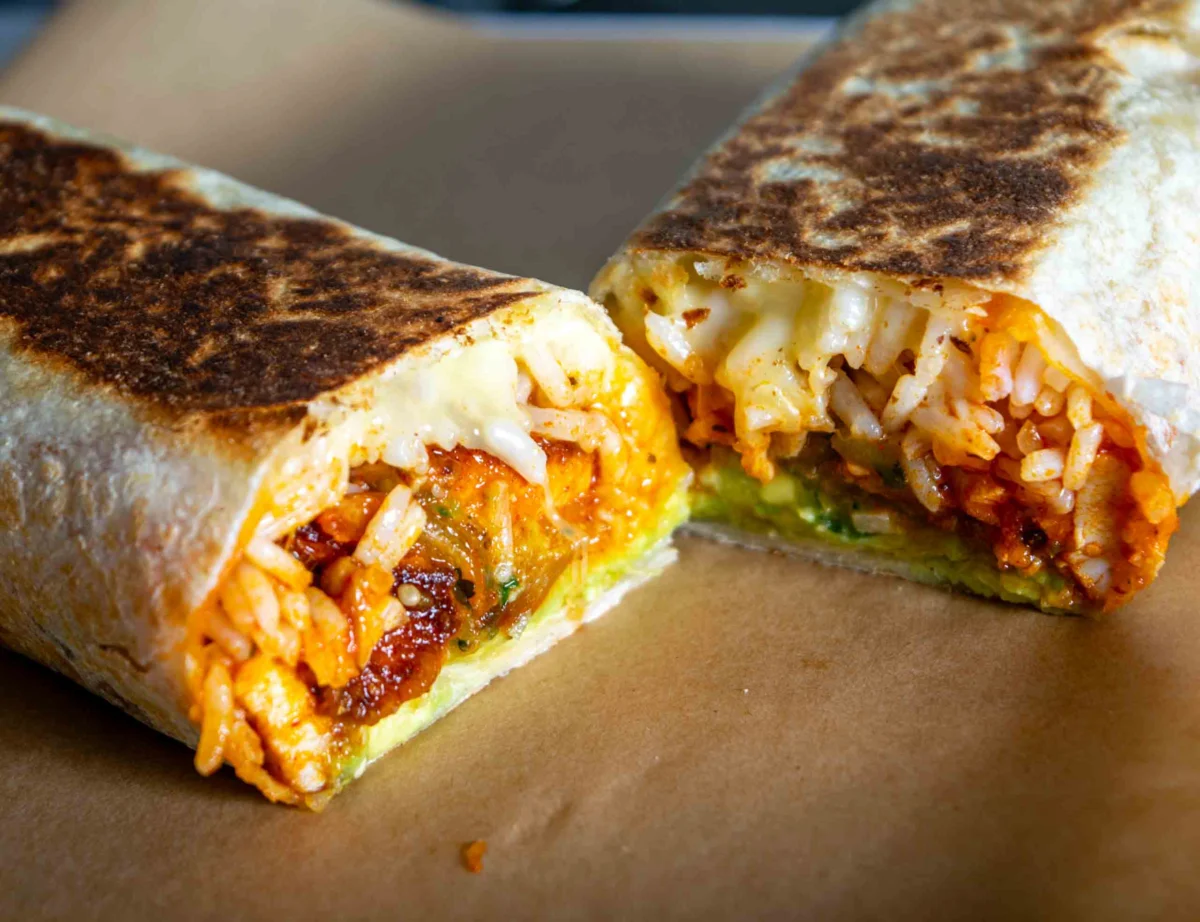
- Chicken Burritos: Using this as your primary sauce, combined with a touch of lime, can elevate a standard burrito into a restaurant-quality meal.
- Guacamole Integration: For a "salsa-fied" guac, fold in a tablespoon of this blend to add a layer of smoke that fresh lime juice alone cannot provide.
Sourcing and Storage
Finding authentic Morita chiles is easier than ever. Most well-stocked Hispanic markets carry them in the dried produce section. If you reside in an area without access to these markets, they are widely available through online specialty spice retailers.
Once made, the salsa stores remarkably well in the refrigerator for up to two weeks, often improving in flavor as the ingredients marry over the first 24 to 48 hours.
Conclusion: A Welcome Jolt for Your Kitchen
The Morita salsa is more than just a recipe; it is an invitation to explore the depth of Mexican culinary tradition. By respecting the process—the careful roasting, the patient rehydration, and the intentional balancing of heat—you are not just making a sauce; you are crafting an experience.
Whether you are a seasoned pro or a novice looking to move beyond jarred options, this salsa provides a "welcome jolt" to the kitchen. It challenges the palate, rewards the effort, and provides a level of depth that defines the very best of home cooking. As you stand before your blender, remember that the secret lies in the smoke. Embrace it, adjust it to your liking, and enjoy the result.