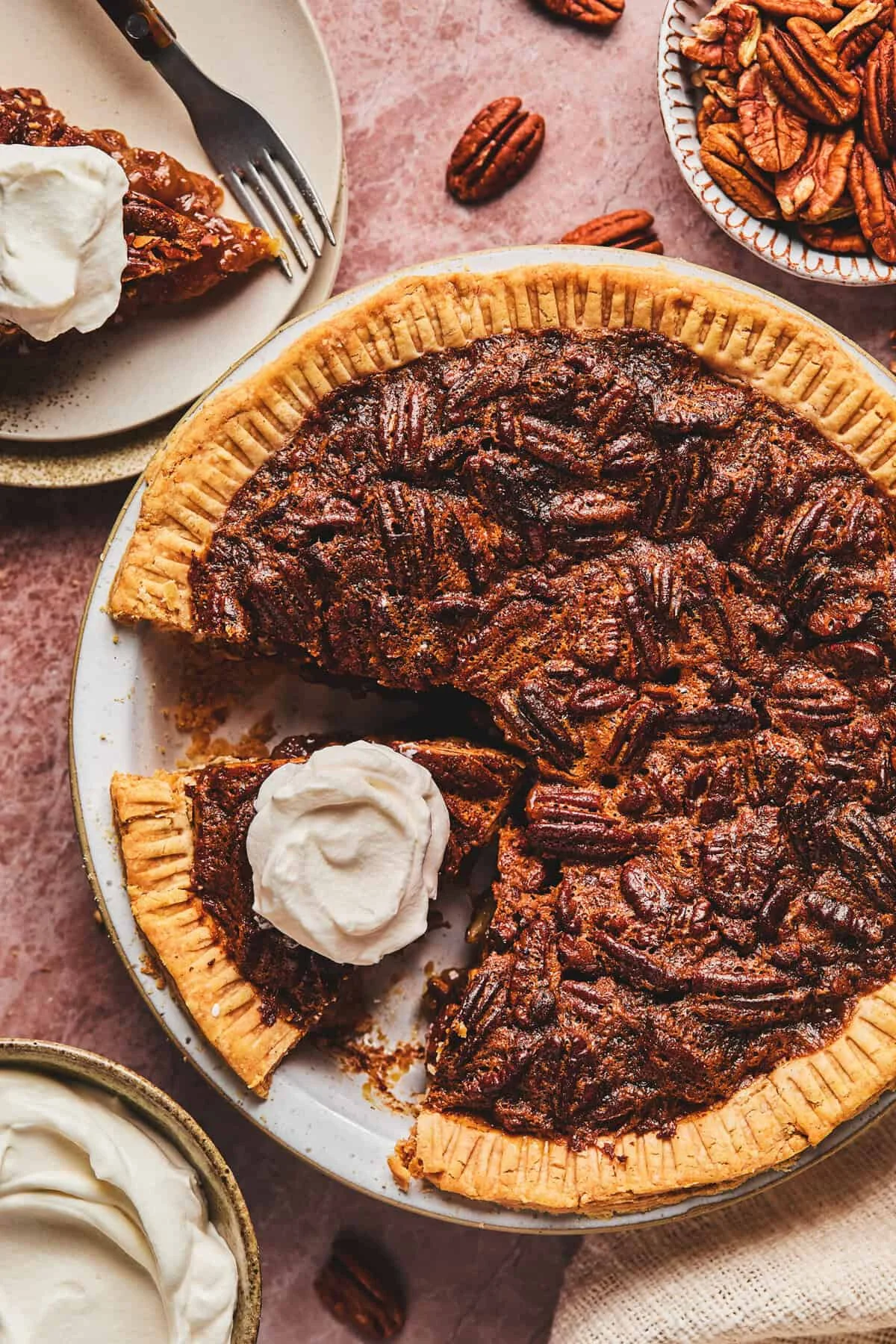
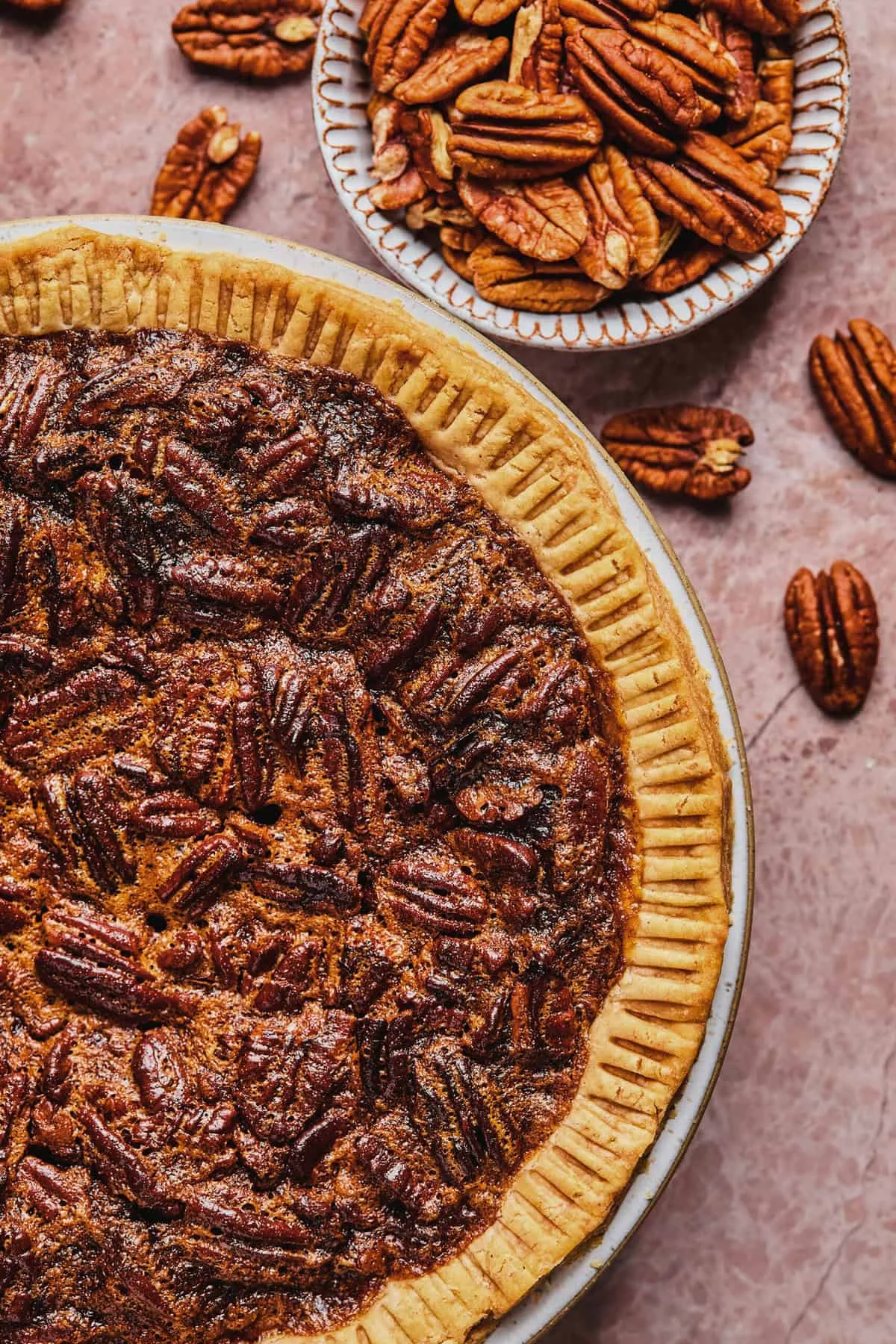
The holiday season and family gatherings have long been defined by the aromas of baked goods, with the classic pie serving as the centerpiece of the dessert table. However, for millions of individuals living with celiac disease, non-celiac gluten sensitivity, or those choosing a gluten-free lifestyle, these traditional desserts have historically been a source of dietary exclusion.
Historically, gluten-free baking was notorious for yielding dense, crumbly, or cardboard-like textures. But a new wave of culinary innovation is changing the landscape. Leading food developers and chefs are leveraging food science to create alternative pastry recipes that rival their wheat-based counterparts.
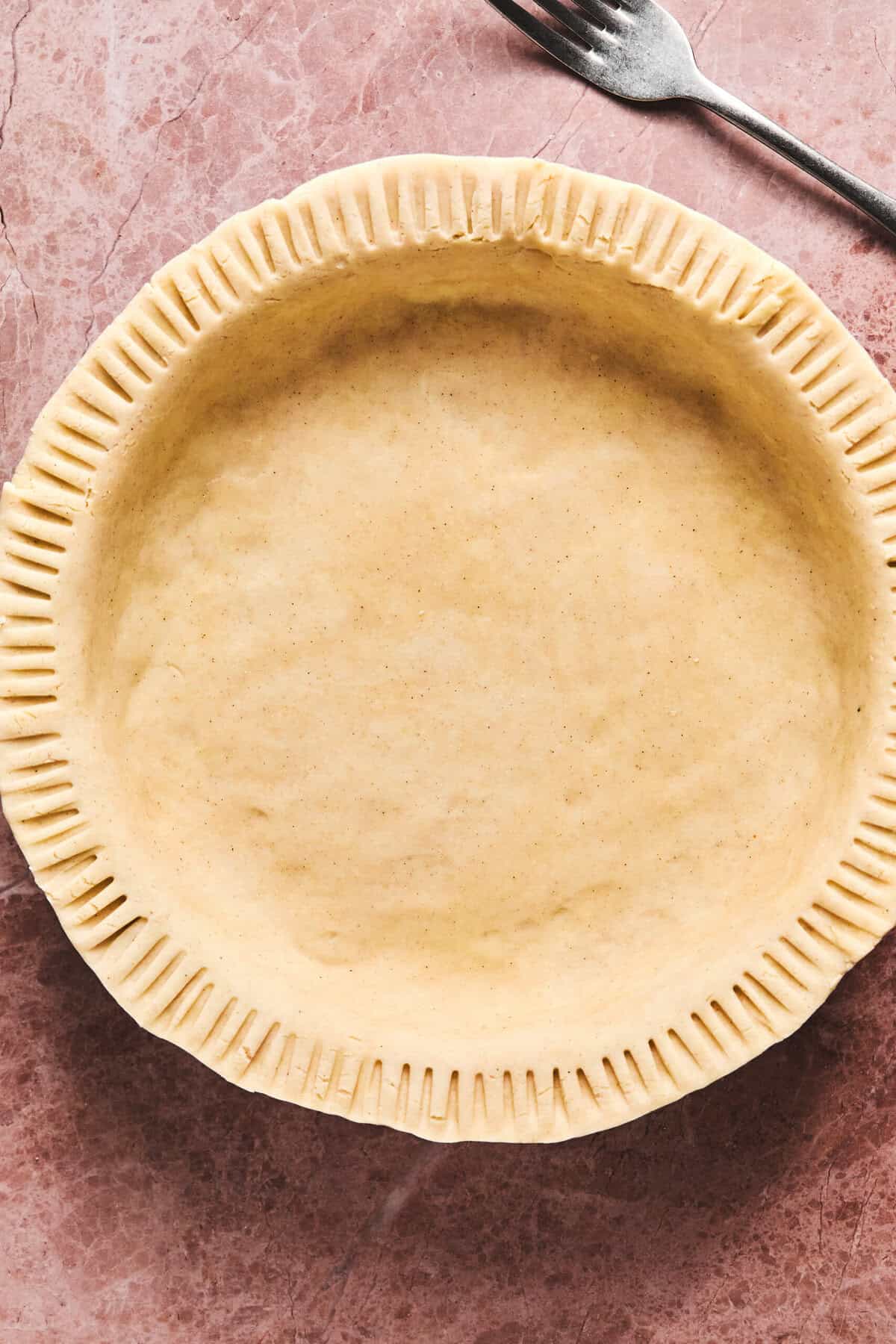
At the forefront of this movement is culinary developer Tiffany, the founder of the popular food platform Creme de la Crumb. She has formulated a highly versatile, seven-ingredient gluten-free shortcrust pastry designed to democratize home baking. This article explores the main facts, developmental methodology, nutritional science, expert troubleshooting, and broader market implications of this culinary breakthrough.
Main Facts: The Structural Challenge of Gluten-Free Pastry
To understand why a successful gluten-free pie crust is a major culinary achievement, one must understand the fundamental role that gluten plays in traditional baking.
[Wheat Flour + Water] ──> Hydration & Kneading ──> Gluten Network (Elasticity & Strength)
[Gluten-Free Flour + Xanthan Gum] ──> Polysaccharide Gel ──> Mimicked Structure (Tenderness)
In standard pastry production, wheat flour provides two primary proteins: gliadin and glutenin. When hydrated and mixed, these proteins bond to form a stretchable, elastic gluten network. This network traps steam generated by melting fat during the baking process, creating the coveted flaky layers of a classic shortcrust pastry.
Without gluten, doughs lack structural integrity. They often tear when rolled, crumble when transferred to a baking dish, and turn dry or excessively hard after baking.
Key Attributes of the Modern 7-Ingredient Solution
The recipe developed by Creme de la Crumb addresses these structural deficiencies through a simplified, accessible ingredient profile:
- Minimalist Composition: The recipe utilizes only seven basic ingredients, avoiding complex starch-to-grain ratios that often intimidate novice bakers.
- Ingredient Accessibility: By relying on standard, store-bought gluten-free all-purpose flour blends and xanthan gum, the recipe eliminates the need for specialized online sourcing.
- Versatility: Formulated as a classic shortcrust pastry, the dough can be adapted for both single-crust pies (such as pumpkin or pecan) and double-crust pies (such as apple or cherry).
- Structural Emulators: The formula utilizes xanthan gum—a polysaccharide produced by the fermentation of sucrose and glucose by the bacterium Xanthomonas campestris—to mimic the binding and elastic properties of gluten.
Chronology: The Phase-by-Phase Preparation Methodology
Achieving the perfect texture in a gluten-free pie crust requires strict adherence to temperature controls and mechanical techniques. The creation of the Creme de la Crumb gluten-free crust can be broken down into four distinct chronological phases.

Phase 1: Dry Ingredient Integration and Stabilization
The process begins by whisking together the gluten-free all-purpose flour blend, xanthan gum, and salt. If the commercial flour blend already contains xanthan gum, the addition of extra binder must be carefully calibrated to prevent the crust from becoming gummy.
During this phase, the dry ingredients are thoroughly aerated to ensure an even distribution of the binding agent, which is crucial for preventing localized structural failure in the dough.
Phase 2: Fat Incorporation and Steam Pocket Creation
Once the dry base is stabilized, cold butter is introduced. The butter is cut into the flour mixture using a pastry cutter, a fork, or fingertips until the mixture resembles coarse crumbs with pea-sized lumps of butter remaining.
[Dry Flour Mixture] + [Cold Butter Lumps]
       │
       ▼ (Minimal Handling)
[Coarse Sand with Pea-Sized Fat Pockets]
       │
       ▼ (Baking Process)
[Water in Butter Vaporizes] ──> [Steam Expands] ──> [Flaky Layers Form]
This step is highly time-sensitive. The fat must remain cold; if the butter melts into the flour at this stage, it will coat the starches completely, resulting in a greasy, dense, and fragile crust rather than a flaky one.

Phase 3: Hydration and Cohesion
Ice-cold water is added to the mixture, one tablespoon at a time. The water must be near freezing to keep the butter solid.
The dough is gently stirred just until it begins to pull together into a cohesive ball. Gluten-free dough requires less hydration manipulation than wheat dough, as there is no risk of "overworking" the gluten. However, over-hydration can lead to a sticky dough that is impossible to roll, while under-hydration causes immediate crumbling.
Phase 4: Mechanical Handling, Rolling, and Chilling
The final phase involves shaping the dough. Because gluten-free dough lacks natural elasticity, bakers are advised to roll the dough between sheets of parchment paper or plastic wrap. This technique minimizes handling, prevents sticking without adding excess flour, and facilitates a seamless transfer to the pie dish.
Once pressed into the pie pan, the crust must undergo a critical chilling phase in the refrigerator. This allows the starches to fully hydrate and the butter to re-solidify before it enters the hot oven.

Supporting Data: Nutritional Profile and Market Trends
To fully evaluate the impact of this gluten-free pastry, it is helpful to look at both its nutritional composition and the broader economic trends driving the demand for such recipes.
Recipe Nutritional Analysis
The nutritional profile of the complete Creme de la Crumb gluten-free pie crust (calculated for a single crust yield) is detailed in the table below:
| Nutritional Metric | Value per Full Crust | Percentage Daily Value (% DV)* |
|---|---|---|
| Calories | 835 kcal | 42% |
| Carbohydrates | 182 g | 66% |
| Dietary Fiber | 27 g | 96% |
| Sugars | 14 g | N/A |
| Protein | 25 g | 50% |
| Total Fat | 8 g | 10% |
| Saturated Fat | 0.03 g | 0% |
| Cholesterol | 0.2 mg | 0% |
| Sodium | 91 mg | 4% |
| Calcium | 163 mg | 13% |
| Iron | 9 mg | 50% |
*Percent Daily Values are based on a 2,000-calorie diet. Nutrition information is an approximation calculated via automated databases.
Key Nutritional Insights
- High Carbohydrate and Fiber Content: The crust contains 182 grams of carbohydrates, which is typical for starch-heavy gluten-free flour blends (often composed of rice flour, potato starch, and tapioca flour). Notably, the recipe yields 27 grams of dietary fiber, a benefit derived from the complex starches and binders used to replace gluten.
- Low Fat Base: With only 8 grams of total fat and virtually negligible saturated fat in the base calculation, the recipe allows bakers to control the nutritional impact of their fats depending on the type and quantity of butter or butter alternative they choose to incorporate.
The Gluten-Free Market Explosion
The development of high-quality home recipes aligns with a massive global market shift.

Global Gluten-Free Market Growth:
2024: ── $6.5 Billion (Estimated)
2032: ─── $14.0 Billion (Projected)
According to market research, the global gluten-free product market was valued at approximately $6.5 billion in 2024 and is projected to expand at a compound annual growth rate (CAGR) exceeding 9%, reaching over $14 billion by 2032. This growth is driven not only by diagnosed celiac patients but also by a growing demographic of health-conscious consumers focusing on digestive wellness.
Expert Culinary Guidance: Troubleshooting and Food Science
Even with a streamlined recipe, baking without gluten presents unique challenges. Professional pastry chefs and recipe developers highlight several critical failure points and explain the science behind how to fix them.
Why Gluten-Free Crusts Shrink
One of the most common complaints among home bakers is that their pie crust shrinks down the sides of the pan during baking. According to culinary experts, this phenomenon is caused by three primary factors:
- Inadequate Chilling: If the dough is not thoroughly chilled after being rolled and pressed into the pie dish, the butter will melt too quickly in the oven before the starch structure has time to set, causing the walls of the crust to collapse.
- Mechanical Stretching: Unlike wheat dough, which can stretch and snap back, gluten-free dough has very little elasticity. If a baker stretches the dough to force it to fit the contours of the pie pan, it creates mechanical tension. As soon as the heat of the oven relaxes the fats, the dough will pull back to its original state, causing shrinkage.
- Warm Ingredients: Using room-temperature butter or water prevents the formation of discrete fat pockets, weakening the pastry’s overall structure.
The Freezing Dilemma
While traditional pie crusts freeze exceptionally well, culinary developer Tiffany advises against freezing this raw gluten-free crust.

The science behind this recommendation lies in starch retrogradation. When gluten-free starches are subjected to freezing temperatures, the water molecules are forced out of the starch gel network (a process known as syneresis). Upon thawing, the dough can become excessively wet, crumbly, and lose its structural cohesion. For make-ahead preparation, storing the raw dough in the refrigerator for up to 48 hours is highly recommended instead.
Implications: The Future of Dietary-Inclusive Culinary Arts
The optimization of simplified gluten-free baking recipes has broad implications for both home cooks and the wider food industry.
                   [Simplified GF Baking Recipes]
                                 │
         ┌───────────────────────┴───────────────────────┐
         ▼                                               ▼
[Social Inclusivity]                           [Commercial Evolution]
Unified family meals;                          Supermarkets stock binders;
End of the "two-pie" holiday.                  Bakeries adopt 1-to-1 flours.
Democratization of the Holiday Table
In the past, hosting a guest with dietary restrictions often required preparing entirely separate meals or settling for low-quality store-bought alternatives. The availability of high-performance, easy-to-make gluten-free recipes allows families to bake a single pie that satisfies all dietary needs without compromising on taste or texture. This represents a significant step forward in social culinary inclusivity.
Retail and Commercial Evolution
As recipes like Tiffany’s gain mainstream popularity, consumer behavior is driving supermarkets to dedicate more shelf space to essential gluten-free baking ingredients, such as xanthan gum and premium 1-to-1 baking flours. Commercial bakeries are also taking note, adapting their production lines to accommodate gluten-free methods to meet the growing demand for inclusive, high-quality desserts.

Ultimately, the evolution of the gluten-free pie crust demonstrates that dietary restrictions no longer require sacrificing culinary excellence. Through the smart application of food science, the simple combination of flour, fat, and water continues to bring people together around the table, ensuring that no one is left without a slice of pie.