As the calendar turns toward May, the culinary world prepares for one of its most vibrant celebrations: Cinco de Mayo. While often misunderstood as Mexico’s Independence Day—which actually falls on September 16—Cinco de Mayo commemorates the Mexican Army’s unlikely victory over the French Empire at the Battle of Puebla in 1862. In the modern era, particularly in the United States, it has evolved into a widespread cultural celebration of Mexican heritage, food, and community.
For the home cook, the holiday presents a dual challenge: the desire to serve authentic, impressive dishes and the reality of limited time. Fortunately, elevating your festive spread does not require hours of arduous kitchen labor. By focusing on high-quality ingredients and smart, efficient preparation techniques, you can host a memorable gathering that honors the spirit of the holiday without sacrificing your entire afternoon to the stovetop.
The Evolution of the Festive Menu: Moving Beyond the Basics
Historically, the Americanization of Mexican cuisine led to a reliance on heavy, pre-packaged shortcuts. However, a contemporary shift toward "fresh-first" cooking has redefined the holiday menu. Modern culinary trends emphasize the importance of homemade salsas, slow-roasted ingredients, and vibrant, protein-forward dishes that can be prepared in under an hour.
The core philosophy for this year’s menu is simple: prioritize flavor through layering. Whether it is the acidity of a fresh lime, the depth of a charred tomatillo, or the smoky heat of a chipotle pepper, the key to a successful Cinco de Mayo spread lies in the balance of these foundational elements.
A Chronology of Preparation: Streamlining Your Kitchen Workflow
To manage a successful feast, efficiency is paramount. Professional chefs often utilize a "prep-first" methodology, which, when applied to a home kitchen, ensures that the host can enjoy the celebration alongside their guests.
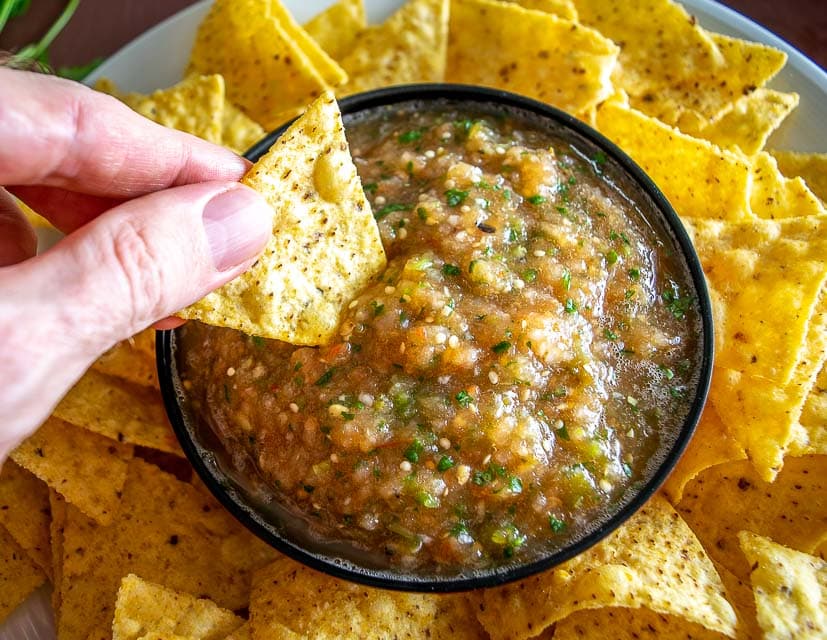
- Phase One: The Foundations (48 Hours Prior): Start by preparing your salsas. A Roasted Tomato and Tomatillo Salsa, for example, benefits significantly from time in the refrigerator, allowing the flavors to meld.
- Phase Two: The Protein Prep (24 Hours Prior): Marinate your chicken or beef. Using a slow-cooker or pressure cooker for proteins like Chile Verde allows you to create a high-quality base that can be finished in minutes on the day of the event.
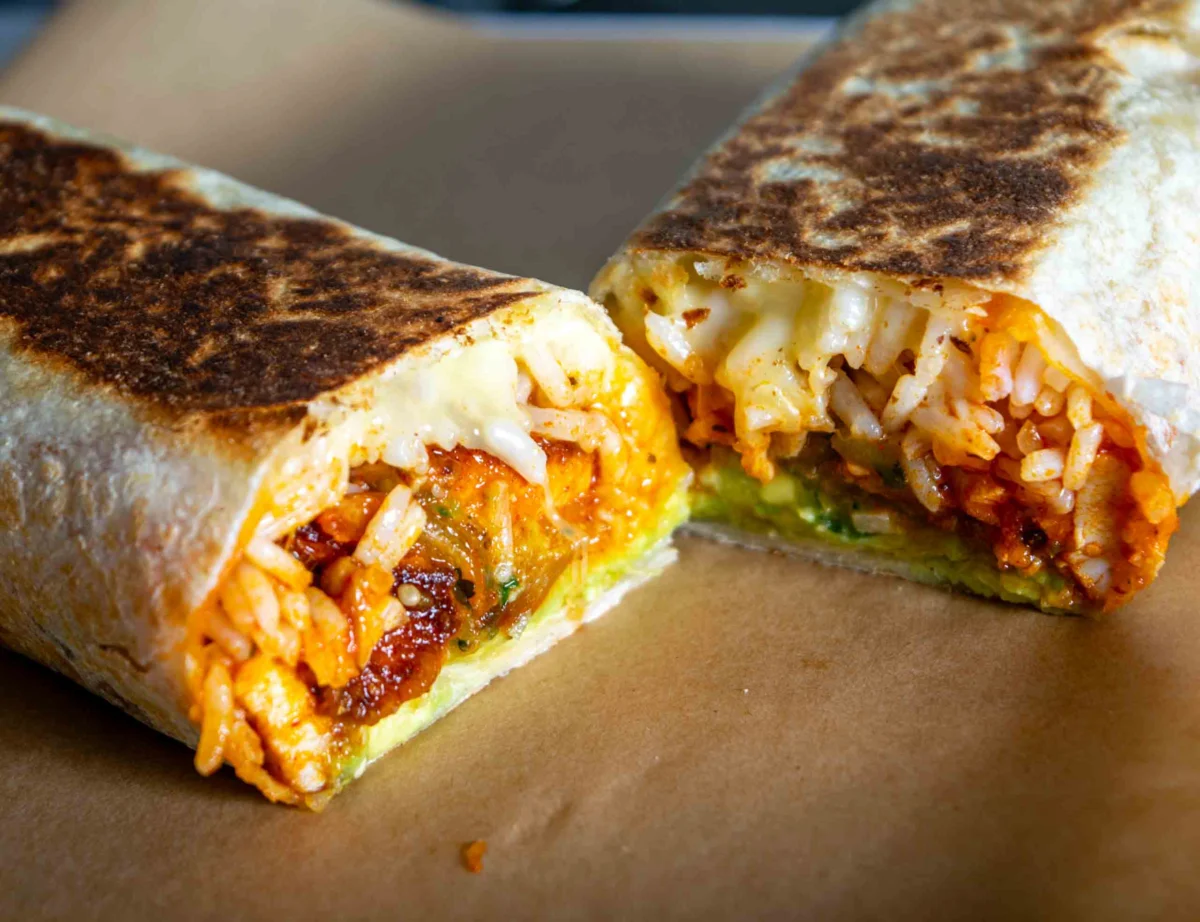
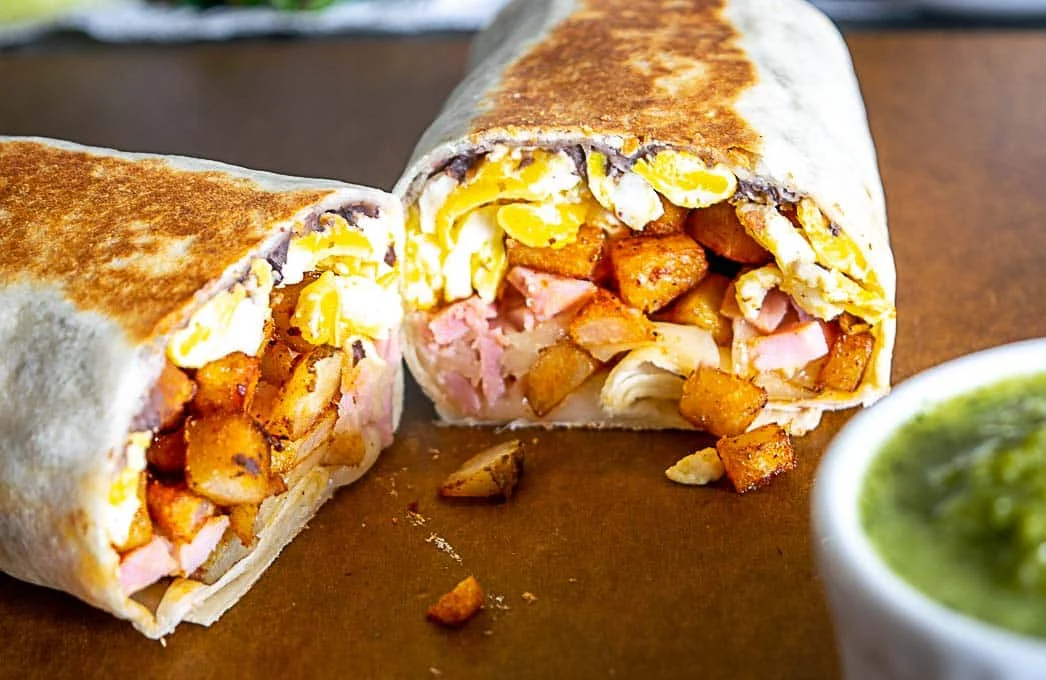
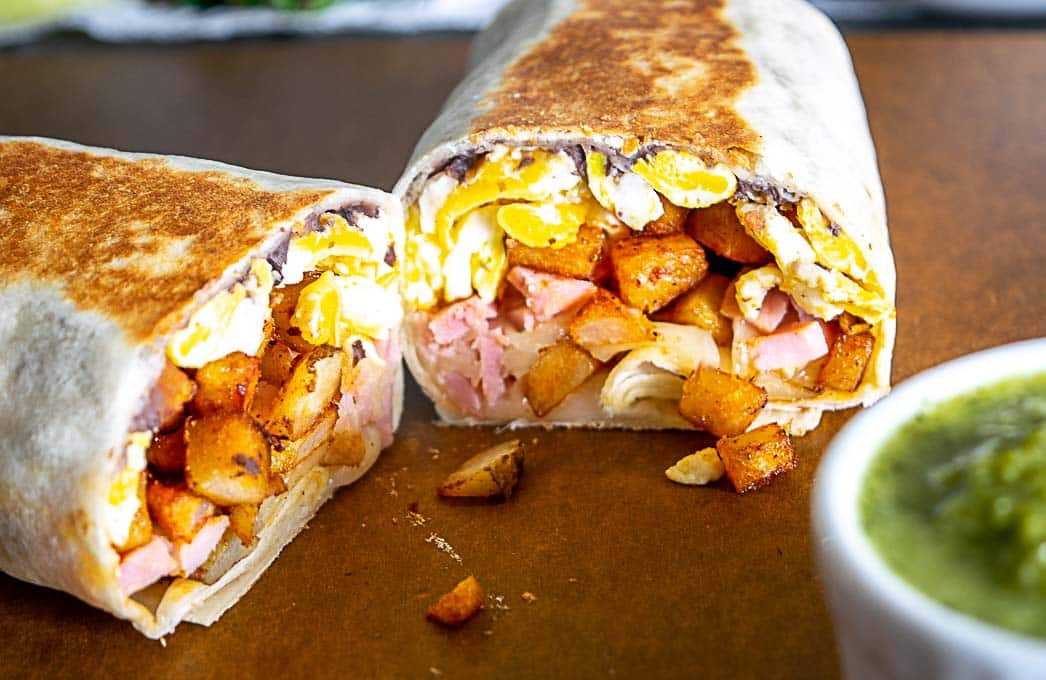
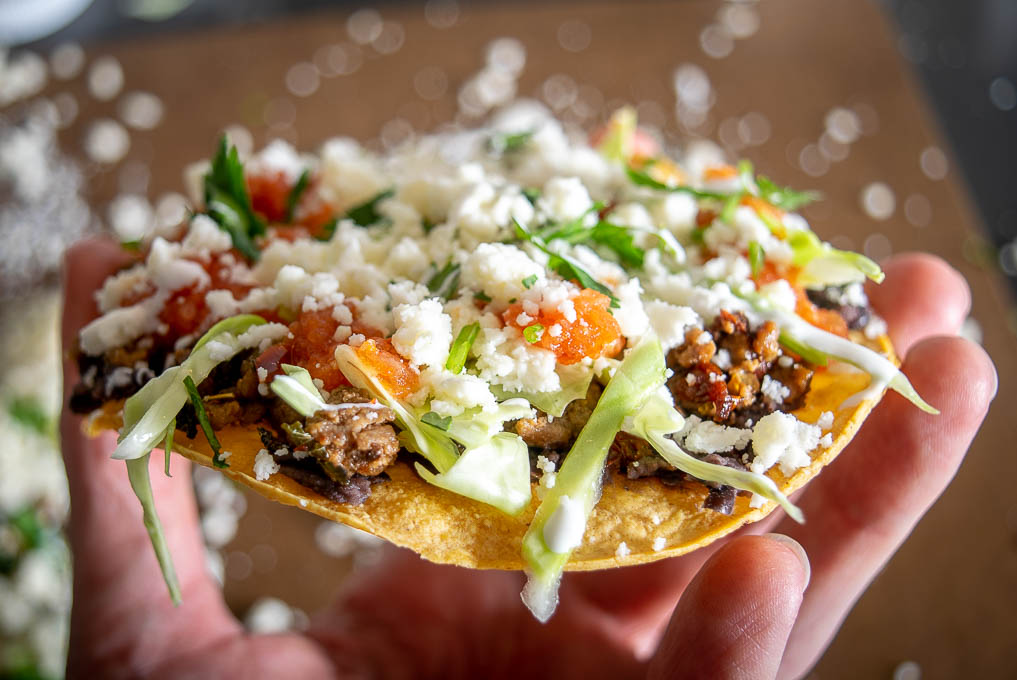
- Phase Three: The Assembly (Day-Of): Focus on high-impact, low-effort components. Tostadas and burritos are ideal for this stage because they are modular, allowing guests to customize their plates while keeping your plating responsibilities to a minimum.
Supporting Data: Why Freshness Matters
The culinary appeal of these recipes is rooted in the chemistry of fresh versus processed ingredients. For example, a homemade Pico de Gallo—comprised of diced tomatoes, white onion, cilantro, serrano peppers, and lime—provides a level of brightness that bottled alternatives simply cannot replicate.
According to recent consumer food trends, 74% of home cooks report that "freshness" is the primary factor in their enjoyment of a Mexican-inspired meal. Furthermore, incorporating vegetables like poblano peppers—a staple of the Quick Vegetarian Stuffed Poblano—adds both fiber and complex, earthy flavors that are often missing from standard, cheese-heavy appetizers.
Featured Recipes for the Modern Host
To provide a roadmap for your celebration, here is a breakdown of essential dishes that balance tradition with modern convenience:
1. The Essential Salsas and Dips
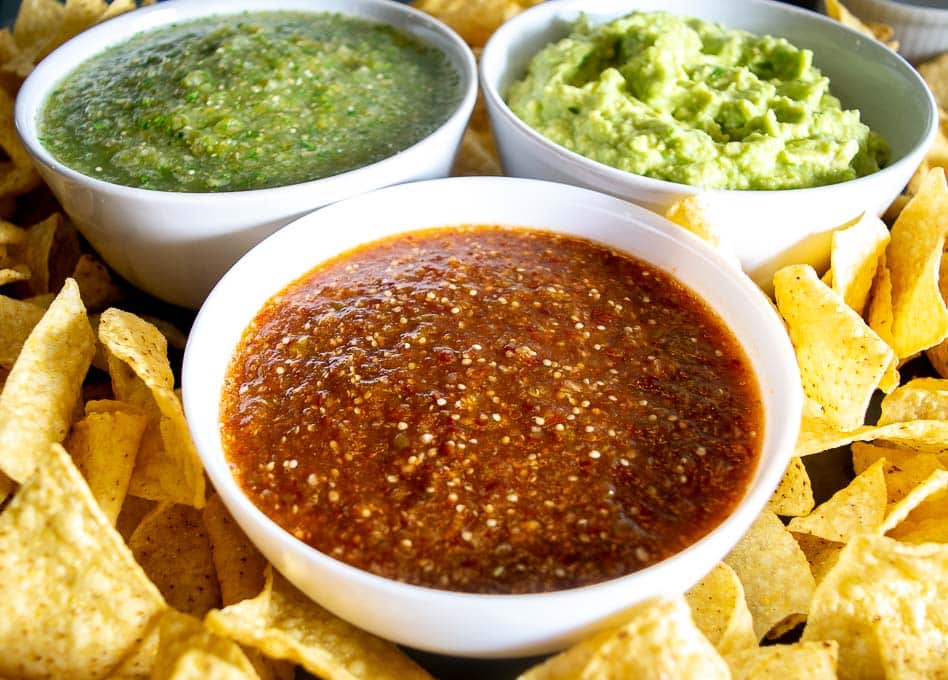
- Roasted Tomato and Tomatillo Salsa: By combining these two nightshades, you create a flavor profile that is both savory and tangy. Roasting the vegetables prior to blending adds a charred depth that acts as the perfect companion to fresh corn chips.
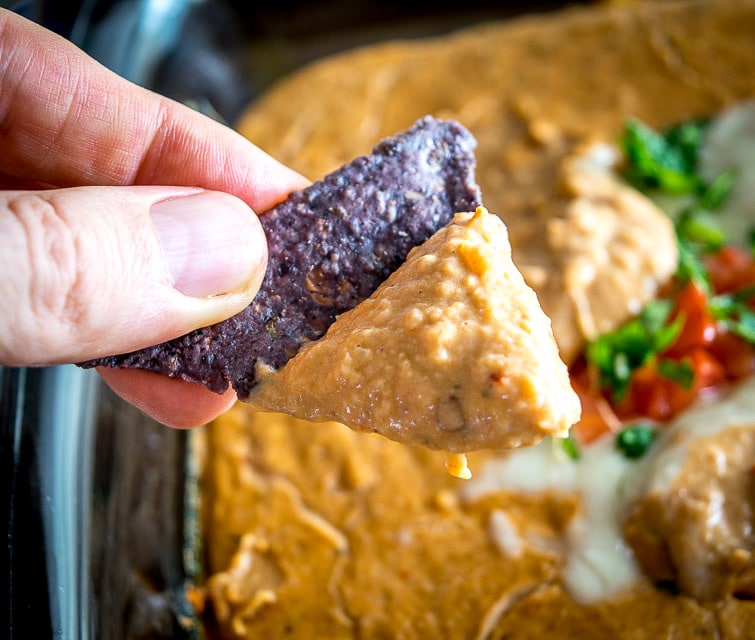
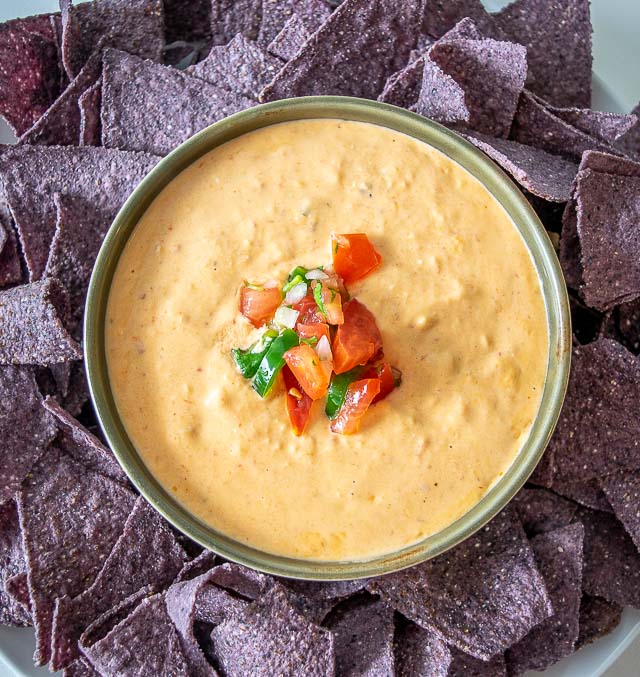
- Chipotle and Cheese Bean Dip: This is a quintessential "quick-win" dish. By utilizing chipotles in adobo, you infuse the dip with a deep, smoky heat that feels sophisticated but requires minimal effort. A dash of Mexican oregano serves as the perfect herbaceous finish.
- The Crowd-Pleaser Guacamole: If you are hosting a larger group of 10 to 20 people, simplicity is your best friend. A large-batch guacamole, combined with a fresh tomato-based salsa, serves as the anchor of the table, ensuring that no guest goes hungry while the main courses are being finalized.
2. The Main Courses: Efficiency Meets Tradition
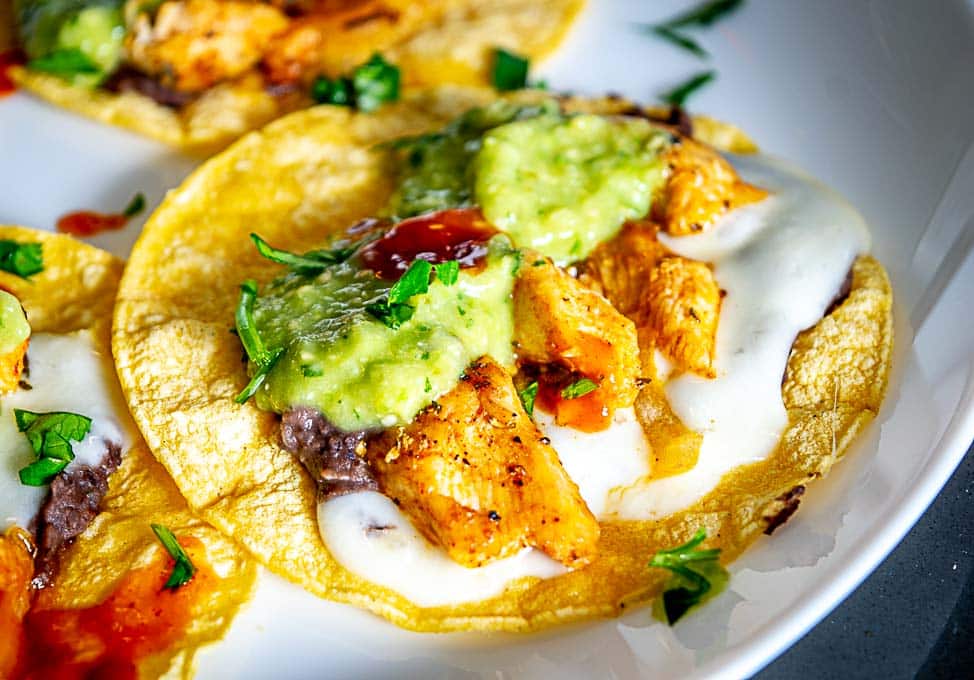
- Chicken Tacos with Avocado Salsa Verde: This dish highlights the "creamy green" profile of a well-made salsa verde. The key here is to keep the chicken simple, allowing the avocado-based sauce to take center stage.
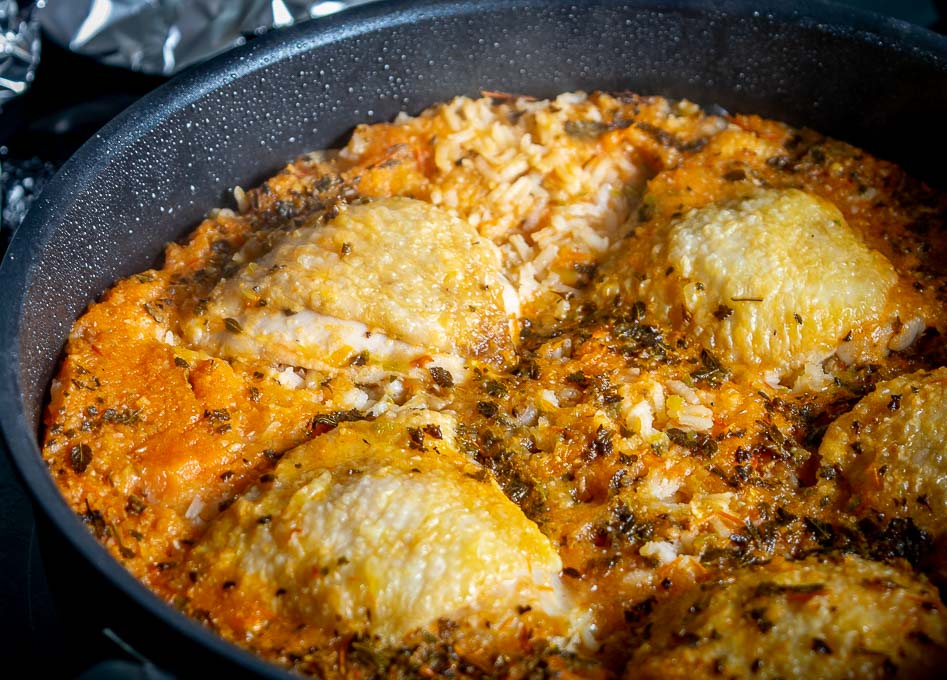
- Mexican Chicken and Rice (Arroz con Pollo): For a one-pot meal that delivers on comfort, this is the gold standard. It is a hearty, savory dish that minimizes cleanup while maximizing satisfaction.
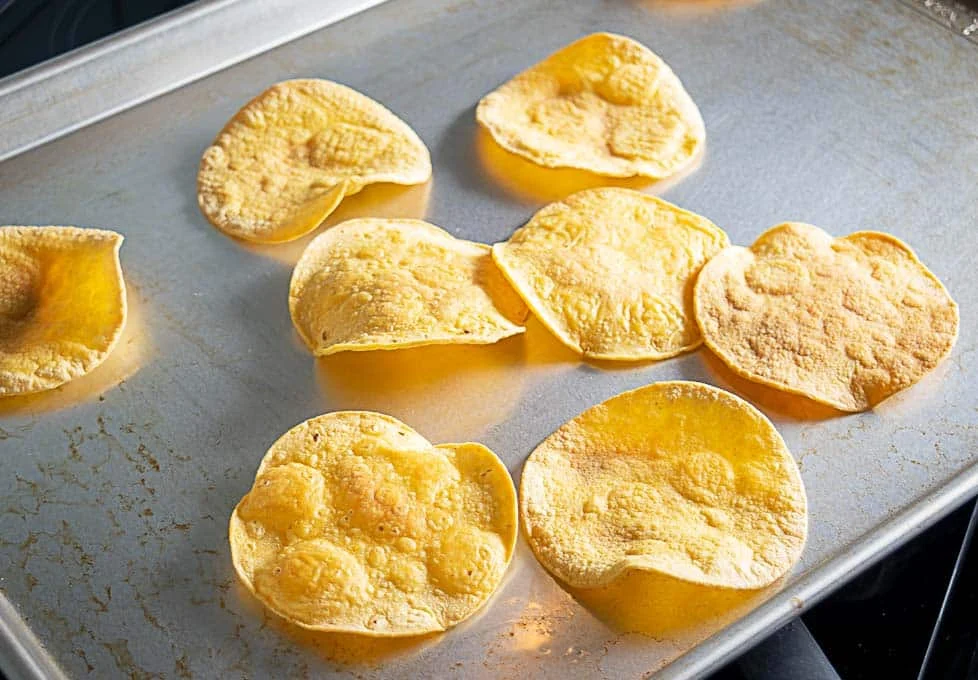
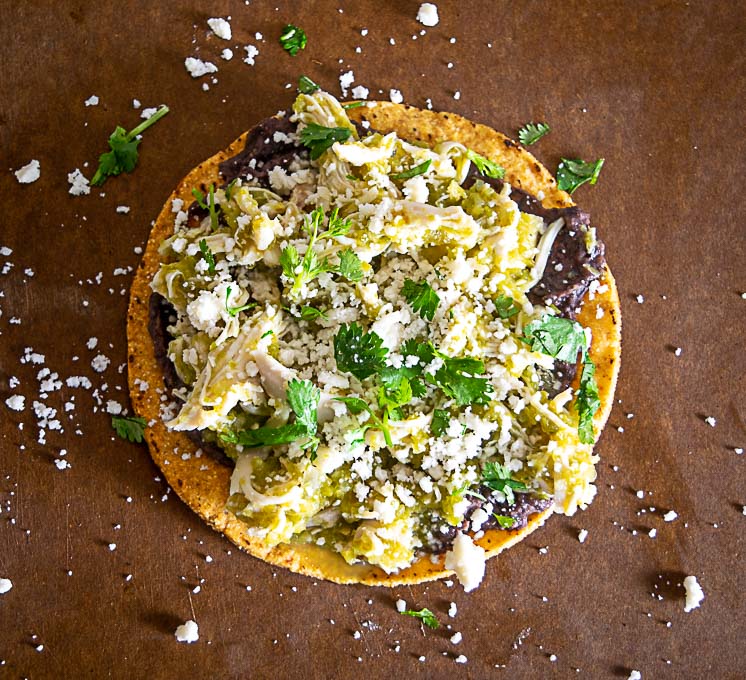
- Chicken Chile Verde Tostadas: Tostadas are an excellent way to serve a crowd. By preparing the chicken chile verde in advance, you can simply set out a spread of crispy shells, crumbled queso fresco, and fresh cilantro, allowing for an interactive dining experience.
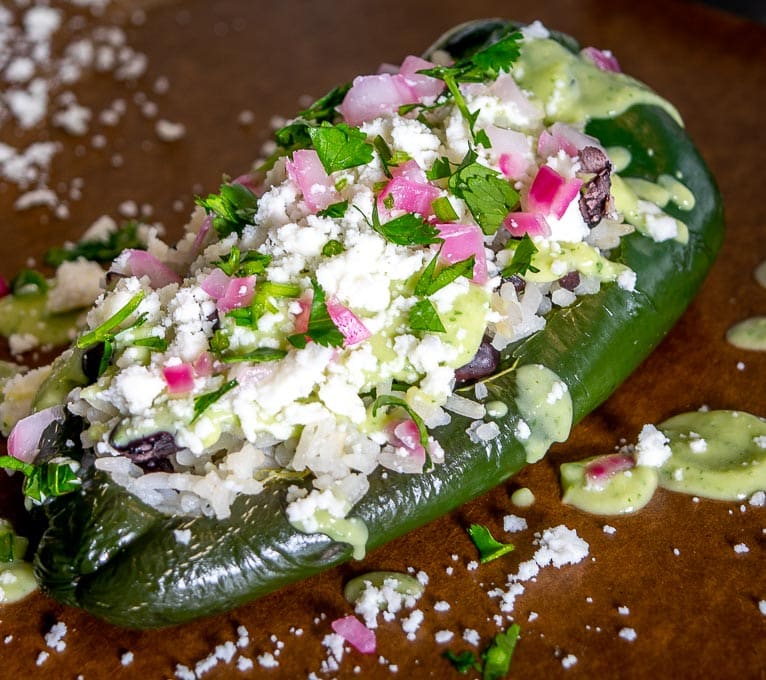
- Quick Vegetarian Stuffed Poblanos: This dish proves that vegetarian fare can be the highlight of the meal. The poblano pepper offers a mild heat that, when roasted and stuffed with a savory filling, provides an elegant and visually striking presentation.
3. The "Soul-Warming" Classics
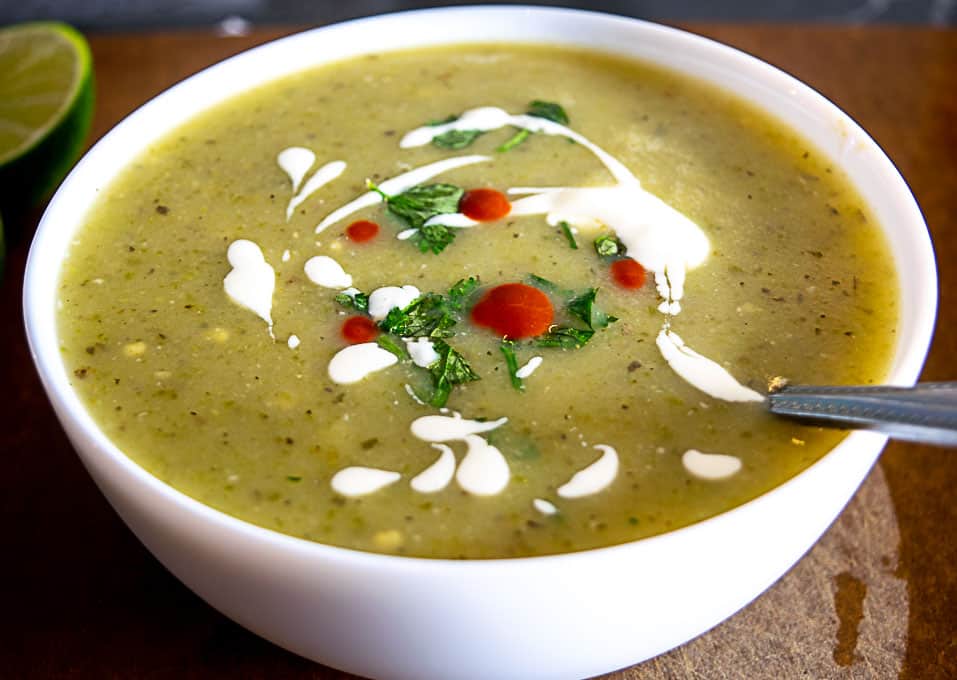
- Roasted Jalapeño Soup: For those who prefer a bit of fire, this soup is a standout. It is best served with crispy, cheese-stuffed mini quesadillas for dipping, providing a necessary crunch against the smooth texture of the soup.
- Mexican Bean Soup: A versatile, nutrient-dense option, this soup relies on the quality of your stock. Whether you use a homemade vegetable stock or a high-quality chicken base, this dish is a testament to the fact that simple ingredients, when simmered correctly, produce world-class results.
Implications for Future Gatherings
The move toward these "quick and easy" recipes has broader implications for the future of home cooking. As time becomes an increasingly scarce resource, the ability to produce authentic, high-quality meals without the need for extensive training or expensive equipment is empowering a new generation of cooks.
By selecting recipes that allow for batch preparation, you effectively reduce the "event stress" that often accompanies hosting. Furthermore, these dishes encourage a communal style of eating—tostadas, dips, and tacos are inherently social foods that foster conversation and interaction.
Expert Tips for Success
- Don’t Overcomplicate the Sides: If you are serving a complex main dish, keep the sides simple. A fresh slaw or a basic cucumber salad can cleanse the palate between bites of richer, cheese-heavy dishes.
- Source High-Quality Tortillas: The foundation of any taco or tostada is the tortilla. If possible, source locally made corn tortillas; they have a distinct flavor and structural integrity that supermarket brands often lack.
- The Power of Garnishes: Never underestimate the impact of fresh cilantro, diced white onion, and lime wedges. These are the "finishing salts" of Mexican cuisine—they provide the necessary acidity and brightness to cut through the richness of the meat and cheese.
Conclusion
Cinco de Mayo is more than just a date on the calendar; it is a celebration of flavor, history, and community. Whether you are hosting a small, intimate gathering or a large-scale fiesta, the goal remains the same: to create a space where people can connect over good food. By choosing recipes that are both accessible and deeply rooted in the traditions of Mexican cooking, you can ensure that your holiday celebration is both a culinary triumph and a relaxing, enjoyable experience for all involved.
As you plan your menu, remember that the best meals are those that are prepared with care, shared with laughter, and enjoyed in good company. Happy cooking, and may your Cinco de Mayo be filled with flavor.