From the rum-soaked escapism of Don the Beachcomber’s original 1930s vision to the contemporary craft cocktail revolution, "tiki" has always been a genre defined by duality. It is a category that promises an immediate, immersive vacation from the mundane, yet it has spent the better part of the last decade confronting a turbulent history of cultural appropriation and offensive caricatures.
In the July/August issue of Imbibe, Mixopedia columnist Wayne Curtis explores the ongoing evolution of this polarising genre. Today, a new generation of bar owners and mixologists are proving that the allure of tropical escapism need not come at the expense of integrity. Across the United States, bars are moving toward a more intentional, nuanced approach, choosing to either deeply honor the historical craft of the mid-century or completely reimagine the tiki narrative for a more conscious era.
The Evolution of Escapism: A Chronology of Change
The trajectory of tiki is a study in cultural adaptation. The movement began in the 1930s with Ernest Gantt, later known as Don the Beachcomber, whose rum-forward, fruit-heavy concoctions offered a fleeting sense of post-Depression relief. For decades, the aesthetic became synonymous with "Polynesian Pop," a stylized, often problematic interpretation of Pacific Island cultures that permeated American leisure.
The modern "tiki renaissance" can be traced back to the early 2000s, catalyzed by the obsessive research of Jeff “Beachbum” Berry. Berry’s detective work in tracking down lost, mid-century recipes transformed the genre from a kitschy curiosity into a serious culinary pursuit. However, as the craft cocktail movement matured, so did the industry’s scrutiny of the genre. The 2010s brought a necessary reckoning: bar owners began to acknowledge the harmful tropes inherent in the classic "Polynesian" theme. By 2016, institutions like San Francisco’s Smuggler’s Cove and San Diego’s False Idol began demonstrating that one could maintain the "escapist" atmosphere of tiki while discarding the racist baggage of its past.
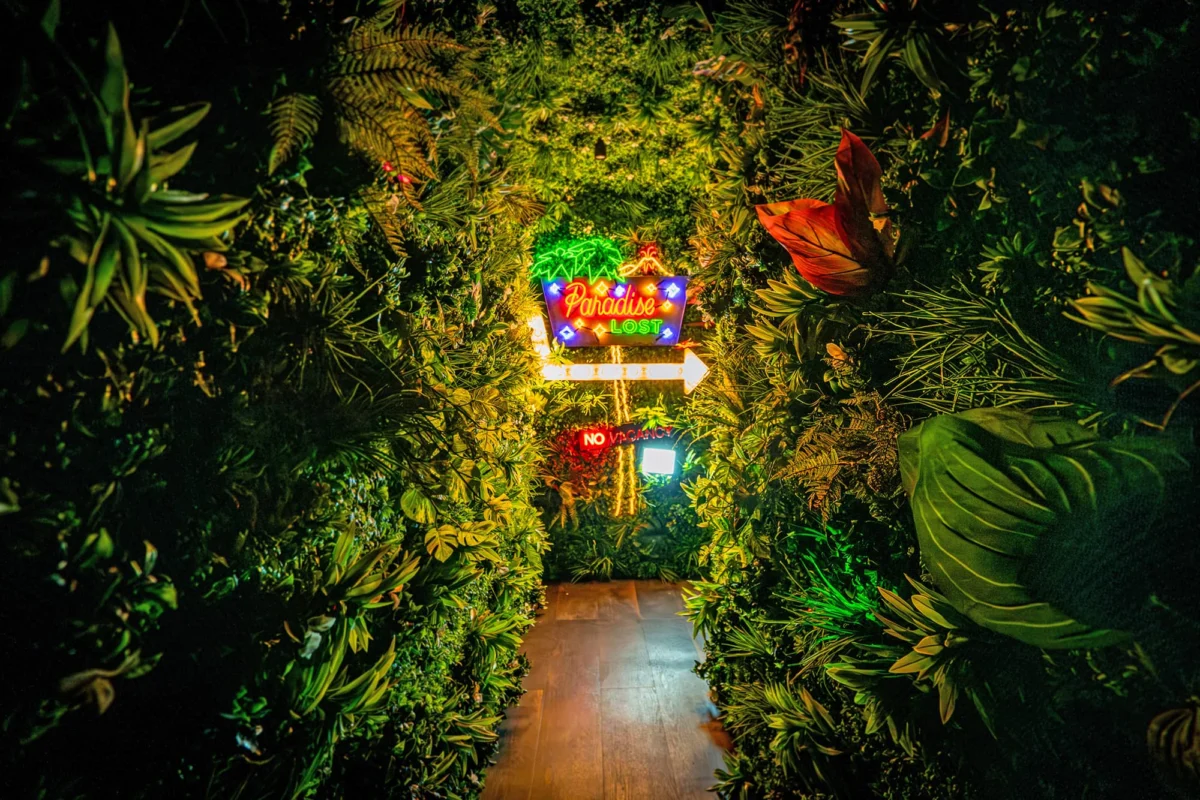
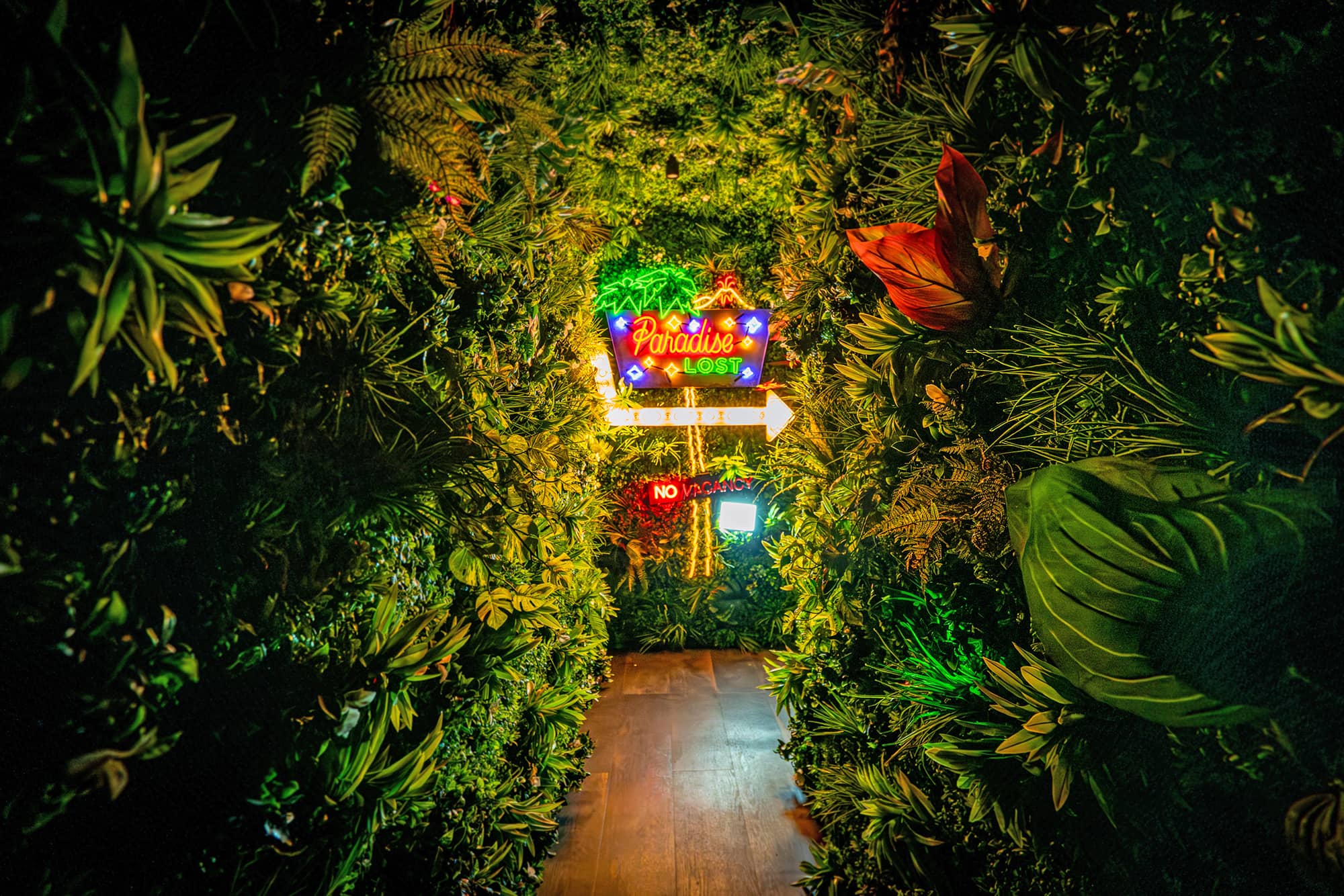
Today, we see the rise of the "post-tiki" era, where bars like New York’s Paradise Lost use punk aesthetics to subvert the genre, and San Diego’s Mothership pivots toward "retro-futuristic" space exploration, proving that the spirit of the cocktail experience—rum, spice, and atmosphere—is independent of colonial-era imagery.
Supporting Data: The Pillars of the New Wave
The contemporary landscape of the tropical bar scene is defined by high-level craftsmanship and intentional design. The following institutions represent the gold standard for this evolving category:
The Traditionalists with a Modern Sensibility
- Smuggler’s Cove (San Francisco): Founded in 2009 by Martin Cate, this bar is the benchmark for the modern era. It balances an expansive rum collection—one of the largest in North America—with a commitment to historical transparency. Cate emphasizes that learning from the past is the only way to ensure a brighter future for the spirit.
- Latitude 29 (New Orleans): Jeff Berry’s L29 remains a cornerstone of the NOLA scene. By focusing on the "mea ho‘okipa" philosophy—the Hawaiian custom of unselfish hospitality—Berry ensures the focus remains on the guest’s experience rather than the performative aspects of the genre.
- UnderTow (Phoenix): Part of the Century Grand destination, UnderTow treats its guests to a narrative experience inside an 1860s spice ship. Their focus is on historical accuracy; their bar team are "sticklers for history," perfecting 1930s and 40s recipes while innovating through original, complex house recipes.
The Reimagined Narratives
- Mothership (San Diego): A "tropical space adventure bar," Mothership completely detaches from earth-bound tropes. By focusing on cosmic exploration and retro-futurism, they summon the same sense of escapism without relying on the cultural appropriation of the Pacific.
- Paradise Lost (New York City): This East Village haunt swaps Polynesian gods for demonology and black magic. It is an act of aesthetic defiance that sheds the "sordid past" of tiki while maintaining the maximalist, immersive environment that fans of the genre crave.
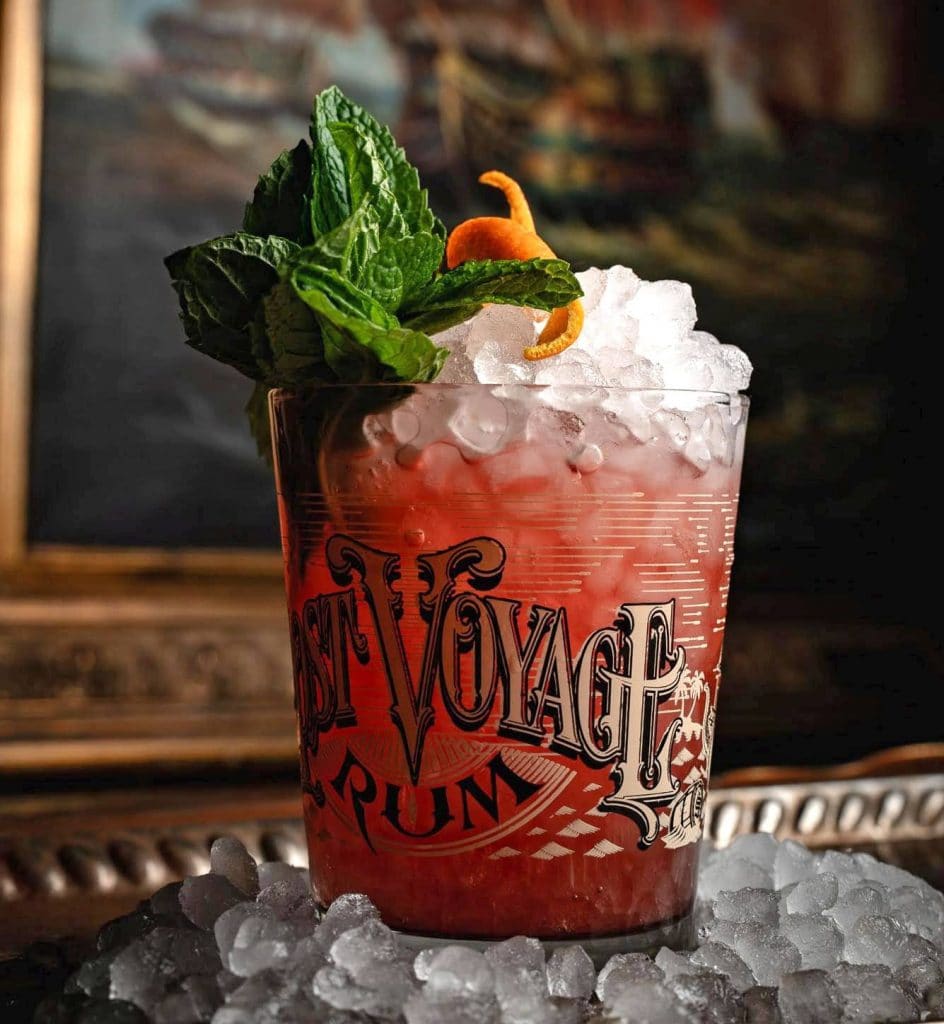
- Strong Water (Anaheim): Built within the hull of a fictional sunken ship, The Clementine, this venue emphasizes "a sense of wonder." Through their partnership with Ed Hamilton for their house "Lost Voyage" rum, they emphasize that they are caretakers of a legacy, not mere copycats.
Official Responses: The Philosophy of the New Guard
The leaders of this movement are acutely aware of the weight their chosen category carries. Their public statements reflect a pivot toward stewardship and intentionality.
On Hospitality and Ethics:
"We wanted to honor the best of tiki culture while pushing the genre forward," says Ryan Lotz of Boston’s Shore Leave. "We quickly realized that the pieces we loved were easy to keep respectfully, and the outdated, problematic tropes were even easier to leave behind." This sentiment is echoed across the industry, where the focus has shifted toward the provenance of the rum and the authentic hospitality of the staff.
On Creative Evolution:
Anthony Schmidt of False Idol notes that the menu is designed to facilitate a conversation. "Half the menu is devoted to time-tested tiki drinks. The other half is devoted to reconfiguring the classics in unique new ways, in an attempt to add to the conversation of what’s relevant." This duality allows guests to enjoy the comfort of a classic Mai Tai while engaging with the modern evolution of the flavor profile.
On Environmental and Atmospheric Design:
Garret Richard of Sunken Harbor Club describes the bar as a "living and breathing entity." By utilizing light shows and soundscapes, the bar creates a sequence of events—from the "Shallows" to the "Abyss"—that transforms the act of drinking into a piece of theatre. It removes the transactional nature of service and replaces it with a communal journey.
Implications: The Future of the Tropical Genre
The shift toward a more intentional tiki has several long-term implications for the hospitality industry:
- The Professionalization of Rum: As these bars continue to champion high-quality rums and advocate for transparency in production, the category of "tropical cocktails" is becoming a primary vehicle for educating consumers about rum production and labor standards.
- The Death of "Polynesian Pop": The success of bars like Mothership and Paradise Lost suggests that the aesthetic of the 1950s is no longer a requirement for success. By divorcing the flavor of the cocktail from the caricature of the culture, the industry is creating a sustainable path forward that does not rely on offensive imagery.
- The Rise of the "Third Place": In an era where many guests are tethered to their digital devices, the highly immersive, "world-building" nature of these bars provides a necessary refuge. Whether it is a train car in Phoenix or a demon-haunted tavern in the East Village, these spaces offer a tactile, sensory experience that cannot be replicated at home.
As the industry looks ahead, the consensus among these leading operators is clear: the goal is no longer to recreate the past, but to create a sense of wonder. By stripping away the layers of appropriation that once defined the category, modern bar teams are finding that the foundation of the genre—the complex interplay of rum, citrus, and spice—is more than robust enough to support a new, inclusive, and exciting future. The torches are still lit, but they are illuminating a much more thoughtful path.