In the ever-evolving landscape of modern gastronomy, few trends have managed to bridge the gap between high-end culinary innovation and the pragmatism of a busy household quite like the "Smash Burger Taco." This hybrid dish—which marries the iconic, caramelized crust of a classic American smash burger with the portable, handheld utility of a Mexican-inspired taco—has rapidly ascended from a social media trend to a staple of the home kitchen. By stripping away the heavy bun of a traditional burger and replacing it with a crisp, griddled tortilla, home cooks are discovering a faster, more texturally complex way to satisfy the classic cheeseburger craving.
The Anatomy of a Culinary Fusion: Main Facts
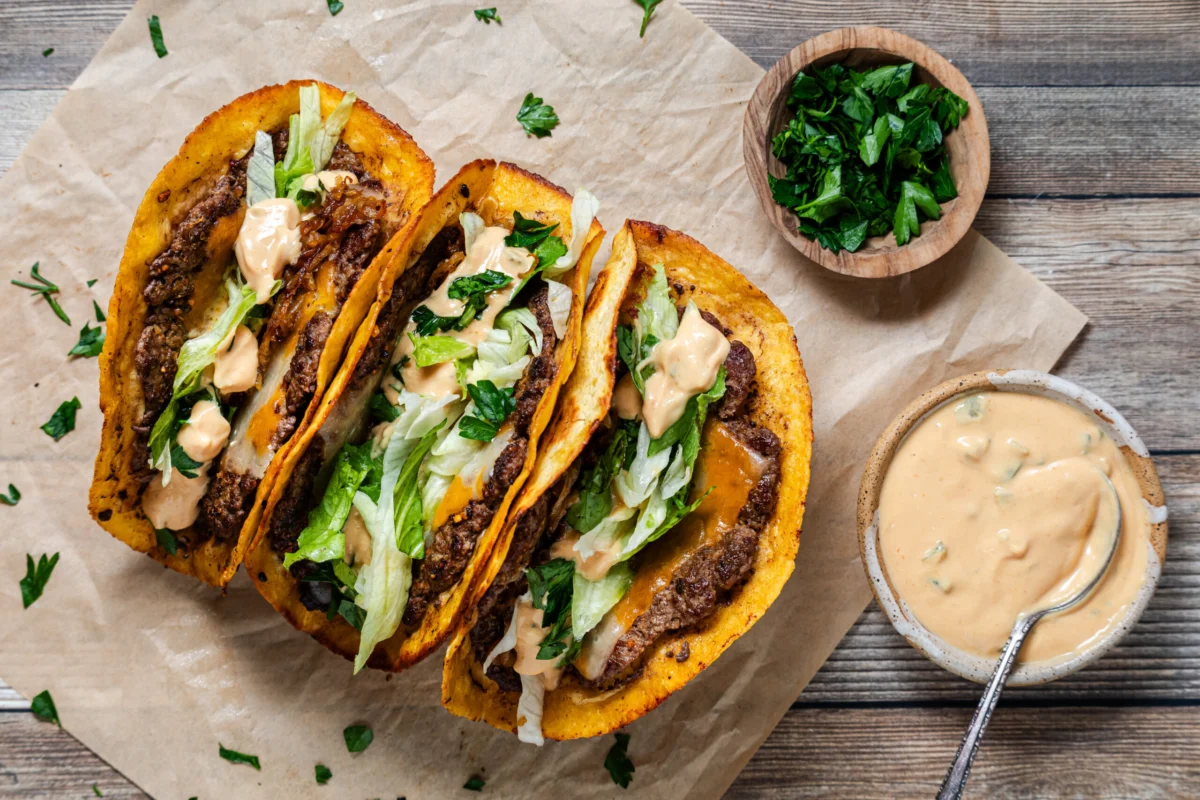
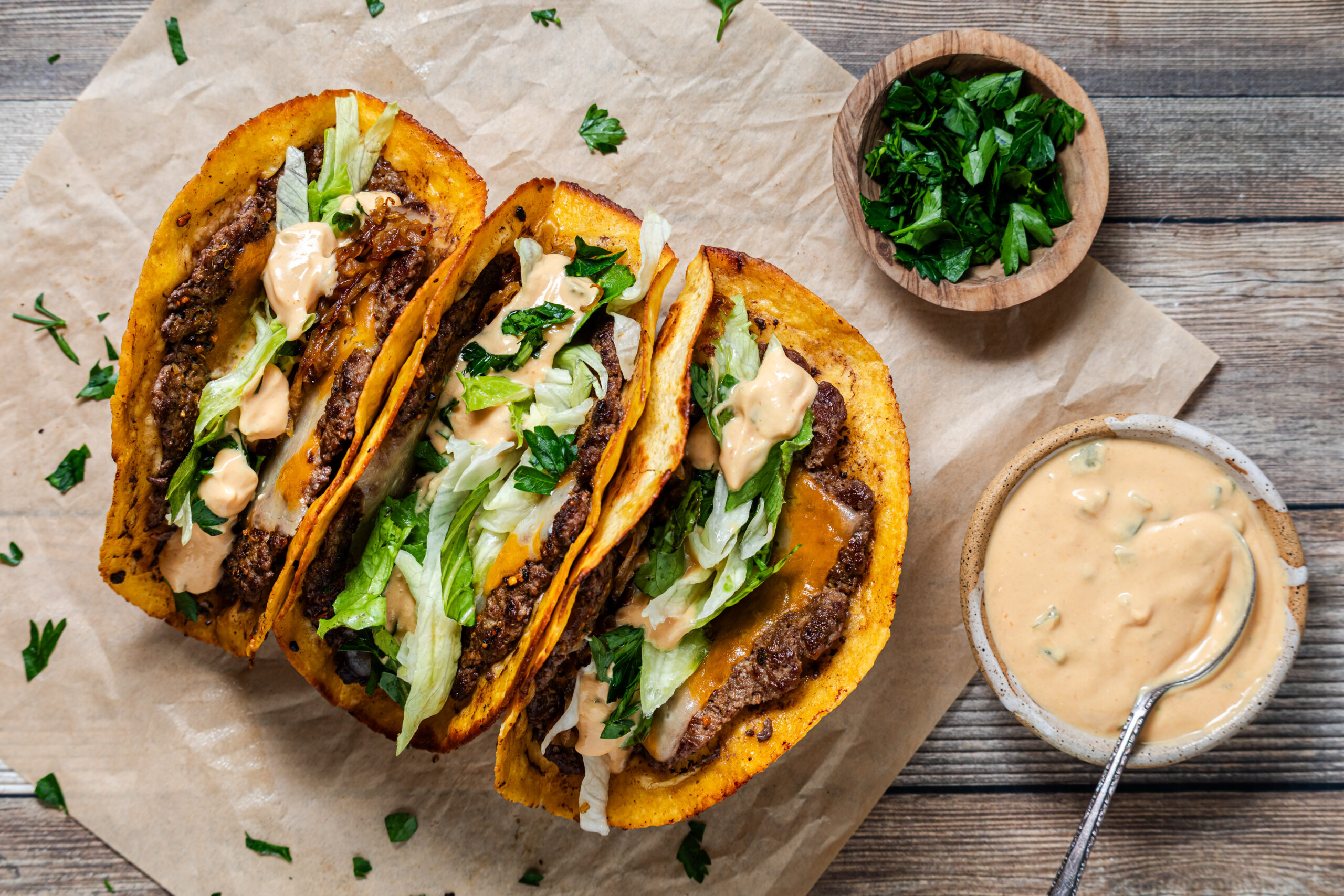
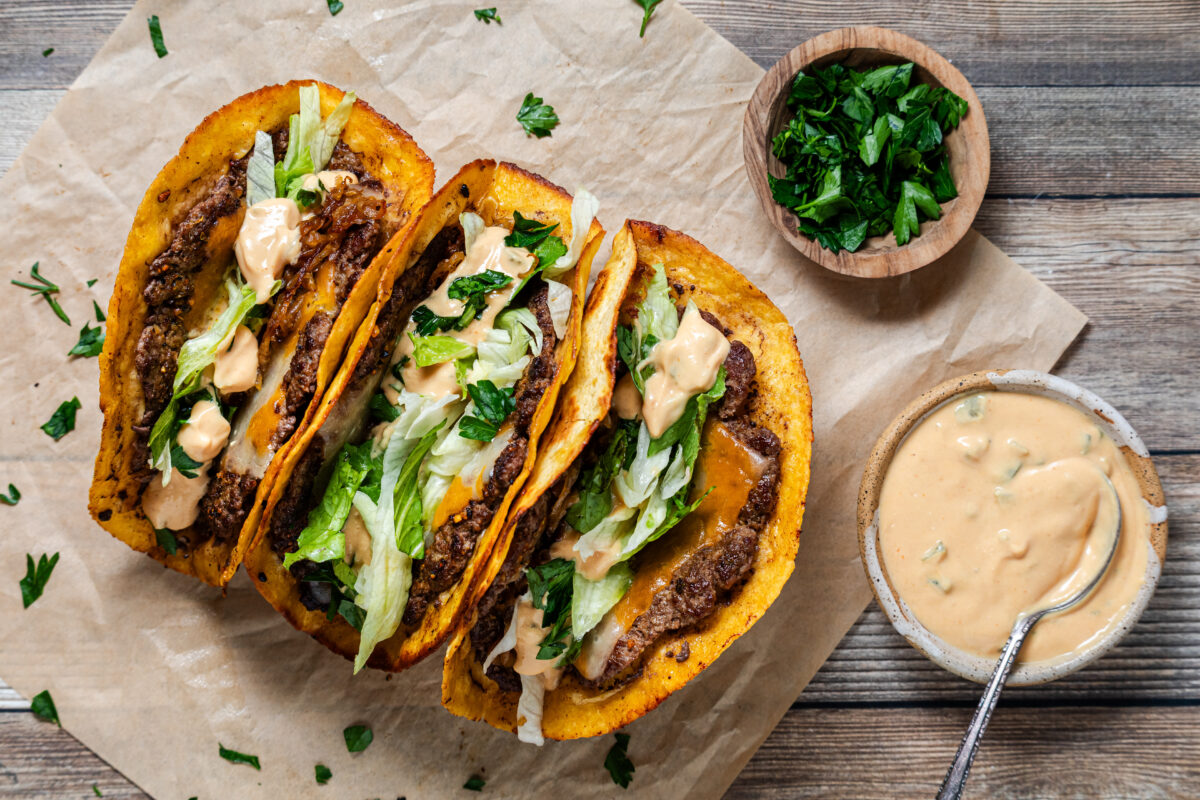
At its core, the Smash Burger Taco is a study in efficient flavor extraction. The technique involves taking a small ball of high-fat-content ground beef, placing it onto a raw flour tortilla, and smashing it flat against a searing-hot surface. As the beef sizzles, it creates a "Maillard reaction"—the chemical process that results in that signature deep-brown, savory crust—while simultaneously steaming the tortilla into a crispy, golden-brown shell.
The result is a dish that achieves what a standard burger often struggles with: consistency. Because the meat is spread thin, it cooks in a fraction of the time required for a thick patty. The tortilla acts as both a vessel and a flavor sponge, absorbing the rendered beef fat. When finished with a smear of house-made burger sauce, sharp cheddar cheese, and fresh produce, the taco becomes a complete, balanced meal that requires minimal cleanup.
The Evolution of the Trend: A Chronology
The rise of the Smash Burger Taco can be traced back to the mid-2020s, coinciding with a broader shift in domestic cooking habits.
- 2023-2024: The Proliferation of "Smashed" Techniques: The smash burger technique, popularized by boutique burger joints, migrated into home kitchens as social media creators began showcasing the ease of the griddle method.
- 2025: The Tortilla Pivot: Culinary influencers began experimenting with replacing buns to save time and reduce carbohydrate intake, leading to the "viral taco" format.
- 2026: Mainstream Adoption: By mid-2026, the Smash Burger Taco became a permanent fixture in meal-planning blogs and family-focused culinary sites, recognized for its efficiency and "kid-friendly" appeal.
What began as a novel way to use leftover tortillas has evolved into a deliberate, planned meal, with grocery stores now stocking "taco-sized" flour tortillas specifically marketed for this purpose.
Supporting Data: Why It Works
From a nutritional and practical standpoint, the success of the Smash Burger Taco is supported by several factors:
- Efficiency of Scale: The total prep time is approximately 15 minutes, with a cook time of just 10 minutes. In an era where the "average" family dinner window is shrinking, a 25-minute total investment is a significant draw.
- Texture Profiles: The interplay between the crispy, browned meat and the charred tortilla provides a "crunch factor" that is often missing from soft-bun burgers.
- Versatility: Data from recipe repositories suggests that the dish is highly adaptable. With a base of meat, cheese, and tortilla, the "customization index" is high, allowing households to adjust the recipe based on dietary preferences—ranging from lean turkey to plant-based meat substitutes.
Culinary Perspectives: Expert Tips for the Home Chef
To achieve the professional-grade results often seen in viral videos, culinary experts emphasize the importance of thermal management and technique.
The Importance of the "Thin Press"
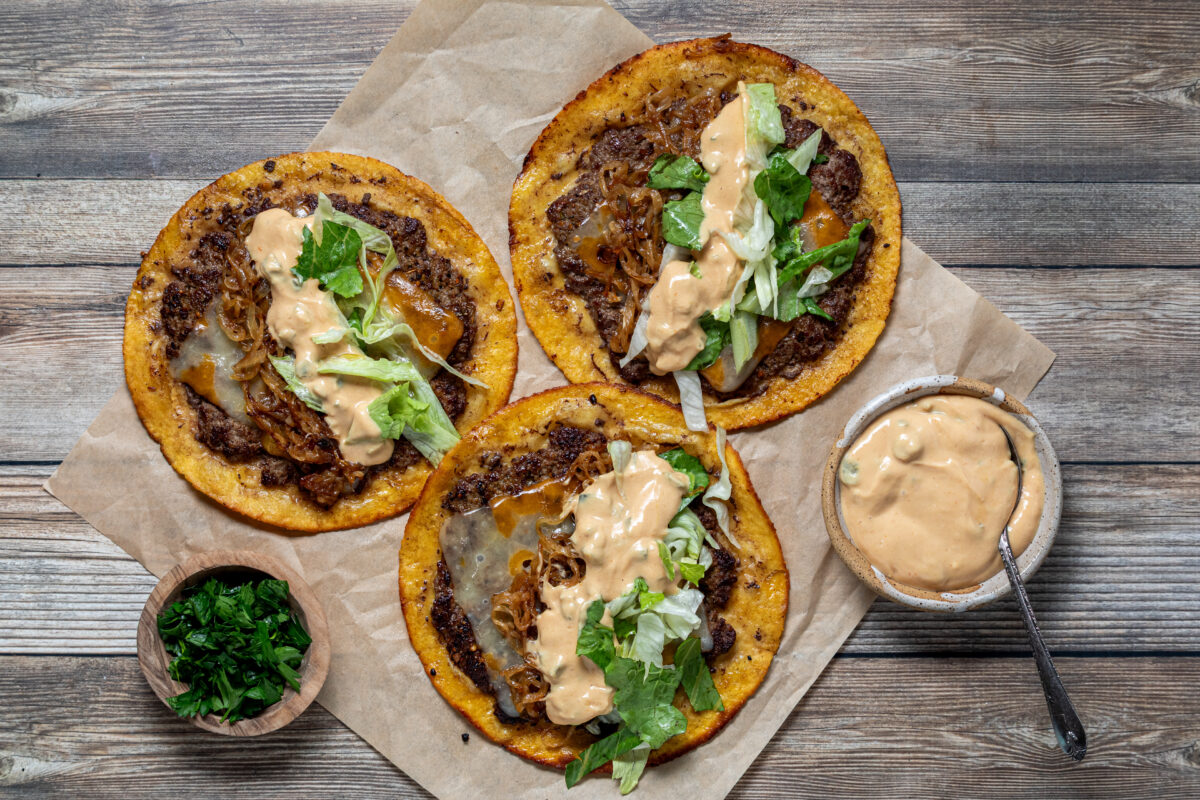
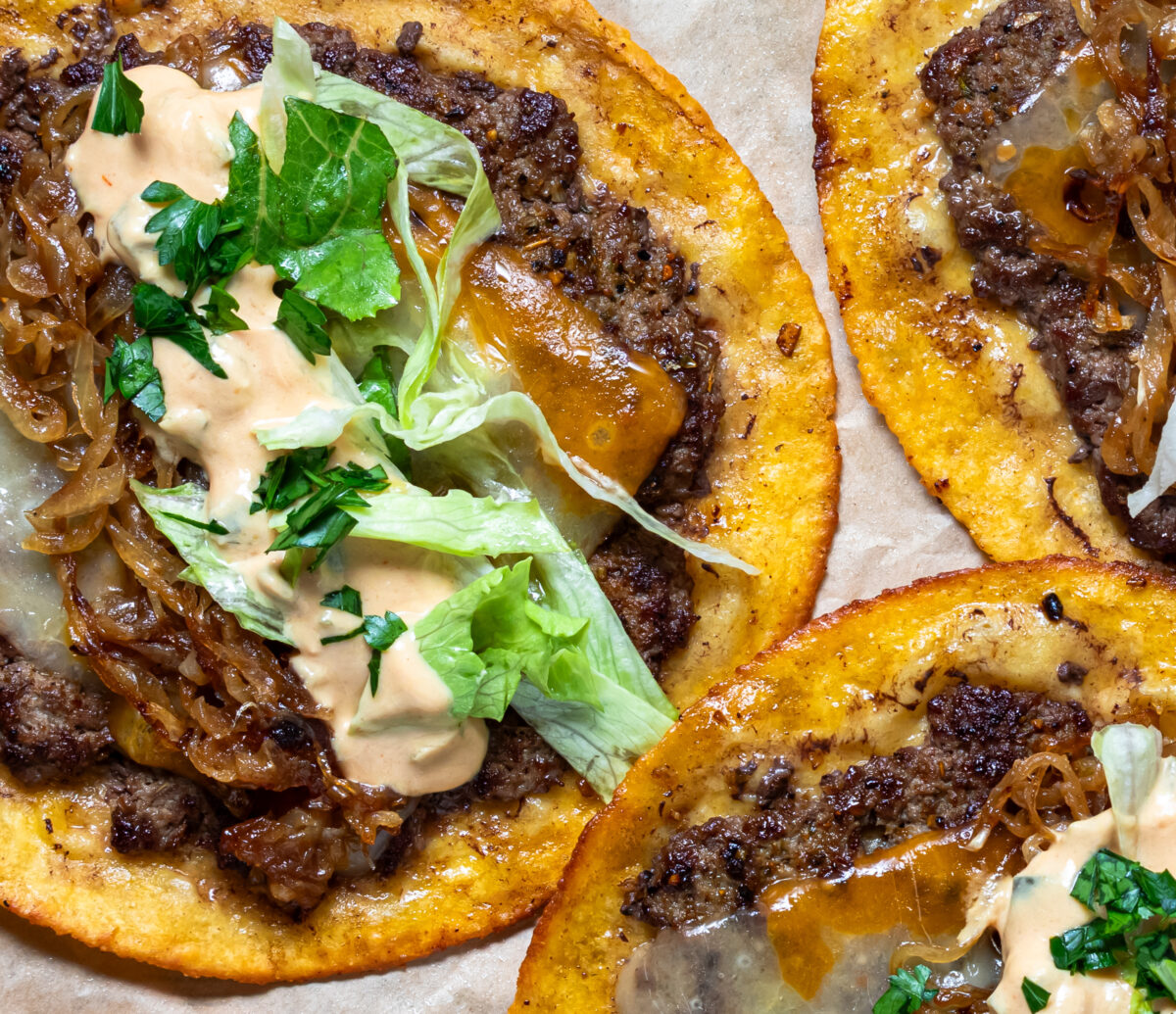
The most critical error home cooks make is using too much meat. A Smash Burger Taco should feature a thin, almost translucent layer of beef. When the meat is too thick, the moisture content prevents the tortilla from crisping, resulting in a soggy, unappealing texture. The goal is to maximize surface area to ensure every bite contains the caramelized edges that define the smash burger experience.
Thermal Integrity: The Hot Skillet
A cold or warm pan is the enemy of this dish. The skillet—preferably cast iron or heavy-duty stainless steel—must be preheated until it is nearly smoking. This thermal shock is what triggers the Maillard reaction. If the pan is not hot enough, the meat will steam in its own juices, leaving the taco grey and flavorless.
Strategic Sequencing
Always place the meat-side down first. By allowing the beef to bond with the tortilla during the initial sear, you create a structural integrity that makes the taco easier to flip and fold without the filling falling out. Following this with a brief, high-heat sear on the tortilla side ensures the shell achieves the desired crunch.
Creative Variations and Implications for Home Dining
The Smash Burger Taco is not merely a recipe; it is a framework for creativity. As the dish has gained popularity, several distinct variations have emerged, reflecting regional and personal tastes:
- The "Big Mac" Adaptation: Mimicking the classic fast-food profile, this version incorporates shredded iceberg lettuce, finely diced white onions, pickles, and a "special sauce" (typically a blend of mayo, ketchup, mustard, and paprika).
- The Spicy Southwest: By substituting pepper jack cheese for standard cheddar and adding fresh jalapeños or a chipotle-infused aioli, the taco takes on a bolder, heat-forward profile.
- The Gourmet BBQ: This iteration replaces traditional burger condiments with a tangy barbecue sauce, adding pickled red onions and sharp cheddar to provide a sharp contrast to the richness of the beef.
- The Lean Alternative: For those seeking lighter fare, ground turkey or chicken can be used. Culinary experts suggest adding a dash of Worcestershire sauce or smoked paprika to the poultry to replicate the savory "umami" punch of beef.
Implications: The Future of the Family Meal
The widespread adoption of the Smash Burger Taco signals a shift in how families approach "fast food" at home. Rather than relying on external delivery services, families are reclaiming the convenience of quick, handheld meals by optimizing traditional favorites.
The implications are twofold: first, it encourages home cooks to experiment with techniques usually reserved for restaurant lines. Second, it highlights the enduring demand for interactive, customizable meals where individuals can modify their portions and toppings. As we look toward the future of home cooking, the Smash Burger Taco serves as a prime example of "culinary convergence"—the blending of disparate cultural traditions into something entirely new, accessible, and deeply satisfying.
Conclusion: A Staple for the Modern Kitchen
Whether you are preparing a quick Tuesday night dinner, hosting a game day gathering, or looking for a fun project for children, the Smash Burger Taco offers a reliable, high-reward solution. By mastering the heat of the skillet, keeping the meat thin, and embracing the flexibility of the toppings, the home chef can elevate this simple concept into a gourmet experience. It is a testament to the fact that you do not need complex equipment or hours of preparation to create a meal that feels both indulgent and thoughtfully made.
As this trend continues to mature, one thing is clear: the Smash Burger Taco has earned its place in the modern culinary lexicon, proving that sometimes, the best recipes are the ones that break the rules of how we define a burger—and a taco.