In the vast, standardized aisles of the modern Dutch supermarket, the humble brown bean reigns supreme. It is a staple of convenience—ubiquitous, affordable, and predictable. Yet, tucked away in the shadows of this culinary monopoly lies a regional treasure with a storied past and a flavor profile that challenges the hegemony of the common legume: the Giele Wâltbeantsje.
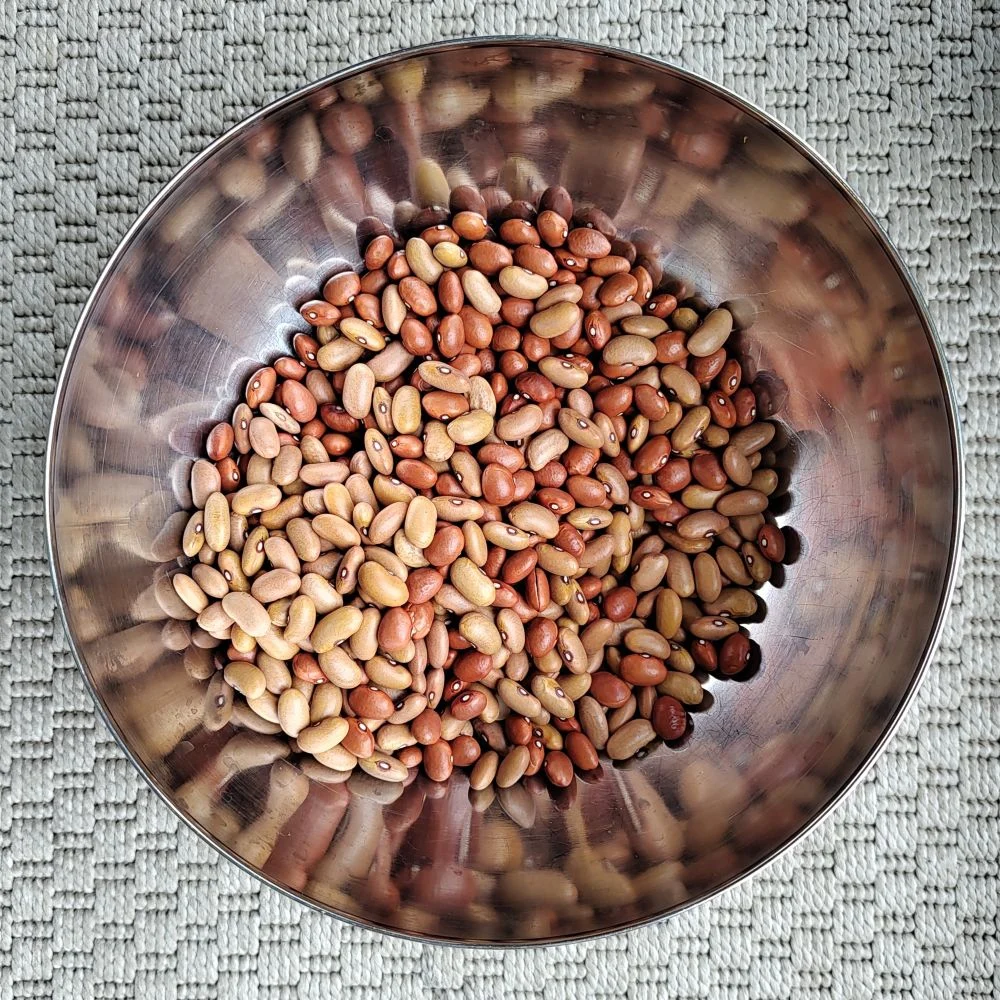
With its yellowish, light-brown hue and a size slightly more generous than its supermarket cousin, the Giele Wâltbeantsje is a Frisian heirloom variety that has managed to survive despite the pressures of industrial agriculture. While its origins are deeply rooted in the soil of Friesland, the bean is a testament to the resilience of agricultural heritage, currently finding a new generation of admirers through sustainable initiatives like Ekoto.
Main Facts: The Anatomy of a Frisian Legacy
The Giele Wâltbeantsje (Frisian for "Yellow World Bean") is not merely a food source; it is a cultural artifact. Botanically, it belongs to the Phaseolus vulgaris family, yet it possesses distinct characteristics that separate it from the mass-produced brown bean.
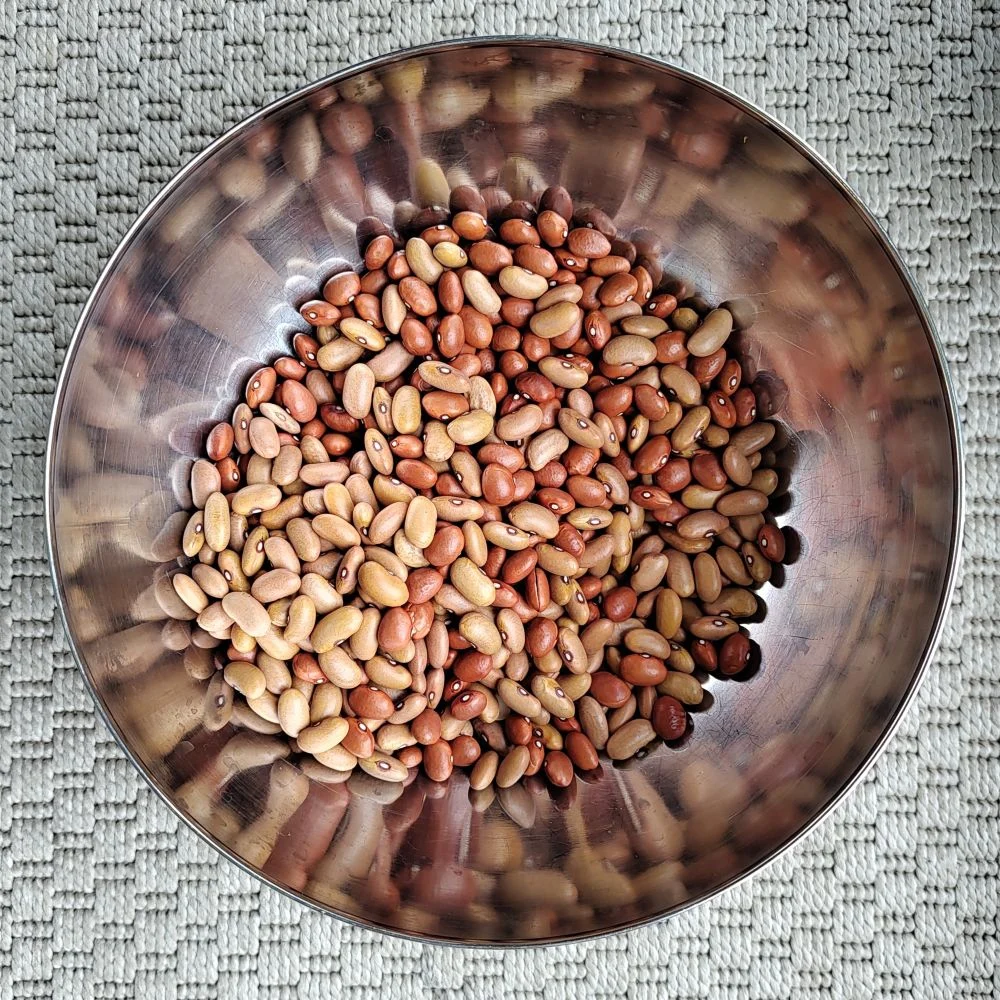
- Physical Appearance: In its dried state, the bean presents a pale, sandy-yellow color. Once rehydrated and cooked, it darkens, closely mimicking the aesthetic of the standard brown bean, though its size remains noticeably larger.
- Cultivation: While traditionally Frisian, the beans are currently being grown in regions such as Brabant, proving that heirloom varieties can adapt to different soil types within the Netherlands.
- Culinary Versatility: Beyond traditional soups and stews, the Giele Wâltbeantsje is gaining a reputation as a highly versatile ingredient. Its texture holds up remarkably well under pressure—literally—as anecdotal evidence suggests it survives pressure-cooking processes better than many conventional varieties.
- Accessibility: Unlike the ubiquitous brown bean, the Giele Wâltbeantsje is currently a specialty item, found primarily in niche health food stores, online sustainable platforms, and local markets in Friesland.
A Chronology of the Heirloom Bean
The story of the Giele Wâltbeantsje is one of survival against the tide of agricultural homogenization.
The Era of Traditional Subsistence (Pre-1950s)
Historically, the Frisian countryside was dotted with small-scale farmers who cultivated specific legume varieties tailored to the local climate. The Giele Wâltbeantsje was a staple of the winter diet, prized for its ability to be dried and stored for years, providing a vital source of protein during the colder months when fresh produce was unavailable.
The Industrial Shift (1960s–2000s)
As post-war agriculture shifted toward monoculture and mechanized harvesting, many heirloom varieties fell by the wayside. The standard brown bean became the industry darling due to its uniform ripening cycle and ease of processing. The Giele Wâltbeantsje, perhaps less "resilient" in the eyes of industrial logistics or simply the victim of poor marketing, retreated into regional obscurity.
The Revival (2010s–Present)
The rise of the "farm-to-table" movement and a renewed interest in agrobiodiversity have provided a lifeline for the Giele Wâltbeantsje. Organizations such as Ekoto have begun sourcing these beans from regional farmers, bringing them back into the kitchens of home cooks who prioritize sustainability and flavor over the convenience of the supermarket shelf.
Supporting Data: Nutrition and Culinary Performance
While the Giele Wâltbeantsje is often discussed in terms of its heritage, its functional performance in the kitchen is what will ultimately dictate its market success.
The Pressure Cooker Test
A common point of contention among dried-bean enthusiasts is the necessity of soaking. While conventional wisdom suggests a multi-hour soak to ensure even cooking and improved digestibility, recent anecdotal experiments have demonstrated the robustness of the Giele Wâltbeantsje. When subjected to a pressure cooker without prior soaking, the bean not only retained its structural integrity but also achieved a desirable tenderness that rivals commercial varieties. This "forgiving" nature makes it an excellent candidate for modern, time-pressed households.
Culinary Applications
- Stews and Soups: Its starch content provides a natural thickening agent for traditional winter soups.
- Chili Con Carne: The larger size of the bean adds a hearty, meat-like mouthfeel that complements the spicy complexity of chili.
- Modern Confectionery: Perhaps the most intriguing development is the use of beans in baking. Much like black beans, the Giele Wâltbeantsje can be processed into a purée and used as a base for brownies. Its subtle, earthy flavor profile blends seamlessly with cocoa, resulting in a protein-rich, gluten-friendly dessert that retains moisture without the "beany" aftertaste one might fear.
Official Responses and Producer Insights
The producers, such as those associated with the Ekoto platform, view the Giele Wâltbeantsje as a crucial component of a more resilient food system. In discussions regarding the bean’s market presence, the consensus is that the Giele Wâltbeantsje suffers not from a lack of quality, but from a lack of exposure.
"The brown bean had better marketers," one representative noted. The industry shifted toward varieties that could withstand long-distance shipping and machine processing with minimal breakage. The Giele Wâltbeantsje, being a bit more delicate, required a more careful supply chain. However, as consumers begin to demand transparency and local origin, the logistical "difficulty" of the Giele Wâltbeantsje is increasingly being rebranded as a mark of artisanal quality.
Implications: The Future of Heritage Legumes
The Giele Wâltbeantsje serves as a microcosm for the larger movement toward food sovereignty in Europe.
1. Promoting Agrobiodiversity
By choosing to grow and consume heirloom varieties, farmers and consumers are actively participating in the preservation of genetic diversity. Monoculture leaves the food supply vulnerable to disease and climate shifts; having a diverse portfolio of beans—like the Giele Wâltbeantsje—is a form of agricultural insurance.
2. Redefining "Convenience"
The supermarket model defines convenience as "available everywhere." The artisan model defines it as "easily usable." As the Giele Wâltbeantsje demonstrates, heirloom beans can be just as easy to prepare as their industrial counterparts, provided consumers are willing to bypass the traditional supermarket aisle.
3. Economic Impact on Local Farmers
When consumers purchase these beans from platforms like Ekoto, they are bypassing the long supply chains that strip profits from farmers. The price point of the Giele Wâltbeantsje, while higher than the standard brown bean, reflects the true cost of production, including the labor involved in preserving a regional specialty.
Conclusion: A Call to the Kitchen
The Giele Wâltbeantsje is more than just a bean; it is a delicious reminder that history is something we eat. Its survival is a testament to the farmers who kept the seeds and the cooks who keep the recipes alive.
Whether you are simmering it in a Dutch stew, incorporating it into a fiery bowl of chili, or folding it into a batch of decadent chocolate brownies, the Giele Wâltbeantsje offers a connection to the Frisian landscape that no mass-produced brown bean can replicate. It is an invitation to explore the world of heirloom legumes—one that starts with a simple, yellow-ish bean and ends with a culinary experience that is as rich in history as it is in flavor.
Next time you find yourself browsing for staples, consider looking beyond the standard, mass-market options. The Giele Wâltbeantsje is waiting—not just to be eaten, but to be rediscovered.