In the evolving landscape of modern nutrition, the search for a breakfast that balances health-conscious constraints with the soul-satisfying experience of traditional comfort food has long been a culinary challenge. For those adhering to the Paleo lifestyle—a nutritional regimen modeled on the presumed diet of Paleolithic humans—the loss of grain-based staples like pancakes is often felt deeply. However, a new standard in gluten-free, grain-free baking has emerged, proving that pancakes can be both highly nutritious and indistinguishable from their conventional counterparts.
Main Facts: The Science of the Paleo Pancake
The secret to this culinary breakthrough lies in the precise synergy between two primary ingredients: blanched, finely ground almond flour and tapioca starch. Unlike wheat-based flours, which rely on gluten for structural integrity, almond flour provides a nutrient-dense base rich in healthy monounsaturated fats and protein.
However, almond flour alone often struggles to mimic the "springy" texture of traditional wheat pancakes. The addition of tapioca starch—a gluten-free, Paleo-compliant extract from the cassava root—acts as a binding agent that provides the necessary elasticity. This combination allows for a batter that holds its structure during the cooking process, resulting in a product that is moist, tender, and remarkably close to the "real thing."

These pancakes are not merely a dietary compromise; they are a functional food. Each serving offers a significant protein boost, designed to sustain energy levels throughout the morning, thereby addressing the common criticism that grain-free breakfasts lack staying power.
Chronology: From Concept to Griddle
The development of this specific recipe follows a rigorous, three-stage preparation process designed to maximize the performance of almond-based ingredients:
- Preparation and Hydration: The process begins with the careful whisking of dry ingredients—almond flour, tapioca starch, and leavening agents—to ensure an even distribution. Because almond flour is prone to clumping due to its natural oil content, this stage is critical. Once the wet ingredients (eggs, milk, honey, and coconut oil) are incorporated, the batter undergoes a 10-minute rest. This "rest" is not a suggestion but a requirement; it allows the flours to hydrate, ensuring the batter achieves the consistency of heavy cream before hitting the heat.
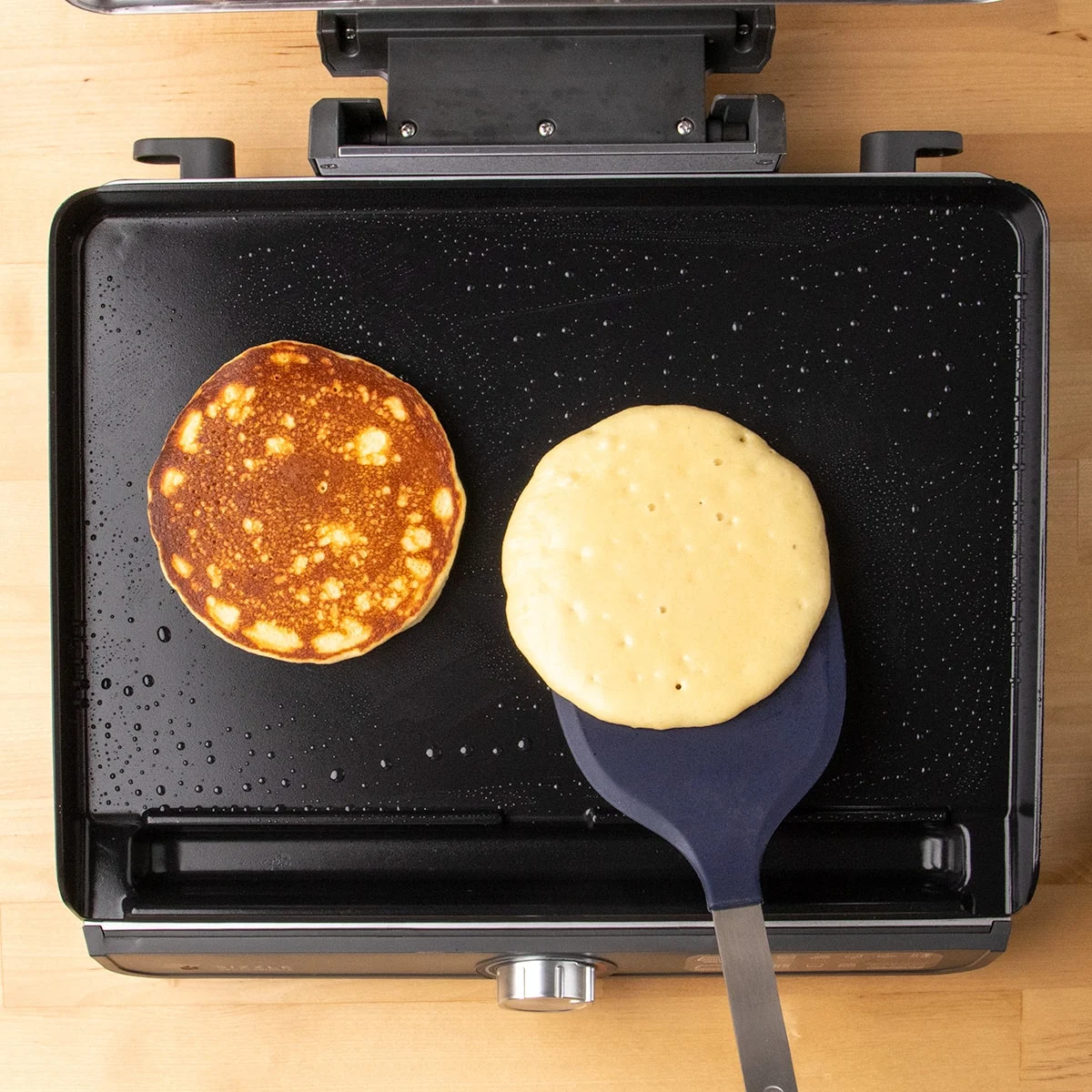
- The Thermal Threshold: The cooking stage requires a departure from traditional high-heat frying. Because the high fat content in almond flour makes it susceptible to rapid browning and burning, practitioners must maintain a controlled temperature between 325°F and 350°F.
- The Technique of the Turn: Unlike standard batter, which bubbles rapidly, these pancakes require patience. The cook must observe the surface for large bubbles and set edges—a signal that the structure is firm enough for the flip. A wide, non-stick spatula is essential to maneuver the delicate cakes without breakage.
Supporting Data: Nutritional Breakdown
For the health-conscious consumer, transparency in nutritional content is paramount. The following profile represents the average values for a single serving (one pancake), demonstrating the benefits of this nutrient-dense alternative:

- Calories: 215 kcal
- Protein: 7g
- Carbohydrates: 16g
- Fat: 15g (primarily heart-healthy fats from almonds)
- Fiber: 2g
The high fat and protein content significantly lower the glycemic impact compared to standard white-flour pancakes, which often trigger a rapid spike in blood glucose followed by a mid-morning energy crash. Furthermore, the use of natural, unrefined sweeteners like honey and the option for maple syrup (a Paleo-legal, natural sugar) align with the philosophy of consuming whole, unprocessed ingredients.
Official Responses and Expert Culinary Guidance
Industry experts and developers like Nicole Hunn, creator of Gluten Free on a Shoestring, emphasize that the primary obstacle for home cooks is the lack of precision. "Good, for gluten-free, just isn’t good enough," Hunn notes, advocating for the use of digital kitchen scales.
The expert consensus on common failure points includes:

- The "Almond Meal" Fallacy: Users frequently confuse almond flour with almond meal. Almond meal includes the dark skins of the almonds, which creates a coarse, gritty texture that prevents the batter from emulsifying properly.
- Leavening Issues: Traditional baking powder often contains cornstarch, which is technically grain-based and often excluded from strict Paleo diets. Experts recommend a homemade blend of baking soda, cream of tartar, and tapioca starch to ensure the chemical reaction needed for a fluffy rise without compromising dietary integrity.
- Temperature Sensitivity: The most common "failure" reported by home cooks is burning. The recommendation is to treat the griddle as a precision tool, favoring consistent, medium-low heat over the aggressive heat used for standard flour pancakes.
Implications for the Modern Diet
The rise of the Paleo pancake reflects a broader shift in consumer behavior. The modern diner is no longer content to simply remove ingredients; they are demanding replacements that offer equal or superior sensory satisfaction.
Economic and Practical Implications
The ability to store and freeze these pancakes in single-portion stacks addresses the "time-poor" nature of modern breakfast routines. By preparing a large batch and utilizing a toaster oven to reheat them, individuals can maintain a Paleo lifestyle without the daily labor of scratch cooking.
Substitutions and Accessibility
The recipe’s inherent flexibility serves as a blueprint for further dietary customization. For those with nut allergies, the development of coconut-flour-based variants or sunflower seed flour alternatives provides a pathway to inclusion. Similarly, the "chia egg" substitution demonstrates that even those with egg sensitivities can participate in this culinary tradition.

The Psychological Shift
Perhaps the most significant implication is the psychological impact of eating "normal" foods. By replicating the texture and flavor profile of classic pancakes, this recipe helps mitigate the feeling of deprivation often associated with restrictive diets. When a diet feels sustainable and enjoyable, long-term adherence rates increase, suggesting that the future of nutrition lies in recipes that bridge the gap between "healthy" and "indulgent."
In conclusion, the Paleo pancake is more than a breakfast item; it is a testament to the sophistication of modern, science-based home cooking. Through the careful manipulation of starches and proteins, it provides a viable, delicious, and highly effective way to start the day, proving that one does not need grains to enjoy the quintessential weekend morning ritual. Whether topped with fresh strawberries or drizzled with pure maple syrup, these pancakes serve as a cornerstone for those seeking a healthier, yet deeply satisfying, relationship with their food.