AUSTIN, Texas — As the calendar turns to October and the fierce summer heat of the American Southwest begins to yield to milder evenings, the collective palate of the culinary world undergoes a distinct shift. For decades, the arrival of autumn signaled an immediate pivot toward heavy, warming libations: steaming mugs of hot toddies, spiced mulled wines, and robust stouts. However, a vibrant new contender has successfully bridged the gap between summer refreshment and autumnal comfort: the Apple Cider Margarita.
Combining the crisp, orchard-fresh sweetness of seasonal apple cider with the unmistakable agave kick of traditional tequila and bright lime, this four-ingredient hybrid has rapidly evolved from a seasonal novelty into a cultural phenomenon. It dominates autumn menus from high-end cocktail lounges to backyard fire pits.
Main Facts: Anatomy of a Modern Seasonal Classic
At its core, the apple cider margarita is a masterclass in culinary juxtaposition, balancing the rich, rustic flavors of fall with the zesty, high-acid profile of a classic Mexican margarita.
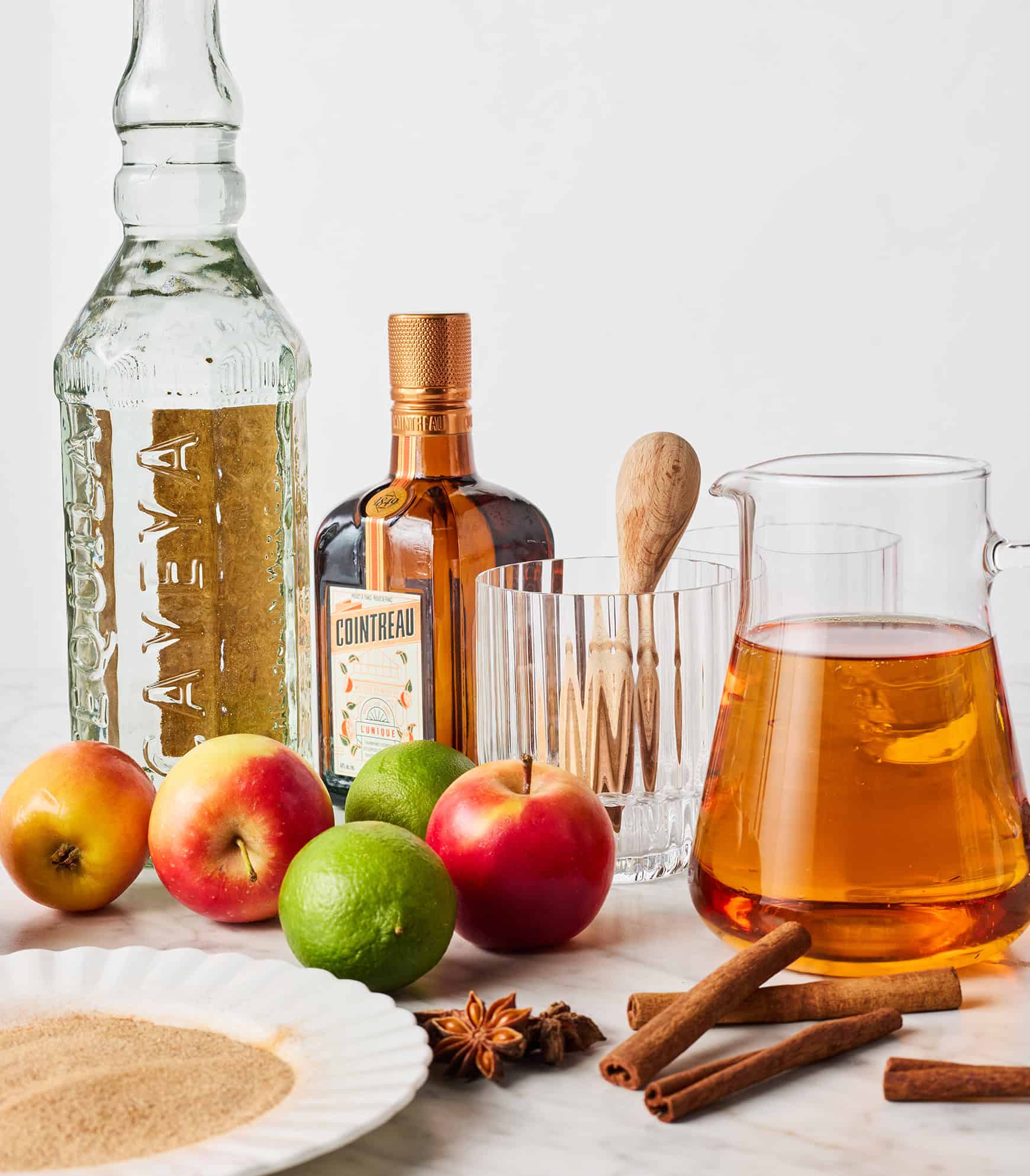
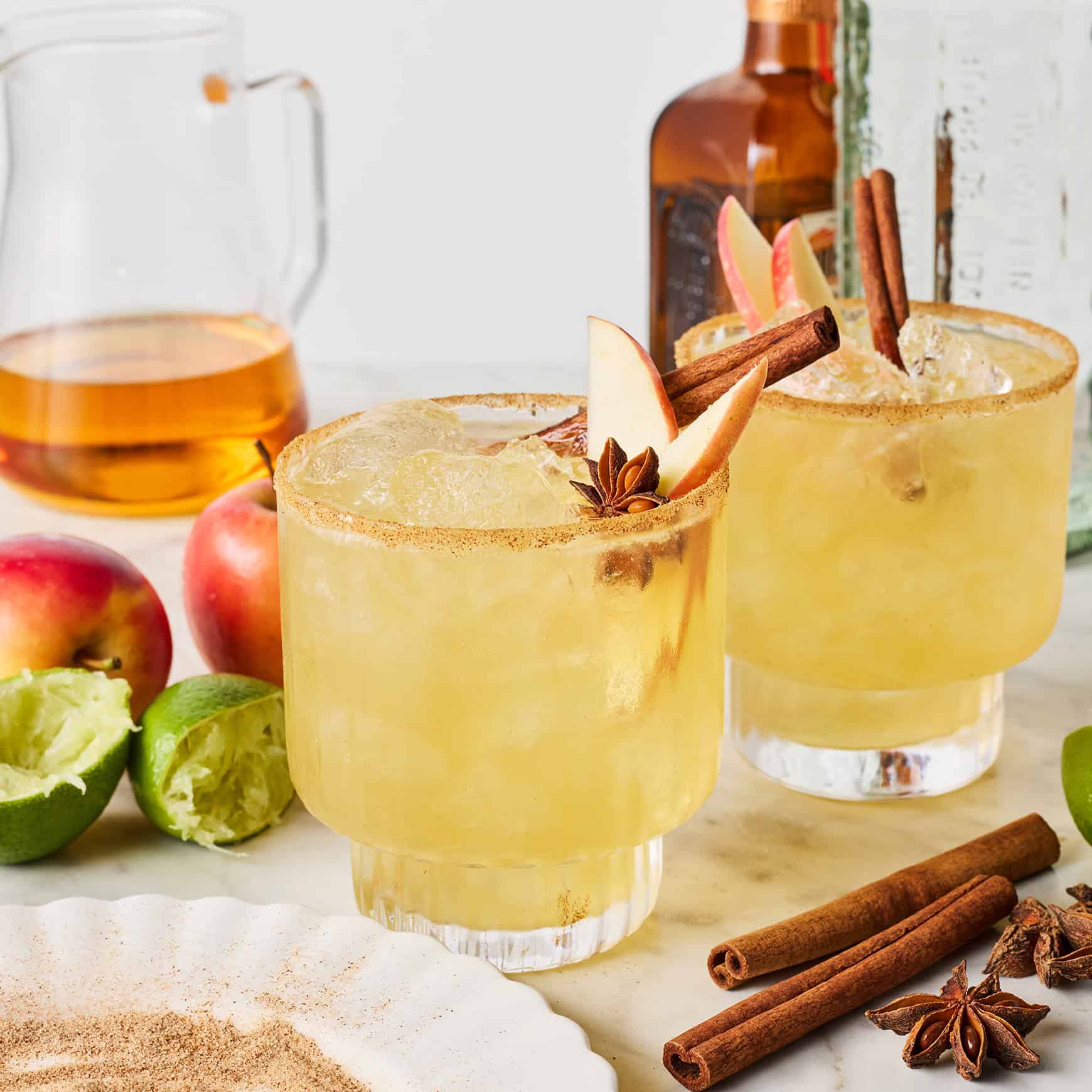
Unlike traditional summer margaritas that rely on simple syrups or agave nectar for sweetness, this variation derives its primary flavor profile from fresh-pressed apple cider. When paired with high-quality tequila—typically a smooth blanco or a mellow reposado—and cut with fresh lime juice and orange liqueur (such as Cointreau or triple sec), the result is a complex beverage that is simultaneously sweet, tart, and deeply aromatic.
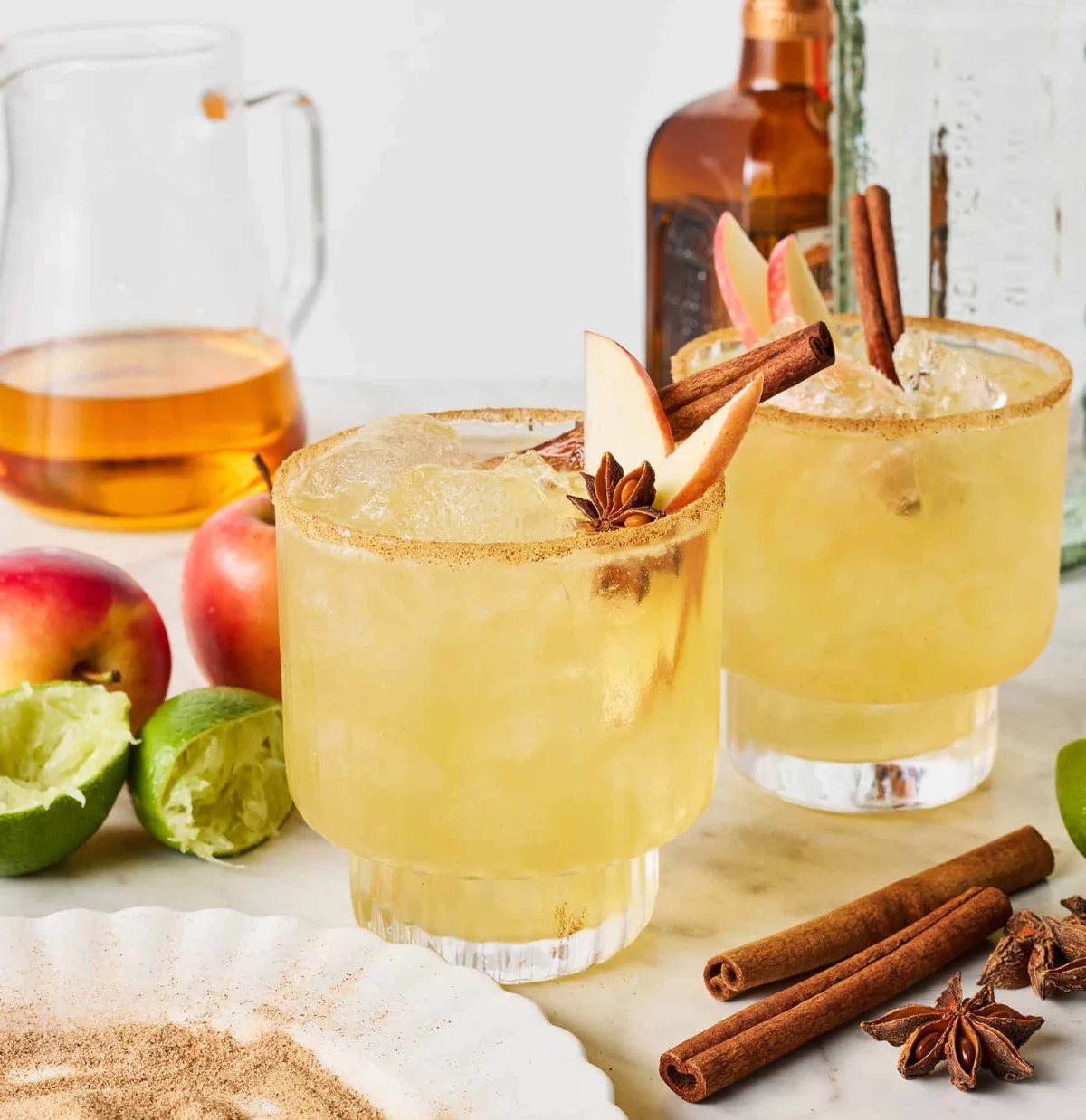
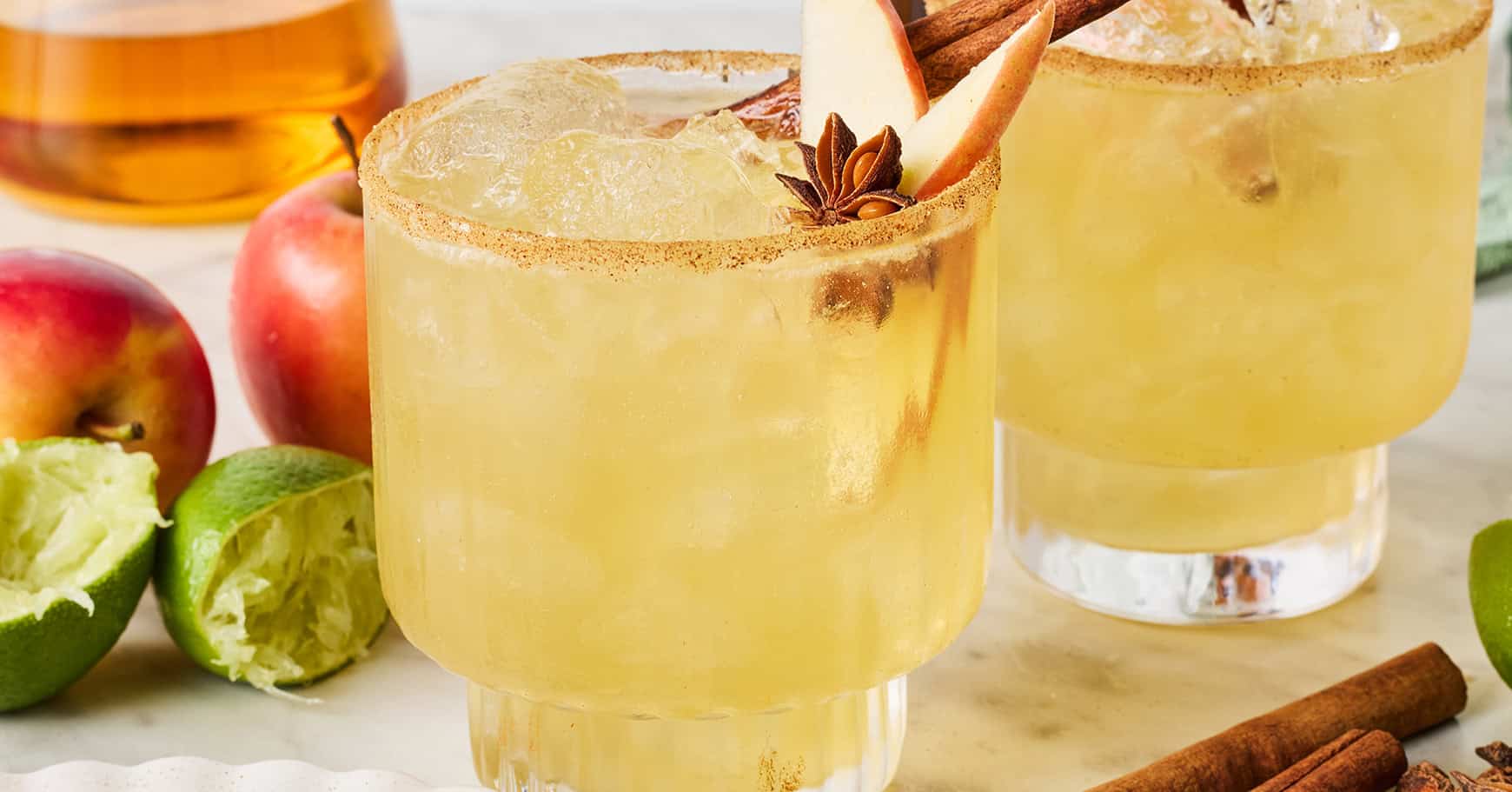
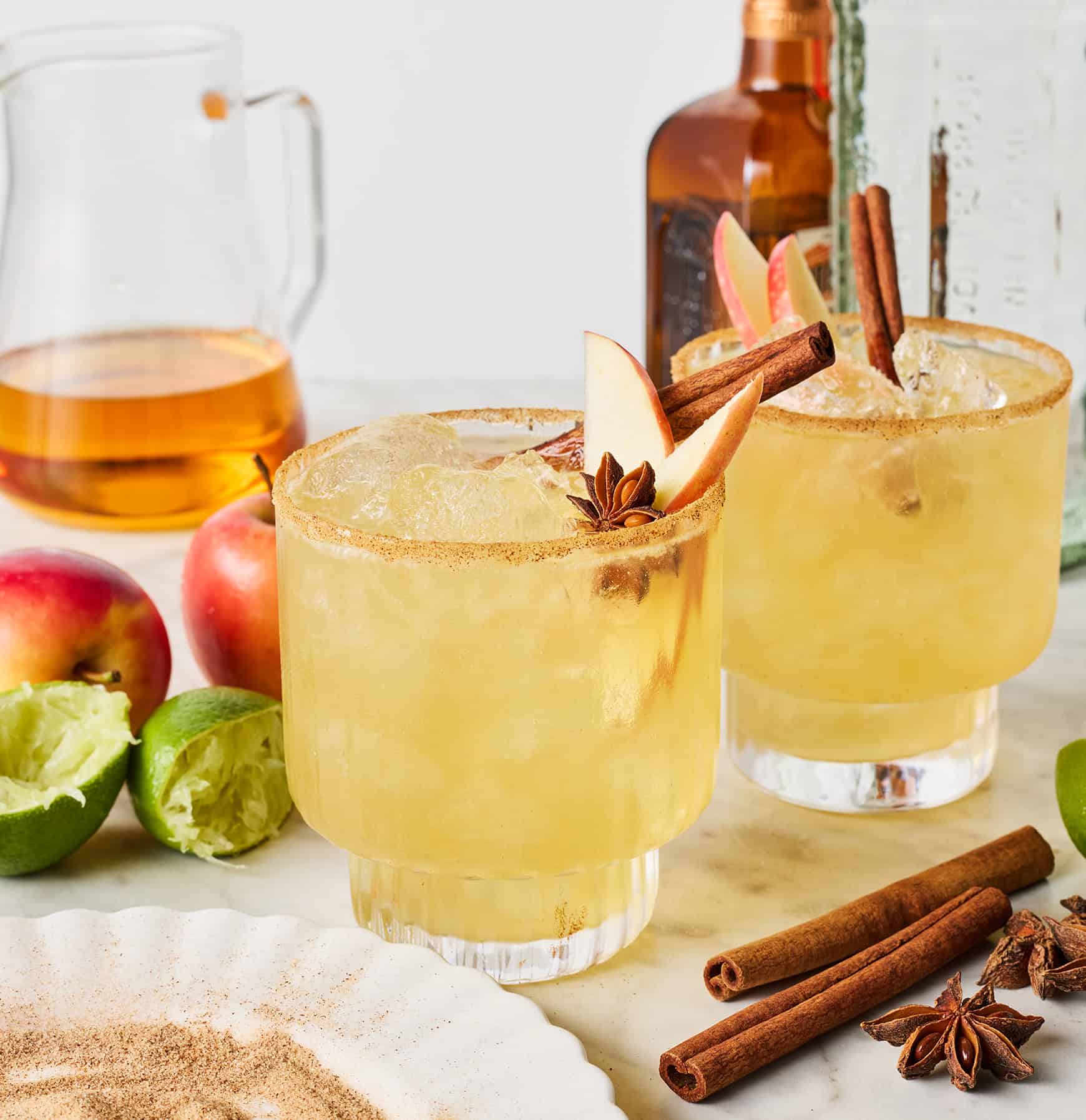
The sensory experience is frequently elevated through presentation. A signature cinnamon-sugar rim combined with garnishes like dehydrated apple slices, whole star anise, and fragrant cinnamon sticks transforms a standard glass into a multisensory tribute to the harvest season.
Standard Profile: Approximately 183 calories per single-serving cocktail, with 17g of carbohydrates and 15g of natural sugars derived primarily from the fruit cider.
Versatility: Highly adaptable for single-serving enjoyment or scaled up for large-scale holiday hosting, including Thanksgiving dinners and autumn tailgates.
Chronology: The Evolution of the Fall Margarita
The journey of the margarita from a beachfront staple to a year-round chameleon reflects broader shifts in modern mixology. Understanding how the apple cider iteration captured the market requires examining key milestones in contemporary cocktail culture.
Phase 1: The Modern Craft Cocktail Movement (2010–2018)
For generations, margaritas were pigeonholed as warm-weather drinks, traditionally associated with Cinco de Mayo, patio dining, and summer vacations. However, the craft cocktail boom of the 2010s encouraged bartenders to experiment with seasonal produce. Mixologists began incorporating autumn squash, cranberries, and pears into tequila-based frameworks, proving that agave spirits could pair successfully with cold-weather flavor profiles.
Phase 2: The Regional Adaptation (2018–2022)
In warmer regions like Austin, Texas—where daytime temperatures well into October routinely preclude hot beverages like mulled wine—residents demanded a festive drink that still offered physical refreshment. The apple cider margarita emerged organically in southern and western test kitchens. It offered the comforting spices of fall without the thermal burden of a steaming mug.
Phase 3: Mainstream Virality and Standardization (2023–Present)
By the mid-2020s, food bloggers, culinary publications, and home bartenders standardized the recipe to its leanest, most effective iteration: a 4-ingredient formula emphasizing accessibility and speed. Social media platforms propelled the drink to viral status, with short-form video demonstrations highlighting the aesthetic appeal of the cinnamon-sugar rim and swirling cider-tequila blends. Today, it stands as a fixture of October and November entertaining menus across North America.
Supporting Data and Culinary Insights
Behind the casual appeal of a weekend happy hour lies a deliberate set of culinary choices. Professional mixologists and home cooks alike emphasize that the success of an apple cider margarita hinges entirely on ingredient selection.
The Cider Factor
Culinary experts strongly advocate for sourcing unfiltered apple cider, ideally procured directly from a local orchard or farmers’ market. Unfiltered cider retains the natural pectin and micro-particles of the pressed fruit, delivering a robust sweet-tart flavor profile that mass-market, shelf-stable juices cannot replicate.
While commercial brands like Martinelli’s offer a reliable, clear, and widely available alternative for home bartenders seeking visual clarity, local farm-fresh cider yields a cloudier, deeper beverage with significantly more aromatic complexity.
Nutritional and Dietary Profile
For consumers mindful of caloric intake during the holiday season, the standard apple cider margarita offers a moderate profile compared to heavy cream-based autumn cocktails (such as pumpkin-spice white Russians or eggnog variations).
Calories: 183 kcal per standard 1-cocktail serving.
Fats: Negligible (0.2g total fat, 0g trans fat).
Sodium: 5mg (making it a remarkably low-sodium cocktail option).
Carbohydrates: 17g, primarily driven by the natural fructose present in the apple cider.
Official Responses and Industry Perspectives
The hospitality industry has largely embraced the trend, viewing it as a profitable and crowd-pleasing bridge across the notoriously volatile shoulder season between late summer and the December winter holidays.
"When you live in a climate like Texas, you still want to celebrate the arrival of fall, but ordering a hot toddy when it’s 85 degrees outside just doesn’t make sense," notes local food writer and recipe developer K. Johnson. "The apple cider margarita scratches that seasonal itch. It delivers all the nostalgic warmth of cinnamon and crisp apples while keeping the refreshing chill you need when the weather refuses to cooperate."
Bartenders across the country note that the cocktail’s scalability is its greatest asset for commercial venues. Because the core components—cider, citrus, and base spirits—can be batched in advance, high-volume bars and restaurants can serve complex, craft-level seasonal drinks without sacrificing speed of service during busy autumn dinner rushes.
"It’s an absolute workhorse for autumn menus," says Chicago-based beverage director Marcus Vance. "Guests are actively looking for fall flavors the moment September hits, but they aren’t ready to abandon tequila. Giving them a drink that combines both is an easy win."
Implications: Entertaining Trends and the Future of Seasonal Mixology
The mainstream adoption of the apple cider margarita points to larger shifts in how consumers approach home entertaining and beverage curation.
1. The Democratization of Craft Mixology
Recipes that require only four accessible ingredients—tequila, orange liqueur, lime juice, and cider—lower the barrier to entry for home hosts. Consumers no longer need a sprawling bar cart filled with obscure bitters and liqueurs to execute an impressive, theme-appropriate cocktail for dinner parties or Thanksgiving gatherings.
2. The Rise of "Make-Ahead" Hospitality
With modern life growing increasingly fast-paced, hosts heavily favor recipes that can be prepared in advance. The apple cider margarita adapts seamlessly to batch preparation. By multiplying the base ingredients by eight and storing them in a pitcher in the refrigerator for up to 24 hours (with ice withheld until the final moment of service), hosts can bypass individual cocktail-shaking duties during a party, allowing them to spend more time with guests.
3. De-seasonalization of Spirits
The enduring popularity of drinks like the apple cider margarita further validates the death of strict seasonal rules in mixology. Agave spirits, once strictly relegated to summer cookouts and beach vacations, have proven their elasticity, seamlessly donning flannel and autumn spices to become an indispensable staple of the modern cool-weather bar.
As autumn traditions continue to evolve in an interconnected culinary landscape, the apple cider margarita stands as proof that innovation often lies not in inventing entirely new flavors, but in harmonizing beloved classics in unexpected ways.