Main Facts: The Culinary Phenomenon of Chicken Taquitos
In the ever-evolving landscape of modern comfort food, few dishes strike the delicate balance between casual indulgence and wholesome satisfaction quite like the chicken taquito. Characterized by their signature crunch and savory, melting interiors, these rolled corn tortillas have transitioned from regional street food staples to nationwide favorites. Developed and popularized for the home cook by renowned cookbook author and culinary entrepreneur Erin Clarke of Well Plated, modern chicken taquito recipes have been optimized for versatility, dietary balance, and preparation convenience.
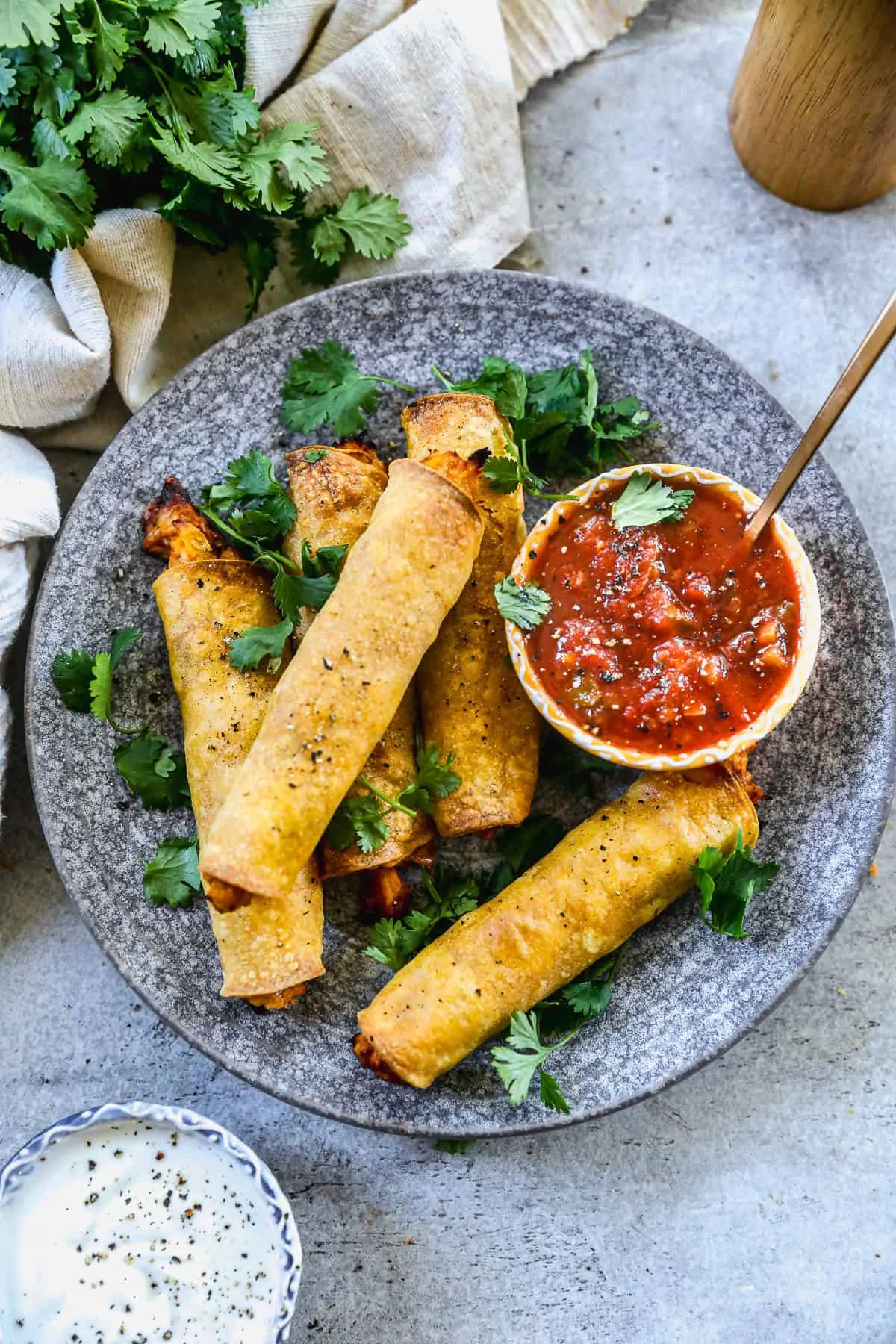
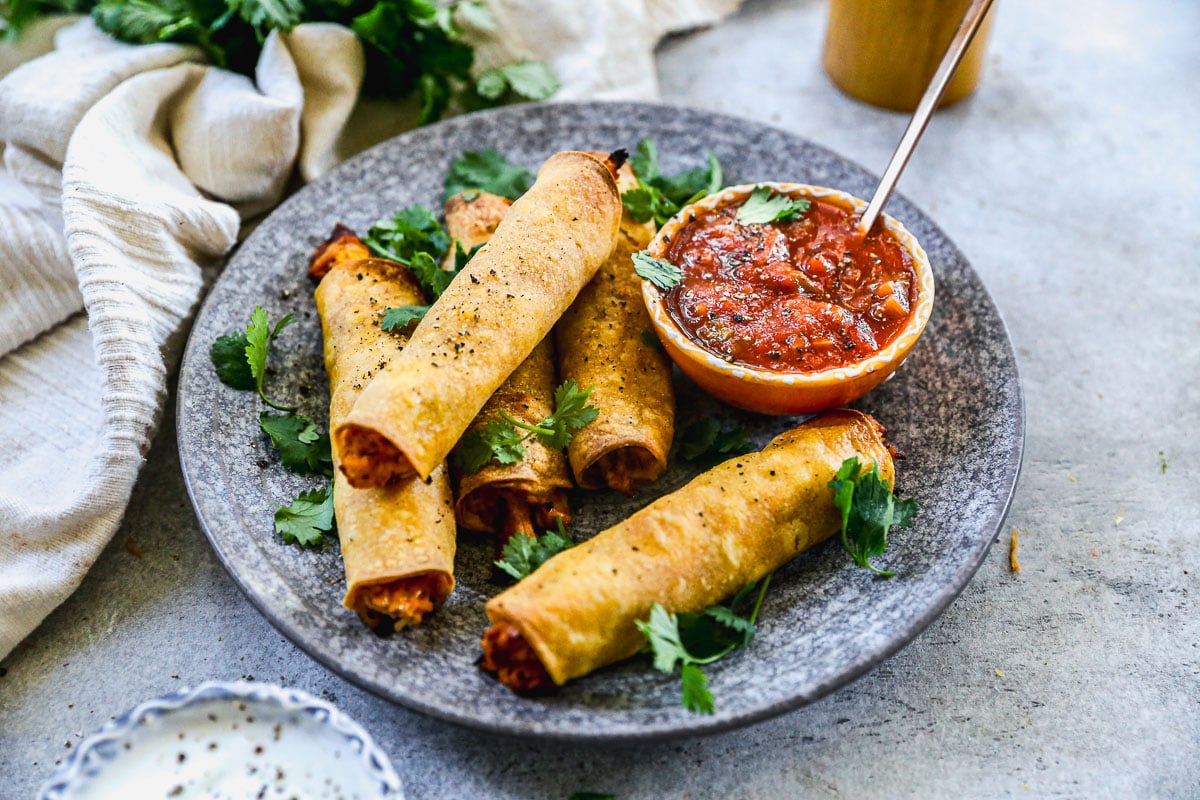
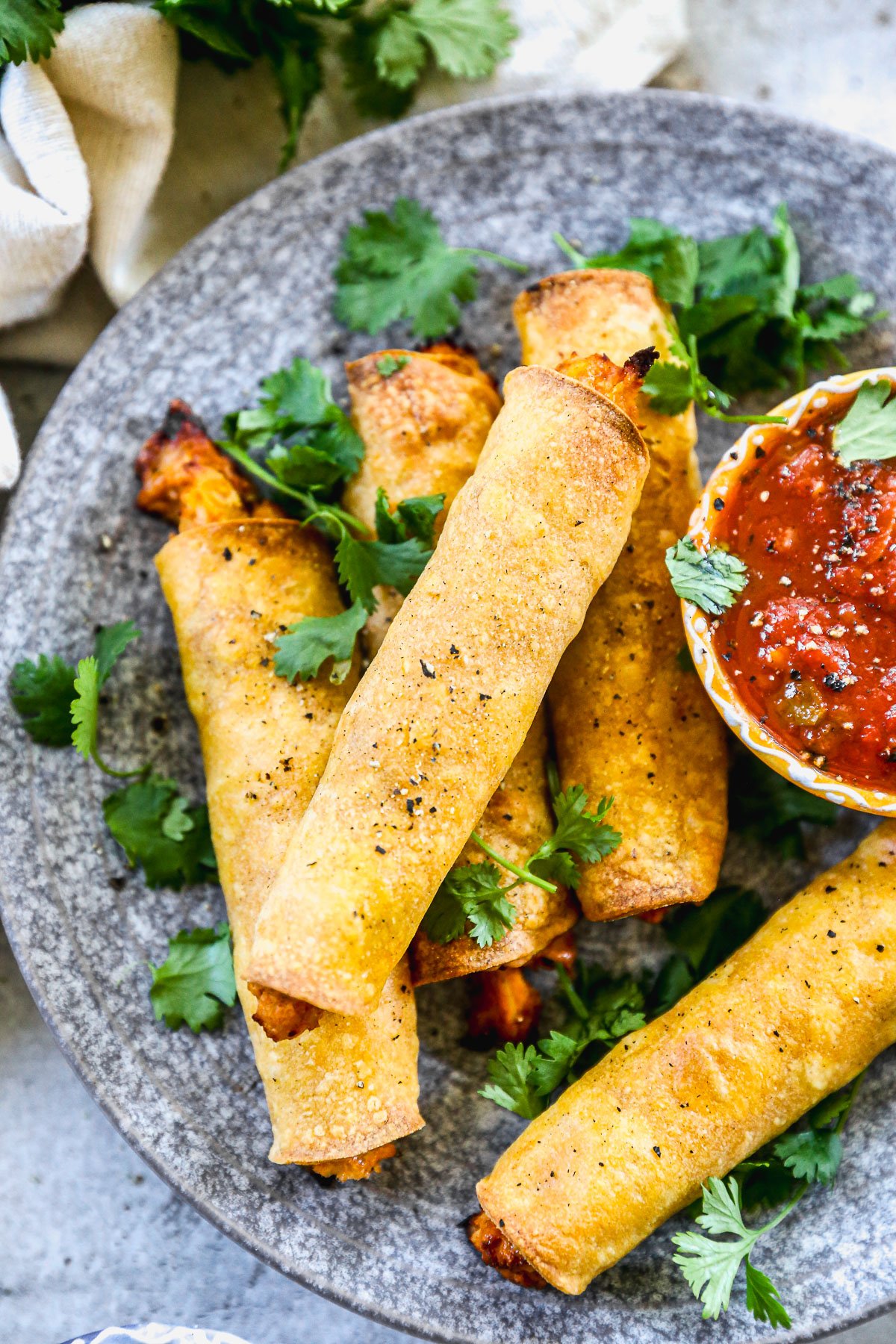
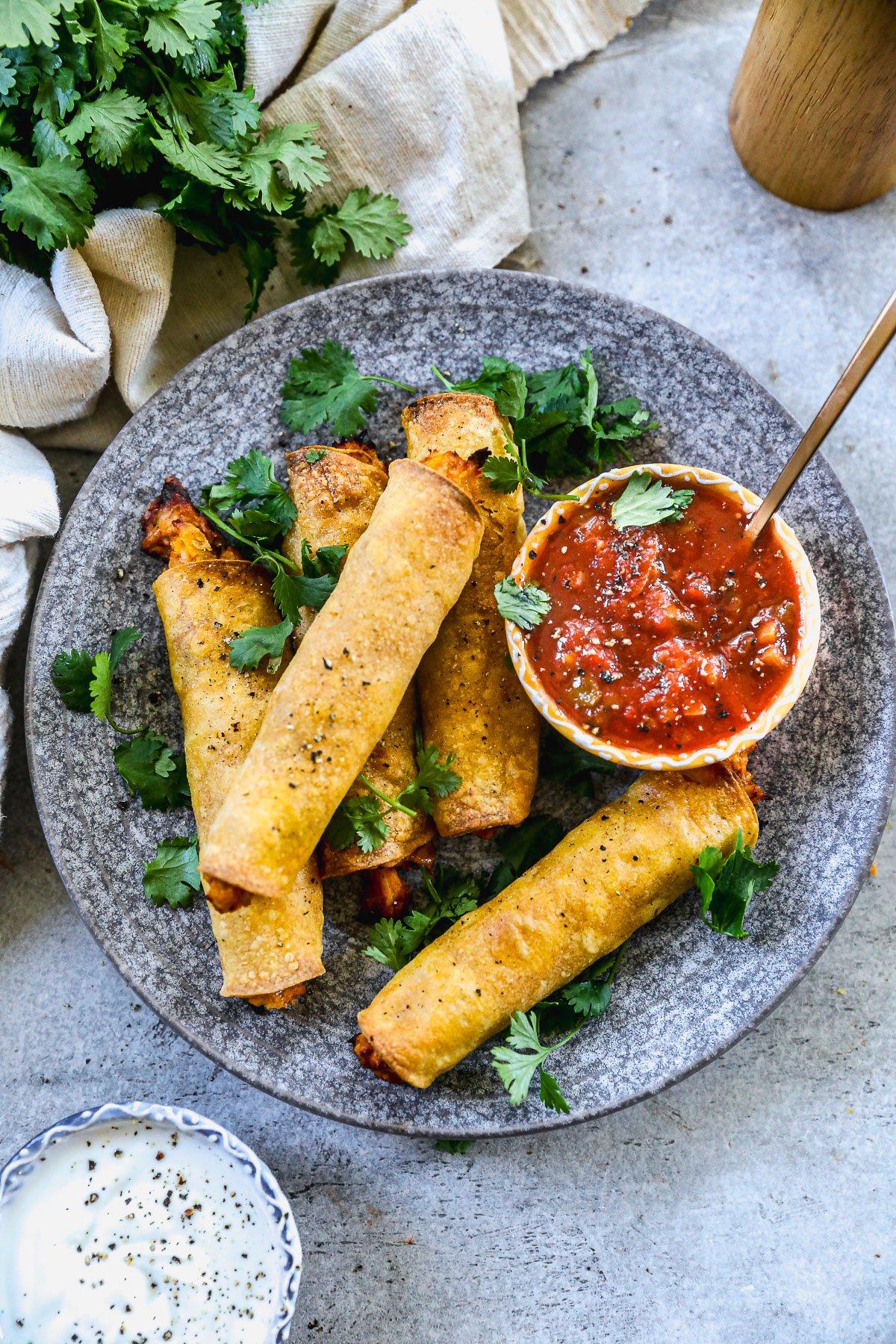
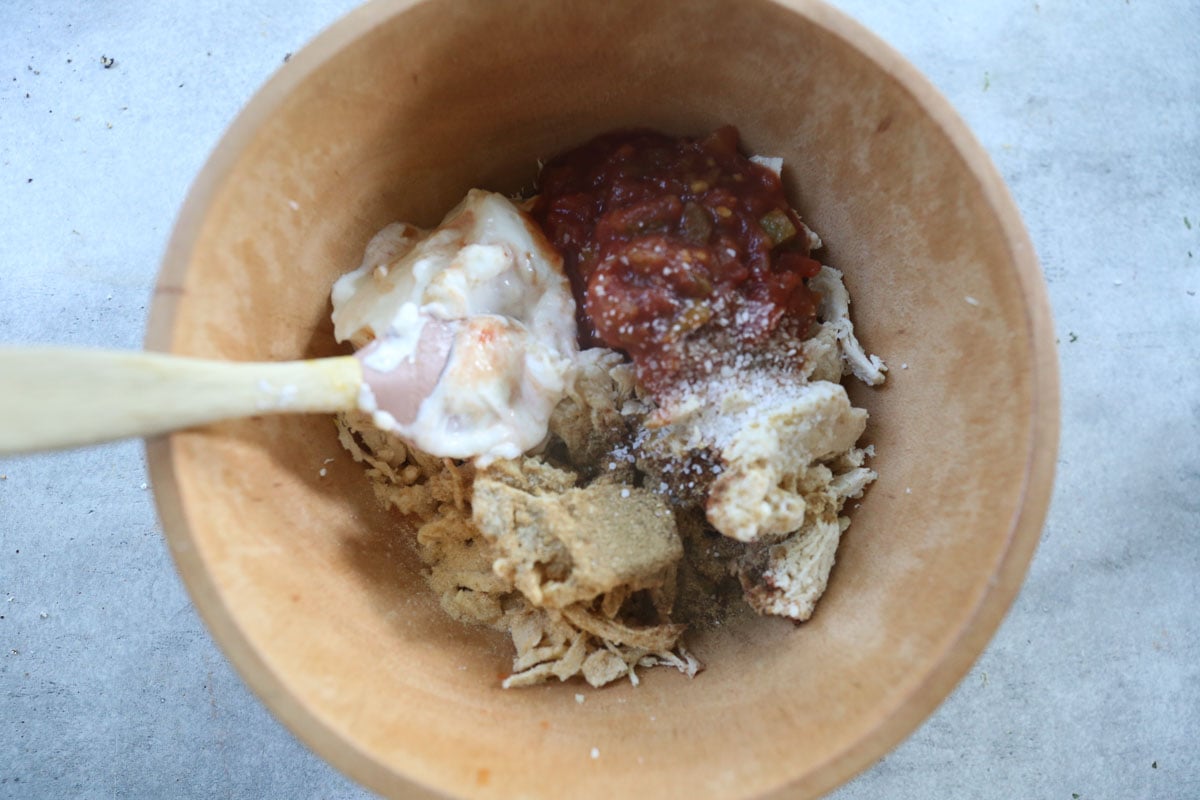
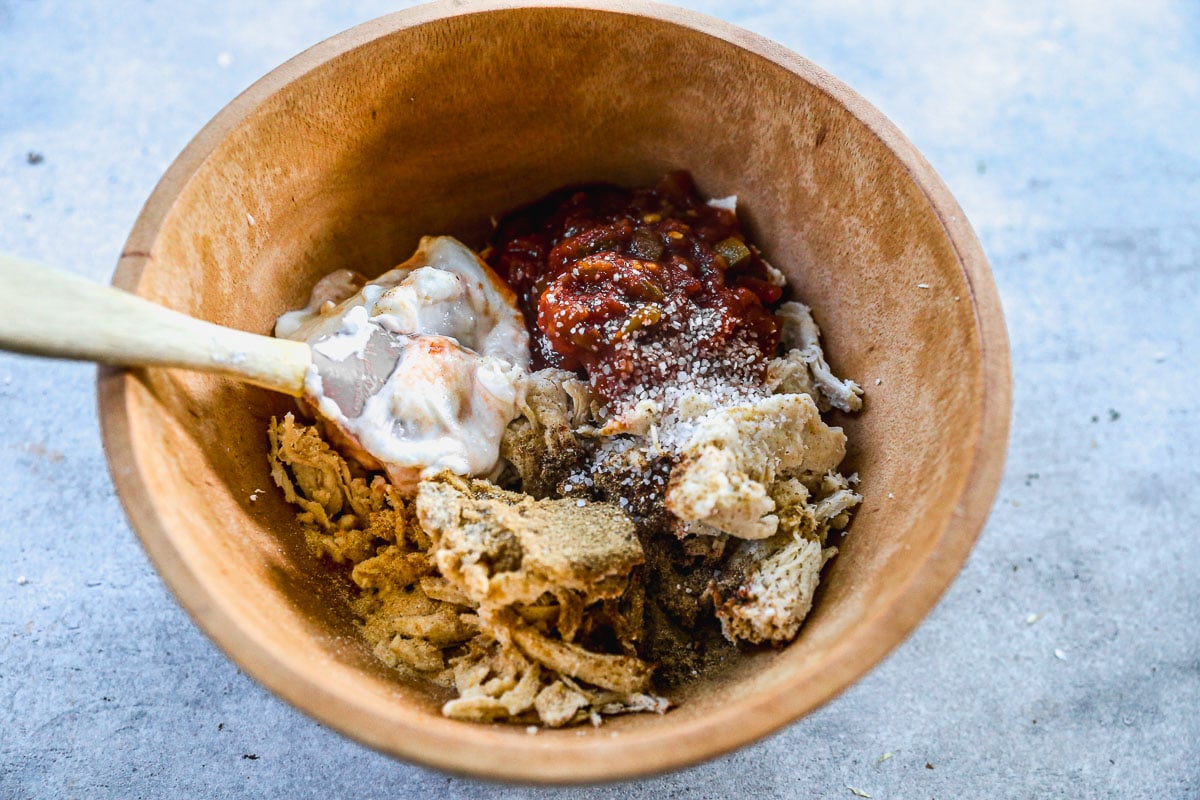
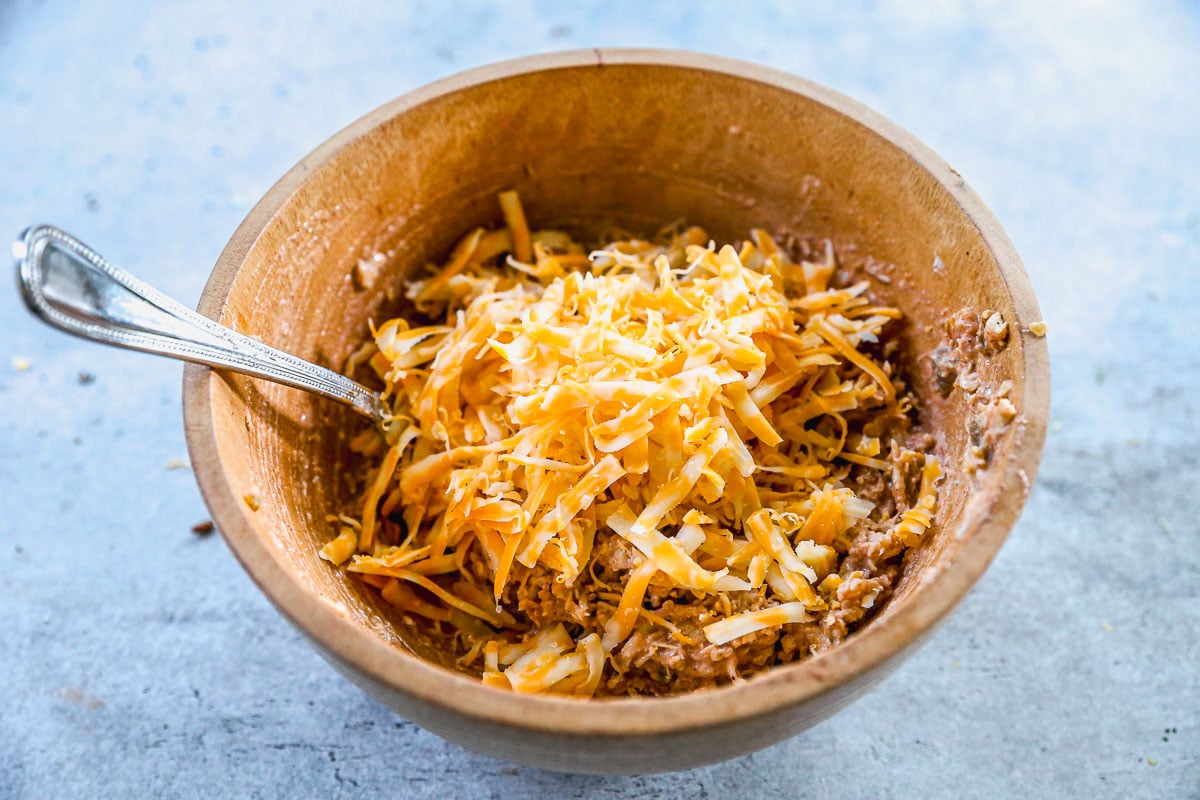
At their core, these culinary creations feature a robust filling composed of shredded chicken, vibrant salsa, a creamy binding agent such as Greek yogurt, aromatic seasonings, and a generous blend of melted cheese. Unlike their deep-fried, heavy-handed restaurant counterparts, contemporary recipes emphasize multi-cooking methods. Home cooks can choose between conventional oven-baking, traditional pan-frying, or rapid air-frying, making the dish accessible for weeknight dinners, game-day appetizers, and family gatherings alike. With a nutritional profile boasting approximately 253 calories and 20 grams of protein per serving, chicken taquitos prove that satisfying bold Tex-Mex cravings does not require sacrificing nutritional mindfulness.
Chronology: From Ancient Roots to Modern Air-Fryer Adaptations
The journey of the taquito spans generations, evolving from rudimentary rolled tortilla dishes in Mexican culinary tradition to sophisticated, multi-method recipes designed for the 21st-century kitchen.
Mid-20th Century: The concept of the rolled tortilla—historically referred to interchangeably as taquitos or flautas depending on the region and whether corn or flour tortillas were used—gained commercial traction across the American Southwest. Street vendors and local eateries capitalized on the portability and textural contrast of crispy fried corn tortillas wrapped tightly around seasoned meat fillings.
The Frozen Food Boom: By the late 1900s, mass-produced frozen taquitos dominated supermarket aisles, catering to busy households. While convenient, these commercial iterations often suffered from soggy textures, sodium overload, and diminished flavor profiles, leaving home cooks searching for a superior, scratch-made alternative.
The Modern Scratch-Cooking Era: Recognizing a gap in the market for healthy, flavorful, yet approachable Mexican-inspired comfort food, culinary innovators like Erin Clarke began redesigning traditional recipes. By incorporating nutrient-dense ingredients like Greek yogurt in place of heavy mayonnaise or sour cream, and tailoring instructions for multiple cooking appliances, the modern chicken taquito recipe was standardized for home kitchens.
The Air-Fryer Revolution (Recent Years): The integration of air-frying technology marked a major turning point for the dish. Home cooks could finally achieve the ultra-crispy exterior traditionally associated with deep-frying, but with a fraction of the oil, cementing the chicken taquito as a staple for health-conscious food enthusiasts and busy families.
Supporting Data: Nutritional Breakdown and Culinary Metrics
To understand the widespread appeal of modern chicken taquitos, one must analyze the quantitative data behind the recipe. According to standardized nutritional tracking for single-serving portions (calculated as one average-sized taquito), the culinary metrics reflect a remarkably balanced profile for a comfort food category:
Energy and Macronutrients:
Calories: 253 kcal
Total Carbohydrates: 17 g (with 1 g of dietary fiber and 2 g of natural sugars)
Protein: 20 g, largely driven by the lean shredded chicken and blended cheeses.
Total Fat: 11 g (including 5 g of saturated fat, 2 g of polyunsaturated fat, and 3 g of monounsaturated fat)
Vitamins and Minerals:
Calcium: 209 mg, supporting bone health primarily through the inclusion of melted cheese.
Cholesterol: 52 mg
Potassium: 225 mg
Iron: 2 mg
Vitamin A: 335 IU
Vitamin C: 0.3 mg
Preparation and Yield Metrics:
Standard Batch Yield: 6 servings (adjustable based on family size)
Preparation Time: Approximately 15 to 20 minutes of active mixing and rolling.
Cooking Time: 12 to 15 minutes depending on whether an oven or air fryer is utilized.
Culinary Insights and Expert Guidance: Perspectives from Erin Clarke
As consumer demand for fast, wholesome home-cooked meals continues to surge, culinary experts emphasize the importance of mastering fundamental techniques. Erin Clarke, the driving force behind the Well Plated platform and author of bestselling culinary guides like Fast and Easy Meals, offers vital insights into achieving taquito perfection.
"Taquitos are fun to say, but even more fun to eat because they’re crispy, toppable, dippable, and filled with deliciousness," Clarke notes, emphasizing the interactive nature of the dish. However, she stresses that home cooks must avoid common technical pitfalls, particularly when working with authentic corn tortillas.
"If you’re using corn tortillas, you must warm them in a nonstick skillet set over medium heat until they’re soft and pliable," Clarke advises. "Don’t skip this! Corn tortillas will break when you roll them if they’re not warm."
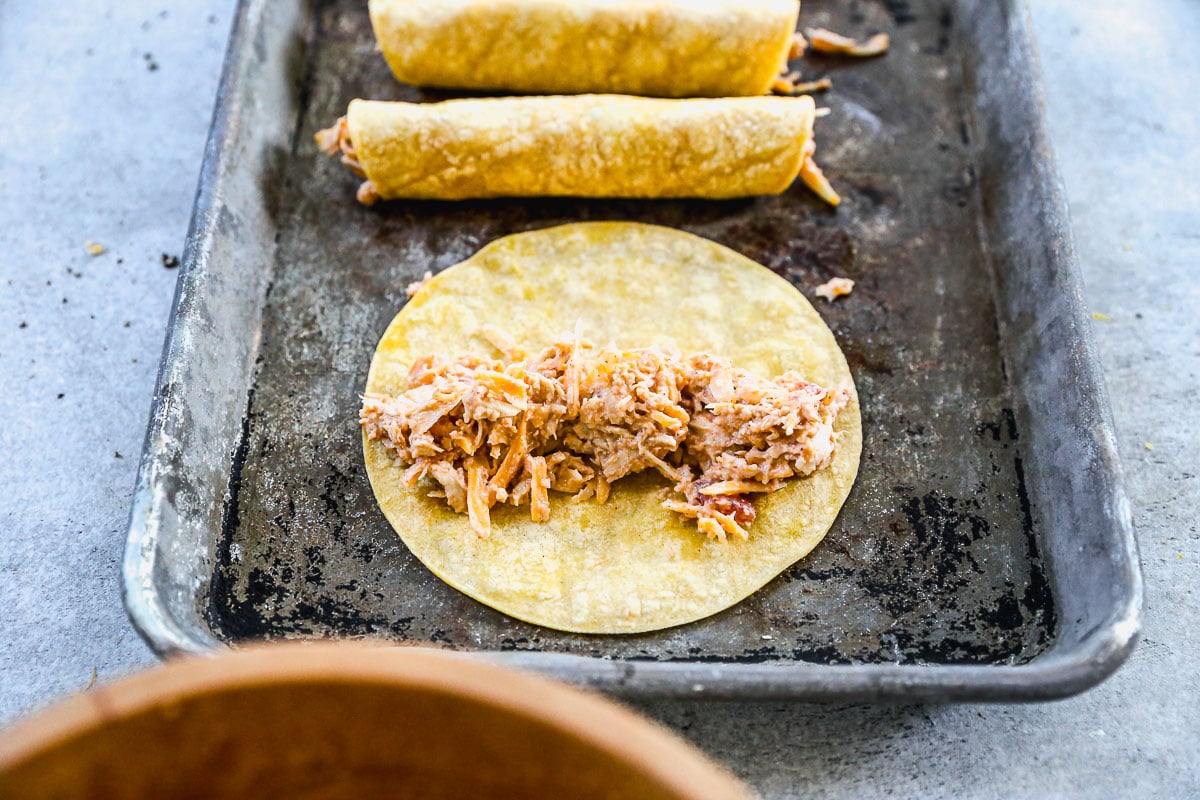
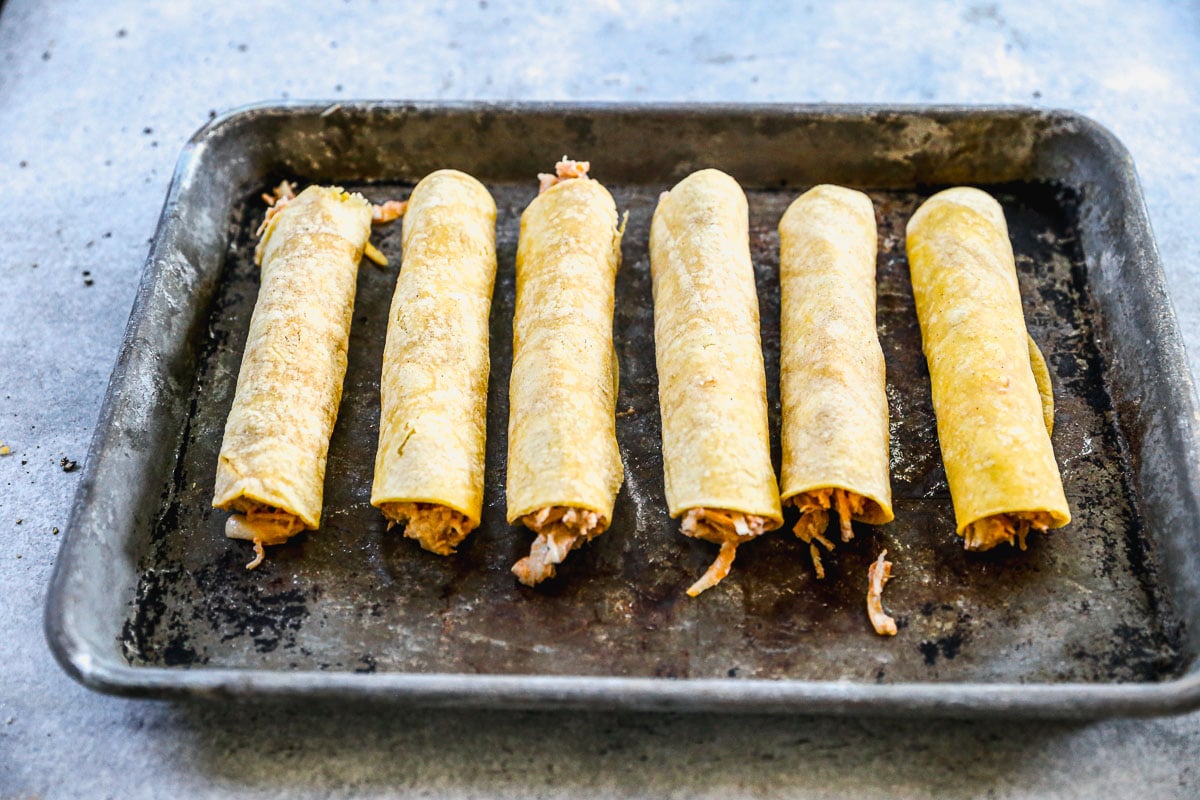
Furthermore, culinary professionals highlight the importance of structural integrity during the assembly phase. Rolling the tortillas tightly and placing them seam-side down on a parchment-lined baking sheet prevents the savory chicken, salsa, and cheese filling from escaping during the heating process. For particularly stubborn wrappers, the strategic deployment of a toothpick can secure the roll until it sets in the oven or air fryer.
Implications: The Future of Weeknight Dining and Entertaining
The enduring popularity of adaptable recipes like chicken taquitos carries significant implications for modern lifestyle trends, home economics, and the culinary arts sector.
1. The Rise of Multi-Appliance Flexibility
Modern consumers value kitchen efficiency above all else. Recipes that provide seamless instructions for multiple cooking appliances—such as ovens, stovetops, and air fryers—democratize gourmet cooking. Families without specialized deep-fryers can still achieve restaurant-quality texture at home, reducing reliance on expensive takeout and heavily processed frozen convenience foods.
2. Strategic Meal Prep and Freezer Economy
With economic pressures encouraging households to minimize food waste and optimize grocery budgets, make-ahead freezer meals have experienced a resurgence. Chicken taquitos serve as a prime example of a freezer-friendly asset. By assembling large batches, freezing them raw, and baking them directly from frozen on busy weeknights, consumers reclaim valuable time without compromising on flavor or nutritional quality.
3. Health-Conscious Comfort Food Adaptation
The culinary movement led by food creators demonstrates that comfort food does not need to be abandoned in the pursuit of wellness. By substituting heavy saturated fats with nutrient-dense alternatives like Greek yogurt—while maintaining the bold, addictive spices characteristic of Tex-Mex cuisine—home cooks can enjoy culturally rich, deeply satisfying meals that align with modern health objectives. As digital cookbooks and online culinary platforms continue to expand their reach, dishes like the crispy chicken taquito will remain foundational pillars of domestic gastronomy.