Main Facts
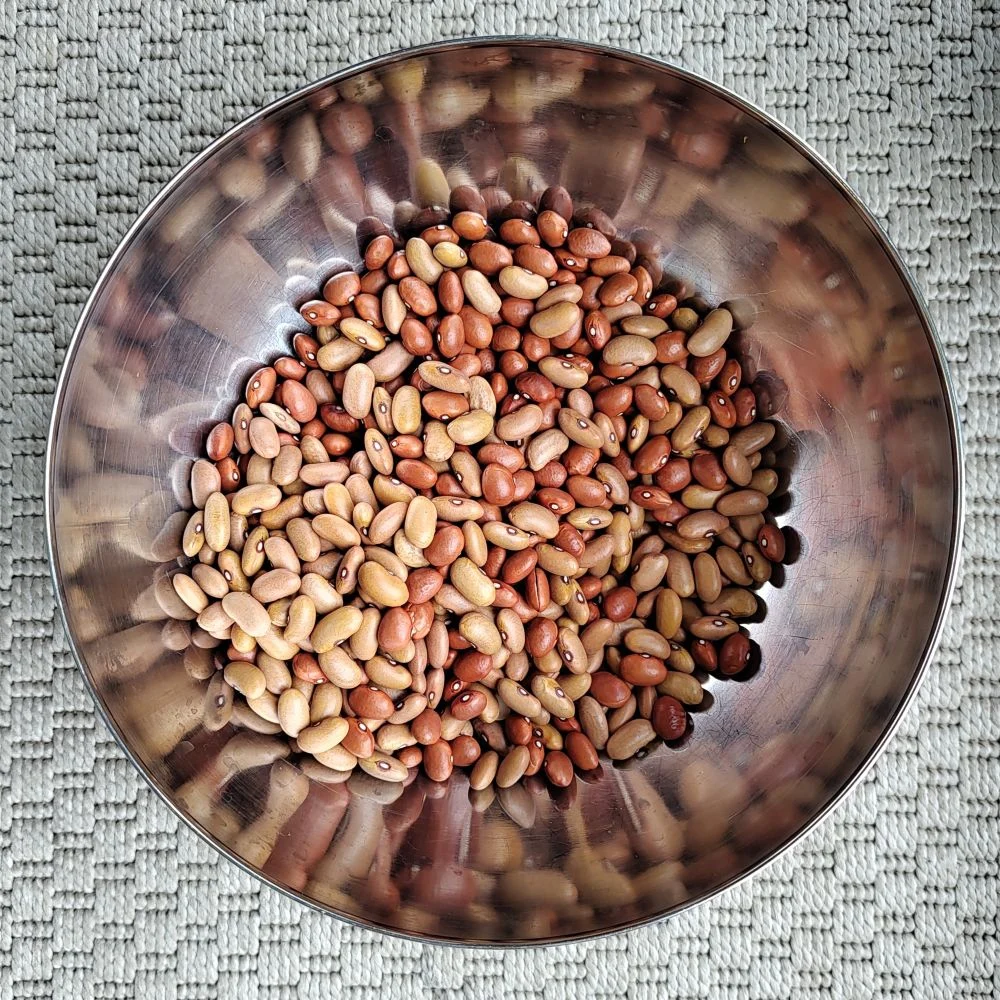
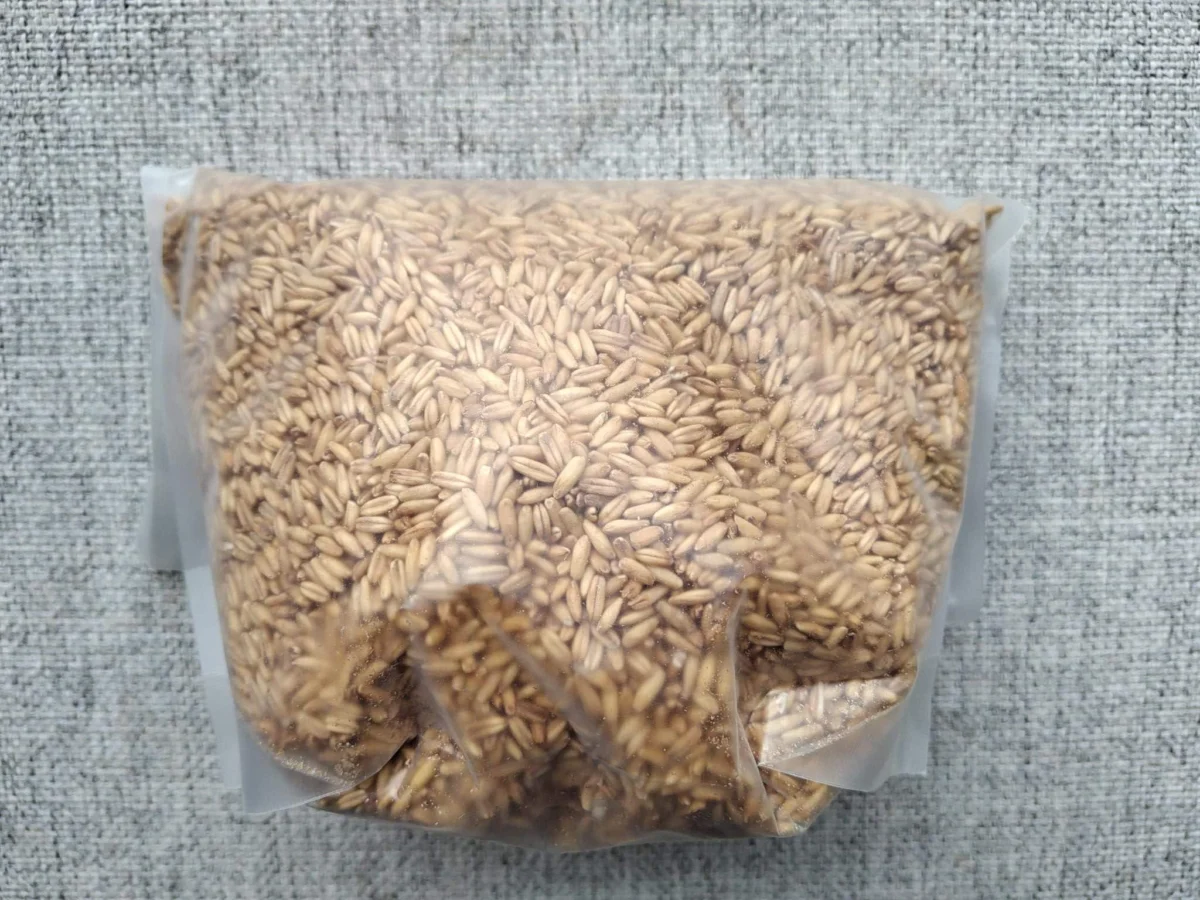
In the quiet corners of sustainable agriculture and specialty food markets, a small but nutrient-dense grain is quietly staging a comeback. Known scientifically as Avena Nuda—and more commonly as the "naked oat"—this ancient crop is carving out a fresh identity for itself far beyond the traditional breakfast porridge bowl. Unlike conventional oats, which require intensive industrial processing to remove a tightly adhered outer hull, naked oats naturally shed their husks during the threshing process. This biological quirk not only saves an entire industrial processing step for farmers and producers, but it also preserves the grain’s dense nutritional profile, locking in high levels of protein, soluble fiber, healthy fats, and rich, nutty flavors.
Yet, despite its agricultural advantages and soil-enriching root systems, Avena Nuda faces a significant hurdle in the modern consumer marketplace: cooking time. While the grain is celebrated for being an exceptional, sustainable rotation crop that anchors soils and builds microbial health, it requires patience in the kitchen. Culinary experiments—such as substituting naked oats for traditional arborio rice in a homemade risotto—reveal that achieving the desired tender texture can take upwards of 45 minutes, more than double the cooking time of standard risotto rice.
This tension between ecological perfection and modern convenience has sparked a broader conversation among agronomists, food scientists, and home cooks. Proponents argue that with minor interventions, such as commercial parboiling and pre-packaging, naked oats could transition from a niche homestead curiosity into a mainstream pantry staple.
Chronology
The journey of Avena Nuda from an overlooked historical crop to a modern culinary talking point spans centuries of agricultural evolution and a recent resurgence in micro-scale kitchens.
- Ancient to Medieval Cultivation: Naked oats are not a modern invention; variations of hulless oats have been cultivated in parts of Europe and Asia for centuries. Because they lacked the protective hull, they were easily threshed by hand, making them popular in regions with rudimentary agricultural tools.
- The Industrial Era Shift: As industrial agriculture mechanized grain processing, the agricultural industry favored hulled varieties. Hulled oats offered better field protection against pests, moisture, and weather during the growing season, pushing Avena Nuda to the margins of commercial farming.
- The Regenerative Farming Revival (Past Decade): With a surging modern interest in regenerative agriculture, soil health, and local food systems, farmers rediscovered Avena Nuda. Its aggressive, deep root system made it an ideal cover and rotation crop for reducing soil erosion and improving soil structure.
- Recent Culinary Experimentation (Present Day): Food enthusiasts and culinary bloggers began experimenting with the grain as a direct substitute for rice and ancient grains. Home kitchens began testing naked oats in savory dishes, launching conversations regarding texture, cooking times, and the viability of "oat risotto."
Supporting Data
To understand the agricultural and nutritional value of Avena Nuda, one must look at the biochemical and agronomic data associated with the grain:
- Processing Efficiency: Traditional oats require hulling mills to mechanically crack off the fibrous outer husk, a process that accounts for a notable percentage of energy consumption in oat processing plants. Avena Nuda naturally releases the kernel (groat) during threshing, bypassing this heavy industrial step entirely.
- Nutritional Density: Because the nutrient-rich germ and bran remain intact and undamaged by harsh mechanical hulling, naked oats boast higher concentrations of lipids, crude protein, and beta-glucan compared to standard processed oats.
- Cooking Time Metrics: Standard white rice or arborio rice cooks in approximately 15 to 20 minutes. Experimental kitchen data shows that whole Avena Nuda groats require 45 to 60 minutes of simmering to achieve a fully softened, creamy texture suitable for risotto-style dishes, highlighting a 125% increase in preparation time.
- Agronomic Impact: Field studies indicate that Avena Nuda establishes root systems earlier and more firmly than many common cereal grains, significantly enhancing soil aggregate stability and reducing nitrate leaching during wet seasons.
Official Responses
While Avena Nuda has not yet triggered major multinational corporate campaigns, agricultural extension offices, independent agronomists, and culinary researchers have weighed in on its potential and pitfalls.
Agricultural scientists specializing in small grains emphasize the ecological benefits. "Crops like Avena Nuda represent a bridge between traditional farming wisdom and modern regenerative needs," notes Dr. Elena Vance, an independent agronomist specializing in alternative cereals. "When you look at soil retention, early root establishment, and the elimination of a carbon-heavy milling step, the agronomic argument for naked oats is ironclad. The challenge has never been in the field; the challenge has always been on the plate."

Culinary experts and food product developers point out that consumer behavior remains the ultimate bottleneck. A spokesperson for a European heritage grain cooperative remarked: "Consumers today are looking for convenience. If a recipe takes 45 minutes of constant stirring, it occupies the same mental space as a slow-cooked stew or a scratch-made risotto. For naked oats to break into the mainstream, we need food processors to step in. Pre-steaming, parboiling, or flaking these grains for quick-cooking applications will be the catalyst that transforms Avena Nuda from a farmer’s favorite into a consumer’s best friend."
Implications
The story of Avena Nuda reaches far beyond a single experimental bowl of risotto. It serves as a micro-cosm for the broader challenges facing modern sustainable food systems: how to balance ecological wisdom with the fast-paced demands of contemporary consumers.
The Agricultural Shift
From an ecological standpoint, mainstreaming Avena Nuda could drastically reduce the energy footprint associated with oat milling. By eliminating the hulling phase, supply chains become leaner, and local farmers who lack access to heavy industrial machinery can process their own harvests with basic threshing equipment. This decentralization of grain processing empowers regional food economies and encourages crop diversification, moving away from monocultures of wheat, corn, and rice.
The Culinary Horizon
In the kitchen, the grain challenges our definitions of comfort food and traditional categories. Can a risotto be a risotto if it is made with oats instead of arborio rice? Culturally and texturally, the answer is nuanced. While the starch profile differs, naked oats offer a rich, nutty depth that arguably surpasses standard rice in terms of complex flavor.
However, the time barrier remains formidable. Until food manufacturers invest in parboiling and pre-packaging infrastructure for naked oats, their culinary adoption will likely remain limited to dedicated food hobbyists, homesteaders, and adventurous chefs willing to invest time into their meals.
Ultimately, Avena Nuda stands ready at the crossroads of agriculture and gastronomy. Whether it remains a well-kept secret among regenerative farmers or evolves into the next great super-grain depends entirely on how the food industry bridges the gap between its stellar performance in the soil and its demanding nature on the stove.