By Rich Manning | Published: September 27, 2026
Photography by John Valls
Main Facts: The Resurgence of a Botanical Powerhouse
In the vast ecosystem of modern mixology, few ingredients are as quietly influential—and historically misunderstood—as the gentian flower. This hardy Alpine plant, renowned for its striking blue blossoms and roots packed with intense, earthy bitterness, serves as the secret scaffolding of the cocktail world. While casual drinkers might recognize its bitter punch in household names like Campari, Aperol, and Angostura bitters, a specialized category of spirits puts the gentian root front and center.
Today, bartenders across North America and Europe are steering gentian liqueurs—such as Salers, Suze, Avèze, and Luxardo Bitter Bianco—away from their traditional roles as background supporting players. Instead, these dusty, herbaceous, and uniquely funky liqueurs are taking center stage. Far from being relegated to a historical footnote, gentian is experiencing a renaissance, proving to be a surprisingly versatile backbone for creative, modern cocktail programs.
Chronology: From Bavarian Roots to Modern Back-Bars
To understand how gentian became a darling of contemporary craft bars, one must trace its journey across centuries and borders:
- The 1600s – Bavarian Origins: Historical records suggest that the medicinal and flavoring properties of the Alpine gentian root were first harnessed in Bavaria. Initially valued for its digestive and therapeutic qualities, the bitter root was heavily macerated in spirits to extract its intense compounds.
- The 19th Century – The French Aperitif Boom: Two centuries later, the tradition migrated to France. In 1885, Salers released what is widely considered the pioneer of bottled commercial gentian aperifis: a bittersweet formulation crafted by macerating wild Alpine gentian root stalks in alcohol. Competitors like Suze soon followed, cementing the liqueur’s place in French café culture, where it was traditionally enjoyed over ice with a twist of fresh lemon.
- The 20th Century – The Bitter Undercurrent: For decades, gentian played an essential, if uncelebrated, role in the global drinks landscape. It provided the structural bitterness for legendary Italian amari, vermouths, and aperitifs, quietly shaping the flavor profiles of classic cocktails without ever demanding the spotlight.
- The 2020s – The Era of Creative Minimalism: Fast forward to the present day. Modern bartenders, constantly searching for complex profiles that avoid excessive sweetness, have rediscovered gentian. Rather than using it solely in legacy drinks like the White Negroni, forward-thinking mixologists are reverse-engineering entirely new flavor profiles, utilizing gentian’s vegetal funk to bridge gaps between disparate ingredients.
Supporting Data and Profiles: The Anatomy of Gentian
What makes gentian so compelling to contemporary palates is its complex chemical and sensory profile. Botanically, the plant thrives in the harsh, high-altitude climates of the Alps and other European mountain ranges. This harsh environment forces the plant to concentrate its defenses, resulting in a root system bursting with secoiridoid glucosides—compounds responsible for an intense, lingering bitterness that lacks the sharp astringency of synthetic additives.

In the glass, gentian liqueurs generally manifest as pale yellow or clear liquids carrying aromas of wet earth, damp moss, alpine meadows, and subtle citrus peel.
Key Players in the Category:
- Salers: Known as the oldest commercial gentian liqueur from France. It is earthy, dry, and exceptionally bitter, making it a favorite for traditionalists.
- Suze: Slightly sweeter and more floral than Salers, Suze boasts a bright yellow hue and a distinct vegetable-funk profile that plays exceptionally well with citrus and smoke.
- Avèze: Hailing from the heart of the Auvergne region in France, Avèze incorporates gentian root alongside other secret Alpine botanicals and gentian flower infusions, resulting in a slightly rounder, gentler profile.
- Luxardo Bitter Bianco: While not a pure gentian liqueur, this clear bitter offers a modern interpretation, utilizing gentian to deliver a dry, crisp backbone without the red or amber coloring typical of traditional Italian bitters.
Official Responses and Expert Insights
Industry professionals and bar managers emphasize that gentian’s ultimate superpower is its versatility, provided it is handled with care.
"Gentian is fairly versatile," explains Jeremy Ross, general manager at Kiesling in Detroit. "It makes a killer White Negroni, it can be an asset in any Martini build, and it sings in a highball. In our case, it pulls together our drink perfectly."
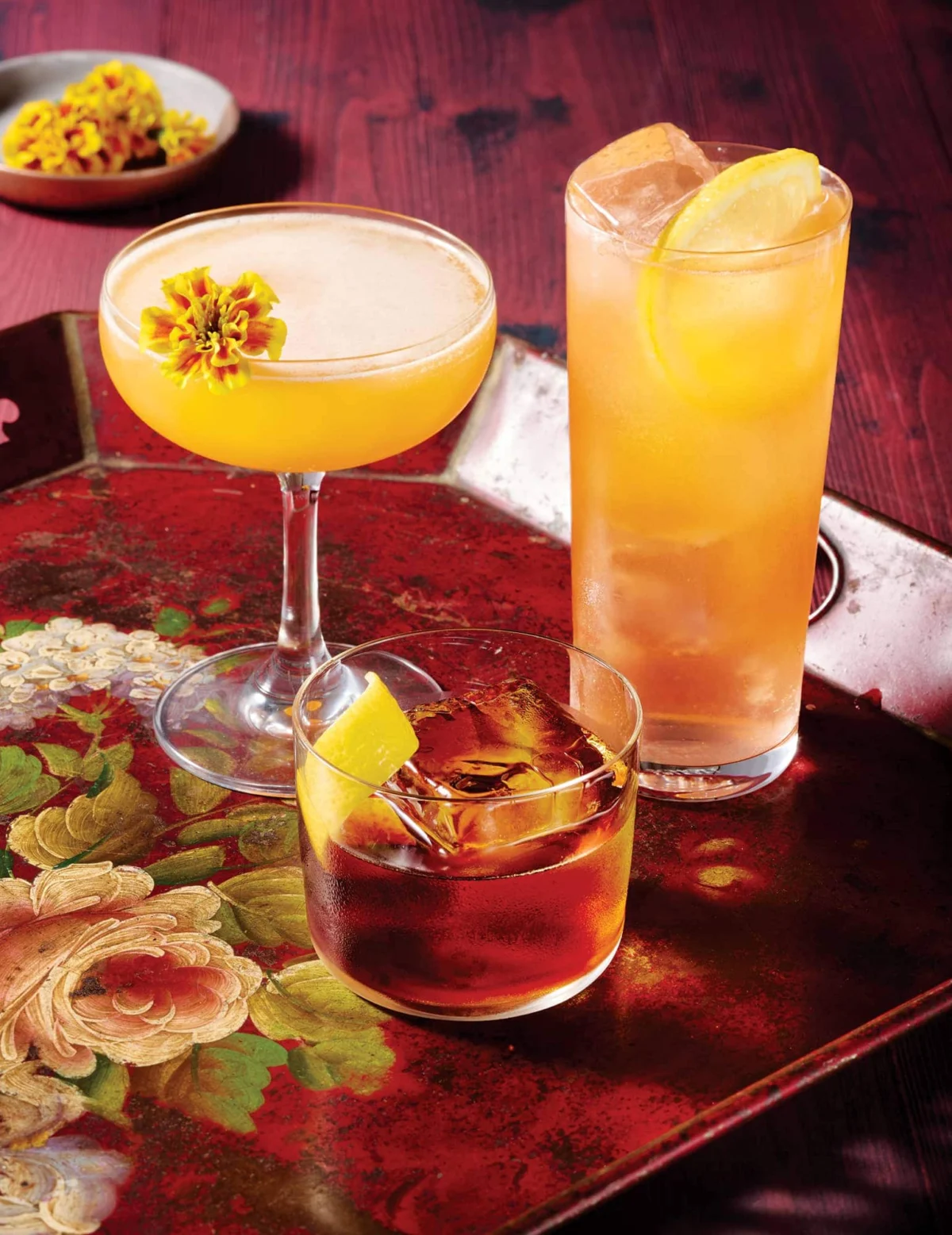
At Kiesling, bartender Kira Ellington crafted the Suze Greenburg—initially named as a nod to a Phish song—by reverse-engineering a savory profile where gentian bridges the vegetal notes of fresh carrot juice and mezcal with the sweet, honeyed resonance of amaro.
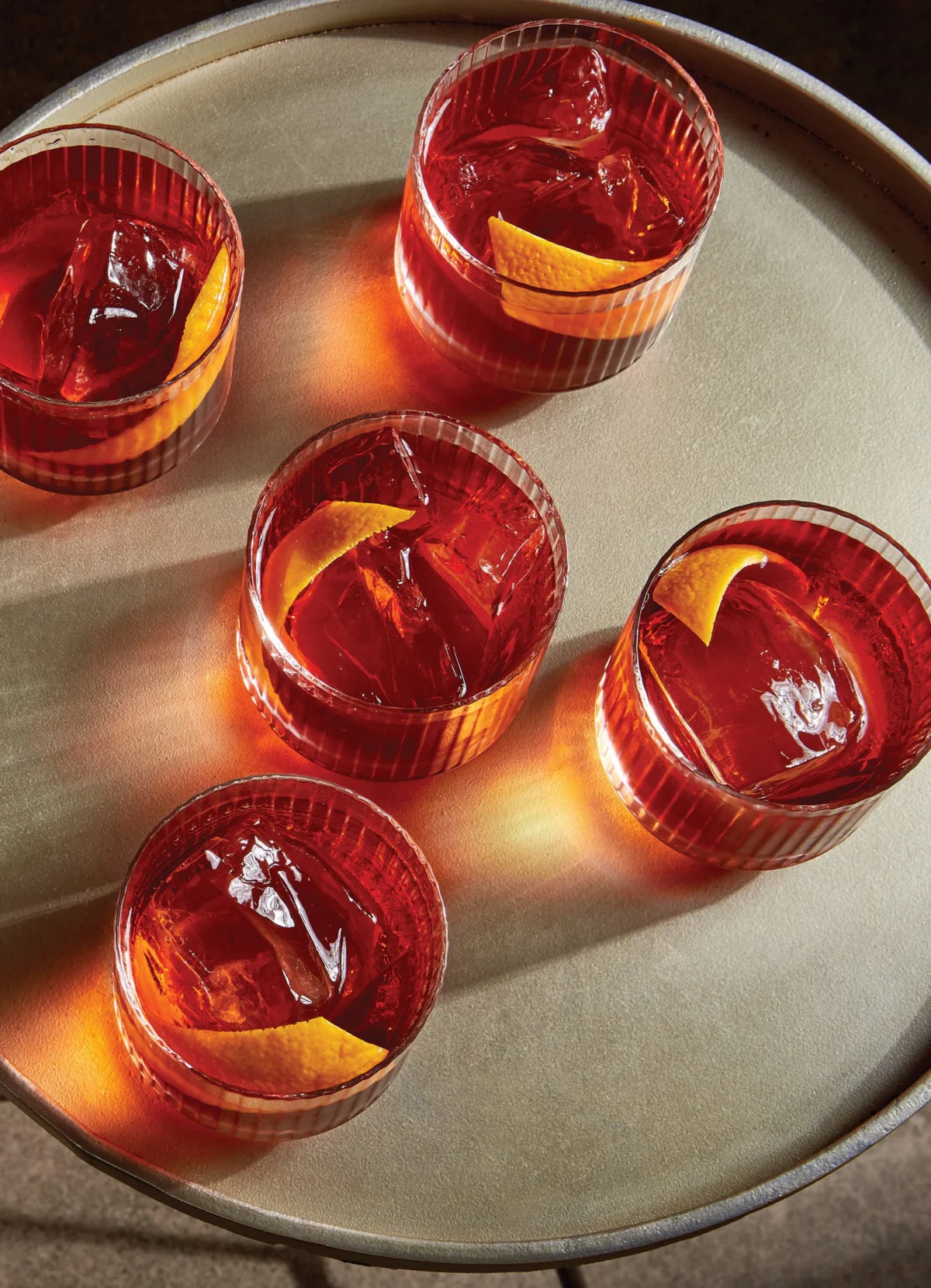
Meanwhile, down in Austin, Texas, bartenders Sean Skvarka and Matt Ross experimented with twists on classic spirit-forward builds at Whisler’s. By incorporating Suze into a riff on the Black Manhattan, they created the Southern Gentleman.
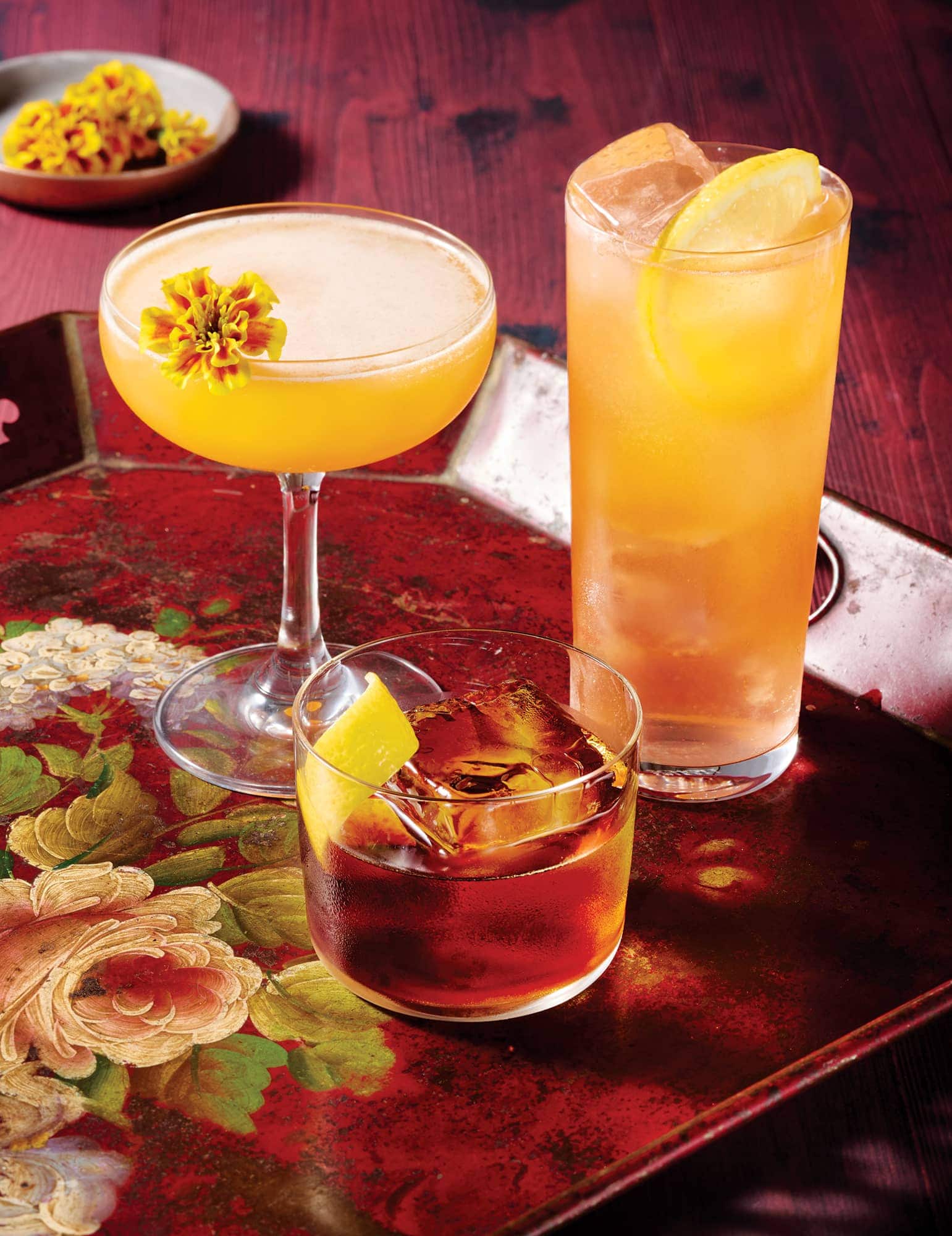
"We weren’t looking to reinvent the wheel," says Skvarka, who also manages the bar’s upstairs mezcal tasting room, Mezcalería Tobalá. "We just wanted to give it a different spin." According to Skvarka, gentian’s unique chemical footprint coaxes additional spice out of rye whiskey while drawing out extra depth from amaro, resulting in a brighter profile suited for patio sipping.
However, restraint is vital. Jim O’Shea, co-owner of Rosemary & Beauty Queen in Nashville, notes that gentian’s distinct personality can easily be compromised.
"Gentian’s distinctive bitterness and floral funk can get lost or clash in highly complex builds," O’Shea explains. "A three- or four-ingredient drink lets it breathe." This philosophy is put into practice in drinks like the bar’s Remake/Remodel, where bartender Alise Alicardi uses gentian to add length and bone-dry structure to a vodka-and-ginger-beer refresher.
Implications: The Future of Bitter Mixology
The shifting perception of gentian liqueurs points toward a broader evolution in consumer palates. For decades, the cocktail mainstream leaned heavily toward sweet, fruit-forward profiles. The craft cocktail movement of the 21st century gradually trained drinkers to appreciate bitterness through components like Campari and Fernet-Branca.
Now, the embrace of pure gentian represents the next frontier: an appreciation for the earthy, vegetal, and uncompromisingly funky side of the botanical world. As more cocktail bars experiment with minimal-intervention builds, local foraging, and hyper-regional ingredients, gentian is poised to step permanently out of the shadows. It is no longer just the secret ingredient holding a classic recipe together; it is the inspiration for the modern cocktail revolution.
Featured Recipes to Try at Home
1. Suze Greenburg
Created by Kira Ellington, Kiesling, Detroit
Gentian brings harmony between vegetal and sweet notes in this music-inspired drink.
- Ingredients:
- 1 1/4 oz. Mezcal
- 3/4 oz. Suze
- 3/4 oz. Fresh lemon juice
- 1/2 oz. Fresh carrot juice
- 1/2 oz. Honey syrup (2:1 ratio of honey to water)
- Tools: Shaker, strainer, fine strainer
- Glass: Coupe
- Garnish: Marigold flower
- Method: Shake all of the ingredients vigorously with ice. Double-strain into a chilled coupe glass, and garnish with a fresh marigold.
2. Southern Gentleman
Created by Sean Skvarka and Matt Ross, Whisler’s, Austin
This bright riff on a Black Manhattan uses gentian’s funk to enhance rye and amaro notes.
- Ingredients:
- 1 1/2 oz. Rye whiskey (such as Rittenhouse 100 proof)
- 3/4 oz. Averna amaro
- 1/2 oz. Gentian liqueur (such as Suze or Salers)
- 2 Dashes orange bitters
- Tools: Barspoon, strainer
- Glass: Old Fashioned glass
- Garnish: Lemon peel
- Method: Stir all of the ingredients with ice until chilled, then strain into an Old Fashioned glass over a single large ice cube. Express the oils by twisting a piece of lemon peel across the top of the drink, rub it along half of the rim, and drop it in as a garnish.
3. Remake/Remodel
Created by Alise Alicardi, Rosemary & Beauty Queen, Nashville
Gentian liqueur adds length and dryness to this refreshing, vodka-based warm-weather mix.
- Ingredients:
- 1 1/2 oz. Vodka
- 1/2 oz. Aperol or Luxardo Aperitivo
- 1/2 oz. Salers or Luxardo Bitter Bianco
- 1/2 oz. Fresh lemon juice
- Chilled ginger beer (to top)
- Tools: Shaker, strainer
- Glass: Collins glass
- Garnish: Lemon wheel
- Method: Shake all ingredients (except the ginger beer) with ice and strain into an ice-filled Collins glass. Top with chilled ginger beer, stir gently to combine, and garnish with a fresh lemon wheel.