Main Facts
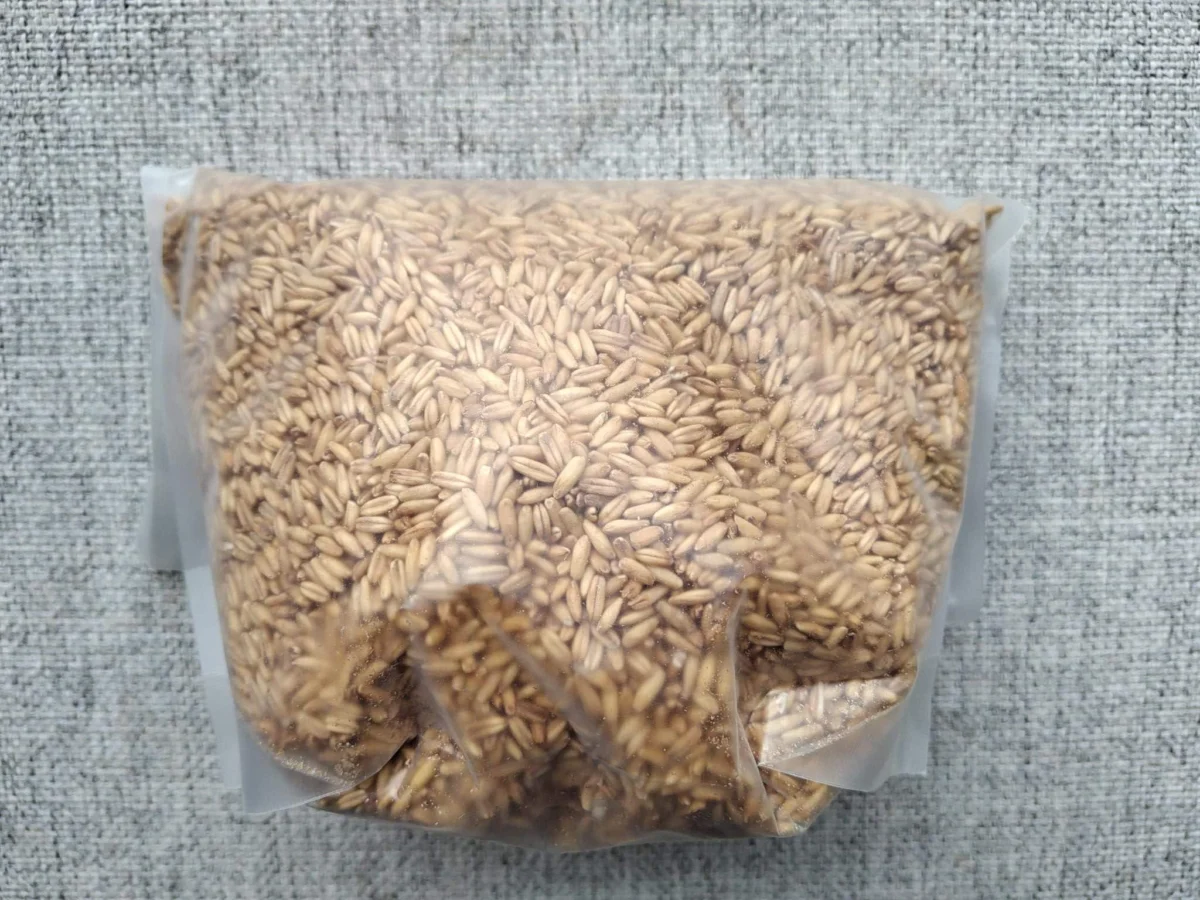
In an era defined by the search for climate-resilient crops and nutrient-dense alternative grains, one ancient cereal is quietly staging a modern comeback. Known scientifically as Avena nuda, but more commonly referred to as "naked oats," this unique grain is capturing the attention of forward-thinking farmers, culinary adventurers, and food scientists alike.
Unlike traditional hull-bearing oats, which require an intensive industrial milling process to separate the tough, fibrous outer husk from the edible groat, naked oats shed their husks naturally during the threshing process. This biological quirk eliminates an entire step in agricultural processing, offering immediate energy and cost savings for producers. Beyond their processing advantages, naked oats are celebrated for their exceptional nutritional profile. They boast high concentrations of soluble fiber (particularly beta-glucan), healthy plant-based fats, and quality proteins, all while acting as a restorative cover crop that anchors soil and prevents erosion.
However, despite their clear agricultural and nutritional merits, naked oats face a significant hurdle in the modern consumer market: cooking time. Because the grain retains its dense, unpolished structure, it requires significantly more time to soften than conventional grains like white rice or rolled oats. A recent kitchen experiment substituting Arborio rice with naked oats for a traditional Italian risotto yielded a delicious, nutty dish, but required more than 45 minutes of patient simmering—more than double the time demanded by standard risotto rice.
Food scientists and agronomists suggest that unlocking the commercial potential of naked oats will require innovation in food processing, such as pre-steaming or parboiling, to make the grain more accessible to time-poor consumers. If the industry can bridge this convenience gap, naked oats could transition from a niche agricultural curiosity into a staple of sustainable, regenerative food systems worldwide.
Chronology of an Ancient Grain’s Modern Revival
The journey of Avena nuda from a forgotten historical crop to a modern subject of agricultural and culinary research spans millennia, punctuated by recent spikes in sustainability-driven innovation.
Prehistory to the Middle Ages: The Original Oat
Long before wheat and modern rice varieties dominated European agriculture, naked oats were cultivated across parts of Europe and Asia. In ancient and medieval times, farmers favored Avena nuda because the grain naturally dropped its husk during basic threshing. This saved labor-intensive hand-pounding steps that were otherwise required to process standard hulled oats. However, as agriculture industrialized and hull-type oats—which often yielded slightly higher raw tonnage per acre under high-fertility conditions—took precedence, naked oats were largely relegated to niche cultivation, often used locally as livestock feed or specialized human nourishment.
The Late 20th Century: The Sustainable Agriculture Awakening
As modern industrial farming began to face scrutiny for its environmental footprint in the latter half of the 20th century, agronomists started looking backward to identify resilient heirloom crops. Researchers recognized that naked oats possessed robust root systems capable of establishing themselves firmly and early in the growing season. This trait made them exceptional for soil health, reducing nitrate leaching and protecting topsoil from wind and water erosion during volatile weather seasons.
The 2010s: Nutritional Discovery and Superfood Status
With the global rise of the "clean eating" movement and a heightened scientific focus on functional foods, the nutritional profile of oats—and naked oats in particular—came under renewed scrutiny. Nutritionists highlighted that because naked oats do not undergo harsh mechanical dehulling, they retain delicate lipid balances and concentrated nutrient layers that can sometimes be degraded or stripped in heavily processed grains. Academic trials began exploring their viability in human supply chains, moving them out of the feedlot and onto the radar of artisanal bakers and chefs.
The Present Day: The Culinary and Processing Frontier
Today, naked oats occupy an intriguing intersection between farm-to-table gastronomy and food science. Home cooks and professional chefs are experimenting with the grain as a direct substitute for rice, barley, and farro. Culinary experiments—such as utilizing naked oats to craft a slow-cooked, deeply savory risotto—demonstrate the grain’s remarkable capacity to absorb flavors while maintaining an al dente, chewy texture. Simultaneously, food developers are analyzing how industrial pre-treatments like parboiling can solve the grain’s primary commercial drawback: its protracted cooking time.
Supporting Data: Agronomy, Nutrition, and Culinary Physics
To understand why naked oats are generating such high hopes among agriculturalists alongside considerable friction in the kitchen, one must examine the hard data surrounding their growth, composition, and cooking behavior.
Agricultural and Processing Efficiency
- Husk Retention: In traditional oats (Avena sativa), the husk accounts for roughly 25% to 30% of the harvested grain’s total weight. Dehulling requires specialized machinery that subjects the grain to friction and impact, consuming electricity and generating milling loss.
- Threshing Loss Reduction: Naked oats shed their hulls in the field or during basic combine threshing. This results in a direct reduction in on-farm and post-harvest energy expenditure, streamlining the supply chain from the combine harvester straight to the cleaning facility.
- Soil Health Metrics: Field studies indicate that Avena nuda develops an extensive fibrous root architecture. When integrated into crop rotations, it reduces soil compaction and enhances microbial biomass in the rhizosphere compared to shallow-rooted cereal alternatives.
Nutritional Composition
Naked oats punch well above their weight class when compared to standard cereal grains:
- Protein Content: Ranging typically between 15% and 18% dry weight, naked oats offer significantly higher protein concentrations than white rice (approx. 7%) and standard wheat (approx. 11–13%).
- Lipid Profile: They contain higher levels of oil (lipids) than covered oats, rich in unsaturated fatty acids, which contribute to their characteristic rich, nutty flavor profile.
- Soluble Fiber: They are exceptionally rich in beta-glucan, a viscous soluble fiber clinically proven to help regulate blood cholesterol levels and support metabolic health.
The Culinary Physics of Cooking Time
The primary barrier to consumer adoption lies in the time-temperature dynamics of starch gelatinization and water absorption within the unpolished grain:

- Cell Wall Integrity: Because the grain retains its intact bran and germ layers without mechanical scoring or polishing, water must slowly permeate thick plant cell walls to reach the interior starch granules.
- Comparative Cooking Durations:
- White Risotto Rice (Arborio/Carnaroli): 18–20 minutes (surface starch breaks down quickly, creating a creamy emulsion).
- Whole Barley: 40–50 minutes.
- Naked Oats (Standard Whole Grain): 45–60 minutes (depending on pre-soaking).
- The Risotto Paradox: While a naked-oat risotto yields a robust, nutrient-dense dish with an exceptional bite, the 45+ minute stovetop commitment challenges the convenience expectations of modern consumers accustomed to rapid meal preparation.
Official Responses and Industry Perspectives
As interest in alternative and climate-smart grains grows, stakeholders across the agricultural, culinary, and food processing sectors are weighing in on the future of Avena nuda.
Agronomists and Crop Scientists
Agricultural researchers championing regenerative farming practices view naked oats as an invaluable tool for diversifying crop rotations. Dr. Elena Vance, a senior agronomist specializing in alternative cereals, notes:
"We are dealing with a climate crisis that demands agricultural flexibility. Naked oats give farmers a double advantage: they protect and nourish the soil during vulnerable shoulder seasons, and they bypass the energy-intensive dehulling phase required by traditional oats. From an agronomic standpoint, they are a low-input, high-reward crop."
Chefs and Culinary Innovators
In professional kitchens, chefs are navigating the delicate balance between flavor and guest patience. Chef Marco Bellini, known for his work with heritage and ancient grains, experimented with naked oats in risotto preparations:
"The flavor profile is astonishingly complex—it tastes earthy, buttery, and deeply grain-forward in a way that modern polished rice simply cannot replicate. However, cooking it like a traditional risotto requires a complete rethinking of timing. You cannot rush Avena nuda. It demands attention, a steady hand with the stock ladle, and an appreciative diner who understands that good things take time."
Food Processing and Consumer Goods Executives
Food manufacturers acknowledge that consumer adoption hinges on convenience. Industry consultant Sarah Jenkins points out the clear path forward for commercial viability:
"Consumers love the nutritional halo of ancient and naked grains, but they abandon products that don’t fit into their busy weeknight schedules. If processors invest in parboiling, steaming, or quick-cook flaking technologies for naked oats, we will see this grain explode into the mainstream market. It solves sustainability goals for brands while delivering the convenience shoppers demand."
Implications: The Future of Naked Oats in Global Food Systems
The story of naked oats—from its natural threshing efficiency to its demanding 45-minute cooking time—serves as a microcosm for the broader transition toward sustainable eating. Bridging the gap between ecological agriculture and consumer convenience carries profound implications for the future of food.
Environmental and Agricultural Sustainability
Scaling up the cultivation of naked oats could play a meaningful role in reducing the carbon footprint of the agricultural sector. By requiring less intensive industrial processing (skipping the dehulling plant) and functioning as an effective cover and rotation crop, naked oats align perfectly with the principles of regenerative agriculture. As governments and corporations set ambitious targets to lower greenhouse gas emissions and restore soil biodiversity, crops that require fewer industrial inputs will naturally command greater attention.
Culinary Evolution and Nutritional Security
As public health initiatives continue to combat lifestyle-related metabolic diseases, incorporating nutrient-dense, high-fiber grains into daily diets is paramount. Naked oats offer an exceptional vehicle for delivering beta-glucans and plant proteins without the heavy refining that strips commercial grains of their natural benefits. Culinary creativity—whether through slow-simmered dishes, innovative grain bowls, or breakfast porridges—will continue to redefine how these alternative grains are perceived on the plate.
The Processing Imperative
Ultimately, the commercial success of Avena nuda rests in the hands of food engineers and product developers. To move beyond niche farmer markets and artisanal kitchens, the grain must be adapted to contemporary lifestyles. Parboiling, quick-steaming, and pre-processing initiatives represent the vital bridge connecting the ancient resilience of the naked oat with the fast-paced demands of the modern consumer.
When that technological bridge is successfully built, farmers will grow more of it, consumers will get wholesome dinners on the table in a fraction of the time, and the ancient naked oat will finally claim its rightful place at the center of the sustainable plate.