In the modern landscape of youth sports, the pressure to perform—whether on the soccer pitch, in the dance studio, or on the basketball court—has never been higher. Yet, amidst the focus on technique, tactical awareness, and coaching, one pillar of athletic development is frequently overlooked: the nutritional foundation. For the growing athlete, the kitchen is just as important as the training ground.
Young bodies are not merely miniature versions of adult athletes; they are dynamic, rapidly developing systems that require a precise balance of macro and micronutrients to support both athletic output and healthy growth. While the market is saturated with expensive, pre-packaged sports supplements, nutritionists and pediatricians are increasingly advocating for a "food-first" approach. By utilizing whole-food, high-protein snacks, parents can effectively fuel their children, aid recovery, and foster long-term healthy eating habits.
The Nutritional Blueprint: What Active Bodies Require
To understand why a simple snack matters, one must first look at the physiological demands of youth athletics. Young athletes burn through glycogen stores rapidly during high-intensity exercise. However, recovery is where the "real" work happens.
The Essential Components of a Performance Snack
A truly effective snack for an active child must balance three primary macronutrients:
- Protein: The building blocks of muscle. Greek yogurt, eggs, legumes, and lean meats provide the amino acids necessary for muscle repair and structural growth.
- Carbohydrates: The primary fuel source. Complex and simple carbohydrates—found in fruits, oats, and whole grains—replenish the energy stores depleted during physical exertion.
- Healthy Fats: Essential for brain function and sustained energy. Avocado, nut butters, and seeds provide a dense energy source that helps keep young athletes satiated between tournament games.
Beyond these, hydration is the non-negotiable variable. Water must be the primary fluid, as even mild dehydration can significantly impair cognitive function and physical coordination in children.
A Strategic Approach to Timing: Pre- vs. Post-Activity
The effectiveness of a snack is often dictated by the "when" rather than just the "what."
The Pre-Game Window
When choosing a snack shortly before activity, digestibility is key. The goal is to provide sustained energy without causing gastric distress. Ideal choices include low-fiber, carbohydrate-rich items that include a moderate amount of protein. Think of a piece of fruit paired with a small serving of yogurt or a homemade energy bite. These provide a quick energy lift without weighing the stomach down.
The Post-Recovery Window
Following a match or practice, the body is primed for replenishment. This is the "anabolic window" where muscles are most receptive to nutrients. The goal here is to pair protein with carbohydrates. This combination triggers insulin release, which helps drive nutrients into the muscle cells to begin the repair process. A protein smoothie or a cottage cheese bowl serves as an ideal recovery vehicle.
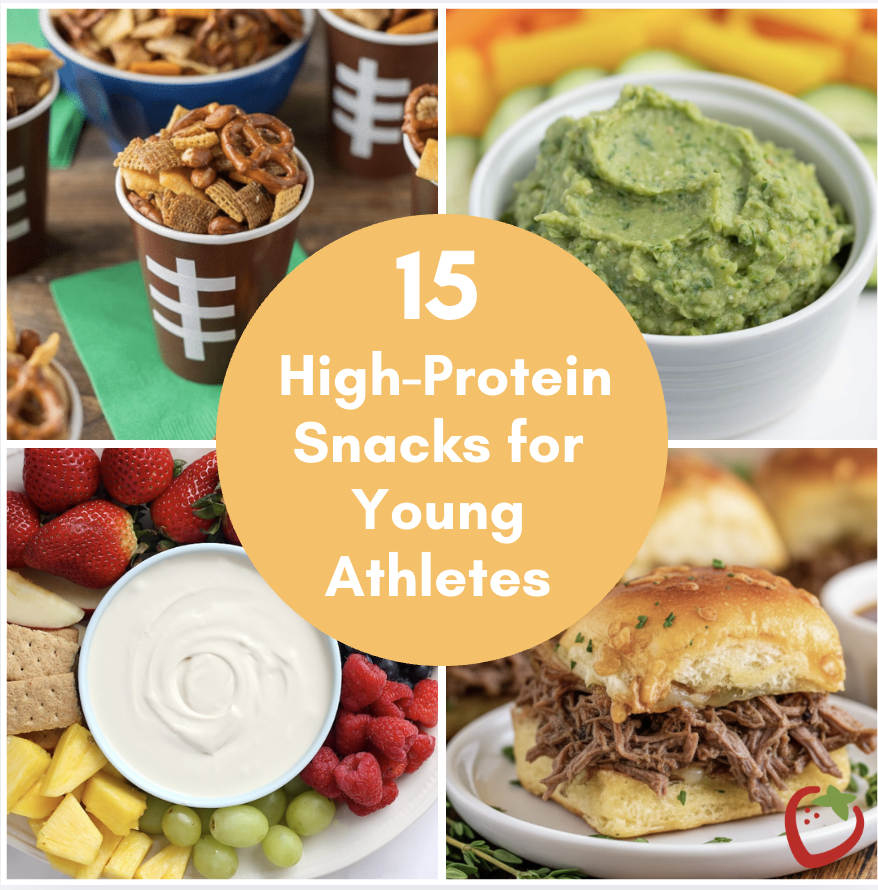
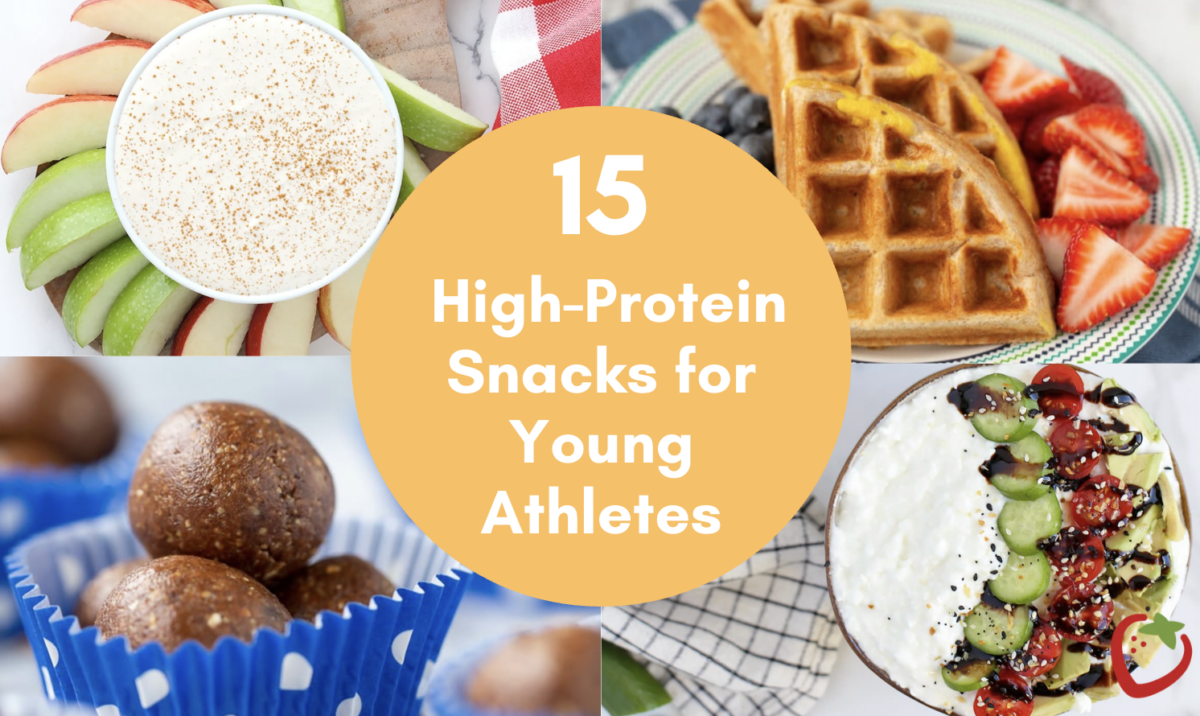
15 High-Protein Snack Solutions for Busy Families
To help parents navigate the chaos of sports schedules, we have compiled a list of nutrient-dense, kid-approved snacks that prioritize convenience and whole-food ingredients.
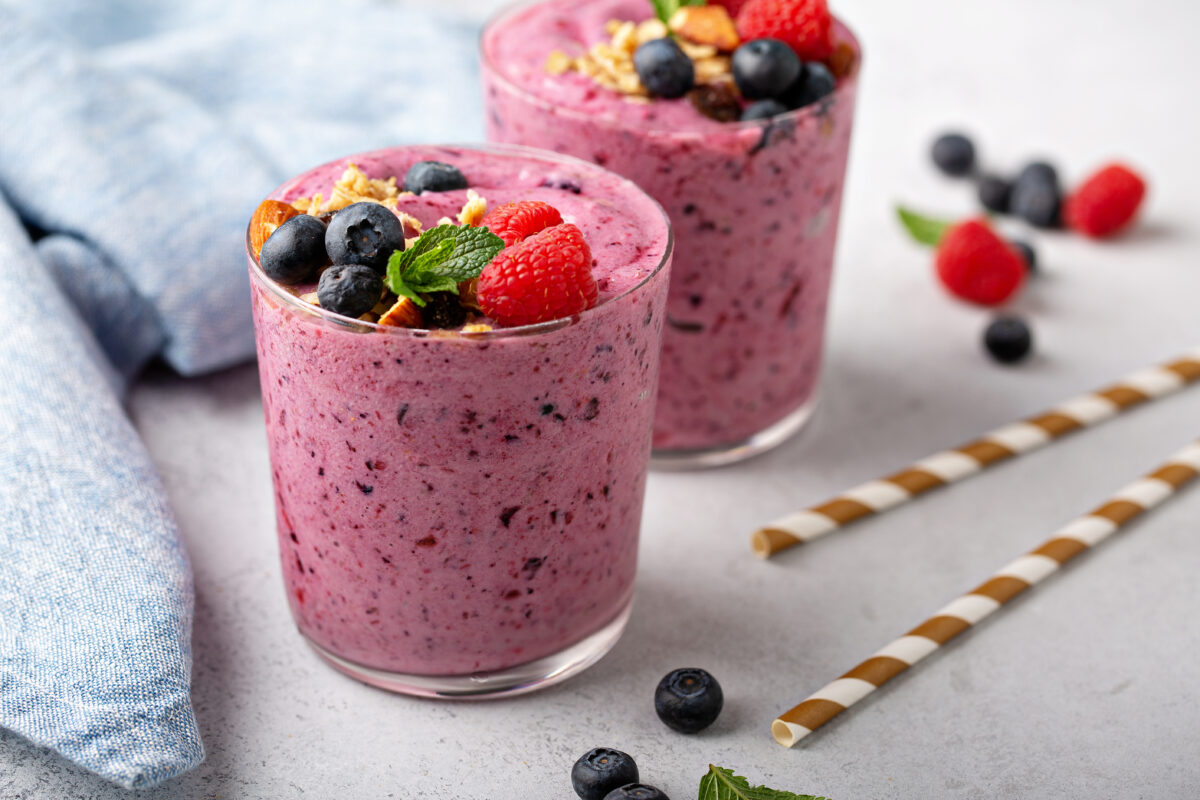
1. Mixed Berry Protein Smoothies
Blending frozen berries, Greek yogurt, and a splash of milk creates a refreshing, nutrient-dense beverage. The antioxidants in berries combat exercise-induced inflammation, while Greek yogurt provides the necessary protein.
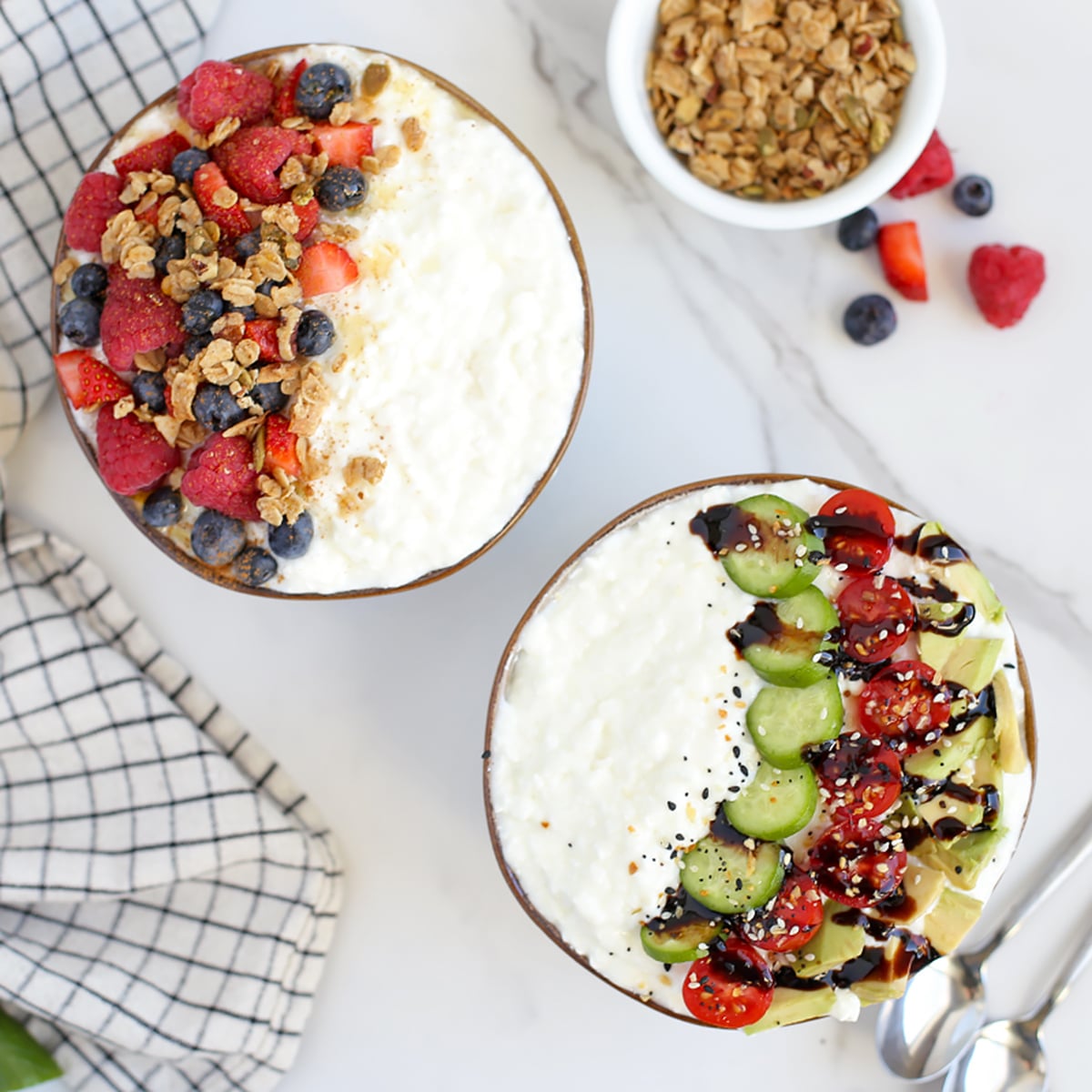
2. High-Protein Cottage Cheese Bowls
Often overlooked, cottage cheese is a powerhouse, boasting approximately 17 grams of protein per serving. Whether topped with savory cucumbers and balsamic or sweet granola and berries, it is a versatile, no-cook solution.
3. Blueberry Protein Popsicles
Perfect for summer sports, these popsicles use Greek yogurt and fresh fruit to keep kids cool and hydrated while delivering a significant protein boost.
4. Peanut Butter Fudge Energy Balls
These "dessert-like" bites use dates, oats, and peanut butter to provide a steady release of energy, making them perfect for pre-practice snacking.
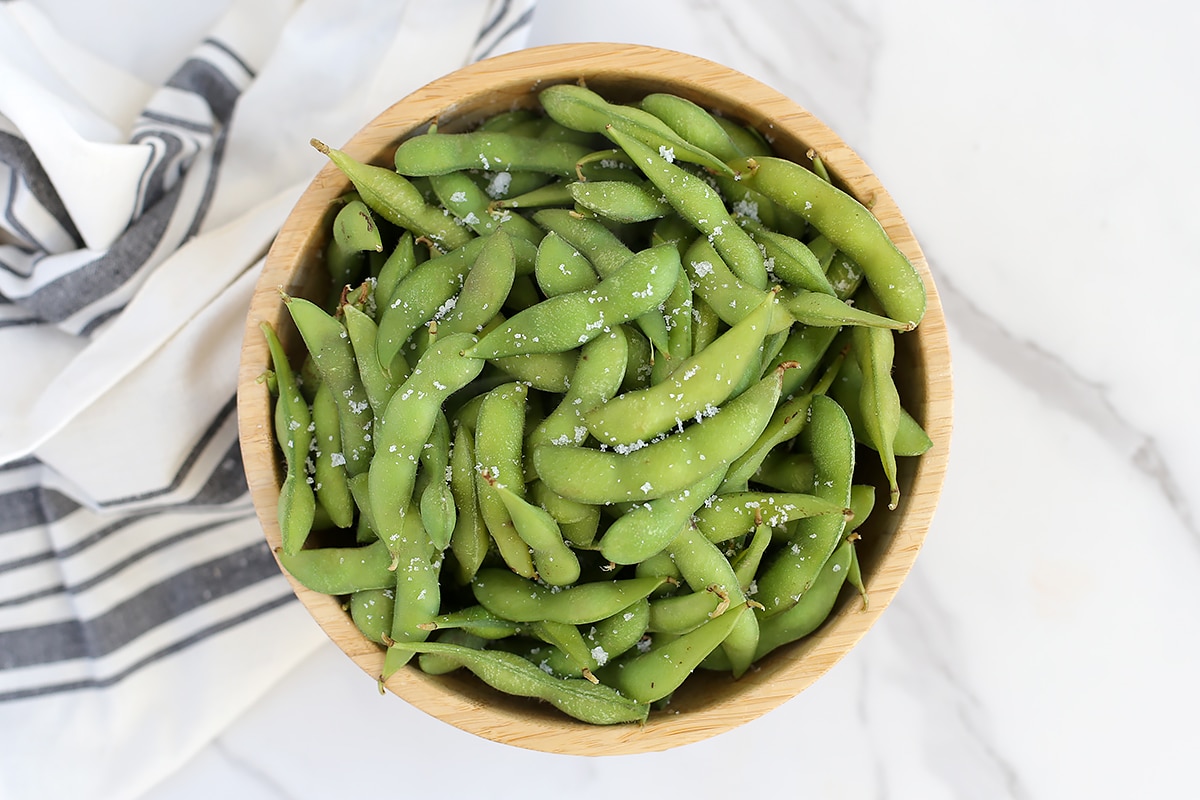
5. Edamame: The Simplest Superfood
Edamame requires nothing more than steaming and a pinch of salt. It is a complete plant-based protein source that is fun to eat and packed with fiber.
6. Homemade "RX-Style" Bars
By combining egg-white powder, nuts, and dates, parents can create custom, allergy-aware bars that rival expensive store-bought versions in both flavor and protein content.

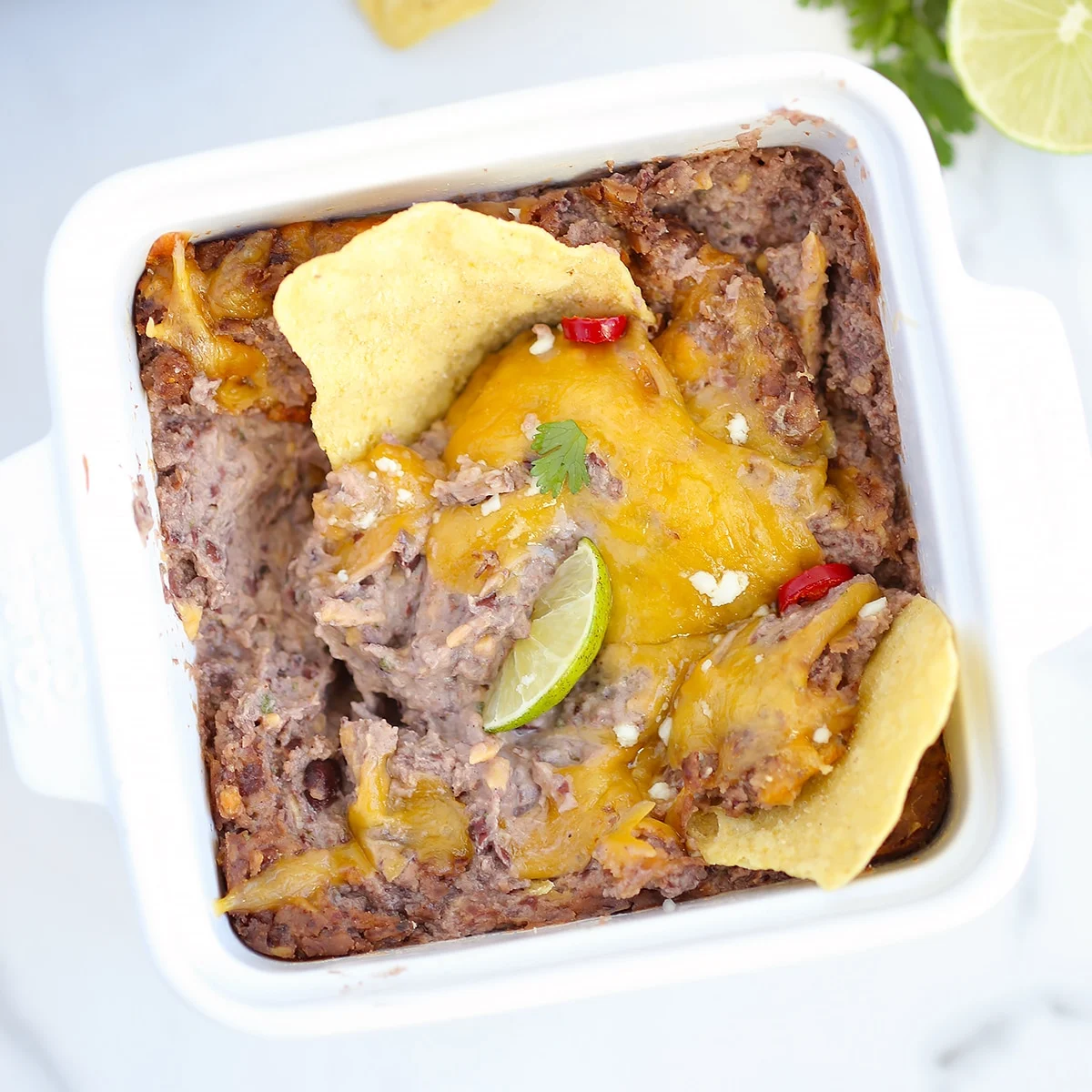
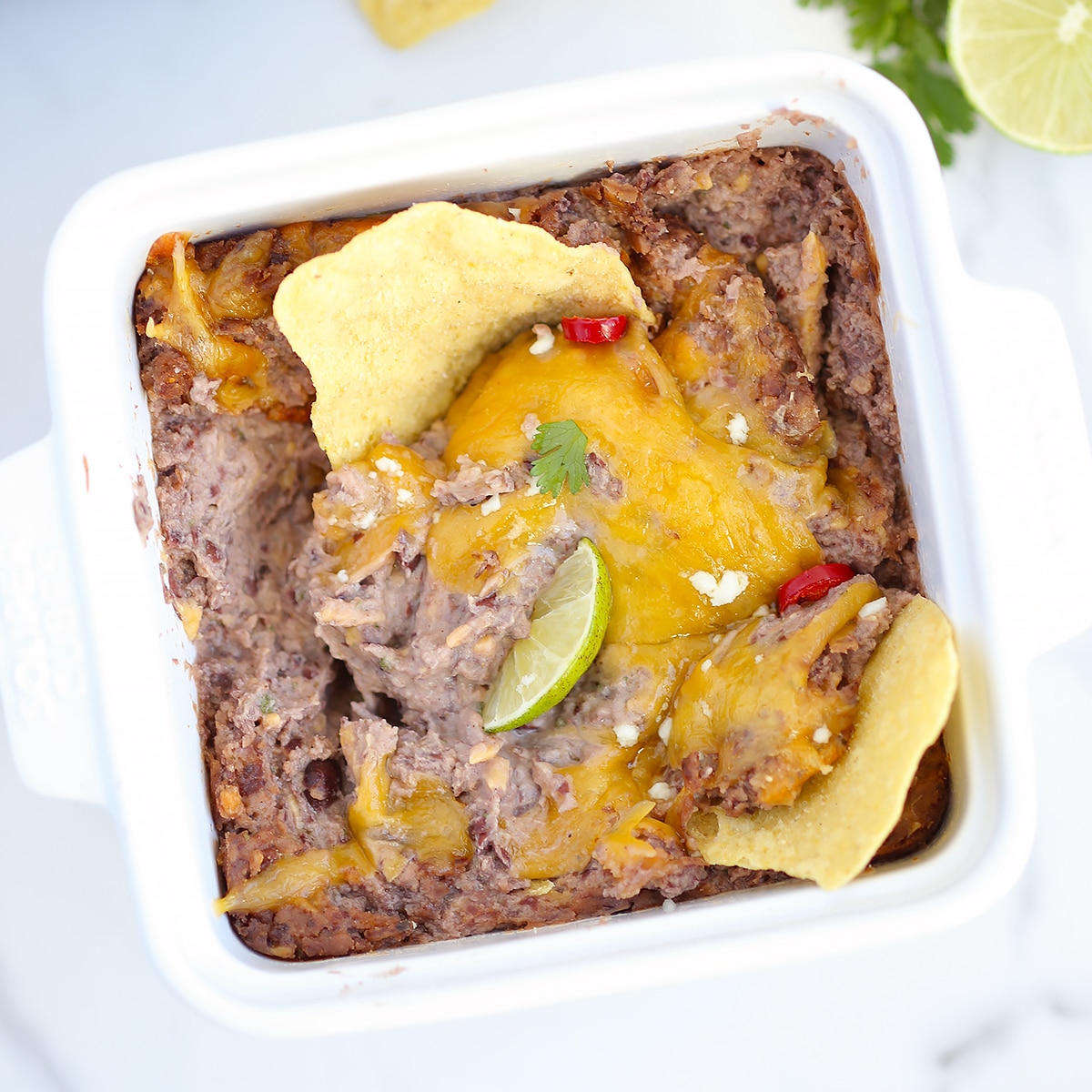
7. High-Protein Black Bean Dip
Beans are an excellent source of plant-based protein. Blending them with Greek yogurt creates a creamy, nutrient-rich dip for vegetables or whole-grain crackers.
8. Protein Waffles
By incorporating Greek yogurt and an egg into the batter, a standard waffle becomes a high-protein meal. These can be prepped in bulk and toasted on the fly.
9. Roasted Chickpeas
For kids who crave a "crunch," roasted chickpeas—seasoned with cinnamon or barbecue spices—offer a fiber-rich, protein-packed alternative to potato chips.
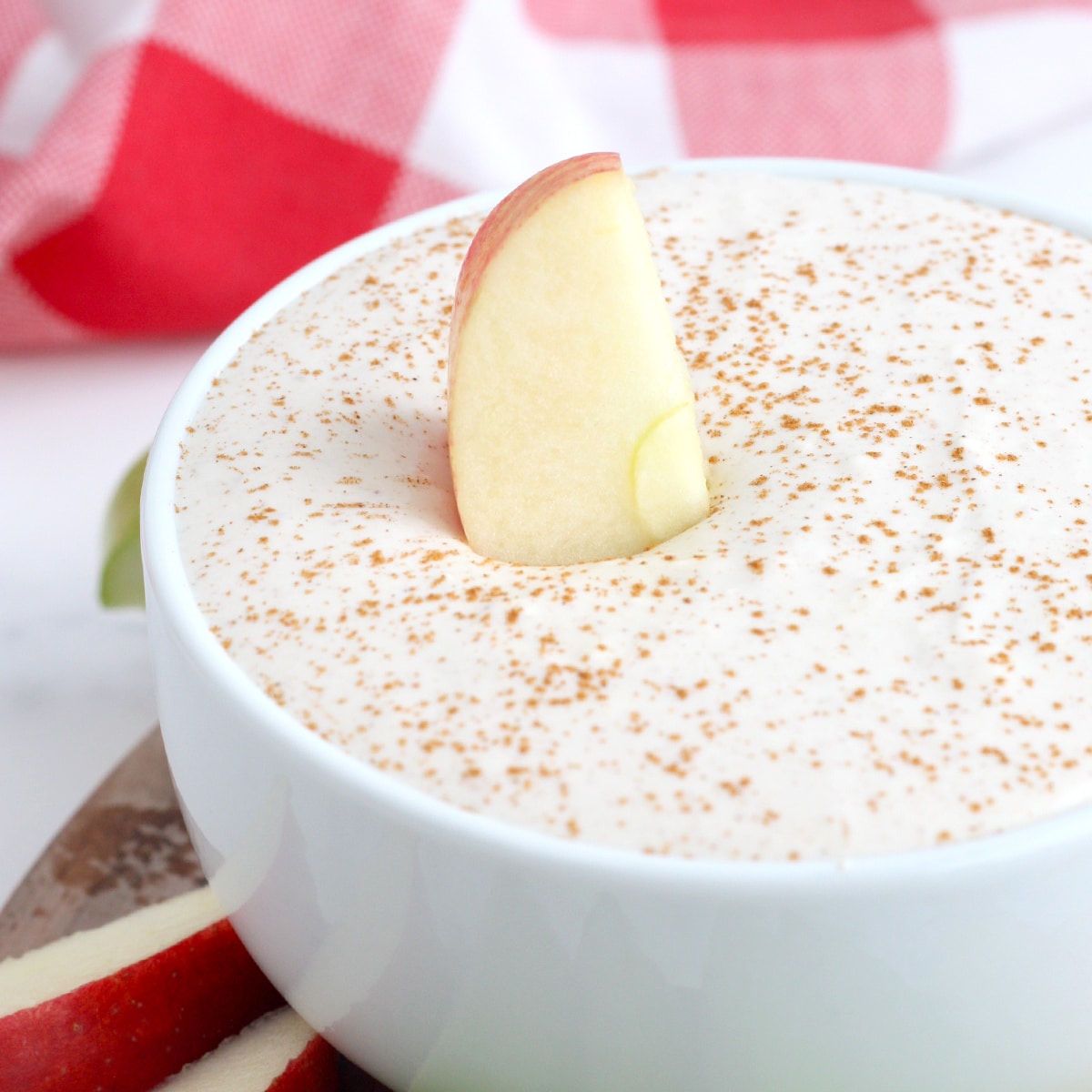
10. Healthy Yogurt Fruit Dip
A simple mix of Greek yogurt, maple syrup, and cinnamon encourages children to consume more fresh fruit, providing the carbohydrates needed for energy.
11. Crunchy Roasted Peas
Like chickpeas, roasted peas are an inexpensive, transportable snack that offers significantly higher nutritional value than traditional processed snacks.
12. Greek Yogurt Veggie Dip
A savory dip made from Greek yogurt, dill, and garlic makes raw vegetables much more appealing, helping kids meet their micronutrient goals.
13. "Kids Can Make ‘Em" Energy Bites
Empowering children to prepare their own snacks—using oats, flax, and chia seeds—increases their engagement with healthy eating.
14. Chia Seed Energy Bites
Chia seeds provide a dense source of Omega-3 fatty acids and protein, making these bites an excellent choice for brain health and sustained endurance.
15. Raspberry Quinoa Smoothie
By adding cooked quinoa to a smoothie, parents can significantly increase the protein content (up to 22g per serving) without relying on synthetic powders.

Expert Perspectives: The Role of Supplements
A common question among parents of teenage athletes is: Should my child be using protein powder?
The consensus among pediatric nutritionists is clear: No, not necessarily. Most youth athletes can meet their protein requirements through a balanced diet of dairy, eggs, lean meats, and plant-based legumes. Protein powders are often highly processed and may contain hidden sugars or additives that are unnecessary for a growing child.
"We advise parents to look at the total diet," says Dr. Sarah Jenkins, a pediatric sports dietitian. "A child who eats a Greek yogurt at breakfast, a chicken sandwich at lunch, and a serving of beans or lean beef at dinner is already hitting their requirements. Supplements should only be considered under the guidance of a professional when specific dietary restrictions or extremely high training loads are present."
Implications: Building Lifelong Habits
The primary goal of sports nutrition is not just to improve performance on the field, but to foster a healthy relationship with food that lasts a lifetime. By providing these nutrient-dense options, parents are teaching their children that:
- Food is Fuel: Understanding the link between what you eat and how you feel in a game empowers the child to make better choices.
- Convenience Doesn’t Require Junk: By meal-prepping energy bites or having frozen popsicles on hand, families can avoid the "fast-food trap" that often occurs after long tournament days.
- Self-Reliance: Involving children in the kitchen—whether they are blending a smoothie or rolling energy balls—gives them agency over their health.
Conclusion: The Path Forward
Fueling an active child does not require a complex nutrition degree or a pantry full of specialty supplements. It requires a commitment to simple, high-quality ingredients and a bit of foresight. By focusing on the synergy between protein and carbohydrates, parents can ensure their young athletes are not only performing at their peak but are also building the strong, healthy bodies they need to grow and thrive.
Whether your child is a budding Olympian or a weekend warrior, the principles of balanced, whole-food nutrition remain the most effective tool in their sports bag. Start small—perhaps by trying one of the smoothie recipes this week—and watch how proper fueling transforms your young athlete’s energy, recovery, and overall love for the game.